Starting a Gym: Minimal Capital, Sponsored Gear
I've always wanted to build a powerlifting gym, but let's be real: starting with minimal capital isn't easy. So how did I do it? I took action, secured sponsorships for equipment, and leveraged a Tide business account for financial benefits. As a fellow enthusiast, I'll walk you through how I went from idea to reality, taking charge and fighting for my dream, one pound at a time. It's not always easy, but with a bit of strategy and a lot of determination, you too can turn your ambitions into tangible success.
I've always wanted to build a powerlifting gym, but let's face it: starting with minimal capital is no small feat. So how did I make it happen? I took action. First, I secured sponsorships for gym equipment, which really helped cut down the initial costs. Then, I opened a business account with Tide, which was a real game changer for managing finances (I'll explain how it helped me claw back extra funds). You know, it's easy to dream, but taking action is a different ballgame. In this article, I walk you through how I turned my dream into reality, fighting for every penny and every pound. Whether you're an aspiring entrepreneur or a fitness enthusiast, it's time to take action and fight for your dreams.
Starting Small: The Minimal Capital Approach
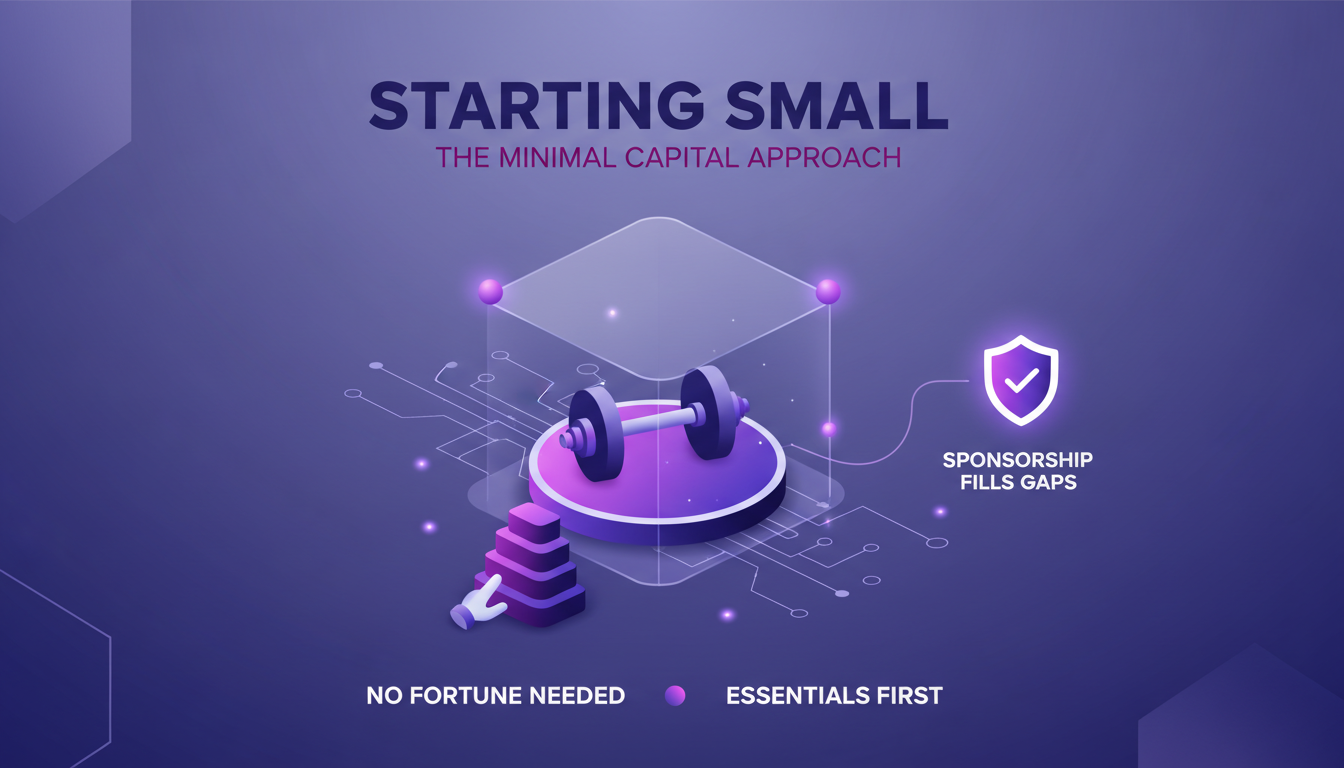
You don't need a fortune to start a gym. I began with what I had. Essentials first — basic equipment and a small space to host the first enthusiasts. I orchestrate each step to maximize efficiency. Why wait for big investments when you can act with what's at hand? I avoided unnecessary spending on non-essentials; efficiency is key.
I encourage you to explore winning strategies in similar fields.
- Don't wait for massive investments.
- Focus on essentials — equipment and space.
- Think efficiency, not perfection from day one.
Securing Sponsored Gym Equipment
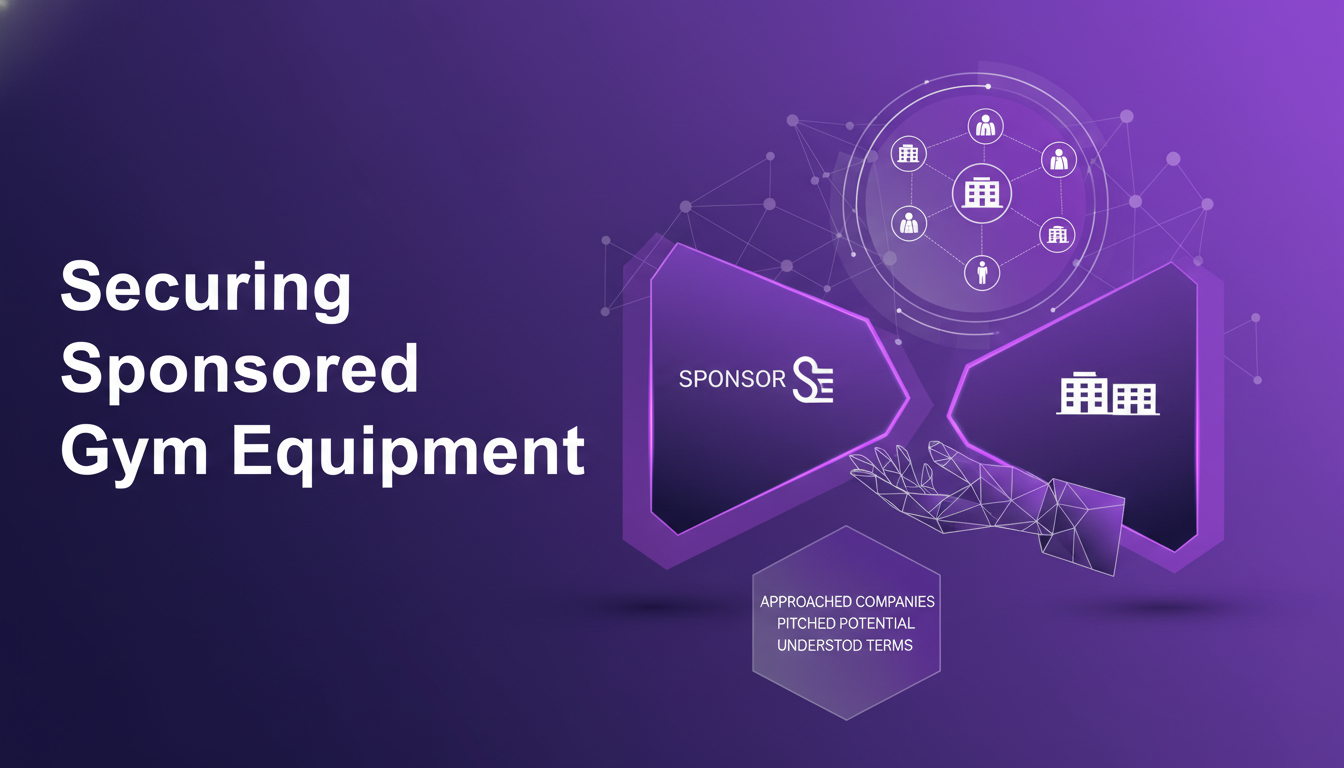
I approached equipment companies directly for sponsorships. Pitching the gym's potential and community impact was crucial. Understanding sponsorship terms—like usage and promotion—helped me negotiate better. But watch out, don't overpromise on exposure; be realistic about what you can offer.
To dive deeper into managing relationships, see how I expanded my business through strategic partnerships.
- Approach sponsors with a solid pitch.
- Negotiate with a clear understanding of sponsorship terms.
- Treat sponsorship as a partnership, not a gift.
Setting Up a Business Account with Tide
Keeping personal and gym finances separate is essential for clarity. I used Tide for its simplicity, and the promo code 'Simon' gave me a head start. Invoice processing became a breeze, saving me time and headaches. Watch out for transaction limits; plan your cash flow accordingly.
A business account builds credibility with partners and sponsors.
"100: give me the invoice, I'm going to give you the money."This phrase underscores the importance of clear and separate financial management.
- Use Tide for its simplicity and initial benefits.
- Plan cash flows to avoid bottlenecks.
- A business account enhances your credibility.
Taking Action: Fighting for Your Dreams
Dreams don't wait. I committed 100% to making my gym a reality. I set clear, achievable goals—starting small and scaling up. Networking with other gym owners provided valuable insights and support. Sometimes, it's faster to pivot than to push through obstacles. Don't let fear of failure hold you back; learn and adapt quickly.
For tips on keeping the momentum, check out my solopreneur routine.
- Set clear and achievable goals.
- Leverage your network for insights and support.
- Learn and adapt quickly, fearlessly facing failures.
The Business Impact: Efficiency and Cost Management
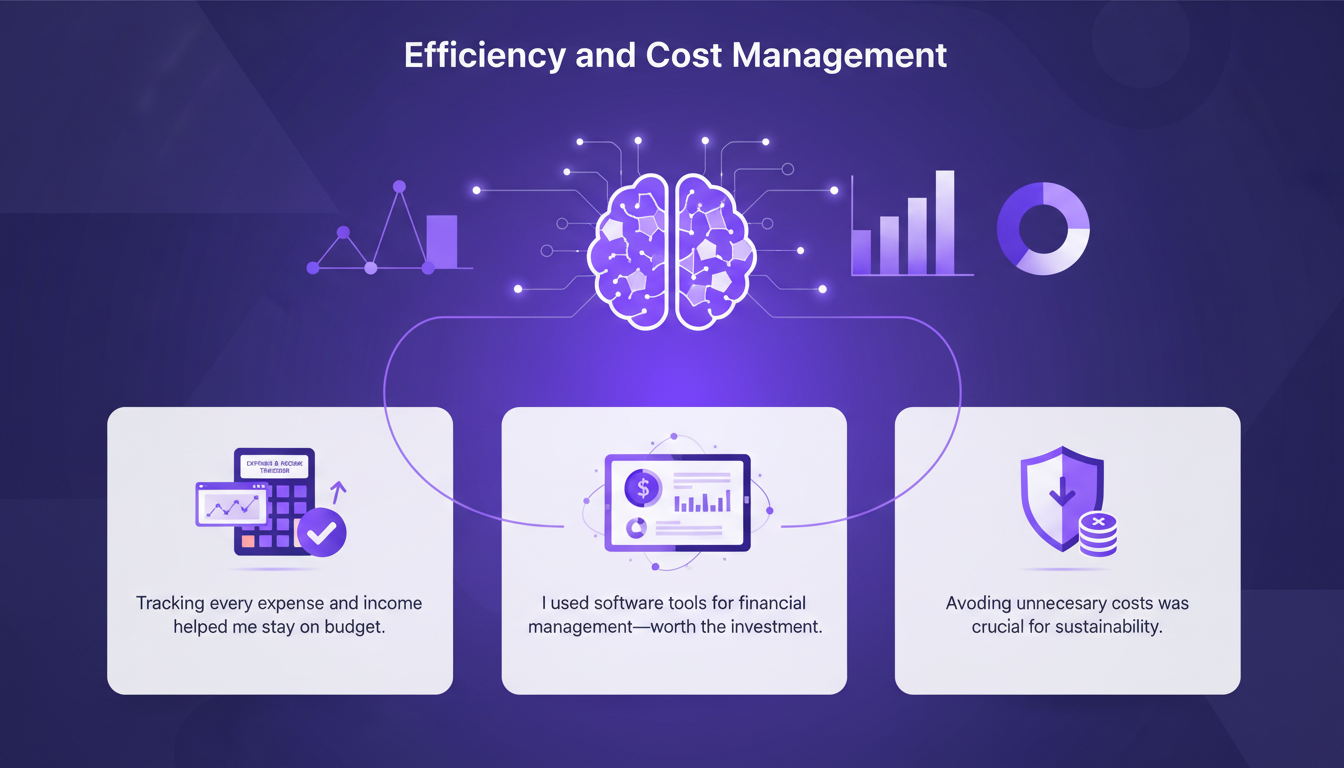
Tracking every expense and income helped me stay on budget. I used software tools for financial management—worth the investment. Avoiding unnecessary costs was crucial for sustainability. Regularly reviewing financials helped me make informed decisions. The balance between quality and cost is a constant juggle.
To explore advanced financial strategies, discover how I mastered product engineering while maintaining financial efficiency.
- Use software tools for effective financial management.
- Avoid unnecessary costs and focus on sustainability.
- Regularly review your finances for informed decisions.
Building a gym with minimal capital is a tough ride, but it's absolutely doable if you play it right. Sponsorships were my game changer for gym equipment. I also leveraged Tide for business banking benefits, like earning 50 pounds when spending 100. Most importantly, relentless action pushed the needle every day.
- Sponsorships: This was crucial. Convince brands their investment is worth it.
- Tide Business Account: Those offers, like 'spend 100, get 50', really help.
- Daily Action: Nothing beats taking action. Every small step counts.
Looking forward, start small and think big. Just remember, sponsorships take time to negotiate, so brace yourself for persistence.
Ready to take action on your dream? Now's the time. Watch the video here for hands-on advice and some real motivation.
Frequently Asked Questions

Thibault Le Balier
Co-fondateur & CTO
Coming from the tech startup ecosystem, Thibault has developed expertise in AI solution architecture that he now puts at the service of large companies (Atos, BNP Paribas, beta.gouv). He works on two axes: mastering AI deployments (local LLMs, MCP security) and optimizing inference costs (offloading, compression, token management).
Related Articles
Discover more articles on similar topics

Challenge: Open a Cafe in 4 Days, Winning Strategies
I took the plunge and dared an insecure chef to open her own café in just four days. From tough negotiations to crafting a tempting menu, and a huge dose of personal growth, we did it all. I've been through this kind of whirlwind, so let me show you how we tackled this challenge head-on. We're juggling financial constraints, personal doubts, and rapid-fire strategies to bring a seemingly impossible project to life. Ready to dive into our adventure?
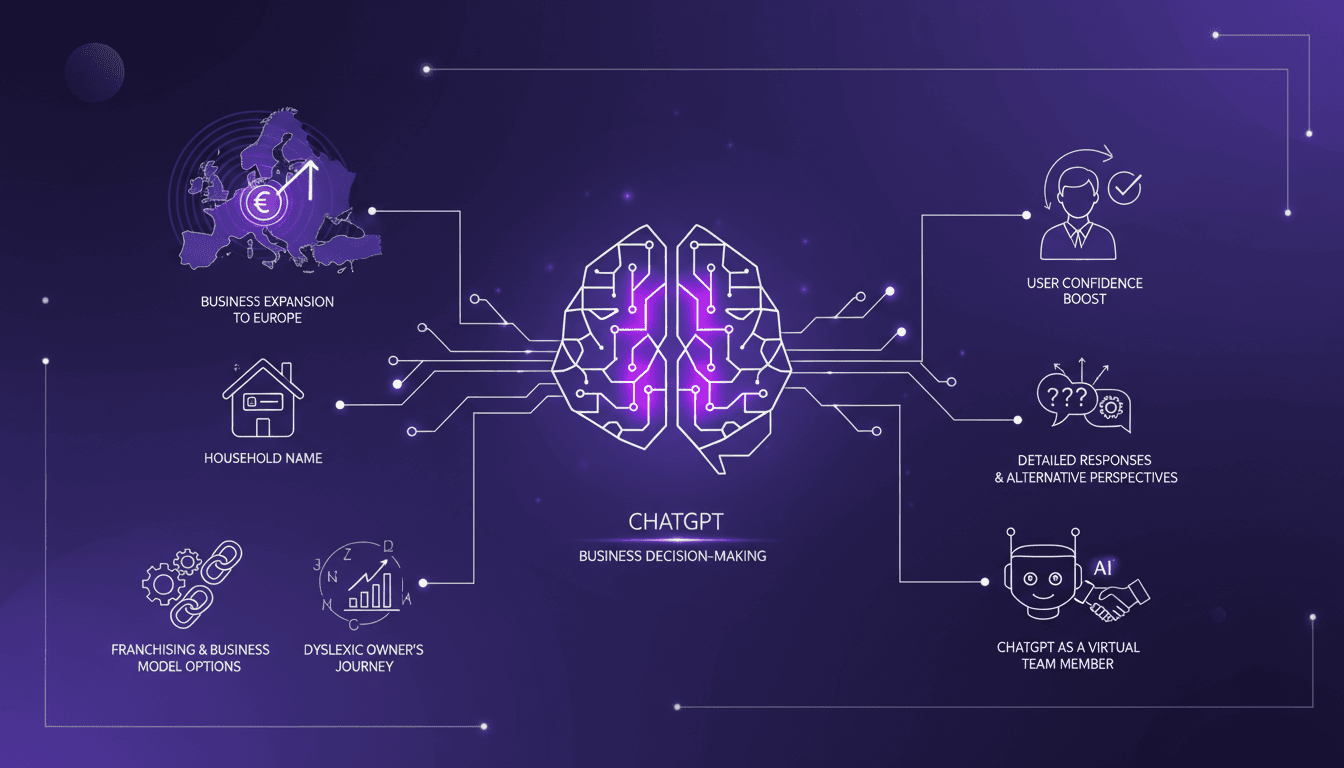
ChatGPT: How I Expanded My Business
I started with a simple idea: renting wedding flowers. Then I brought ChatGPT into the mix, and everything shifted. Navigating business challenges with dyslexia is no walk in the park, but ChatGPT helped me make more informed decisions and expand my vision. It presented three different strategies for entering the European market and highlighted the importance of becoming a household name first. Acting like a virtual team member, ChatGPT provides detailed responses and alternative perspectives, boosting my confidence and guiding me towards franchising. Here's how AI reshaped my entrepreneurial journey.

Solopreneur Routine: Earning $77K a Month
I wake up around 6 a.m., ready to tackle the day as a solopreneur. Earning $77K a month doesn't just happen—it's a mix of deep work, smart use of AI, and relentless iteration. First, I orchestrate my priorities using automation tools (saves a ton of time). Then, I dive into the creative work, where AI helps me speed up processes without compromising quality. My secret? Never getting stuck. I test, tweak, and continuously innovate while safeguarding my sleep. In a world where hustle is glorified, smart strategies make the difference. Let me show you how I orchestrate my daily routine to maximize productivity and innovation.

Supply Chain 2.0: Revolutionizing Semiconductors
I've been knee-deep in semiconductor supply chains for years, and let me tell you, it's not just about making chips; it's about orchestrating a global symphony. First, you tackle the 1,400 process steps, then you navigate through a dozen countries. But what happens when a $300 chip holds up a $50,000 car? That's when things get real. With AI chips at the forefront, every step from manufacturing to delivery must be optimized. Let's dive into how we're handling these challenges and where the opportunities lie.
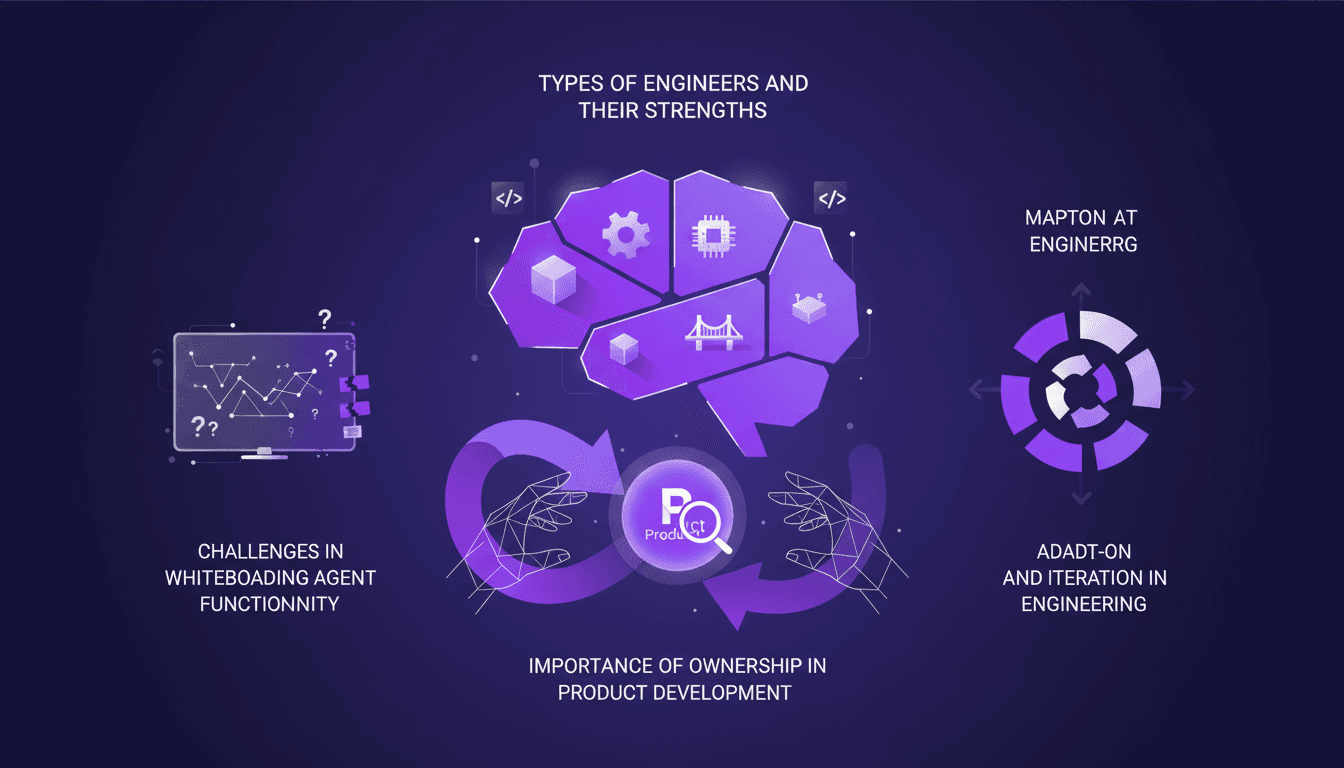
Mastering Product Engineering: Key Strategies
I still remember the first time I had to whiteboard an agent's functionality—super hard, not gonna lie. But that's where the magic of engineering happens: adapting, iterating, and owning the process end-to-end. At Lambs, we distinguish between large-scale system engineers and product engineers. Today, let's dive into the world of product engineers and see why their full ownership is a game changer. We'll discuss the two types of engineers, the challenges of whiteboarding, and the importance of adaptation and iteration in engineering.