Stabilizing the AI Economy by 2025
I've been in the trenches of the AI industry for years, and if there's one thing I can tell you, it's this: the AI economy is on the brink of stabilization by 2025. Having witnessed the chaos and breakthroughs, I'm here to share how we're finally gaining predictability and maturity. We're building distinct layers, crafting playbooks for AI native companies, and making incremental improvements that shape our future. This isn't just theory—it's what we're building right now.
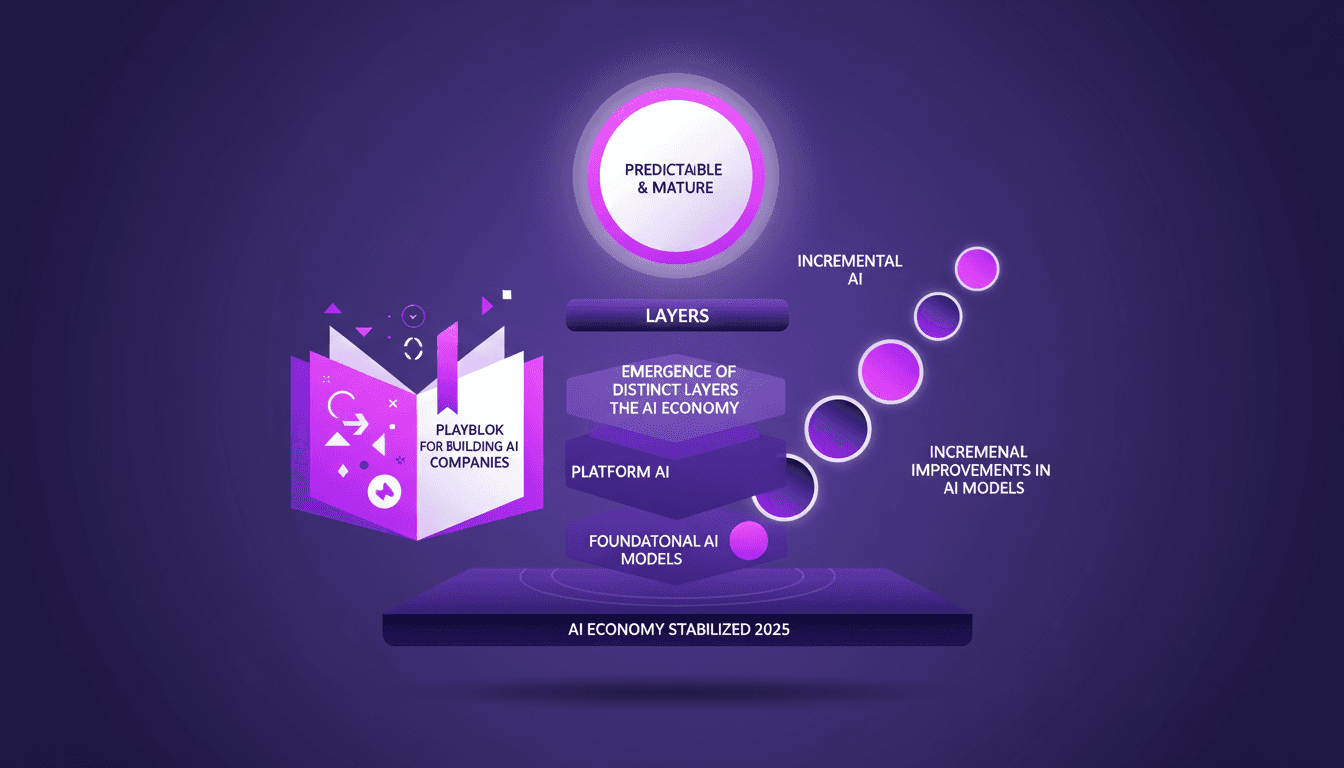
I've been in the trenches of the AI industry for years, and if there's one thing I can tell you, it's this: the AI economy is on the brink of stabilization by 2025. I've seen the chaos and breakthroughs, and I'm here to share how we're finally achieving some predictability and maturity. 2024 is a pivotal year, not just in conversations but in concrete actions. We're building distinct layers within the AI ecosystem, and trust me, these aren't just buzzwords. I connect the dots between incrementally improving AI models and the playbooks we're crafting for AI native companies. It's a groundwork effort, but the results are worth it. We're not talking abstract theory here, but what's shaping our professional future on a daily basis. So, if you're looking to understand how this industry is evolving towards true maturity, I invite you to dive into this exploration with me.
Surprises in the AI Economy by 2025
By 2025, the AI economy has reached a level of stability few expected. I still remember 2024, when changes were happening so fast it felt like walking on quicksand. But now, things have changed for the better. AI companies have found their footing with the emergence of distinct layers like model, application, and infrastructure companies. For us builders, this stabilization finally means predictability. We can now plan long-term without fearing the ground will shift beneath us.
The year 2025 is truly a turning point. The AI economy has not only stabilized but also offers fertile ground for innovations and businesses aiming to build something sustainable. Of course, this doesn't mean there are no surprises, but they are now opportunities rather than threats.
"The AI economy finally feels stable, offering predictability and opportunities for builders."
Understanding the Layers: Model, Application, Infrastructure
To truly grasp what the AI economy is today, one must understand its layers. First, there are the model layer companies developing the core algorithms and models. These are the engines of innovation, but watch out, without practical application, they remain theoretical. Next are the application layer companies that turn these models into practical solutions. This is where I often see mistakes: too much focus on technology, not enough on the end user.
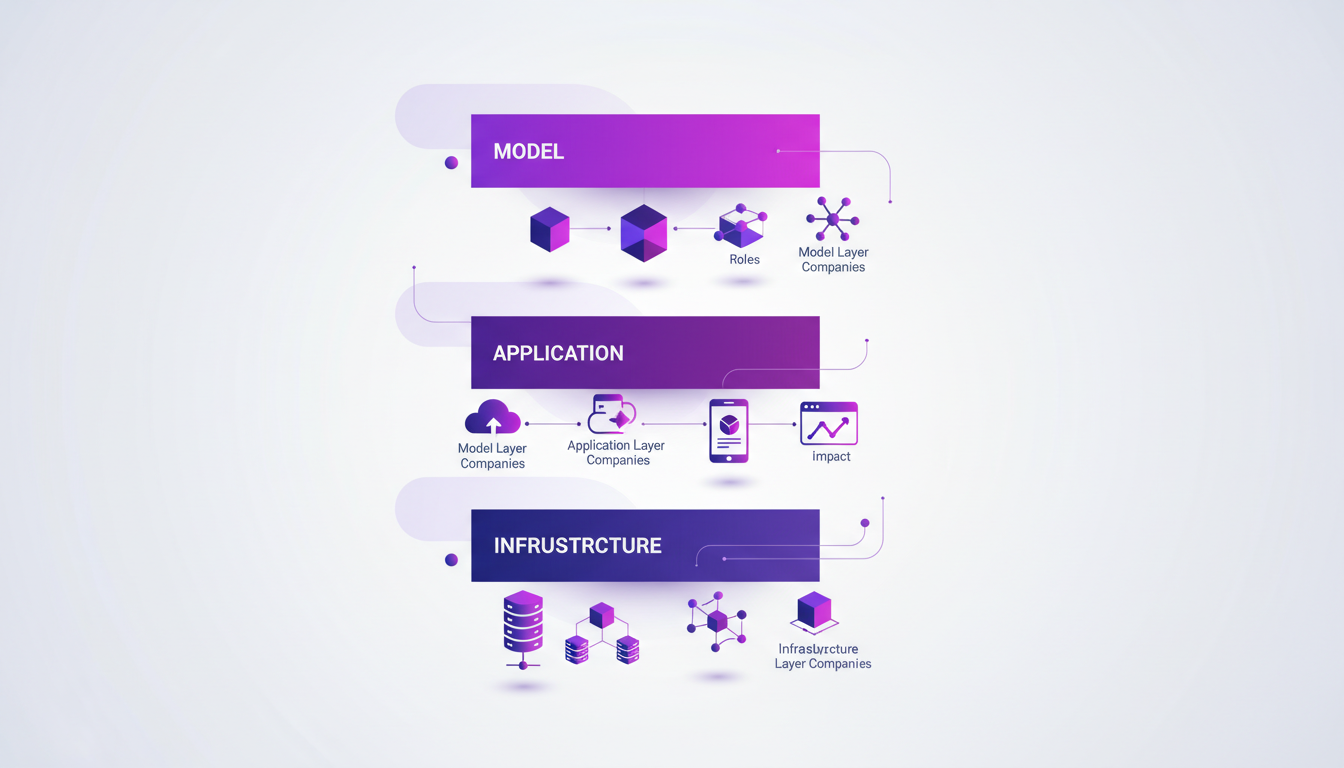
Lastly, the infrastructure layer companies provide the foundation on which everything rests. They ensure solutions are scalable and robust. The interaction between these layers is what makes the AI economy so dynamic and complex at the same time. Each must work in harmony with the others for the ecosystem to thrive.
Crafting a Playbook for AI Native Companies
Building an AI native company is no easy task. I've learned this the hard way. The first step is understanding market needs. Too often, I've seen startups focus on technology and forget about the user. Next, orchestration is crucial. Efficiency must be at the heart of every process. I personally use agile frameworks to iterate quickly and adapt. But watch out, don't overuse processes or you'll lose flexibility.
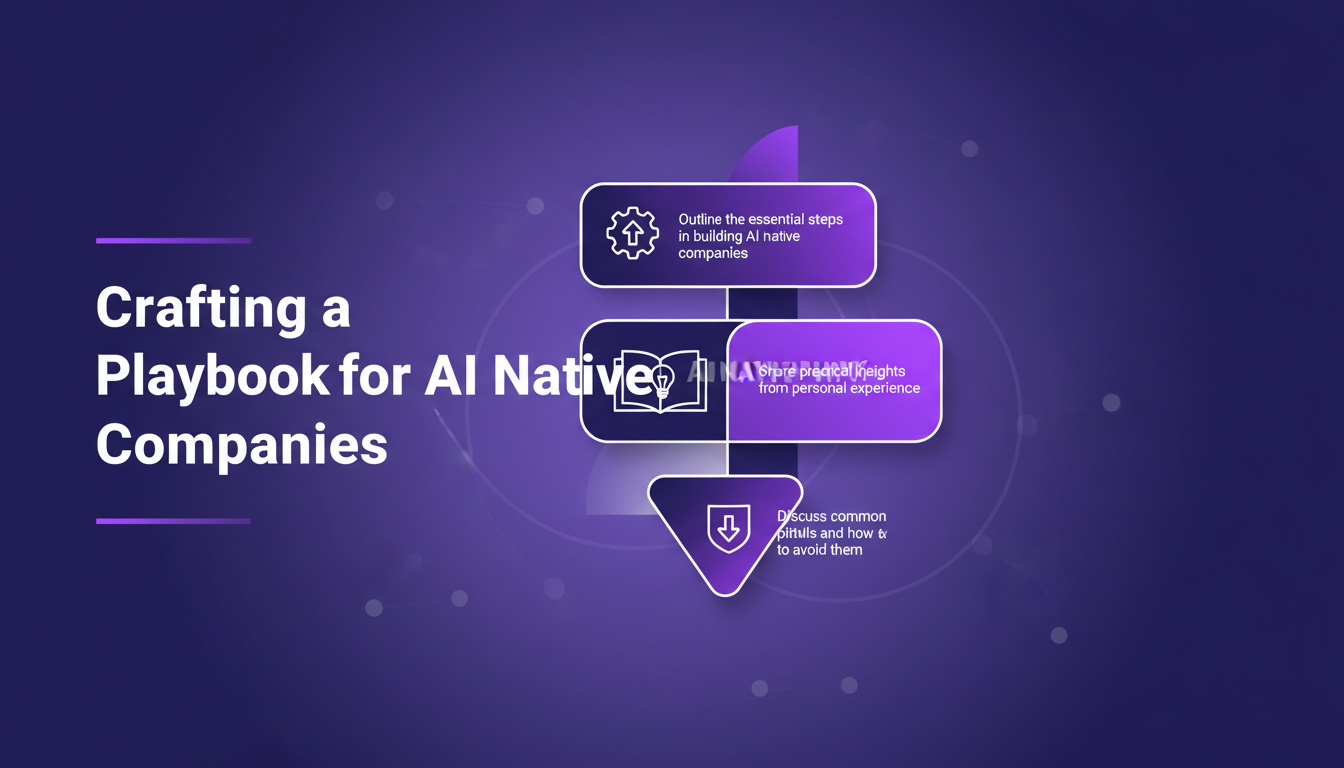
Mistakes are common. For instance, I've seen companies fail due to poor resource management. Always ensure every team member is aligned with the goals. And don't forget: continuous improvement is key to staying competitive.
Incremental Improvements in AI Models
Incremental improvements are what have allowed the sector to stabilize. We often talk about big innovations, but in reality, it's the small adjustments that make the difference. For example, by adjusting my models' hyperparameters, I increased their accuracy by 5% in 2025 without radical changes.
But watch out, there are limits. Current models have performance constraints. Sometimes it's better to optimize what you have rather than reinvent everything. I've often been tempted to start from scratch, but incremental improvements often prove more effective.
Predictability and Maturity in the AI Industry
Finally, let's talk about maturity. Predictability is the fruit of stabilization. By 2025, the AI industry has finally reached a maturity level where companies can project themselves confidently. Indicators of this maturity are numerous: stable revenues, customer satisfaction, and above all, an ability to innovate without major risks.
For me, the key lies in continuous improvement. Every step forward strengthens overall stability. That's what I've learned in piloting my projects: better a series of progressive improvements than a big leap into the unknown.
"Predictability is the fruit of stabilization, and continuous improvement is its engine."
Looking ahead to 2025, we're finally seeing the AI economy stabilize. First, understanding the distinct layers of this economy is critical. Then, building truly AI-native companies with a solid playbook becomes essential to navigate this new landscape effectively. This is where incremental improvements in AI models make all the difference. But watch out, without a solid strategy, these opportunities can quickly turn into challenges.
- Mastering the distinct layers of the AI economy is crucial to staying competitive.
- Building AI-native companies with a strong playbook enhances our agility.
- Incremental improvements in AI models are our lever for continuous innovation.
I'm genuinely excited about what's ahead, but remember, the key remains adaptability. Ready to build the future? Apply these insights to your AI projects and stay ahead of the game. For a deeper dive, check out the full video here: The AI Economy Is Stabilizing.
Frequently Asked Questions

Thibault Le Balier
Co-fondateur & CTO
Coming from the tech startup ecosystem, Thibault has developed expertise in AI solution architecture that he now puts at the service of large companies (Atos, BNP Paribas, beta.gouv). He works on two axes: mastering AI deployments (local LLMs, MCP security) and optimizing inference costs (offloading, compression, token management).
Related Articles
Discover more articles on similar topics
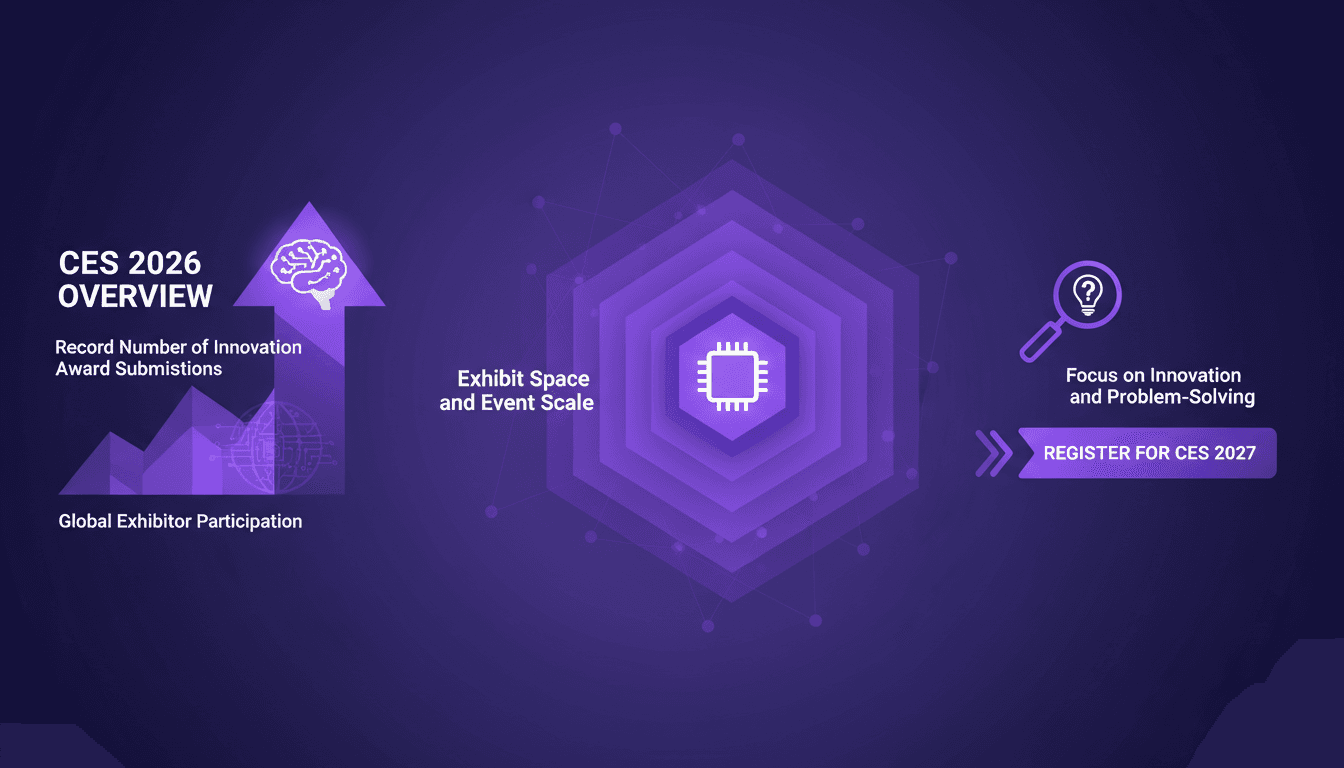
CES 2026: Innovation Unveiled at the Global Stage
I walked into CES 2026 expecting the usual tech fanfare, but what I found was way more than just another show—it was a transformative experience redefining innovation. With a record number of Innovation Award submissions and a global exhibitor presence, this year's CES was truly a game-changer. Imagine thousands of exhibitors from around the world, all gathered to showcase how technology can solve real-world problems. And it's not just marketing hype. It's the reality of what I witnessed. If you haven't marked your calendar for CES 2027 yet, you're missing out on something potentially groundbreaking.
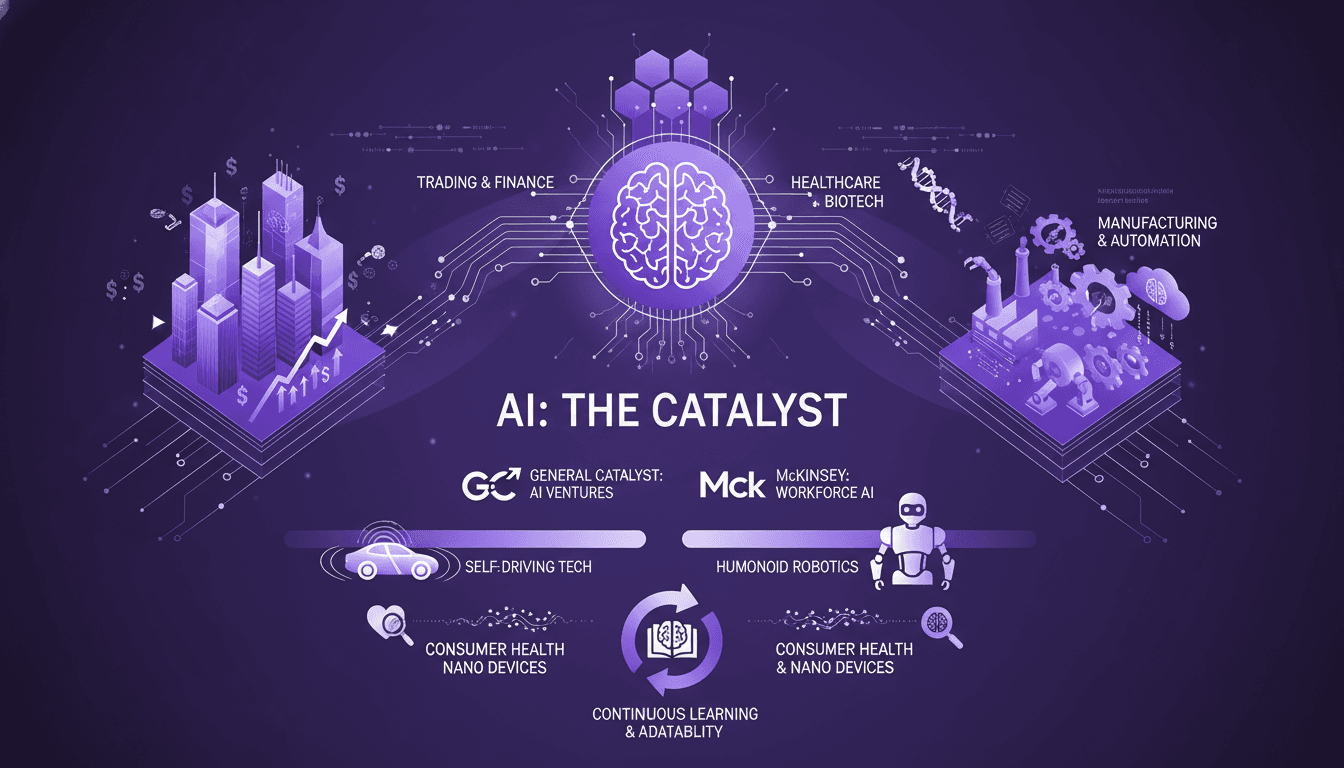
Rapid Innovation: How AI Transforms Businesses
I just got back from CES 2026, and let me tell you, the pace of innovation hit like a freight train. The conversations weren't just about tech; they were about transforming entire industries. AI is at the heart of this revolution, reshaping the industrial landscape. McKinsey is planning a 25% increase in client-facing personnel next year, a clear sign that things are shifting. Curious about how these changes impact our daily work? Read on to discover how AI, healthcare, and robotics are redefining our professions.
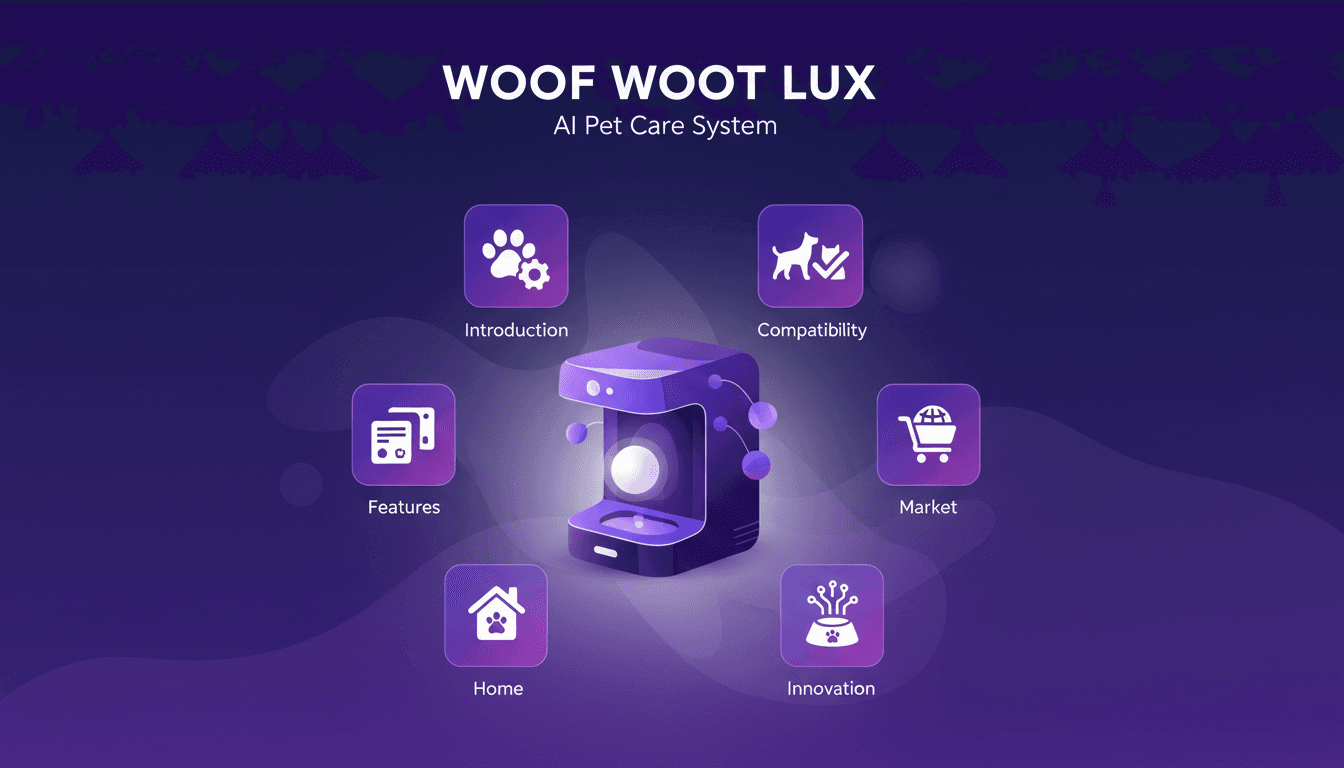
Woof Woof Lux: Revolutionizing Pet Care
I've been in the pet care game for years, and let me tell you, the Woof Woof Lux is a game changer. First, I tested it with my own pets, and then I dove into its features. What I found is impressive: this machine has been tested on about 300 different sizes and shapes of pets, and it's already being used in several homes across the US and Mexico. But watch out, it's not a one-size-fits-all solution. There are limits, especially with more exotic pets. Still, for most households, the Woof Woof Lux promises to greatly simplify daily pet care. Let's explore what makes this innovation so special.
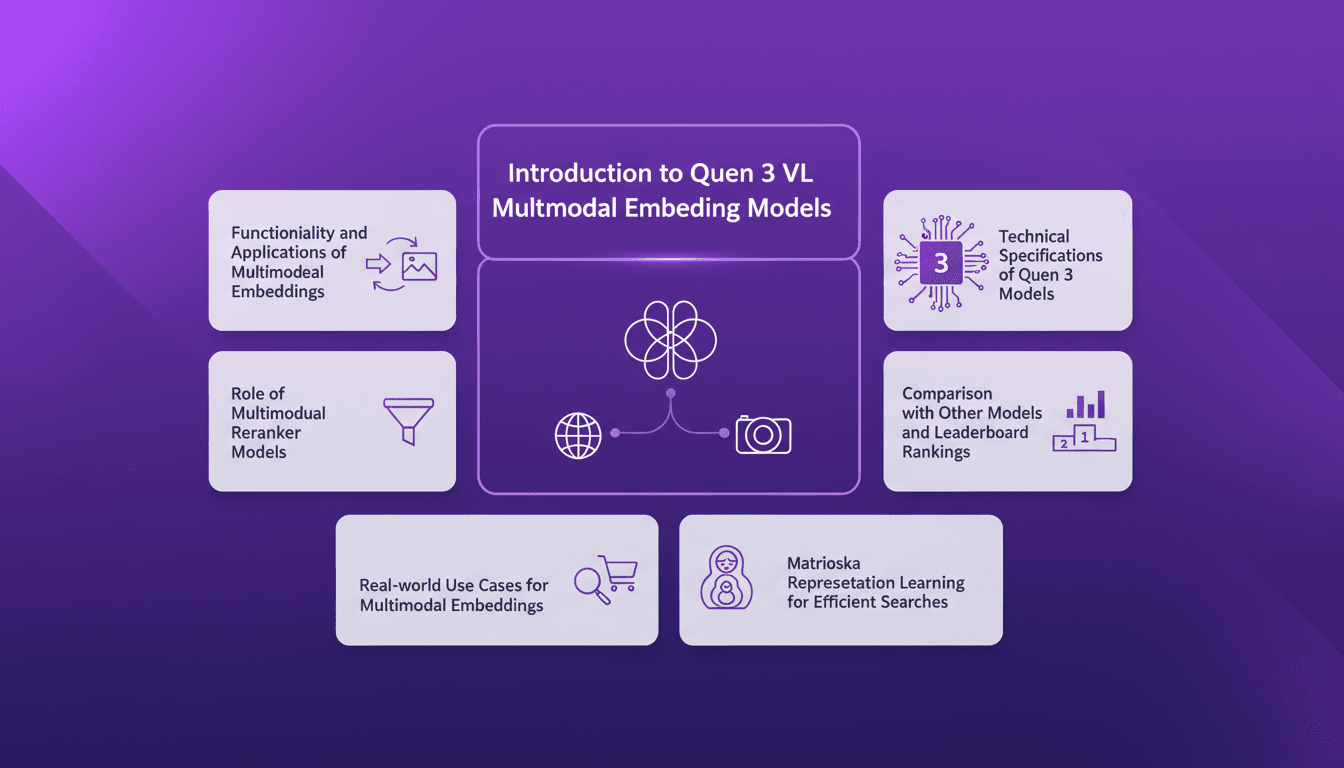
Harnessing Quen 3 Multimodal Embeddings
I dove into Qwen 3's multimodal embeddings, aiming to streamline my AI projects. The promise? Enhanced precision and efficiency across over 30 languages. First, I connected the embedding models, then orchestrated the rerankers for more efficient searches. The results? A model reaching 85% precision, a real game changer. But watch out, every tool has its limits and Qwen 3 is no exception. Let me walk you through how I set it up and the real-world impact it had.
AI Trends 2026: Integration and Regulation
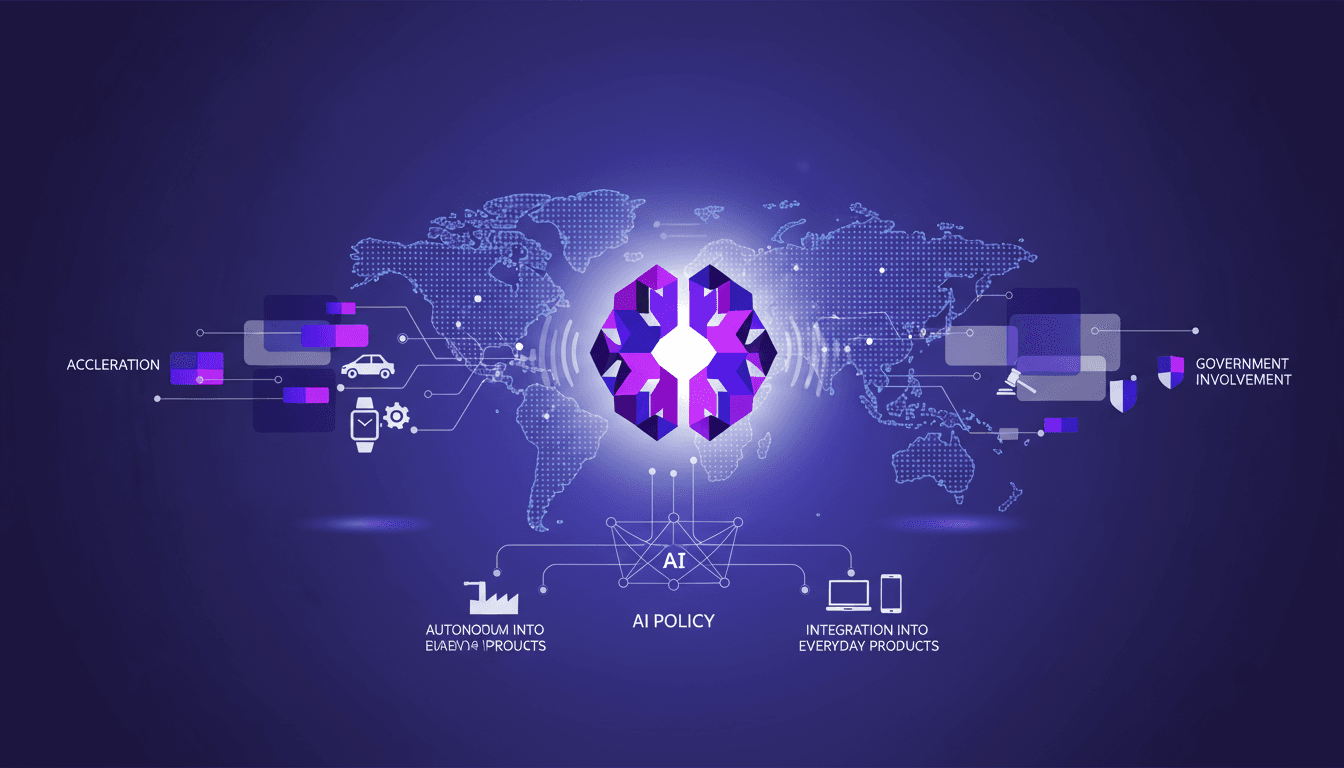
I stepped into CES 2026, and it felt like stepping into the future. The variety of AI technologies was mind-blowing, and the buzz around regulatory challenges was palpable. As a builder, I see how these trends are reshaping our daily lives and our approach to creation. With governments getting increasingly involved and innovations accelerating at lightning speed, AI is finding its way into every aspect of our lives. But beware, the regulatory hurdles are complex, and without robust federal standards, innovation might suffer. As a practitioner, let me take you through what I saw and what it means for our industry.