AI Trends 2026: Integration and Regulation
I stepped into CES 2026, and it felt like stepping into the future. The variety of AI technologies was mind-blowing, and the buzz around regulatory challenges was palpable. As a builder, I see how these trends are reshaping our daily lives and our approach to creation. With governments getting increasingly involved and innovations accelerating at lightning speed, AI is finding its way into every aspect of our lives. But beware, the regulatory hurdles are complex, and without robust federal standards, innovation might suffer. As a practitioner, let me take you through what I saw and what it means for our industry.
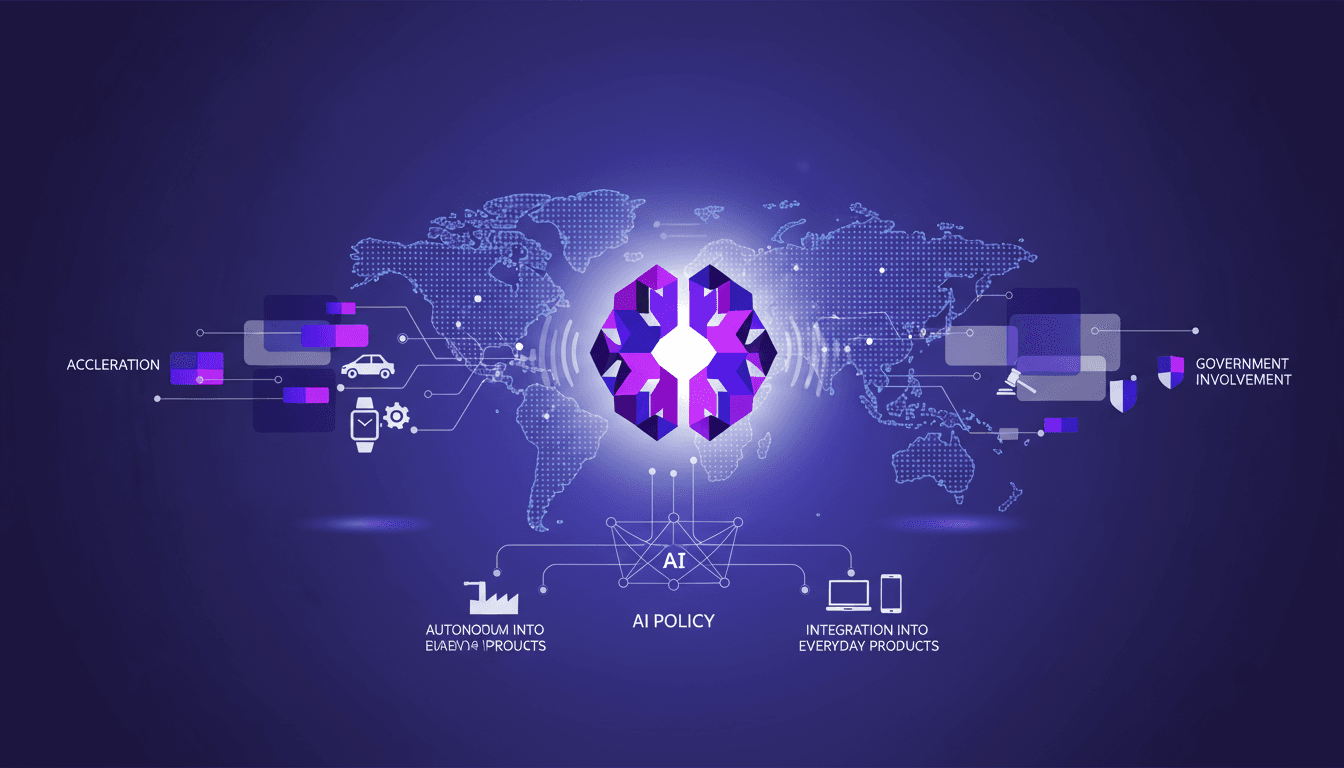
I stepped into CES 2026, and it was like walking into the future. Picture a conference floor where AI is manifesting in all its glory, from autonomous vehicles to smart wearables. But what really hit me was the buzz around regulatory challenges. Governments are more involved than ever, trying to set frameworks that could either safeguard or stifle innovation. As a builder, I found myself up against technologies accelerating three times faster than past tech revolutions. And guess what? The geopolitical stakes are massive. The question isn't just 'what's possible?' but 'what's responsible?'. In a world where only one federal privacy protection standard has existed in the U.S. for the past two decades, we need to rethink our approach. Let me take you through what this means for our daily practice.
Diversity and Global Presence of AI at CES 2026
CES 2026 was a spectacle of AI technologies from every corner of the globe. From the get-go, I was struck by the variety of products embedding AI: from wearables to smart home devices. This diversity highlights a truly global supply chain, something that was palpable as I walked the floor, surrounded by technologies developed in so many different countries.
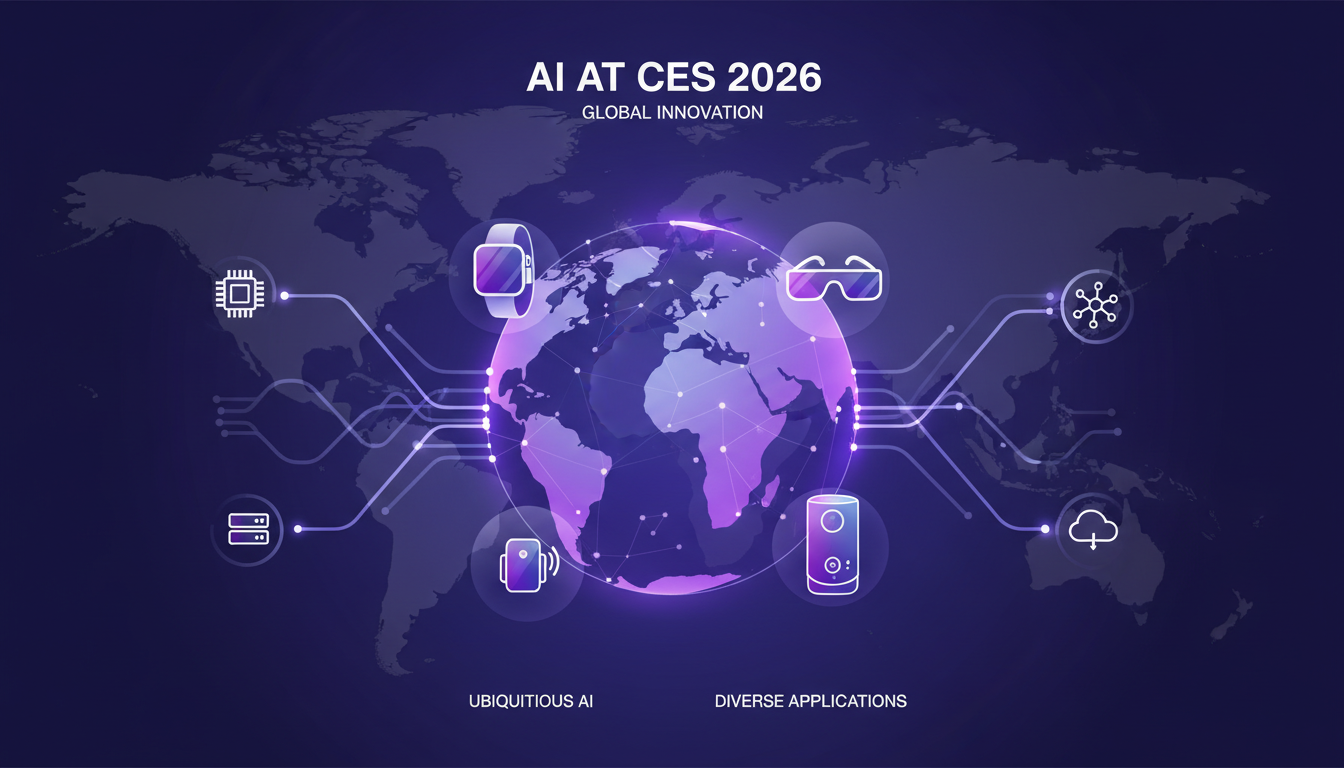
AI isn't just a standalone technology anymore; it's woven into our daily lives. Whether it's robots that follow your gaze or devices that anticipate your needs, AI has become omnipresent. But remember, this global presence also means navigating complex geopolitical landscapes. Global collaboration is crucial, but it also involves political and economic challenges that we can't ignore.
"AI is truly everywhere, and this ubiquity raises as many questions as it provides answers."
Government Involvement and Regulatory Challenges
Government presence was undeniable at CES, with discussions centered around AI's rapid integration and the pressing need for regulation. The debate over federal versus state regulation was intense. Currently, over 1,200 AI-related bills are being tracked at the state level, creating a chaotic legislative patchwork. It's a real headache for anyone trying to harmonize these disparate laws.
The presence of figures like FCC Chairman Brendan Carr underscores a desire for centralized standards, but without a federal consensus, the task is daunting. I noticed a growing push for federal standards to simplify AI policy, but beware, this can also stifle innovation if not executed carefully.
- Over 1,200 AI-related bills tracked at the state level
- Absence of a unified federal standard
- Push for federal standards
Acceleration of AI Advancements
The pace of AI is simply insane: it's moving three times faster than previous technological epochs. When I say it's a whirlwind, I'm not kidding. In 2026, we expect standardization issues to be as prevalent as ever, if not more. Agentic AI is on the horizon, promising to transform our perception of autonomy and decision-making.
But with this speed comes responsibility. Balancing innovation speed with ethical considerations is crucial. I've often seen teams rush to be first, at the expense of security or data privacy.
- AI moves three times faster than previous technologies
- Standardization issues expected in 2026
- Agentic AI: a revolution to watch
"Living on AI time is like being swept up in a fast current: exhilarating and dangerous at the same time."
AI in Products and Industries
I couldn't ignore how quickly AI is integrating into industries like automotive and consumer electronics. Autonomous vehicles and smart wearables are leading the charge. The implications are vast, affecting everything from logistics to personal health. I've seen firsthand how AI is driving efficiency and cost savings.
Autonomous cars, for instance, are no longer a futuristic vision but a tangible reality. This has a direct impact on the automotive industry, and the cost savings generated by AI are significant. But beware, don't overlook the security and privacy issues that come with it.
- Rapid AI integration in the automotive industry
- Notable effects on logistics and personal health
- Improved efficiency and cost reduction
Geopolitical Implications and AI Policy Evolution
AI development is not just a tech issue; it's a geopolitical one. Countries are vying for dominance, impacting global policies. The evolution of AI policy will shape innovation and competition. Navigating these waters requires strategic foresight and close collaboration.
Every country has its own approach, and this can complicate international collaboration efforts. But it's also an opportunity to create global standards that encourage innovation while protecting national interests.
- Global competition for AI dominance
- Impact on global policies
- Need for international standards
"Navigating the geopolitical landscape of AI is like playing chess on a global board."
At CES 2026, I really felt we were getting a peek into the future of AI. It's a world that's moving at a speed three times faster than anything we've ever seen. But watch out, it's not without its challenges. First, the diversity of AI technologies was impressive, but it means we need to ensure our approach remains inclusive. Next, the increasing government involvement presents regulatory challenges we can't ignore anymore. It's time to take these issues seriously if we want to keep innovating without being held back. Finally, the integration of AI into our everyday products is a game changer, but we need to be vigilant about the ethical implications. The future is promising, but navigating this landscape with caution is crucial. Let's keep pushing the boundaries, but remember the regulatory and ethical landscape as we innovate. To really dive into these trends, I suggest you watch the full video here: CES 2026: Reporting on the Future of AI Trends and Policy. It's worth it!
Frequently Asked Questions

Thibault Le Balier
Co-fondateur & CTO
Coming from the tech startup ecosystem, Thibault has developed expertise in AI solution architecture that he now puts at the service of large companies (Atos, BNP Paribas, beta.gouv). He works on two axes: mastering AI deployments (local LLMs, MCP security) and optimizing inference costs (offloading, compression, token management).
Related Articles
Discover more articles on similar topics
CES 2026: Innovation Unveiled at the Global Stage
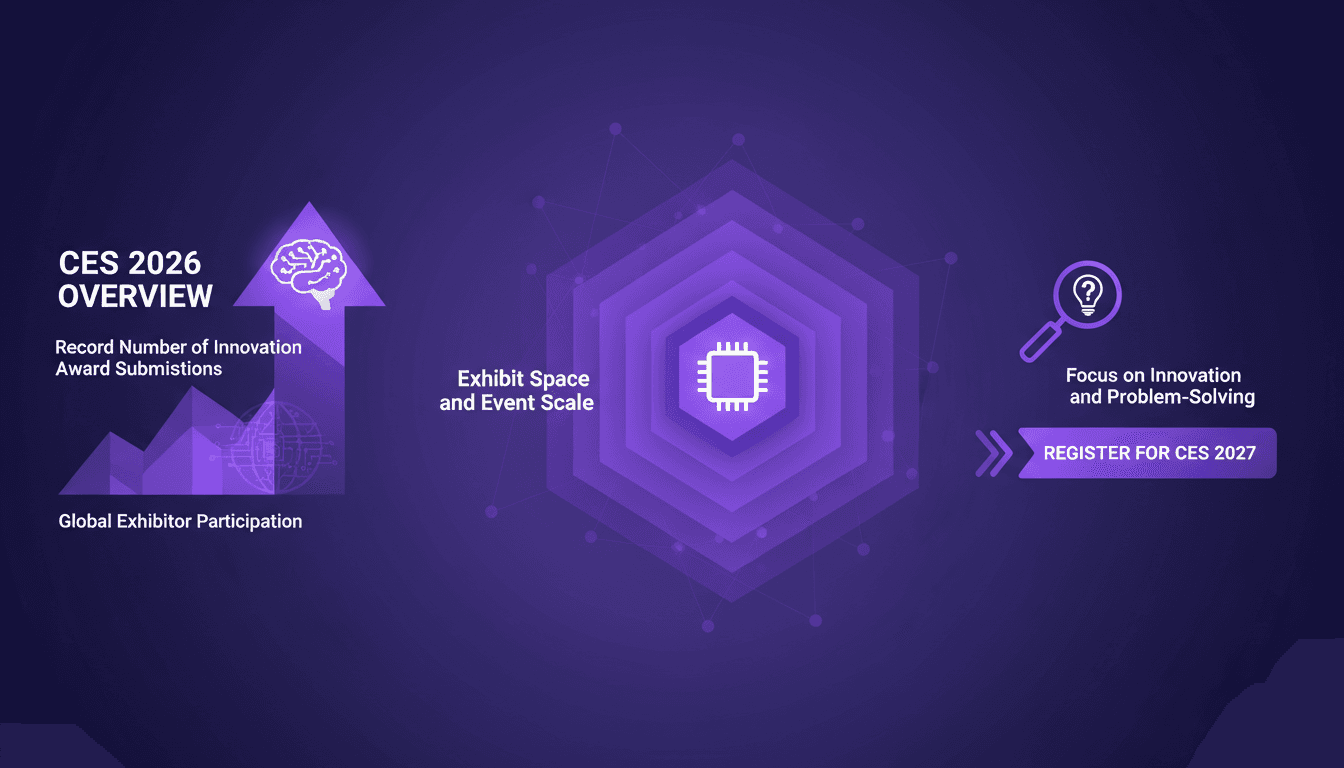
I walked into CES 2026 expecting the usual tech fanfare, but what I found was way more than just another show—it was a transformative experience redefining innovation. With a record number of Innovation Award submissions and a global exhibitor presence, this year's CES was truly a game-changer. Imagine thousands of exhibitors from around the world, all gathered to showcase how technology can solve real-world problems. And it's not just marketing hype. It's the reality of what I witnessed. If you haven't marked your calendar for CES 2027 yet, you're missing out on something potentially groundbreaking.
CES 2026 Tech Trends: How They're Changing Lives
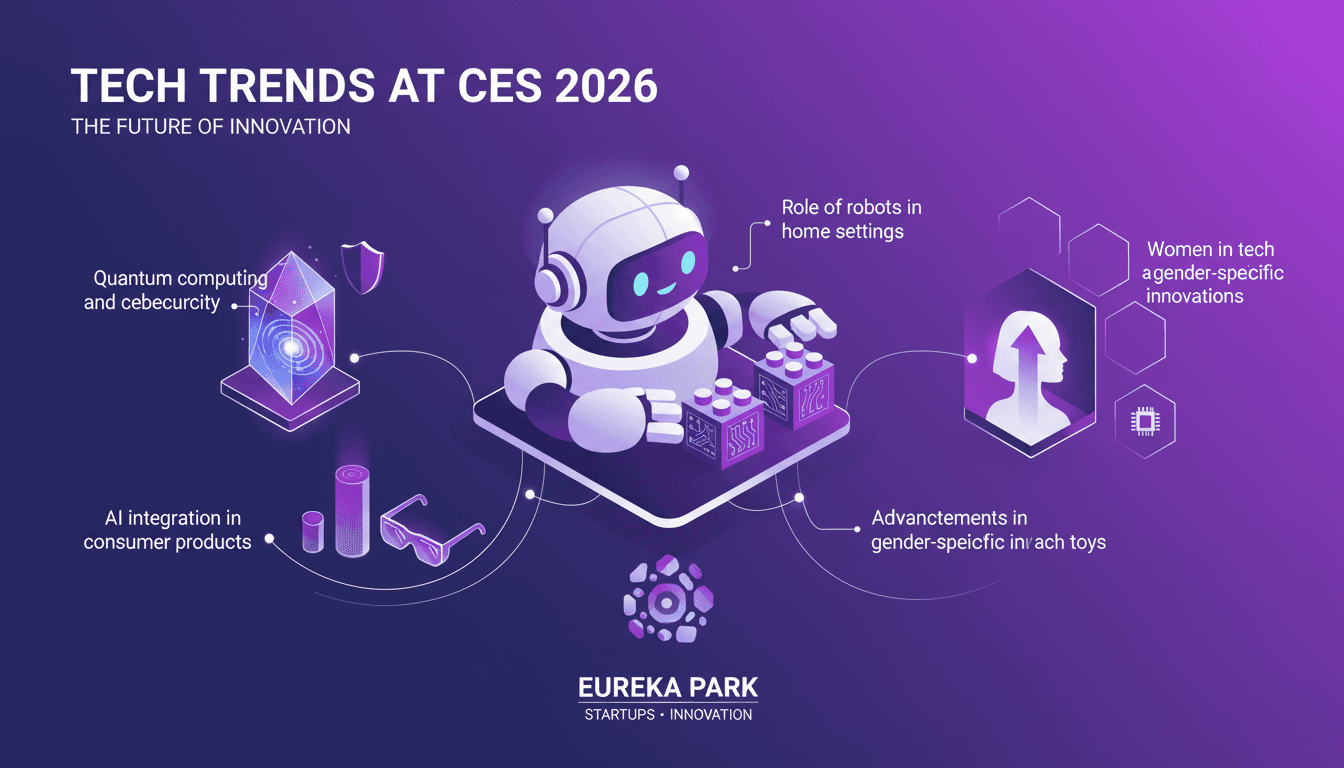
I've walked the 2.6 million square feet of CES 2026, and let me tell you, this year's tech is set to redefine our daily lives. From humanoid robots to quantum computing, the future is now, and I'm here to break it down for you. What I've seen isn't just sci-fi fantasy; it's practical tech making its way into our homes. Tech trends are no longer abstract concepts but practical tools reshaping how we live and work. Let's talk about robots in our homes, children's tech toys that truly spark imagination, and AI integration in consumer products. And don't overlook the importance of Eureka Park for startups, it's where the real magic happens for newcomers. These innovations, I've seen firsthand, will soon be integral to our everyday lives.
Building AI Agents: Challenges and Solutions
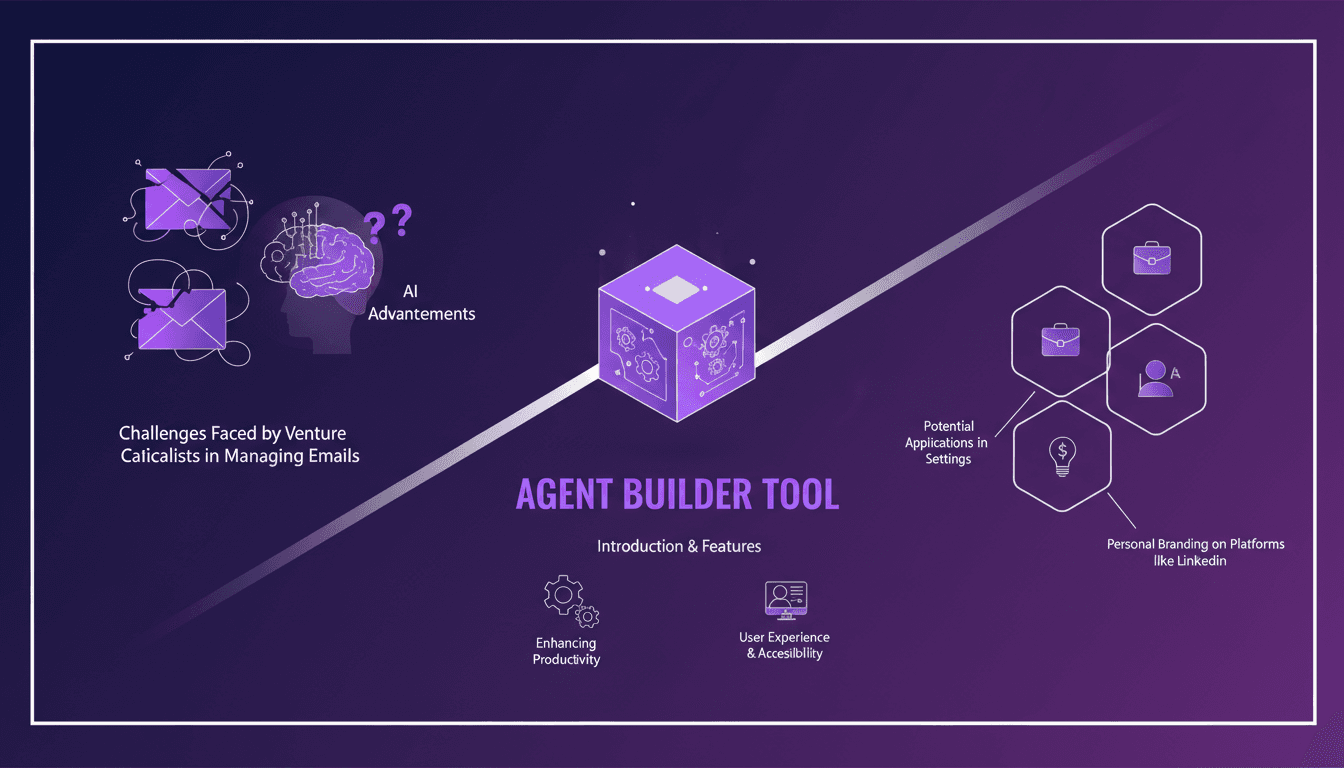
Knee-deep in the venture capital world, my inbox is a nightmare of endless emails. Seriously, it's brutal. Then I stumbled upon the LangSmith Agent Builder, and it's been a game changer. Picture a tool that automates and streamlines your daily tasks, freeing up time for what truly matters. But watch out, don't get too carried away; there are limits you need to know. For instance, beyond 100K tokens, things get tricky. Still, amidst the daily grind, this tool is a breath of fresh air. It not only boosts your productivity but also strengthens your LinkedIn presence. In short, it's a must-have for us venture capital professionals.
Heat and Physical AI: Revolutionizing Robotics
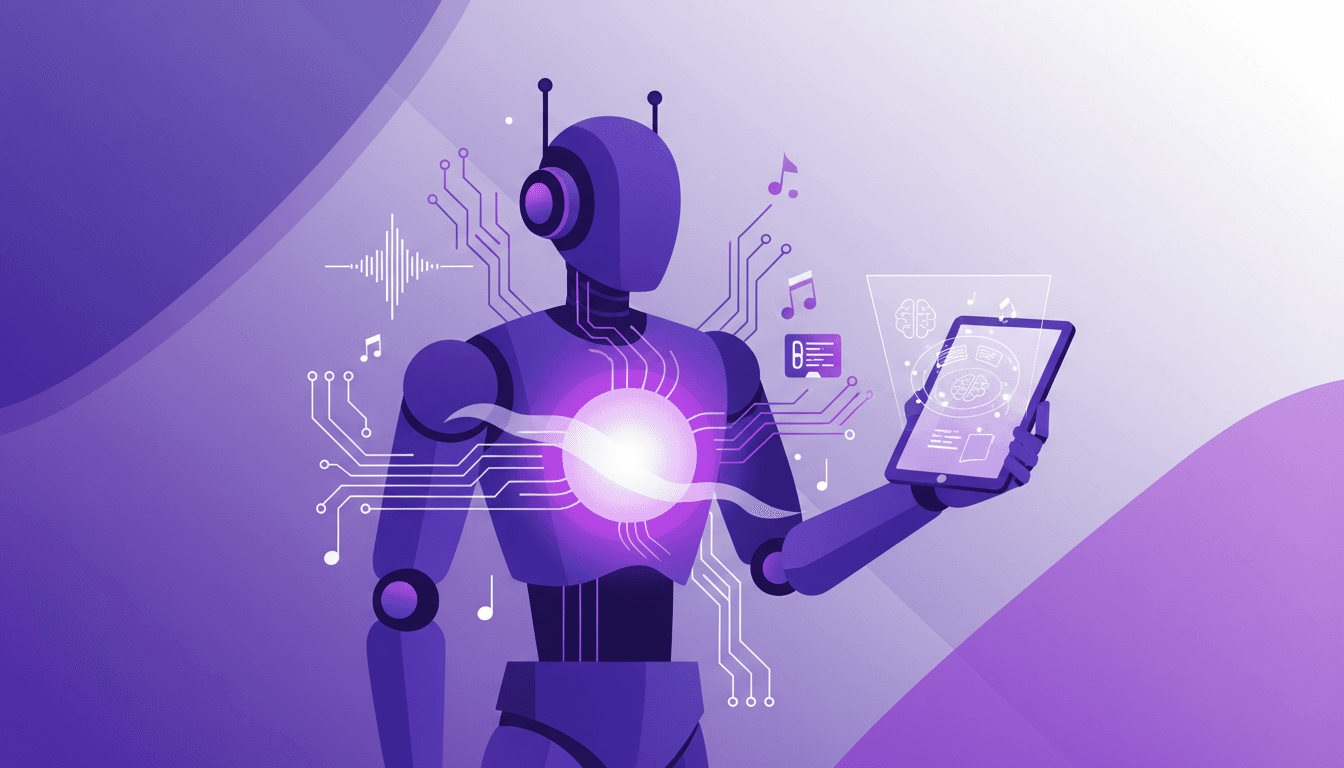
The first time I realized that heat wasn't just a byproduct in robotics but a central theme, it was a game changer. I understood that heat is a tool, a lever to be exploited. In this article, I'll show you how we harness heat in Physical AI, integrate music for engagement, and why energy concepts are critical in modern robotics. We're talking about a true revolution with Physical AI at the core of our robots, and believe me, managing heat is an art. You'll discover how these often overlooked creative approaches are transforming the way we design robotics.
Rapid Innovation: How AI Transforms Businesses
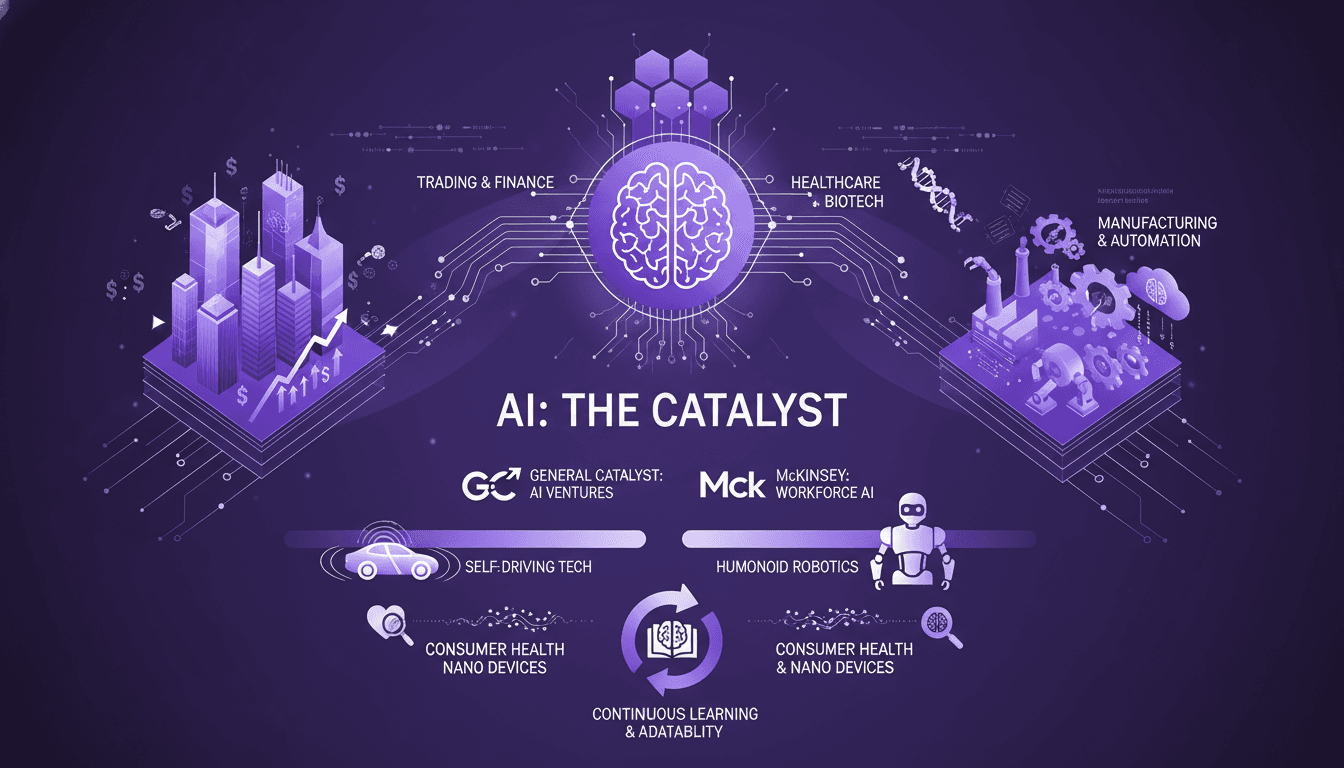
I just got back from CES 2026, and let me tell you, the pace of innovation hit like a freight train. The conversations weren't just about tech; they were about transforming entire industries. AI is at the heart of this revolution, reshaping the industrial landscape. McKinsey is planning a 25% increase in client-facing personnel next year, a clear sign that things are shifting. Curious about how these changes impact our daily work? Read on to discover how AI, healthcare, and robotics are redefining our professions.