Making Music Accessible: Tactus in Action
I've always believed that music is a universal language. But what if you can't hear it? That's where Tactus Garment Technology steps in. Picture experiencing a symphony through vibrations. With Tactus, we transform low frequencies into palpable rumbles and highs into tactile details. Thanks to real-time processing, we enable a seamless interaction between music and feeling. Let me show you how we're making music accessible to everyone.
I've often wondered how music, this supposedly universal language, could be accessible to those who can't hear it. Then, I discovered Tactus Garment Technology. Picture this: you're at a concert, the bass rumbles under your feet, the highs tickle your arms, all enabled by real-time processing technology. That's what Tactus does. By converting sound frequencies into vibrations, we make music tangible. And it's not just a concept—it's a revolution in musical experience. I'll walk you through how we achieve this, step by step, overcoming technical challenges and optimizing sensory interaction at concerts. So, if you're curious about how we're breaking down the barriers of music accessibility, stick around.
Understanding Tactus Garment Technology
Have you ever heard of Tactus? It's more than just a piece of clothing. Imagine a garment that not only dresses you but also connects you directly to music. Tactus is a wearable technology designed to transform music into vibrations, offering a novel way to experience music, especially for the deaf community. By integrating with music sources, this garment hooks straight into your favorite tunes while ensuring real-time processing for immediate feedback.
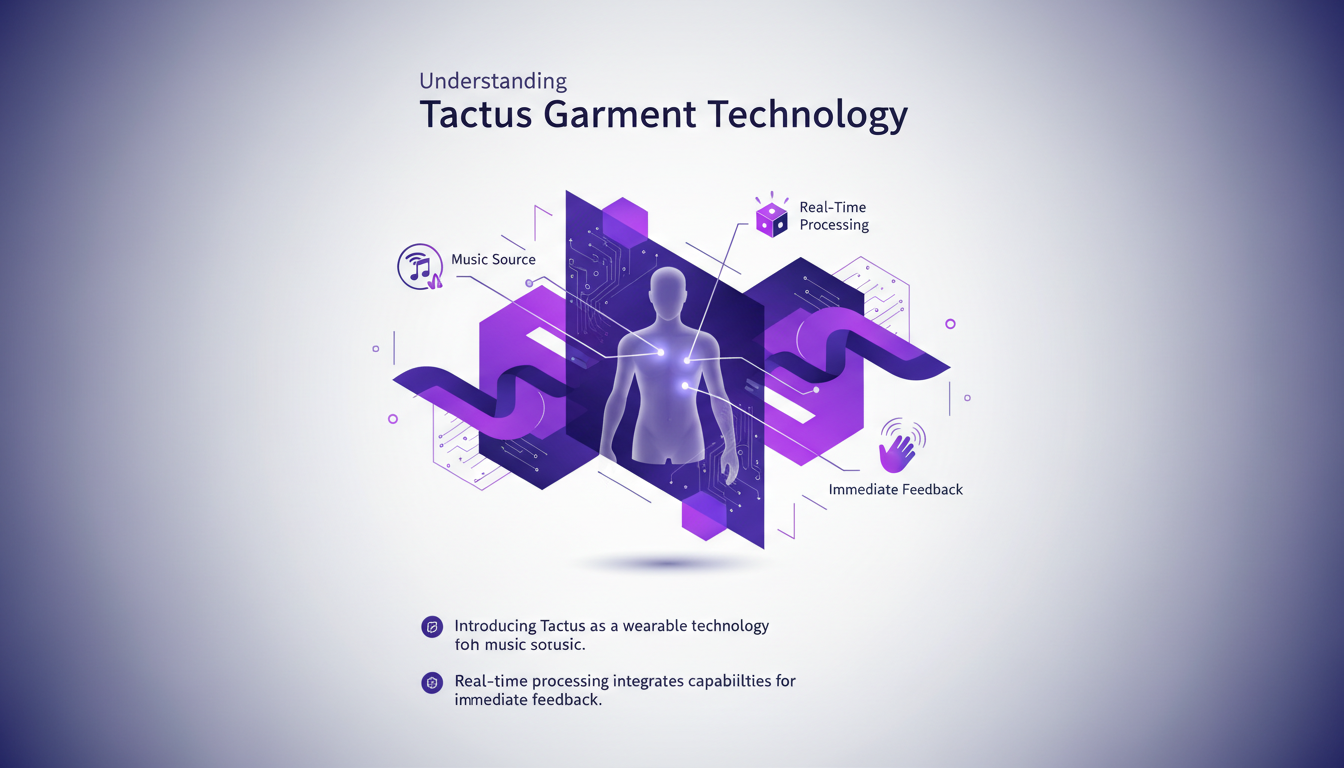
The core process hinges on converting frequencies into vibrations using transducers. These components embedded in the garment transform sounds into tactile sensations. This is genuine tech magic where every musical frequency, from deep bass to subtle highs, is felt on the skin.
Real-time Processing: The Heartbeat of Tactus
To keep the musical experience smooth, real-time processing is crucial. Imagine being at the heart of a concert and feeling every note without any delay. That's exactly what Tactus delivers. Low frequencies are converted into powerful vibrations, making every rumble come alive. As for the mid and high frequencies, they provide detailed tactile feedback, enriching the music experience.
Staying in sync with live music is a challenge in itself. The trade-offs between processing speed and accuracy require careful orchestration. Sometimes, it's better to slow down the processing slightly to ensure each vibration is perfectly aligned with the live music being played.
Experiencing Music Through Vibrations
For those who can't hear, vibrations are a revelation. They make music tangible, almost palpable. Low frequencies create deep rumbles, while the details of mid and high frequencies add a different dimension. However, it's important to note that not all musical nuances can be conveyed. Hence, there's a need to balance the intensity of vibrations with user comfort.
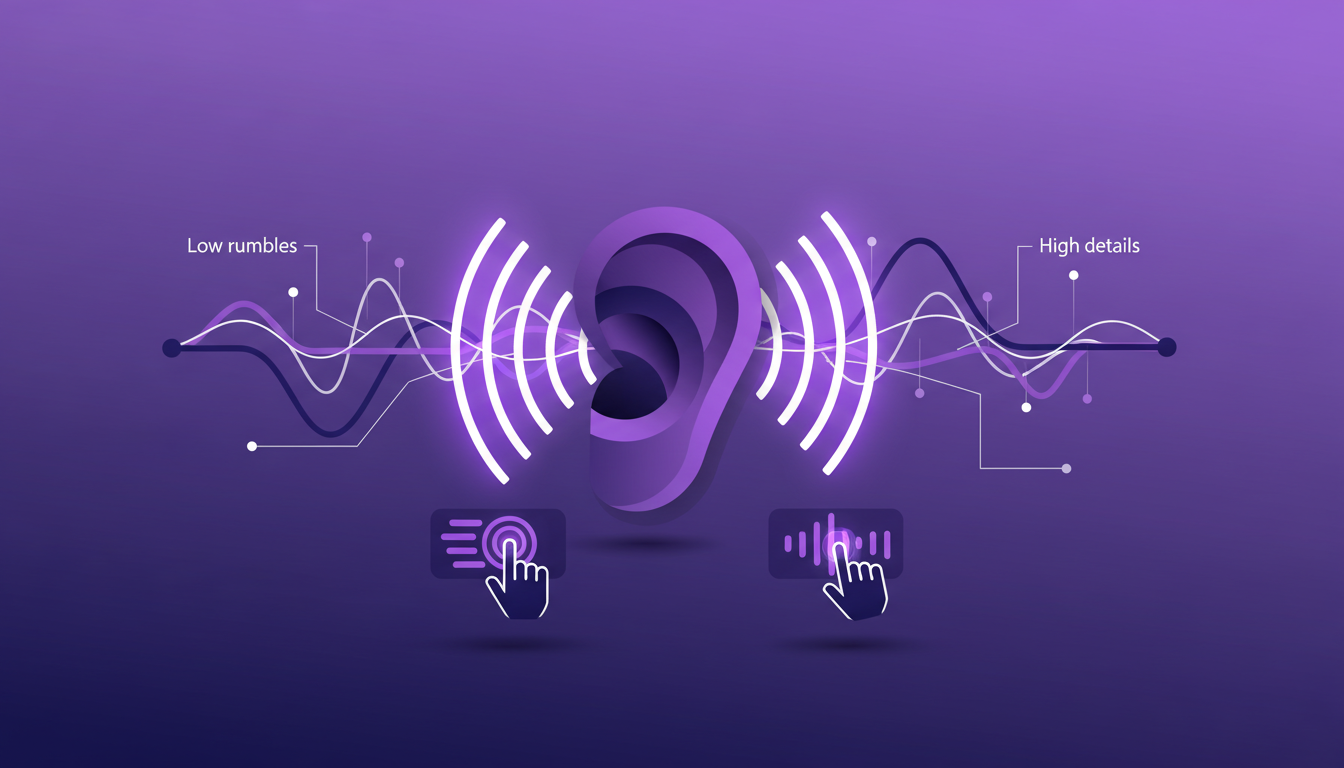
User feedback shows a gradual adaptation to different music genres. Some prefer softer vibrations for classical music, while others opt for more intense sensations with rock or electronic music.
Enhancing Live Concerts for the Deaf
Integrating Tactus into live concert setups is a game changer. Imagine being in the crowd, feeling every note, and experiencing an inclusive musical environment. Real-time adjustments to accommodate the dynamics of live music are crucial. Of course, this requires impeccable technical coordination.
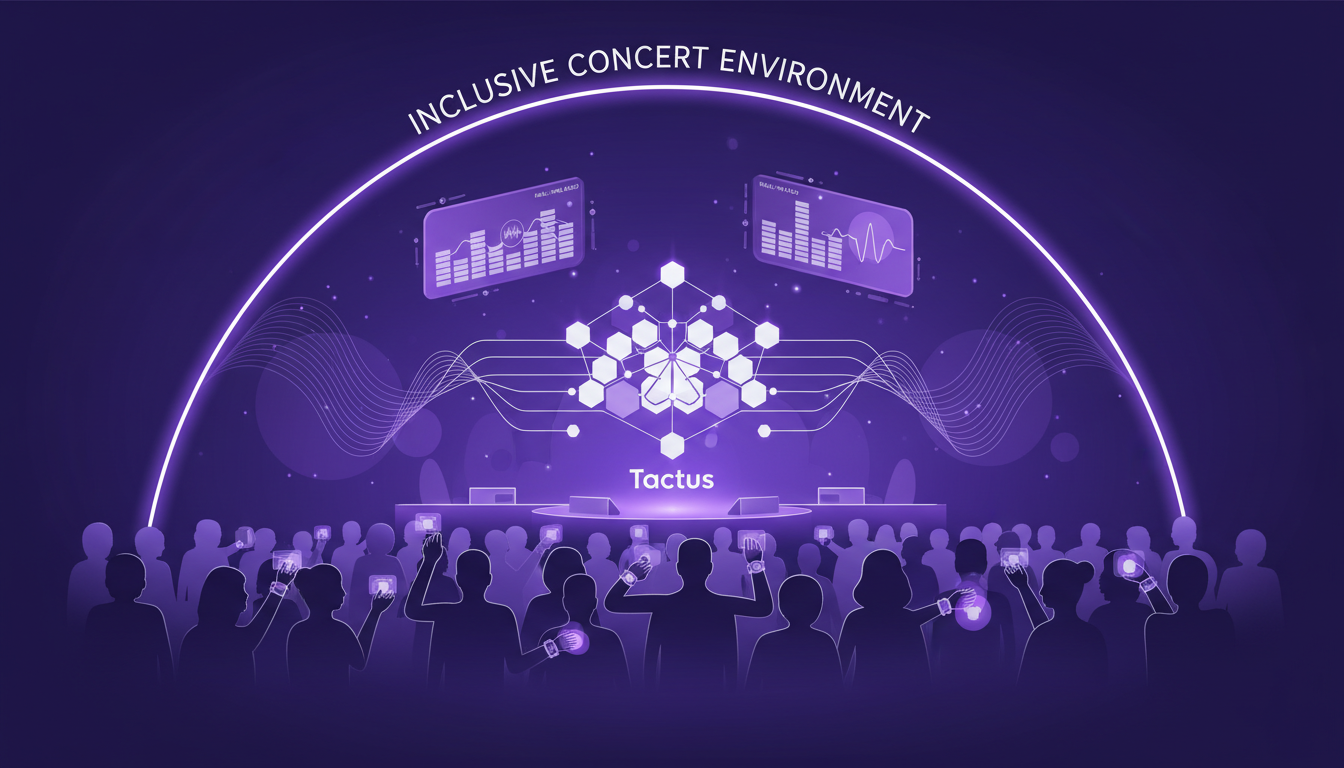
Success stories show how Tactus technology has enabled users to experience concerts differently. These experiences demonstrate that with proper implementation, music can be accessible to all.
The Broader Impact of Accessibility Technology
By changing perceptions of music accessibility, Tactus paves the way for numerous potential applications beyond music. Its use in theater or even cinema can be envisioned. However, it's crucial to consider the cost implications and scalability of this technology.
In the future, with the evolution of wearable technologies, we might see even more innovative developments. The challenge lies in finding the right balance between innovation and user-centered design to ensure these technologies remain accessible to all.
As I've often seen, it's essential not to get carried away with technological enthusiasm without considering the real needs of users. Technologies like Tactus show how tech can genuinely transform people's lives, but watch out not to overuse it.
For more on similar innovations, you can check out our article on embedding sensors in clothing or read about how Tactus makes music more accessible.
With Tactus Garment Technology, I'm not just talking about a tool, but a genuine bridge to a world where everyone can experience music. Think about it: converting sound into tactile vibrations, we're redefining accessibility. Here are some key takeaways:
- Real-time processing enhances the music experience for the deaf community.
- Low frequencies turn into vibrations, letting you feel the rumble.
- Highs and mids convert to vibrations, letting you feel the details in music. Overall, it's a game changer for making music accessible, but remember there are always limits when adapting frequencies. I'm genuinely excited about the future of this technology. Imagine the innovation and inclusion possibilities it opens up! I invite you to explore Tactus and see how you can make music accessible too. Watch the full video "Making Music Accessible to Everyone" on YouTube for a deeper dive: https://www.youtube.com/watch?v=Bjr84Bvl3Hs.
Frequently Asked Questions

Thibault Le Balier
Co-fondateur & CTO
Coming from the tech startup ecosystem, Thibault has developed expertise in AI solution architecture that he now puts at the service of large companies (Atos, BNP Paribas, beta.gouv). He works on two axes: mastering AI deployments (local LLMs, MCP security) and optimizing inference costs (offloading, compression, token management).
Related Articles
Discover more articles on similar topics

Fastest TTS on CPU: Voice Cloning in 2026
I remember the first time I tried running a text-to-speech model on my consumer-grade CPU. Slow, frustrating, like being stuck in the past. But with the TTH model, everything's changed. Imagine achieving lightning-fast TTS performance on regular hardware, with some astonishing voice cloning thrown in. In this article, I guide you through this 2026 innovation: from technical setup to comparisons with other models, and how you can integrate this into your projects. If you're a developer or just an enthusiast, you're going to want to see this.
Health Tracking: Embed Sensors in Clothing
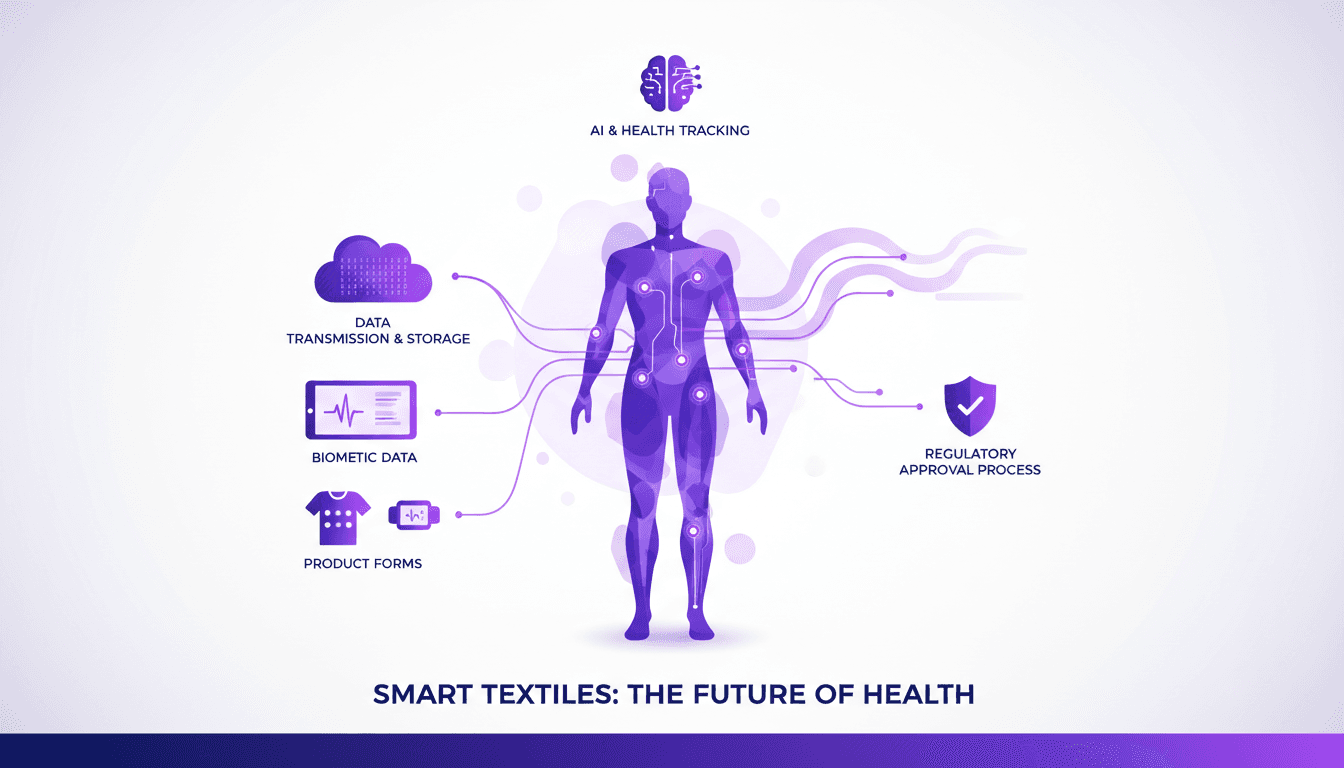
I remember the first time I stitched a sensor into a shirt. It felt like science fiction. Today, we're turning everyday clothing into health-tracking devices. We're talking about smart textiles that capture heart rate, temperature, and even respiration. I integrate these sensors directly into the fabric, ensuring the biometric data is properly transmitted and stored. But watch out, embedding these technologies into clothing isn't without its challenges. Orchestrating regulatory approval and ensuring these products perform in real life is crucial. Let me share how we're turning this concept into a practical reality.
Freeing Mom: Planning Her Retirement
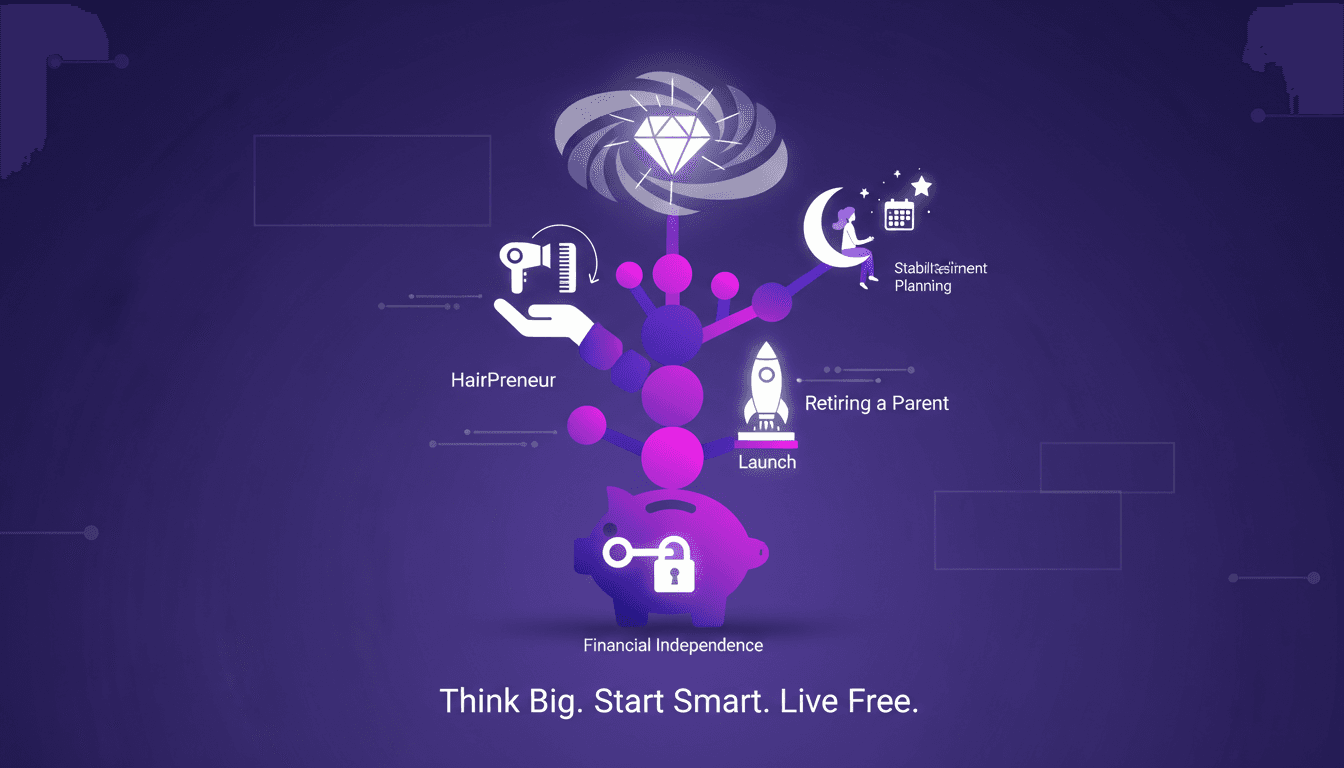
I've always wanted to give my mom the freedom she deserves. So, I embarked on a journey to make that happen by planning her retirement through financial independence. By leveraging the hair industry as a business opportunity, I found that the key is strategic planning and entrepreneurial thinking. In this article, I share how I tackled the challenge, from launching products to ensuring retirement stability. Retiring a parent isn't just a dream; it's a goal that's achievable with the right approach.
Reddit and SEO Strategies: Growing SaaS to $150K/Year
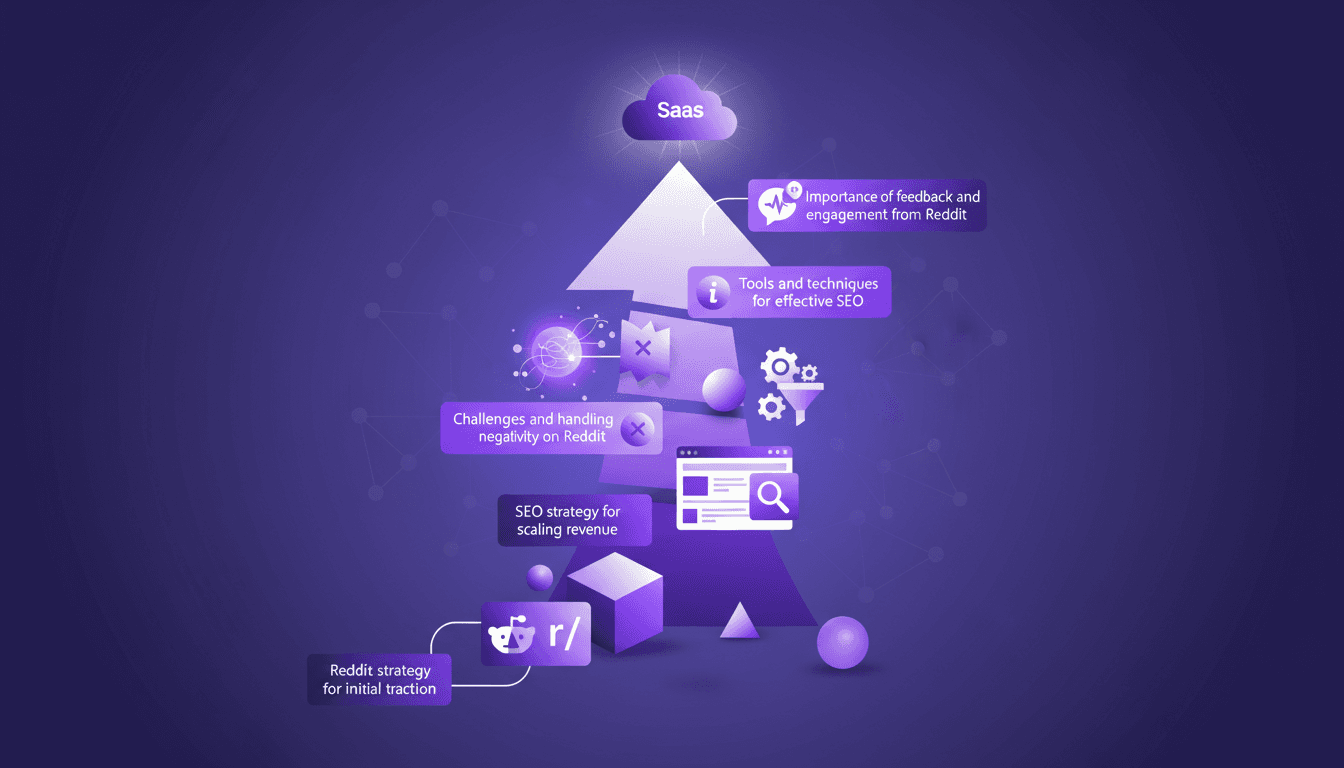
I took my SaaS from zero to $150K/year using Reddit and SEO. No magic, just a lot of trial and error, and a few key strategies that made all the difference. In this article, I'll walk you through how I leveraged Reddit for initial traction and SEO for scaling. I'll share the tools, techniques, and lessons learned along the way. You'll learn how to handle challenges and negativity on Reddit, and how an accidental support article led me to a winning SEO strategy.
Improving Education for Neurodivergent Kids
I've been in the trenches of educational reform for years, and if there's one thing I've learned, it's that dreams aren't just for sleeping. They're for waking up and making real, especially when it comes to improving education for neurodivergent kids. In this article, I walk you through one individual's journey from Brazil to the global stage, reshaping educational opportunities for these children. We'll break down the practical steps, challenges, and the sheer determination needed to make this dream a reality. It's a lesson in cultural impact and perseverance in educational reform.