Health Tracking: Embed Sensors in Clothing
I remember the first time I stitched a sensor into a shirt. It felt like science fiction. Today, we're turning everyday clothing into health-tracking devices. We're talking about smart textiles that capture heart rate, temperature, and even respiration. I integrate these sensors directly into the fabric, ensuring the biometric data is properly transmitted and stored. But watch out, embedding these technologies into clothing isn't without its challenges. Orchestrating regulatory approval and ensuring these products perform in real life is crucial. Let me share how we're turning this concept into a practical reality.
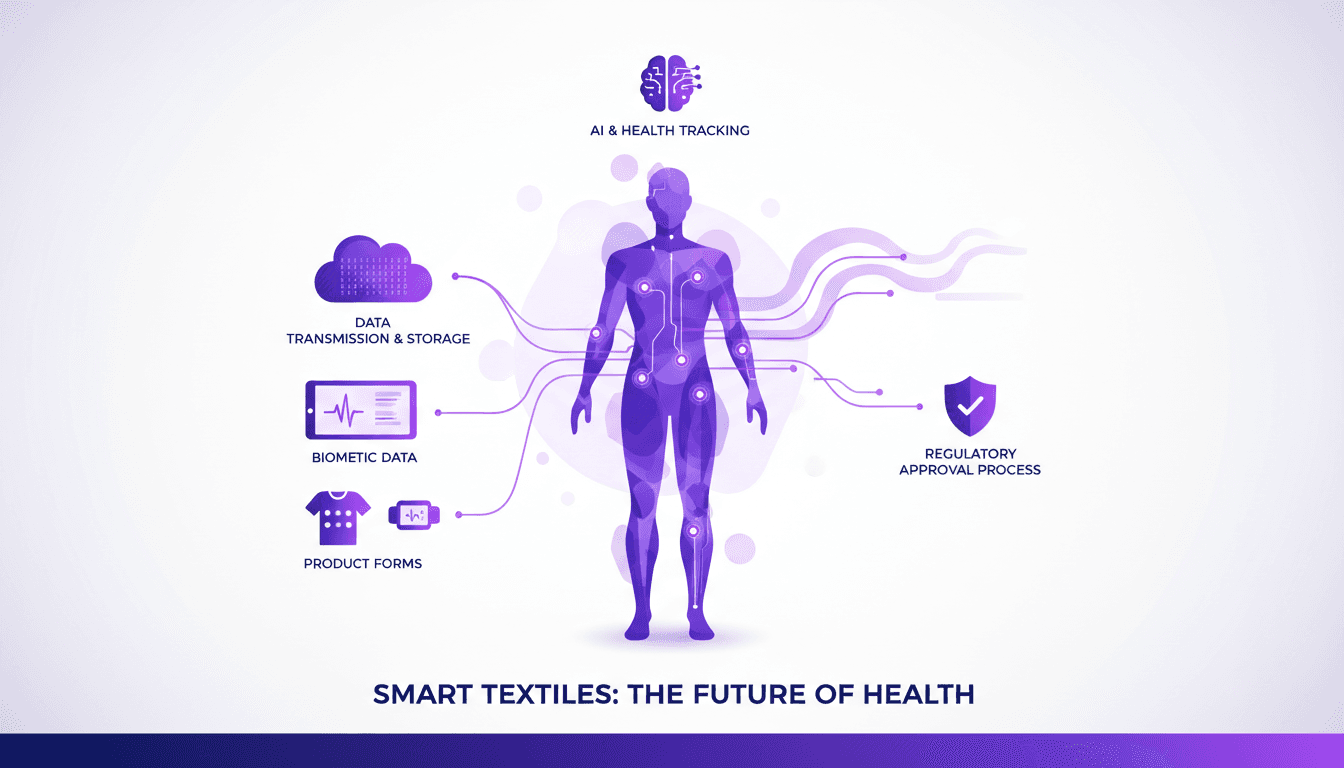
I remember the first time I stitched a sensor into a shirt. It felt like science fiction, but here we are, turning everyday clothing into health-tracking devices. Smart textiles are revolutionizing health monitoring by integrating sensors directly into fabric. But this isn't just theory—it's a practical, wearable solution. When I develop these smart textiles, I start by integrating sensors capable of capturing three leads of ECG, body temperature, and respiration. Then I ensure the biometric data is properly transmitted and stored, which is no small feat. And of course, there's the regulatory approval process to orchestrate, ensuring these innovations can be used safely and effectively. Let me walk you through how we make these smart garments not only possible but accessible in daily life.
Designing Smart Textiles: Where Tech Meets Fabric
When I first started integrating electronics into fabrics, it seemed like a daunting task. But that's where textile circuit boards (TCB) come into play. Think of them as flexible PCBs embedded within the fabric. At May, we've crafted circuits using fibers and yarns to capture biometrics directly from users. The key is integrating these components without compromising the comfort of the garment.
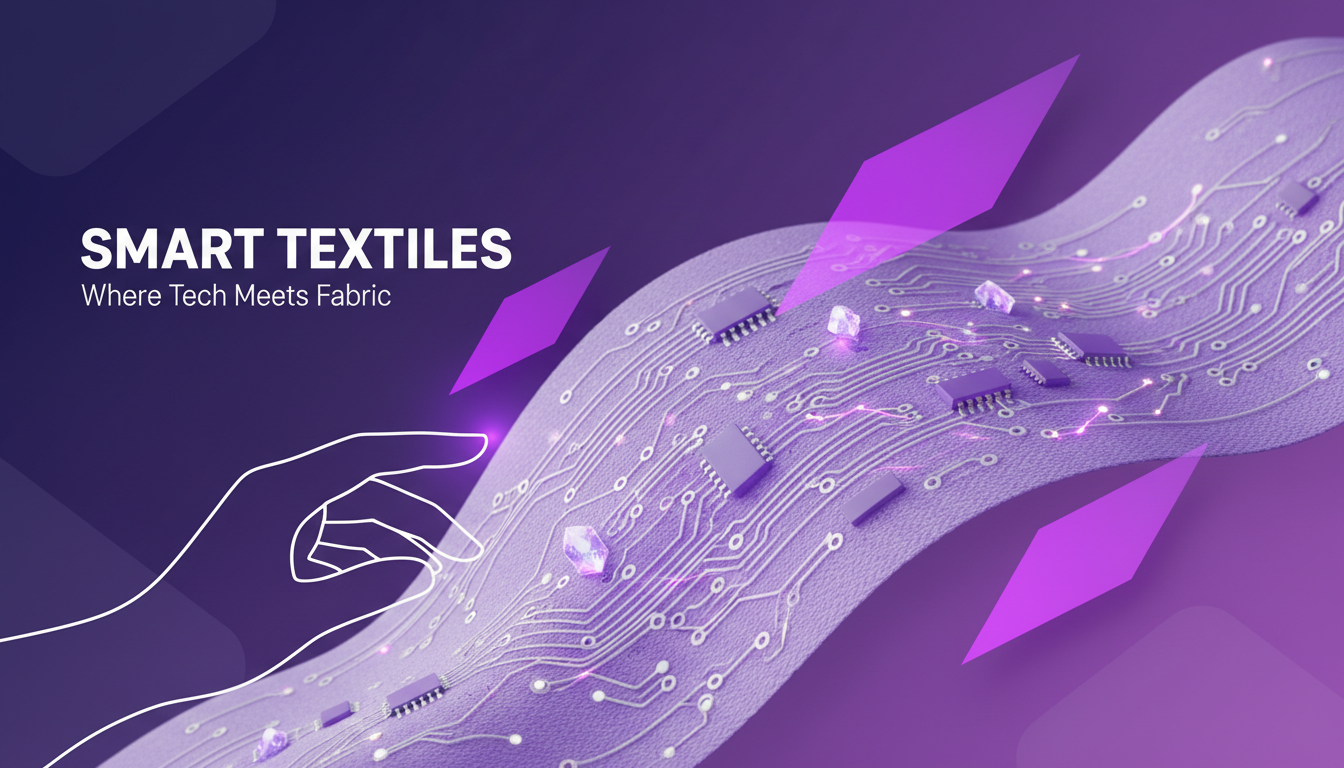
First, we select materials that can host electronic components. Then, we rigorously test durability. I've been burned more than once by skimping on this, and trust me, user feedback can be brutal. Integration needs to be invisible to the wearer, which is no small feat.
Capturing Biometric Data: Beyond the Basics
Our smart garments don't just track steps or pulse. No, they capture advanced biometric data like three-lead ECG, body temperature, respiration, and movement. Why three leads for ECG? Because it allows for truly comprehensive heart monitoring.
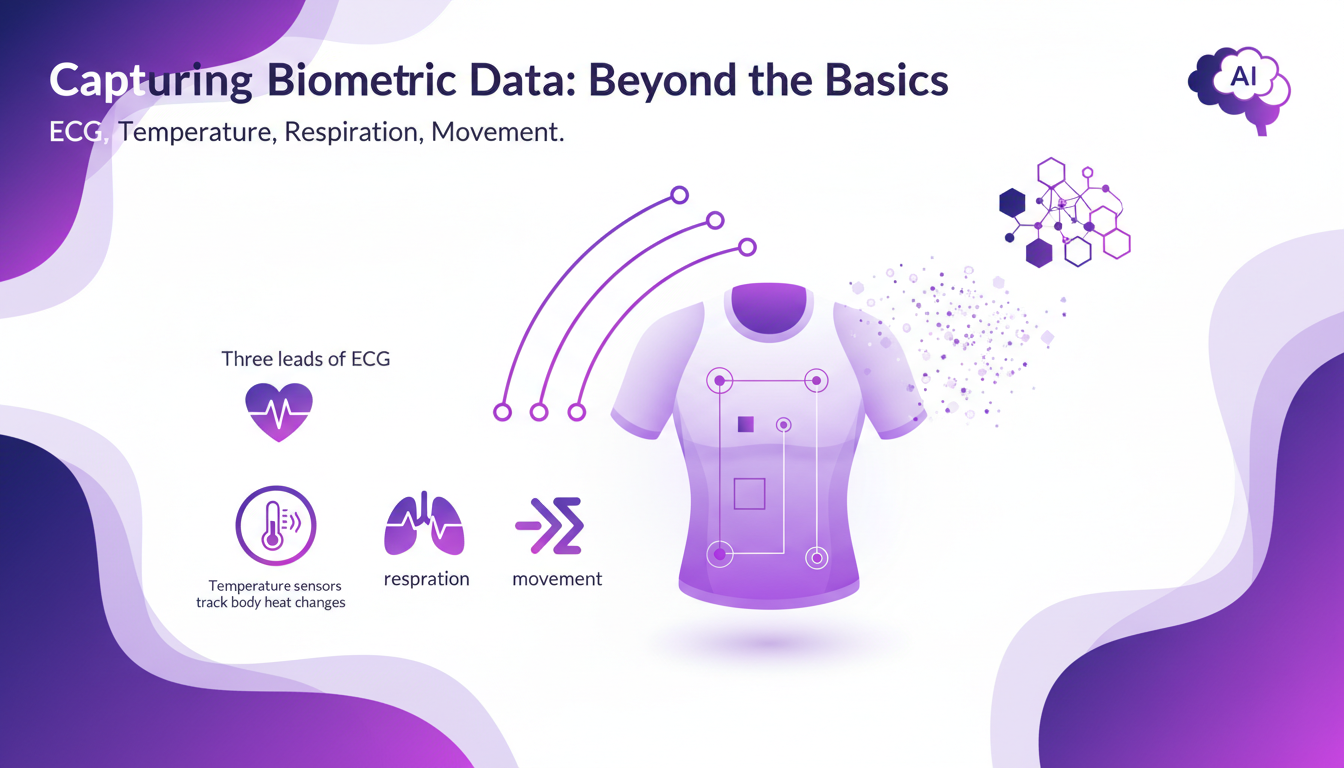
Calibrating each sensor meticulously is crucial. A calibration error, and the entire detection algorithm goes haywire. I've spent hours on this step because data accuracy is paramount, especially when it concerns health.
From Garment to Medical Device: Navigating Classifications
Turning a garment into a medical device isn't a walk in the park. Our smart garments at May are classified as Class 2 medical devices. This is serious business, requiring adherence to strict medical standards. Each product form—whether shirts, pants, or socks—presents unique challenges in sensor integration.
The hardest part is maintaining medical-grade accuracy while ensuring comfort. I've had to juggle these demands more than once, and finding the balance is a delicate act.
Data Transmission and Storage: Keeping It Secure
Biometric data is precious, and its security is paramount. At May, we transmit this data wirelessly to a secure cloud platform. We use encryption to protect sensitive health data, and that's non-negotiable.
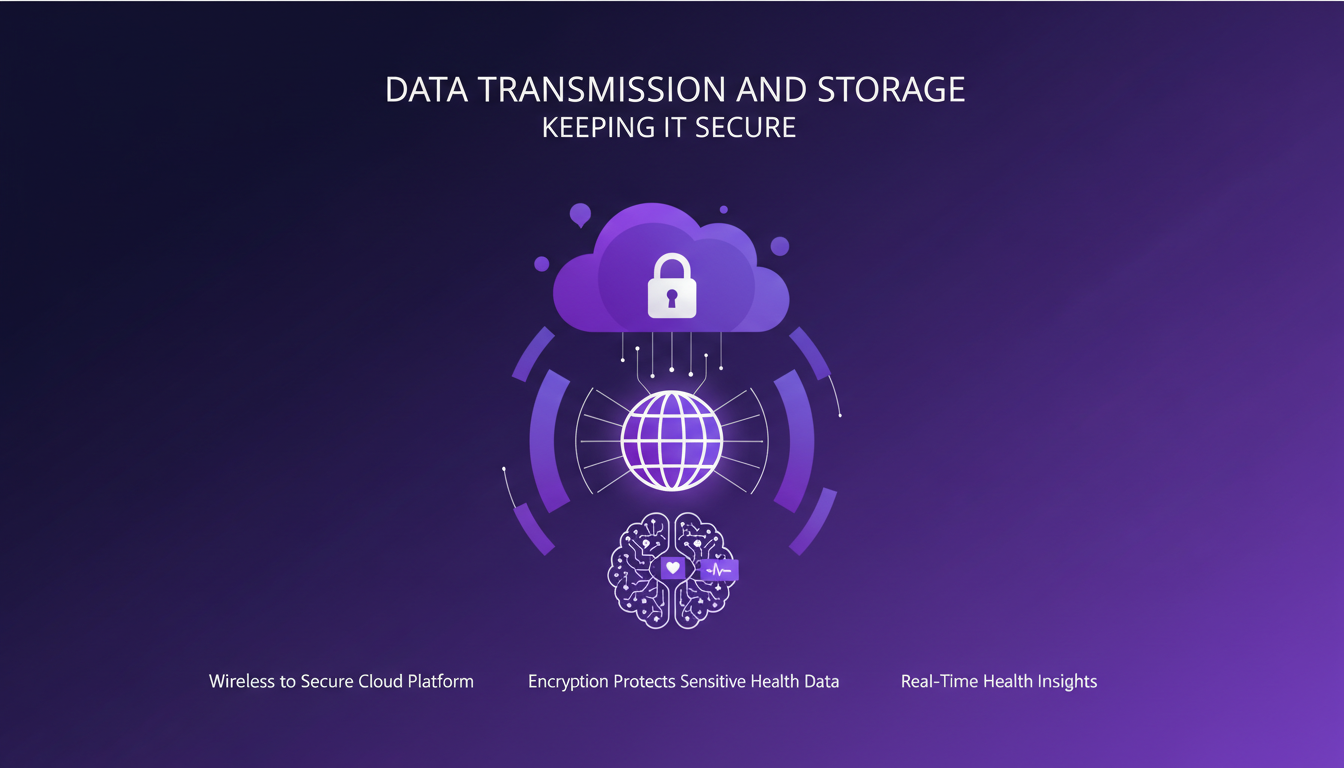
Data storage regulations vary by region, and compliance is a must. Sometimes, local storage offers the speed necessary for real-time alerts. I've learned not to underestimate this point after a few hiccups.
Regulatory Approval: Jumping Through Hoops
Getting regulatory approval is a real challenge. Each region has its own set of approval requirements, and navigating them takes both patience and expertise. At May, we conduct extensive testing to meet these standards, and it's not just a formality.
I can assure you that each step of the process is crucial because approval isn't just about ticking boxes; it's a commitment to consumer safety.
In conclusion, integrating technology into textiles is a complex but rewarding challenge. From material choices to sensor integration and navigating regulations, each step requires careful attention. But the payoff is huge, with significant impacts on users' health and well-being.
Improving Education for Neurodivergent Kids Transforming healthcare and fitness with AI powered next ...
Integrating health tracking into clothing isn't a walk in the park, but the benefits are obvious: real-time health data, unparalleled convenience, and improved patient outcomes. First, I integrate sensors into fabrics to capture three leads of ECG — a real game changer for cardiac monitoring. Then, I ensure we can also track temperature and respiration, which are crucial biometric indicators. But watch out, integrating tech into textiles can complicate manufacturing processes and affect garment durability. Looking ahead, the line between technology and textile will keep blurring, paving the way for amazing innovations. Ready to explore smart textiles? Let's dive in and transform how we think about clothing and health. For a deeper dive, check out the full video: Health Tracking in Your Clothing.
Frequently Asked Questions

Thibault Le Balier
Co-fondateur & CTO
Coming from the tech startup ecosystem, Thibault has developed expertise in AI solution architecture that he now puts at the service of large companies (Atos, BNP Paribas, beta.gouv). He works on two axes: mastering AI deployments (local LLMs, MCP security) and optimizing inference costs (offloading, compression, token management).
Related Articles
Discover more articles on similar topics
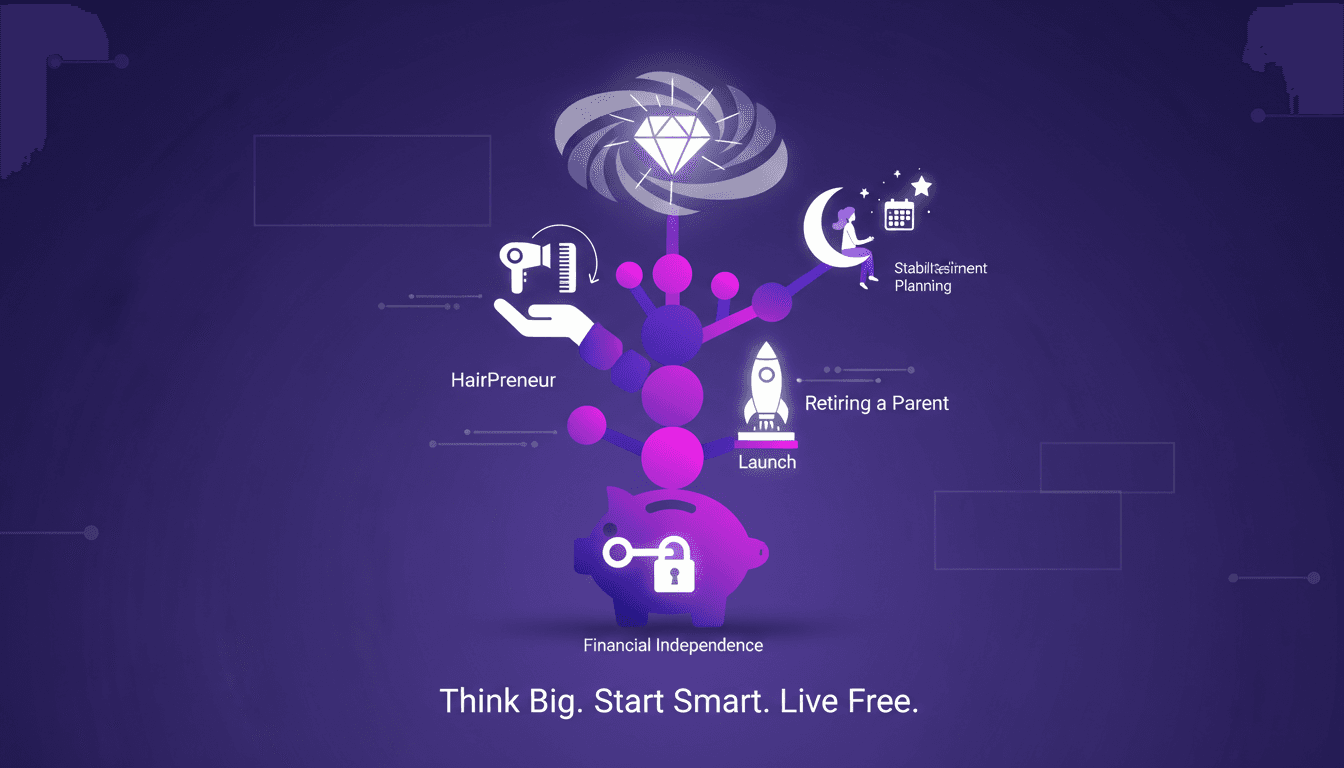
Freeing Mom: Planning Her Retirement
I've always wanted to give my mom the freedom she deserves. So, I embarked on a journey to make that happen by planning her retirement through financial independence. By leveraging the hair industry as a business opportunity, I found that the key is strategic planning and entrepreneurial thinking. In this article, I share how I tackled the challenge, from launching products to ensuring retirement stability. Retiring a parent isn't just a dream; it's a goal that's achievable with the right approach.

Reddit and SEO Strategies: Growing SaaS to $150K/Year
I took my SaaS from zero to $150K/year using Reddit and SEO. No magic, just a lot of trial and error, and a few key strategies that made all the difference. In this article, I'll walk you through how I leveraged Reddit for initial traction and SEO for scaling. I'll share the tools, techniques, and lessons learned along the way. You'll learn how to handle challenges and negativity on Reddit, and how an accidental support article led me to a winning SEO strategy.

Improving Education for Neurodivergent Kids
I've been in the trenches of educational reform for years, and if there's one thing I've learned, it's that dreams aren't just for sleeping. They're for waking up and making real, especially when it comes to improving education for neurodivergent kids. In this article, I walk you through one individual's journey from Brazil to the global stage, reshaping educational opportunities for these children. We'll break down the practical steps, challenges, and the sheer determination needed to make this dream a reality. It's a lesson in cultural impact and perseverance in educational reform.
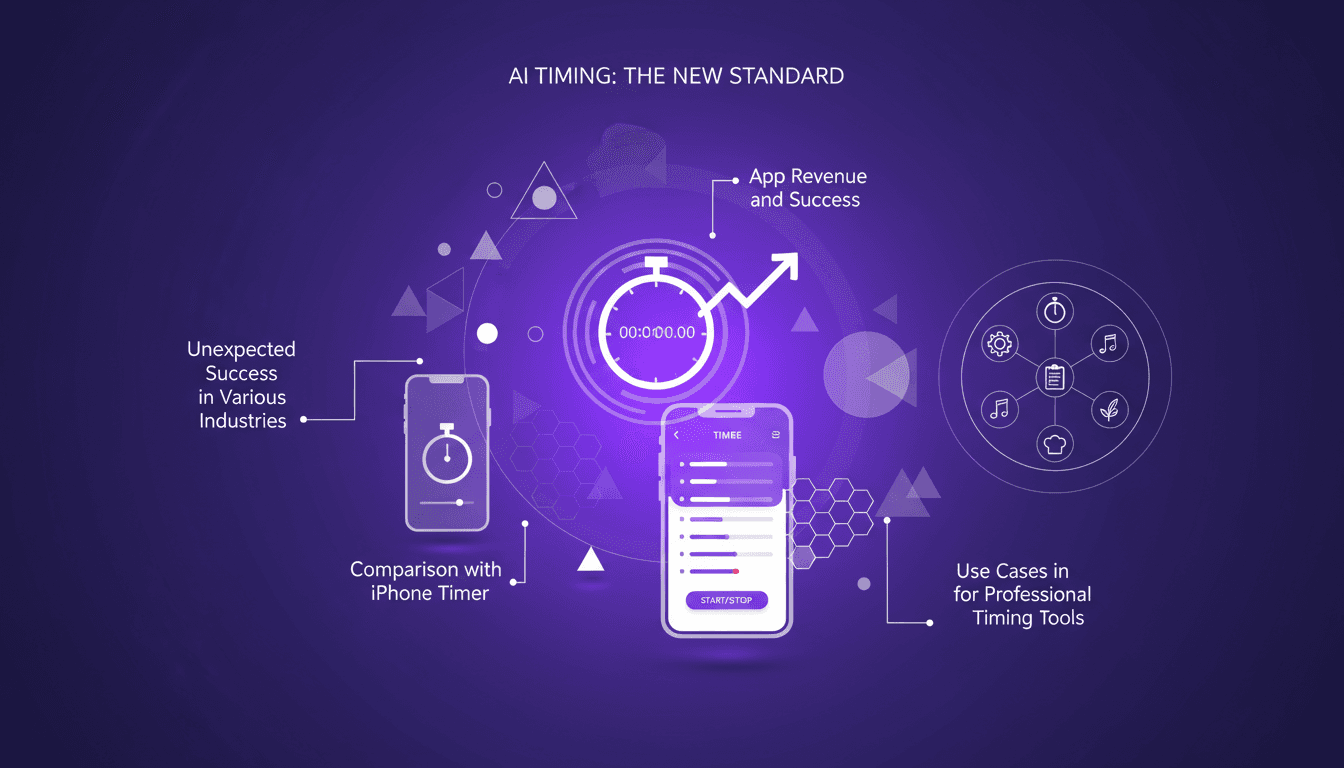
Generating $25K/Month with a Timing App
I laughed when I first saw this timing app. It seemed way too simple to be anything more than a side hustle. But then the developer hit me with the revenue numbers: $25,000 a month. That's when I stopped laughing and started listening. This seemingly basic app turned out to be a game-changer across various industries. Let's break down how such a simple idea could transform into a lucrative tool. Get ready to explore how a timing feature, which could have easily been overshadowed by the iPhone timer, made its mark thanks to an unexpected demand for precise timing tools.
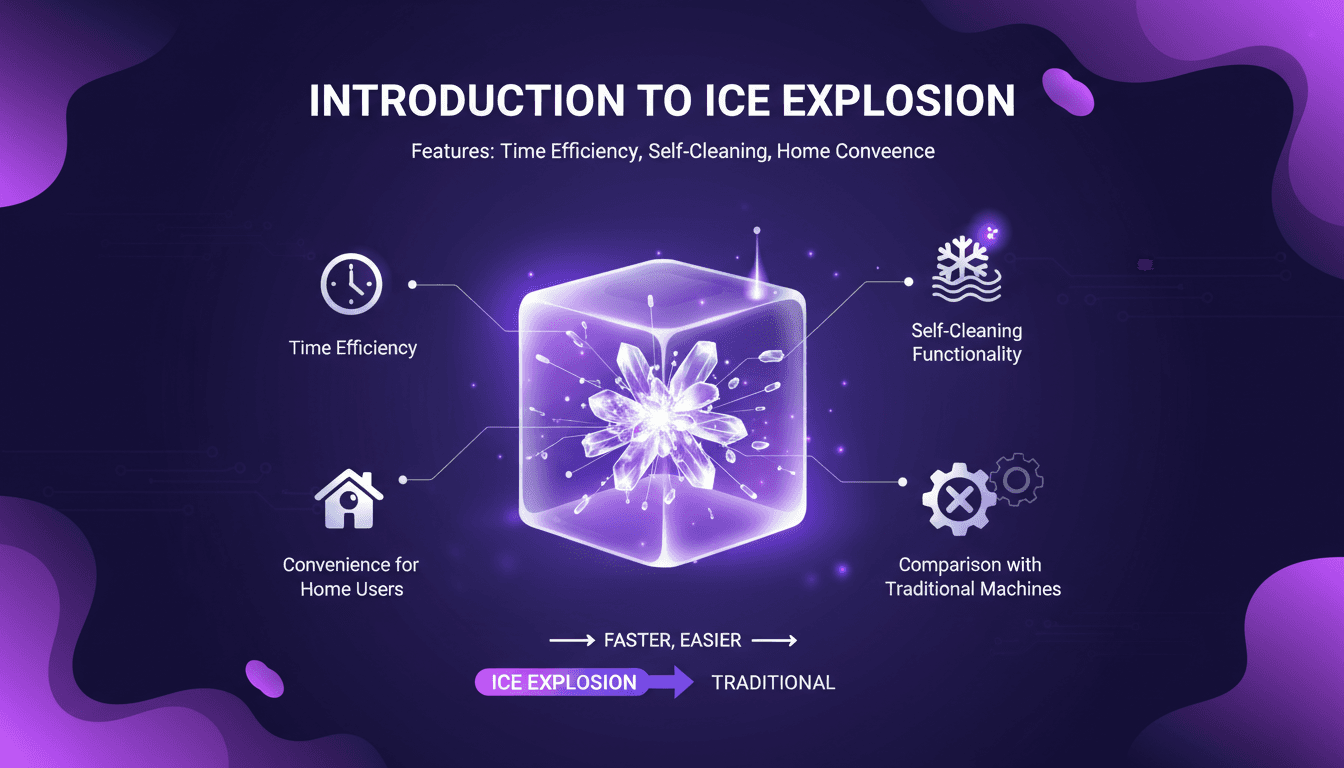
Ice Explosion: Quick Slushies in Minutes
I was skeptical at first, but once I got my hands on the Ice Explosion machine, I realized making slushies at home could actually be quick and hassle-free. In just two to four minutes, I can whip up frozen fizzy slushies, and the machine self-cleans in just one minute. Compared to traditional machines, the Ice Explosion is a game-changer for slushy lovers at home. Here's how I set it up and what you can expect.