Get Ready for 'Q-Day': Understanding the Inevitable
I've been in the trenches with quantum computing, and let me tell you, 2026 isn't just another year. It's when quantum computing stops being a future concept and becomes an unavoidable reality. If you're not ready, you're going to be left behind. With breakthroughs in quantum error correction and the looming 'Q-Day', it's time to understand the stakes and prepare your infrastructure. Error correction techniques, post-quantum cryptography standards, and industry impacts are no longer tomorrow's topics—they're today's reality. Classical computing now has to coexist with its quantum counterpart, and believe me, energy consumption and cooling are just the tip of the iceberg. Get ready, because 'Q-Day' waits for no one.
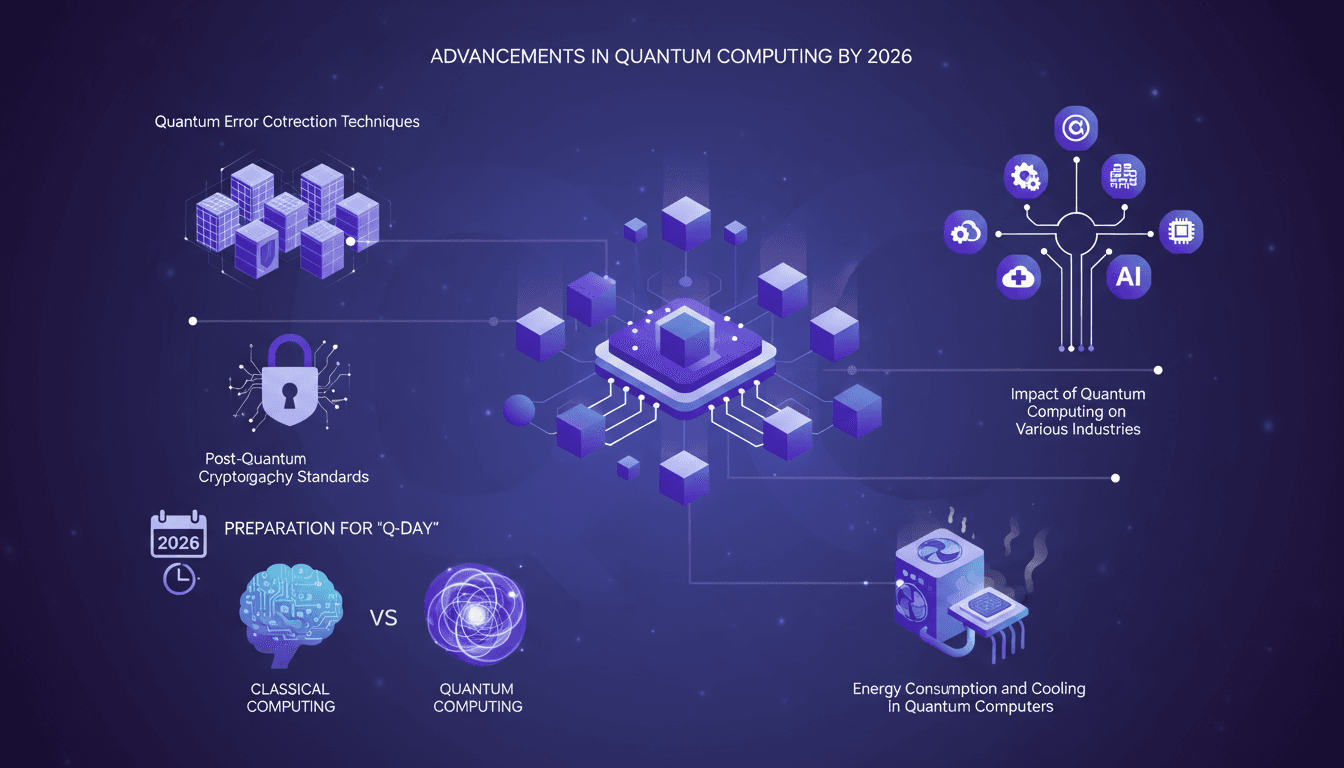
I've spent countless hours wrestling with quantum computing, and let me tell you, 2026 isn’t just another year. It’s the year quantum computing transitions from futuristic buzz to unavoidable reality. If you’re not ready, you’re going to get left behind. We hear a lot about 'Q-Day' and quantum error correction breakthroughs, but few realize the pressing need to prepare our infrastructures. I've seen how post-quantum cryptography standards could shake up our current systems. We’ve long assumed that coexisting with classical computing would be straightforward, but expect challenges, especially in energy consumption and cooling. Make no mistake, those who prepare now will sidestep many pitfalls later on.
Quantum Error Correction Breakthroughs: What You Need to Know
Quantum error correction is like a mythical beast that we thought was unreachable until Google came along with a major breakthrough. They've managed to reduce the logical error rate of their qubits — a real game changer. But watch out, it's not without its limits. Error correction is resource-hungry, requiring the orchestration of thousands of qubits to keep everything running. It's like juggling plates while cooking a three-course meal.
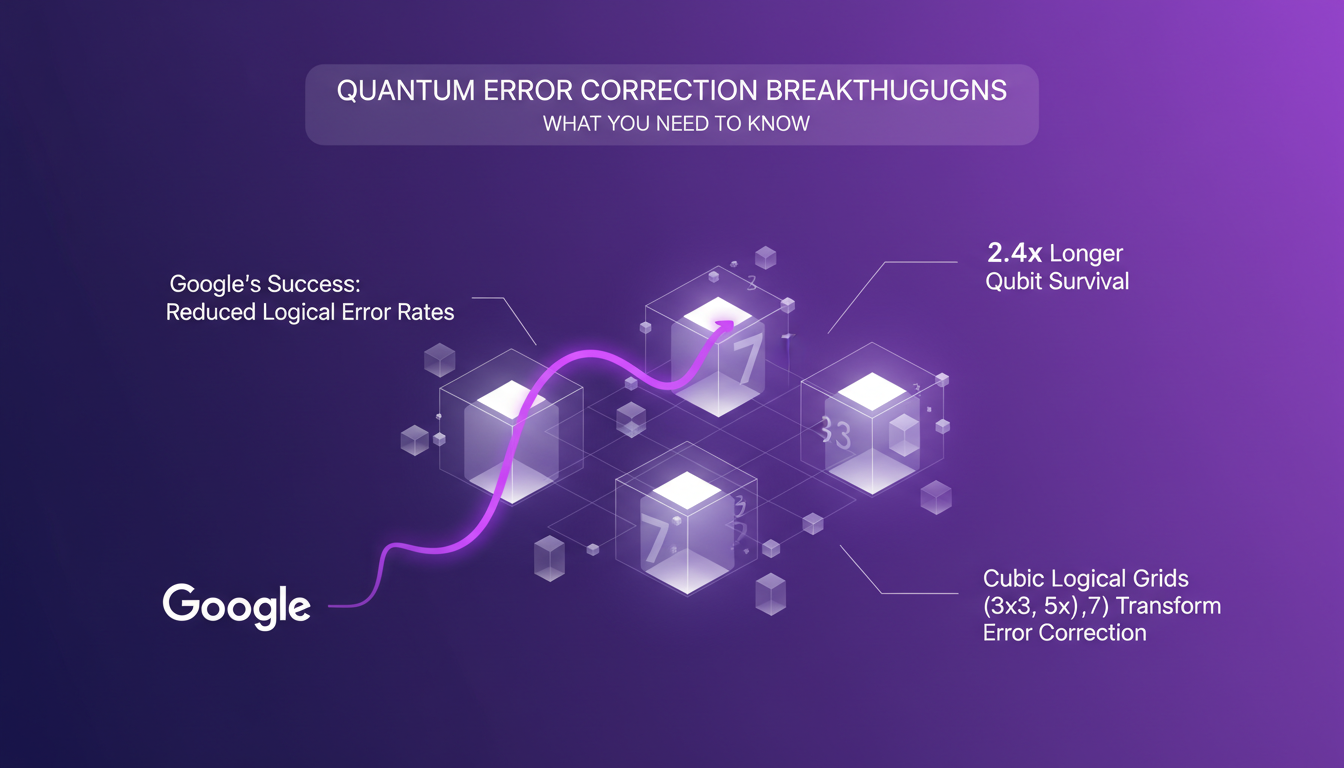
Cubic logical grids (3x3, 5x5, 7x7) are turning the tables. Google's logical qubits have a survival factor 2.4 times longer than physical qubits. This is concrete, well-engineered, not just theory. But don't forget, orchestrating all of this is like conducting a symphony with capricious musicians.
Post-Quantum Cryptography: Preparing for the Shift
Post-quantum cryptography is like an all-risk insurance for the future of your data. With NIST standards, we're gearing up for a world where RSA 2048 will be nothing more than a cardboard fortress against quantum computers. Think of your organization as a house; it's time to reinforce the foundations before the quantum storm arrives.
What does this mean concretely? First, assess your current systems. Then, plan the transition to quantum-resistant algorithms. It's like moving from horse-drawn buggies to automobiles, it changes everything, but it requires investment.
Be careful, it's not something you do with a snap of your fingers. New cryptographic standards aren't cheap or simple. You need to plan resources, both human and financial. It's a real strategic investment.
- Assess and audit your current infrastructure.
- Plan the transition to post-quantum algorithms.
- Train your teams on new security technologies.
Quantum vs. Classical Computing: A New Paradigm
Comparing quantum computing to classical computing is like comparing an airplane to a bicycle. Both have their uses, but don't expect one to replace the other overnight. Quantum computing promises revolutions, but not without challenges.
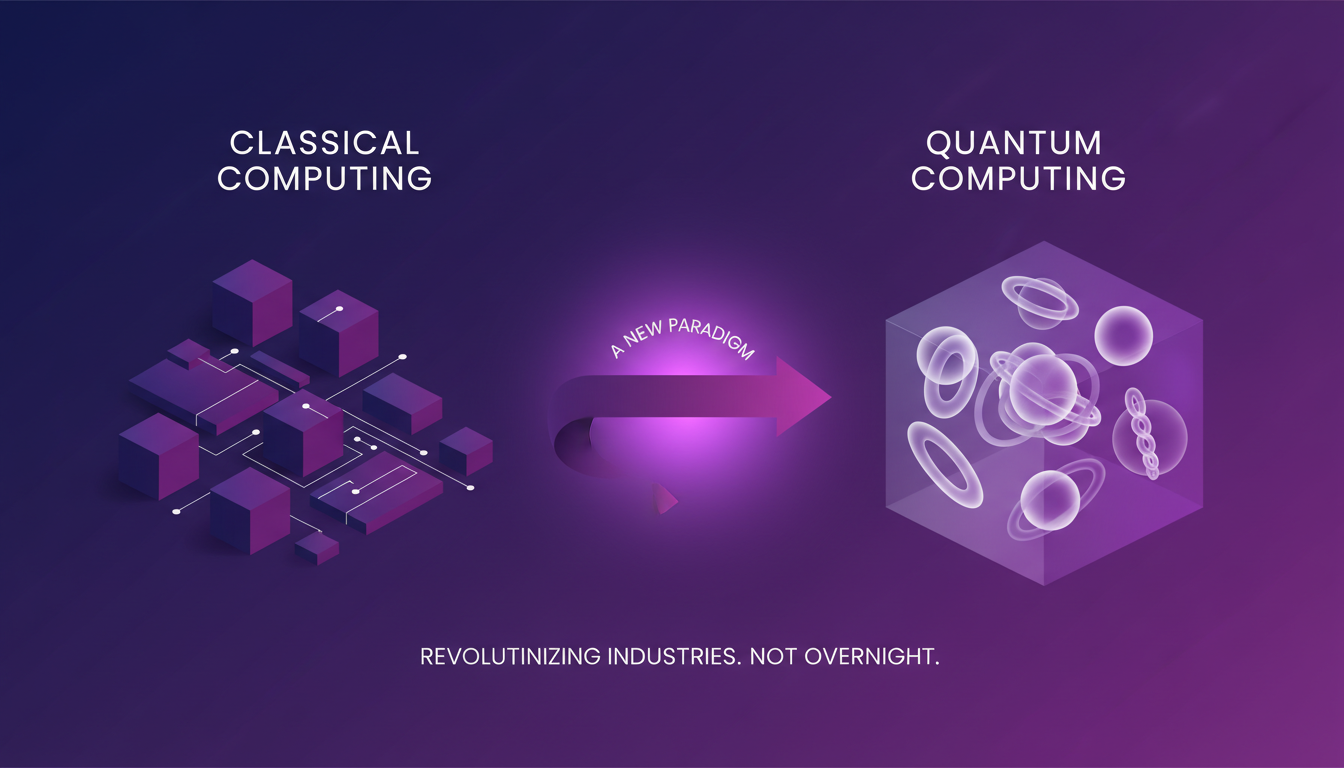
Majorana modes are a bit like the Holy Grail of qubits, integrating error protection directly into the material. But beware, quantum computing's energy efficiency is a double-edged sword. Yes, it consumes less energy for certain tasks, but the cooling costs are huge.
Industries on the Brink: Quantum Computing's Impact
Which industries are most at risk with the advent of quantum computing? Finance, logistics, pharmaceuticals — those relying on complex optimizations. Imagine sectors where quantum solutions are already being piloted. But don't overestimate the immediate impact, quantum won't replace classical overnight.
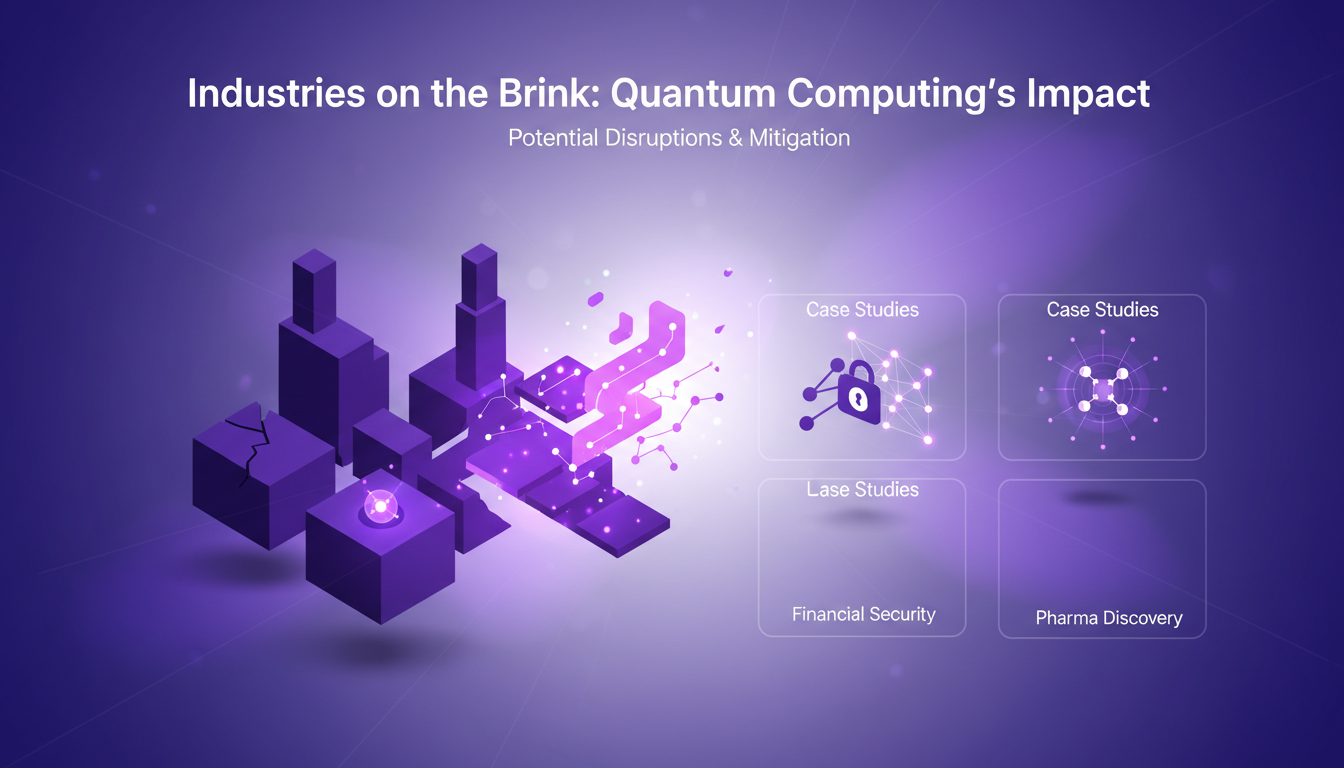
To mitigate risks, anticipate, invest in research, and understand where quantum computing can add concrete value.
Energy and Cooling: The Hidden Costs of Quantum
Quantum computers are true energy guzzlers. Not only do they consume a lot, but cooling is crucial for qubit stability. The environmental impacts are significant, especially at scale.
In my experience, it's often about finding a balance between the benefits brought by quantum and its energy demands. Cooling solutions, like cryostats, become essential to maintain performance. But beware, these costs can quickly escalate.
- Invest in effective cooling solutions.
- Evaluate the ecological footprint of quantum infrastructure.
- Optimize energy use to reduce operational costs.
Quantum computing isn't some far-off fantasy anymore—it's here and it's reshaping our future. Here's what I took away:
- 2026 isn't just another year. It's when quantum computing becomes inevitable. Not quite useful for everything yet, but you can't ignore it.
- Physicists have spent 40 years battling noise in quantum computers, and we're seeing real breakthroughs, like Google's logical qubits surviving 2.4 times longer than their physical counterparts.
- Post-quantum cryptography is already on the table. If you haven't started evaluating your current systems, now's the time.
Looking ahead, quantum computing is a 'game changer', but watch out, there are still technical hurdles to clear.
It's time to dive into this: start evaluating your systems and consider what needs to change to accommodate these quantum advancements. The clock is ticking. For a deeper dive into these challenges, I suggest watching the original video. It's worth your time: YouTube Link.
Frequently Asked Questions
Thibault Le Balier
Co-fondateur & CTO
Coming from the tech startup ecosystem, Thibault has developed expertise in AI solution architecture that he now puts at the service of large companies (Atos, BNP Paribas, beta.gouv). He works on two axes: mastering AI deployments (local LLMs, MCP security) and optimizing inference costs (offloading, compression, token management).
Related Articles
Discover more articles on similar topics
AI Leadership: Prepare for the Future
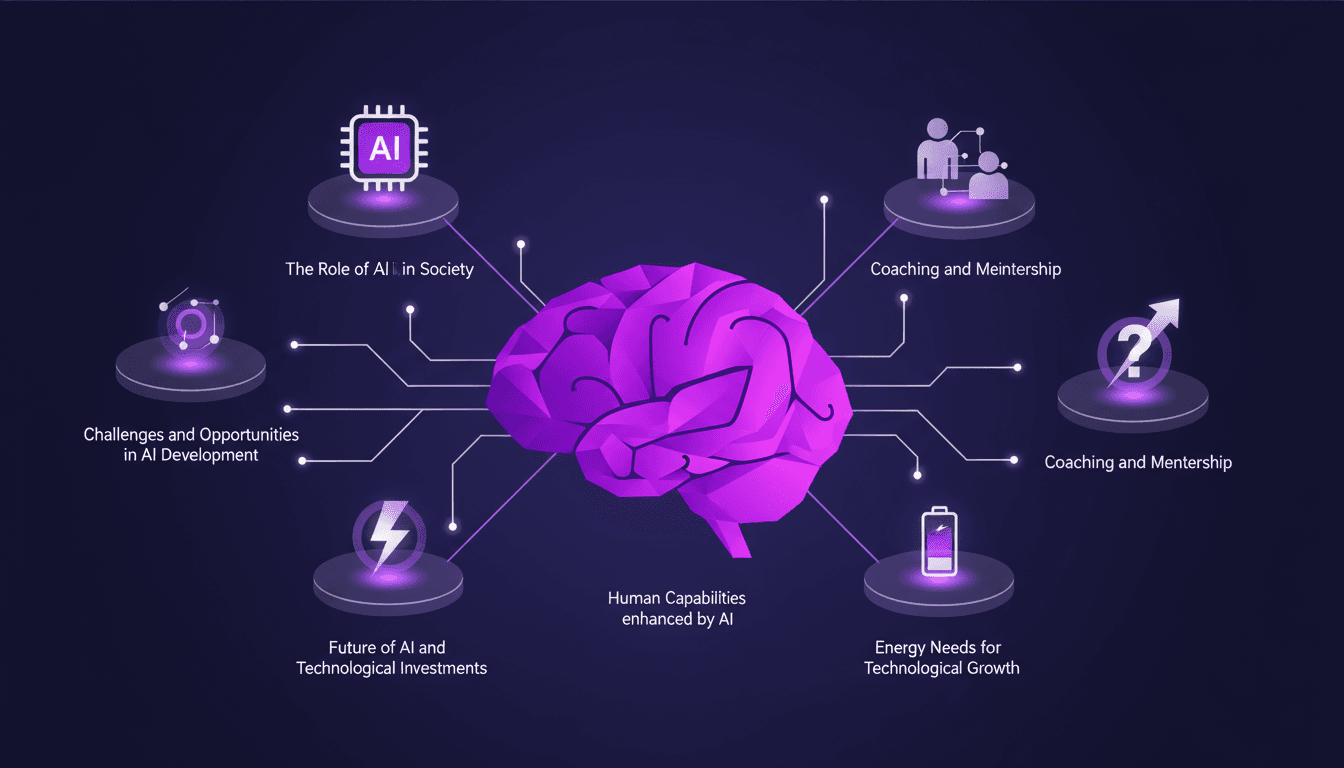
When Eric Schmidt, the former CEO of Google, talks about AI's future, I pay attention. I've been in the trenches of tech leadership, and his insights on small teams and mentorship are game-changers. He emphasized that a 10-person team can revolutionize a project and understanding AI's energy needs is crucial. With 6,000 to 7,000 people already engaged in AI learning, now's the time to adapt. This interview dives into how leadership and innovation intersect, and why AI is both a challenge and an opportunity. Get ready to incorporate these insights into your tech strategy.
Financial Choice: Immediate Cash or Learning?
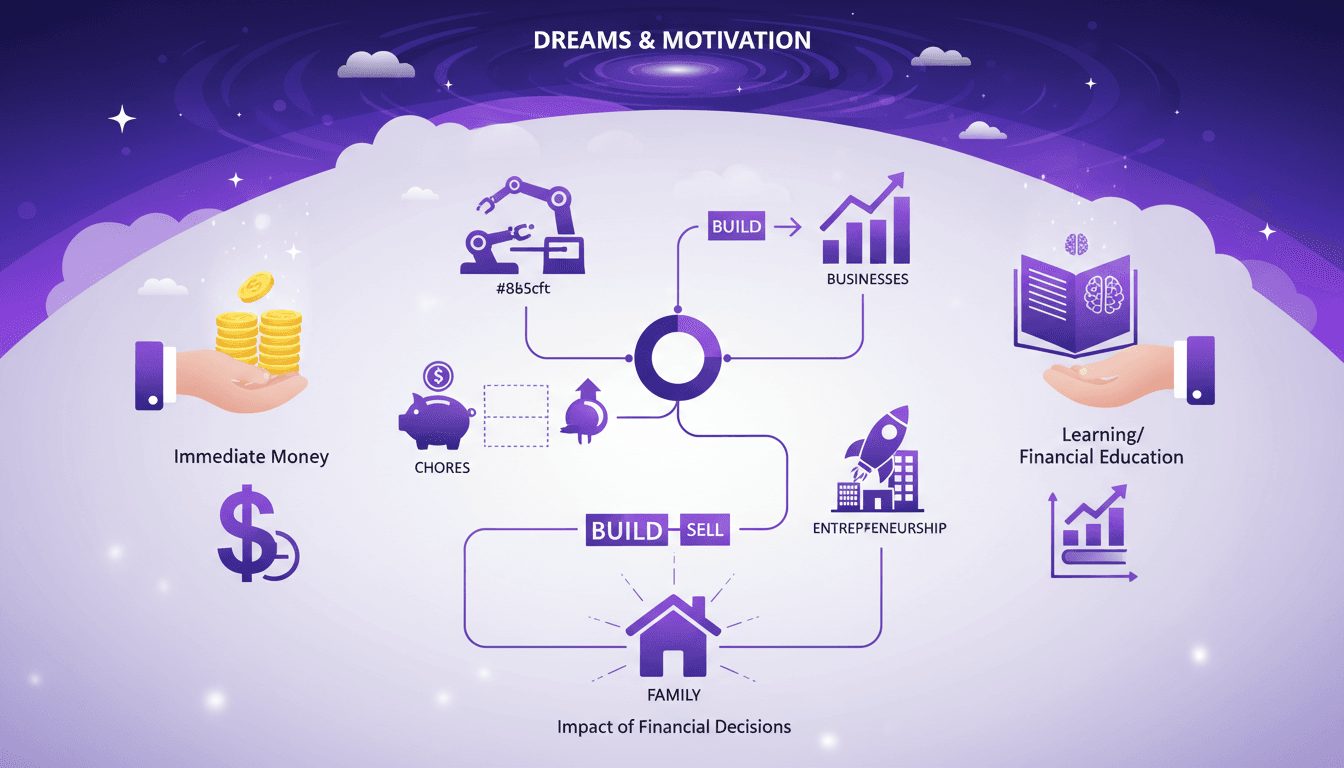
I remember the day I had to choose between a quick £200 or a book that promised to teach me how to make that same amount. It wasn't just about money—it was about shaping my future. In an interview with an astronaut and their mom, we dive into the impact of financial choices, the value of learning over immediate gain, and how entrepreneurship can chart a different path. We discuss career-defining choices, long-term learning versus instant cash, and how seemingly small decisions can transform a life. If you've ever debated taking the cash or investing in your future, this conversation will resonate. It’s a deep dive into the family impact of financial decisions and how building and selling businesses can change life’s trajectory. You’ll see how wise choices can make all the difference.
Startup School 2026: Inside the Event Experience
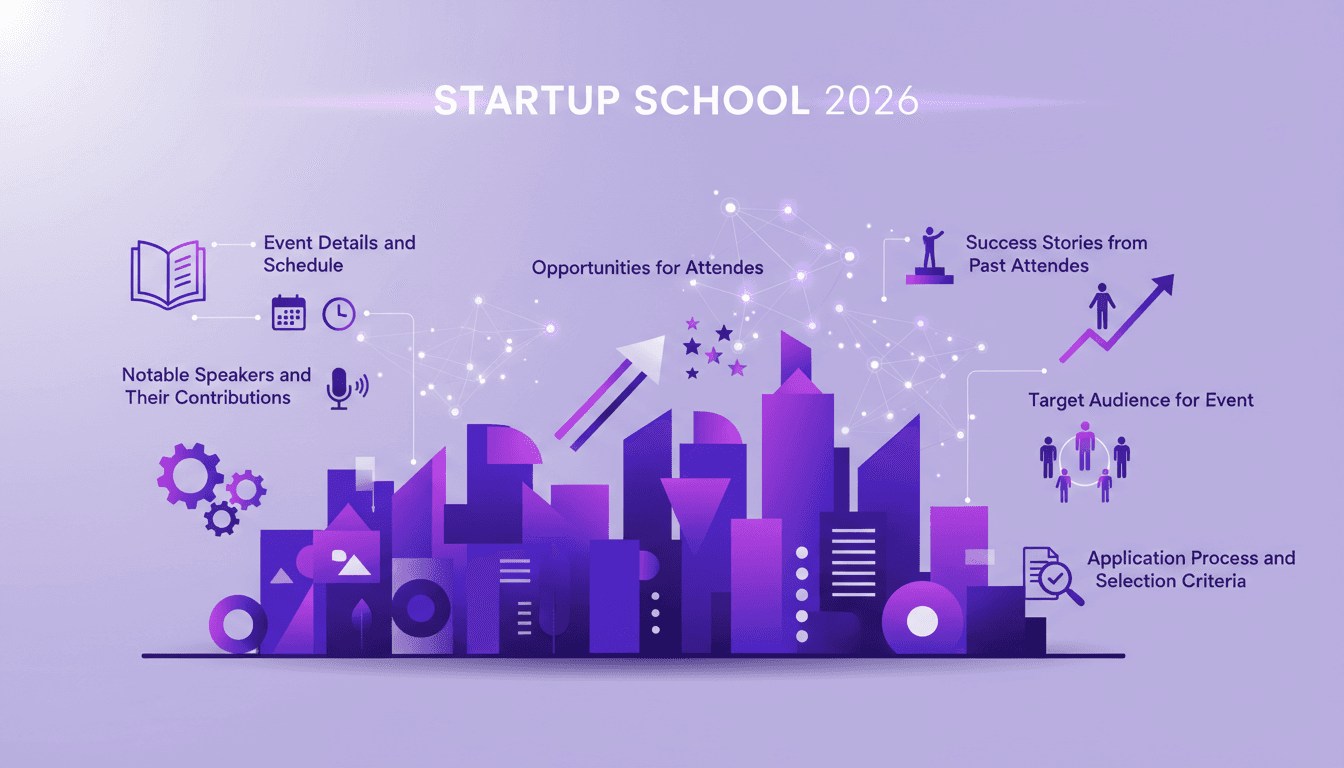
I remember my first Startup School like it was yesterday—a whirlwind of ideas, connections, and insights that reshaped my approach to building my startup. This year, Startup School 2026 promises to be even more transformative. With speakers like Jensen Huang and Sam Olman, we're in for some captivating discussions and unique opportunities. Let me walk you through what to expect from this must-attend event on July 25th and 26th. Whether you're a seasoned founder or just starting out, there's something here for everyone. Don't miss the chance to be where innovation meets execution.
GPT 5.4 vs Opus 4.6: Killer or Just Hype?
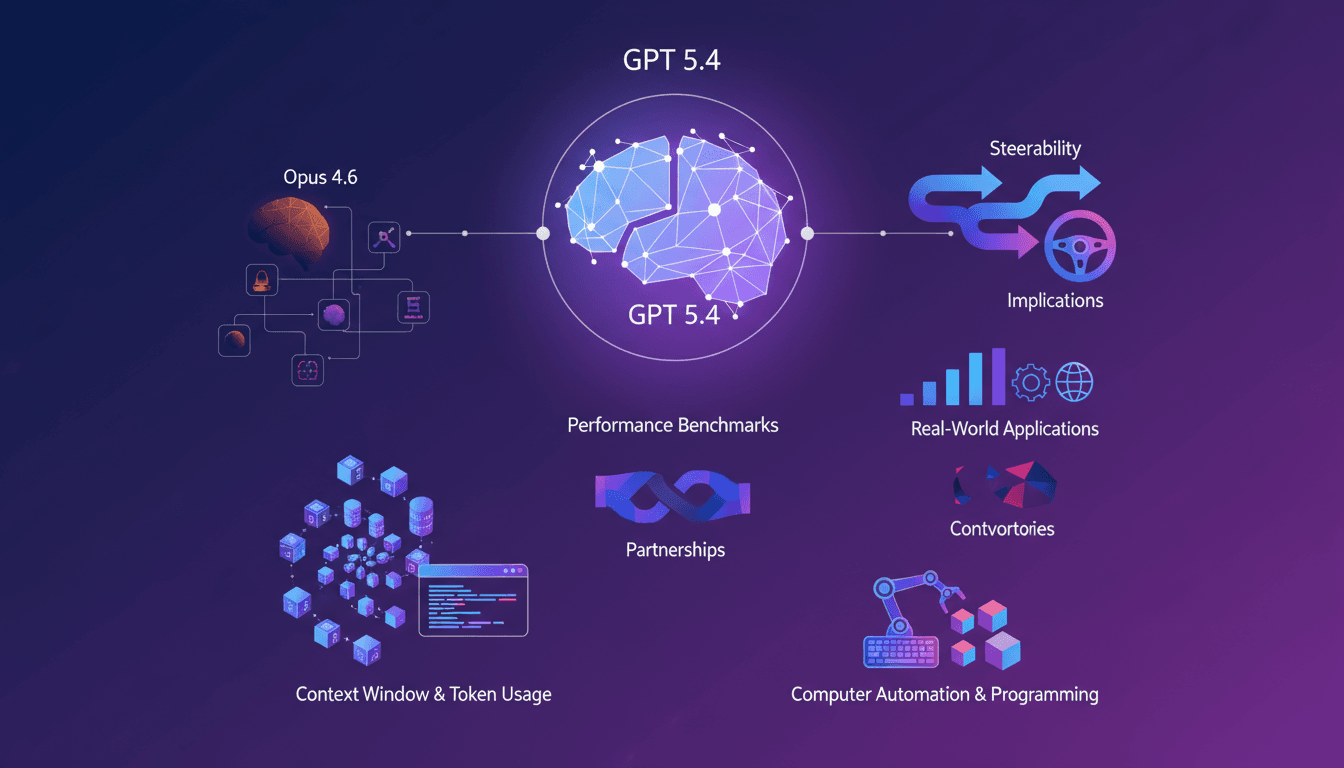
I dove headfirst into GPT 5.4 to see if it could dethrone Opus 4.6. Having been burned by overhyped AI promises before, I wanted to separate the noise from the real game changers. GPT 5.4 boasts a massive context window of one million tokens and new steerability features. But is it truly a leap forward or just another iteration with flashy marketing? Let's compare it to Opus 4.6. GPT 5.4's performance in computer automation is impressive, with 90% accuracy. However, even with a score of 75% versus Opus 4.6's 72.7%, is that enough to claim victory? Let's dive into the technical advancements and real-world implications of these features.
Becoming a Principal: Publish Your Kids Book
I remember setting out to write a children's book. It wasn't just about words on paper; it was about sharing genuine ideas with young minds. The journey from aspiration to publication was tough, but Stand.store changed my game. In this article, I share my experience of writing and self-publishing, the value of genuine ideas, and how platforms like Stand.store can help monetize your creative work.