Creating Superfoods: My Inspiring Journey
I embarked on this journey with a simple dream: creating superfoods that could change the world. But as any builder knows, dreams need a solid plan, and that's where the real work begins. I've navigated through aspirations, desires, and a purpose that goes beyond just making money. I've learned that producing a high-quality product isn't enough; it requires a vision that unites and inspires. By naming my product Aana, I aimed to symbolize kindness and collaboration. Here's how I built something that, I hope, will change lives.
It all started with a simple dream: creating superfoods that could change the world. But as any builder knows, dreams without a battle plan are doomed to fail. I quickly realized that navigating my aspirations, personal desires (yes, the dream of owning a BMW was real!), and a larger mission was no easy feat. I learned that aiming for a high-quality product required a vision that inspires and unites. By naming my product Aana, I wanted to embody kindness and collaboration. I built this project with a straightforward goal: positive impact. Here's how, by juggling personal ambitions and a more altruistic purpose, I aimed to create something that goes beyond mere financial gain. Follow my journey and see how a simple idea can evolve into a meaningful project.
Dreaming Big: The Superfood Vision
In my country, dry fruits are plentiful, and I've always dreamed of turning them into superfoods like protein bars. Why? Because high-quality products are essential to me. This kind of innovation keeps me moving forward. You know, when you have a clear vision, everything changes. But watch out, quality doesn't always rhyme with ease. Quality demands rigor and precision, and sometimes sleepless nights to tweak a recipe or reformulate a product.
Looking around, I realized that my ambitions could really drive innovation. I've often heard "1 plus 1 equals 11," and that's exactly how I feel about this project. It's about adding the right ideas to create something bigger. But, you must always be mindful of the challenges that might slow you down.
Quality Aspirations and Realities
To ensure the quality of my product, I embarked on a path filled with obstacles. First, I had to ensure that every ingredient met strict standards. But watch out, maintaining these standards is a real challenge. Costs can soar quickly, and it's easy to lose focus. A delicate balance between ambition and feasibility is crucial. I learned the hard way that aiming too high without preparation can be counterproductive.
But with every mistake, I adjusted my approach. A frequent mistake? Trying to control everything myself. Sometimes, delegating is faster and more efficient.
- Never underestimate the importance of quality from the start.
- Keep an eye on costs.
- Learn from your mistakes to adjust your strategy.
Purpose Beyond Profit: A New Business Model
In this venture, the goal isn't just to generate profits. It's a project that considers a broader purpose. A purpose-driven model can really influence your strategic decisions. I've learned that by focusing on kindness and helping others, you can create a more resilient and respected business. But watch out, prioritizing purpose can sometimes mean making trade-offs on short-term profit.
For example, I chose more expensive but sustainable ingredients, which increased initial costs. Yet, I firmly believe it creates long-term value. It's a choice that reflects my commitment to a better future.
- Integrate kindness and helping others into your strategy.
- Anticipate the trade-offs between purpose and profit.
- Investing in sustainability can pay off in the long run.
Unity and Collaboration: Building Together
Collaboration is essential for product development. By working together, we can overcome obstacles we couldn't tackle alone. Unity also plays a crucial role in achieving business goals. For instance, I've collaborated with other producers to improve our supply chain. This kind of partnership can be a real game-changer.
A supportive community is a powerful force. It provides the necessary support to overcome complex challenges.
- Collaboration enhances innovation and resilience.
- Unity is crucial for achieving ambitious goals.
- Strategic partnerships can transform the business.
Naming the Dream: Why Aana?
The name Aana holds special meaning for me. It's more than just a brand; it's an identity that embodies our mission. A strong brand identity is crucial in the market. It differentiates you and creates a personal connection with your customers. For me, Aana evokes not only innovation and quality but also a personal connection to my vision.
The strength of a name lies in its ability to resonate with people. And that's exactly what I wanted for this project. A strong brand can truly amplify your market presence.
- A strong name reinforces your brand identity.
- It facilitates connection with your target audience.
- A brand should reflect your mission and values.
Building Aana was more than just creating a product; it was about setting a new standard in the industry. First, I dreamed big—the dream of creating superfoods that not only nourish but also inspire. Then, I focused on quality—every detail mattered, and you can feel it in the final product. But watch out, aiming for quality can sometimes slow down the process. Third, never underestimate the power of collaboration—it’s often where the magic happens. Also, remember that behind every great project, there’s a purpose beyond just financial gain.
Looking forward, I’m convinced that putting purpose at the heart of your project can be a real game changer, but you have to balance dreams with the practical realities of the market.
If you’re considering starting your own journey in creating purpose-driven products, start by dreaming big, focus on quality, and never forget the power of collaboration. I invite you to watch the full video for more inspiration. Trust me, it’s worth it!
Frequently Asked Questions

Thibault Le Balier
Co-fondateur & CTO
Coming from the tech startup ecosystem, Thibault has developed expertise in AI solution architecture that he now puts at the service of large companies (Atos, BNP Paribas, beta.gouv). He works on two axes: mastering AI deployments (local LLMs, MCP security) and optimizing inference costs (offloading, compression, token management).
Related Articles
Discover more articles on similar topics
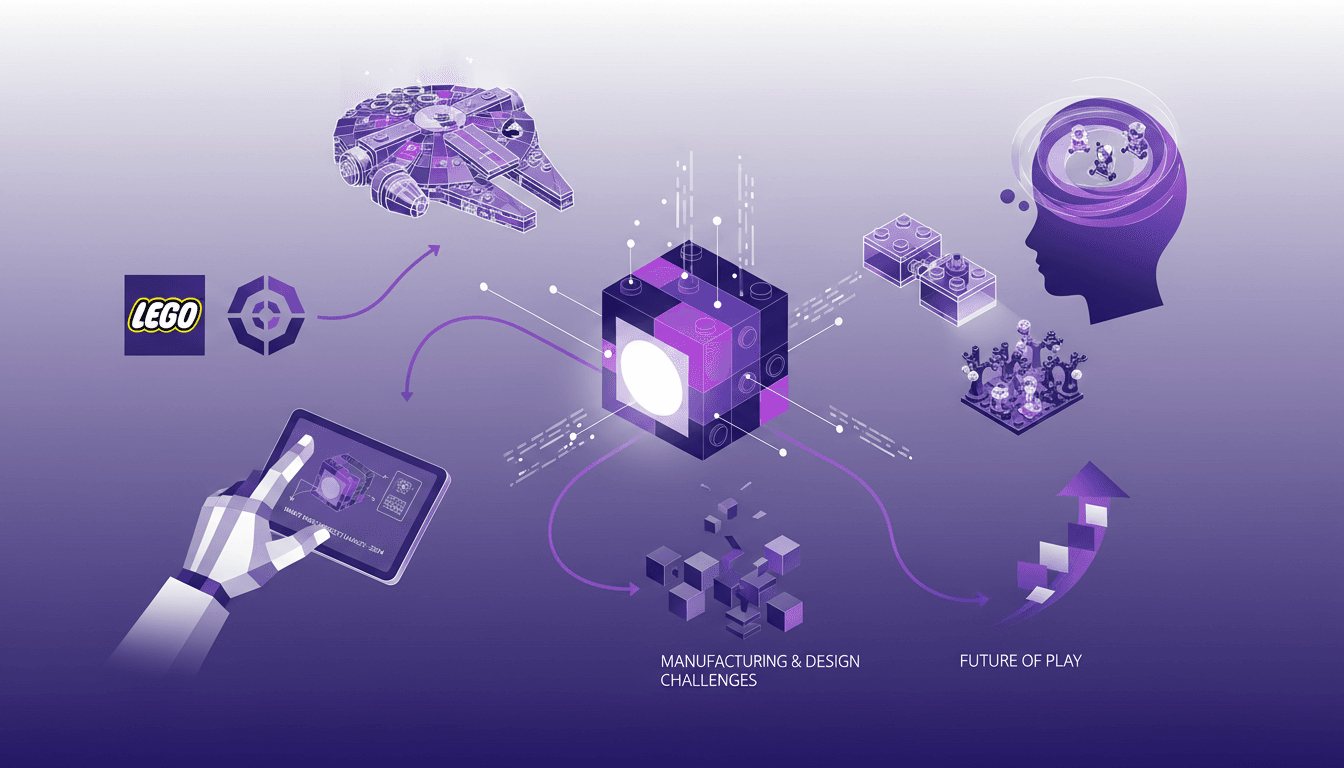
LEGO-Lucasfilm Partnership: Smart Brick Revolution
I still remember the jolt I felt when I first heard about the LEGO and Lucasfilm partnership. Two worlds colliding in the best possible way. Fast forward to today, and we're talking about the Smart Brick—a real game changer in imaginative play. Over the past eight years, the concept has evolved, and it's no longer just about bricks, but storytelling without screens. A technological challenge, but above all, a promise of a future where stories come to life in the hands of children. Let me show you how this all came together.
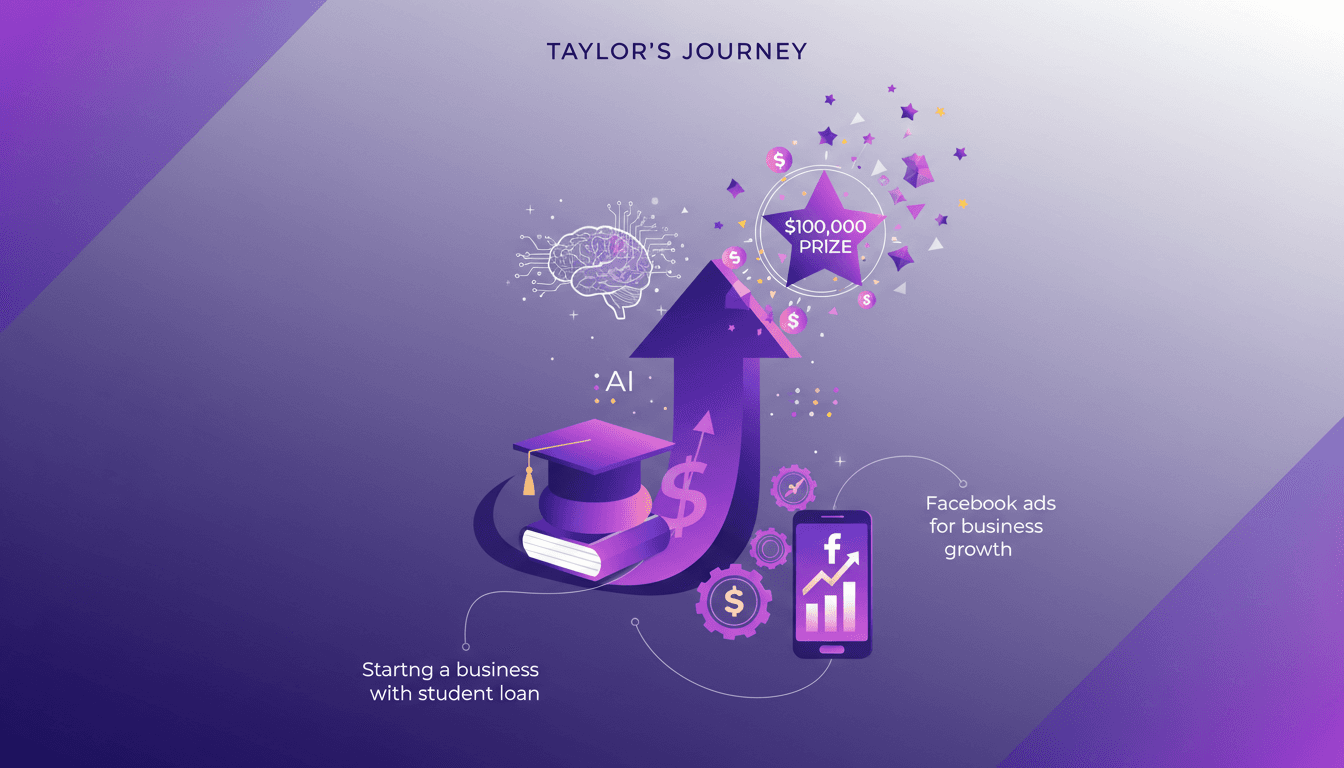
Starting Business with Student Loans | 100K Prize
I remember the exact moment I decided to turn my student loan into a launchpad for my business. It felt risky, but sometimes you have to bet on yourself. Taylor's story is a masterclass in entrepreneurial courage. He leveraged his student loan to enter a $100,000 competition and banked on Facebook ads to boost growth. If you've ever thought about turning a gamble into a reality, his journey offers a valuable roadmap. Let me walk you through how he navigated this path and what he learned along the way.
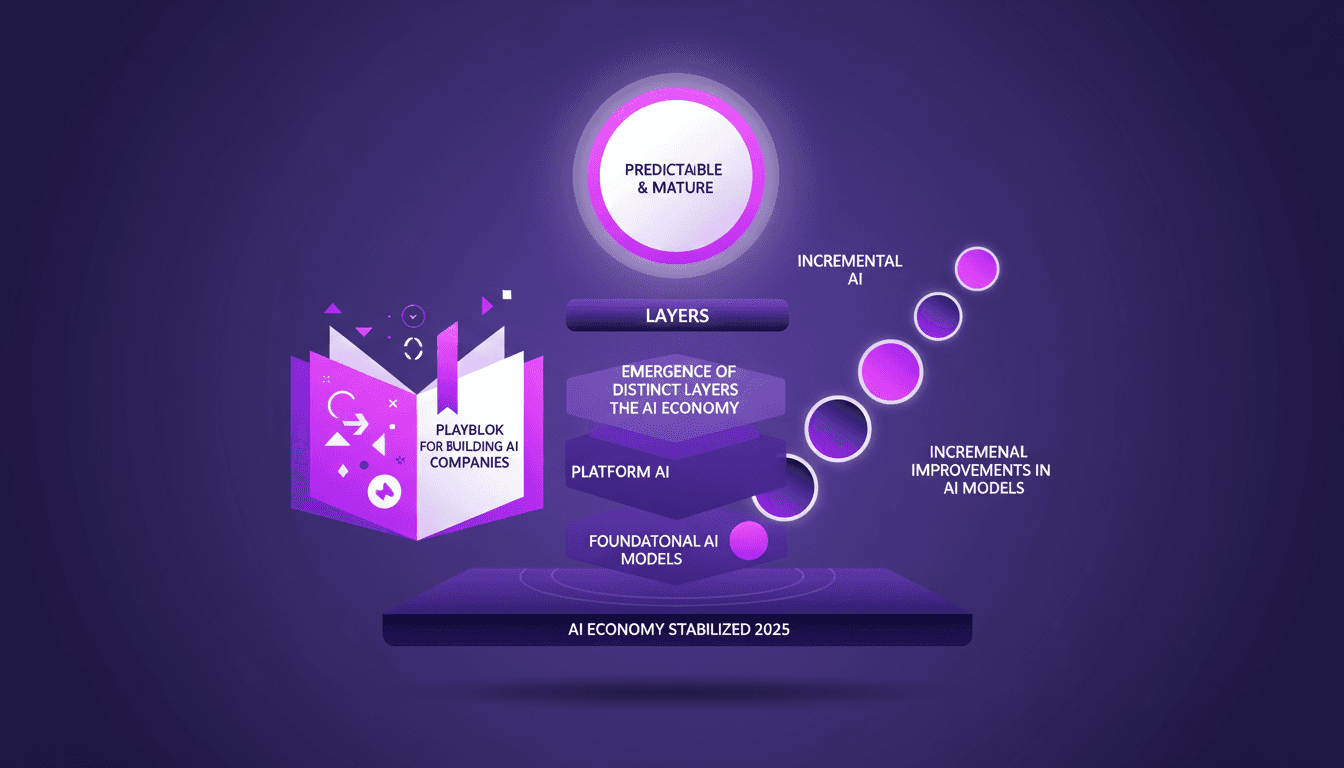
Stabilizing the AI Economy by 2025
I've been in the trenches of the AI industry for years, and if there's one thing I can tell you, it's this: the AI economy is on the brink of stabilization by 2025. Having witnessed the chaos and breakthroughs, I'm here to share how we're finally gaining predictability and maturity. We're building distinct layers, crafting playbooks for AI native companies, and making incremental improvements that shape our future. This isn't just theory—it's what we're building right now.
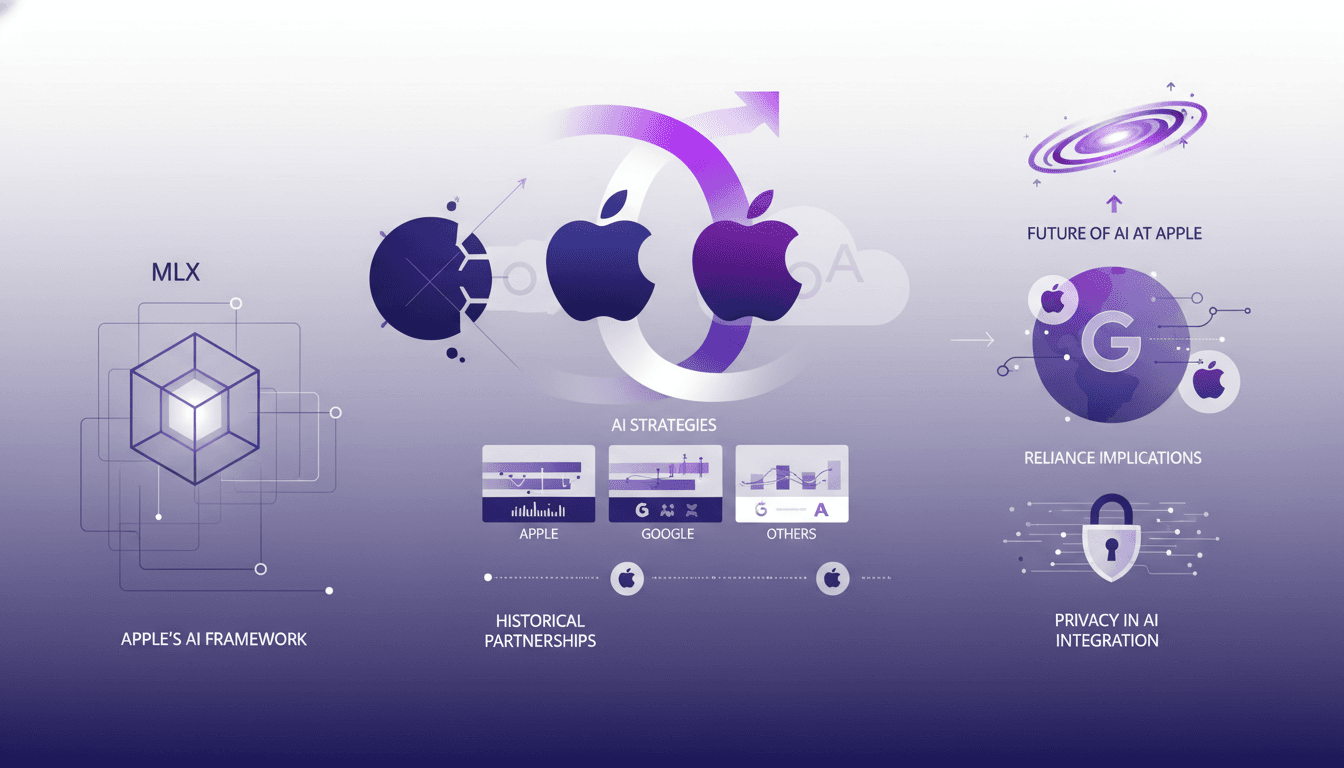
Apple's AI Shift: Partnering with Google
I've been deep in the trenches with AI, and Apple's latest move has everyone buzzing. Picture this: Apple is stepping away from OpenAI and teaming up with Google for their AI models. It's a shift that might just change the landscape, and I'm here to break down why. First, let's dive into Apple's strategy: why pivot away from OpenAI? The answer lies in integrating Google's models like Gemini 3 Pro and VO 3.0. I've worked with Apple's MLX framework myself, and the contrast is stark. We're also going to explore Apple's historical partnerships with Google and what this means for the future of AI development, especially with privacy implications. It's a real strategic pivot, and I'm taking you along for the ride.
CES 2026: Innovation Unveiled at the Global Stage
I walked into CES 2026 expecting the usual tech fanfare, but what I found was way more than just another show—it was a transformative experience redefining innovation. With a record number of Innovation Award submissions and a global exhibitor presence, this year's CES was truly a game-changer. Imagine thousands of exhibitors from around the world, all gathered to showcase how technology can solve real-world problems. And it's not just marketing hype. It's the reality of what I witnessed. If you haven't marked your calendar for CES 2027 yet, you're missing out on something potentially groundbreaking.