AI in Sales: Efficiency or Illusion?
I've spent countless hours refining sales scripts and frameworks, training thousands of salespeople. When I first started experimenting with AI in sales, I was skeptical. Could a machine really outsell a human? Diving into AI's world, I uncovered some brutal truths. First, AI's speed to lead is unmatched, but it struggles to replicate human empathy. Then, I tested AI-assisted scripts and frameworks—promising, yet not without challenges. In short, AI in sales is a mix of potential and frustrations. I share my journey, the roadblocks, and how I orchestrated these technologies to make the most of them.
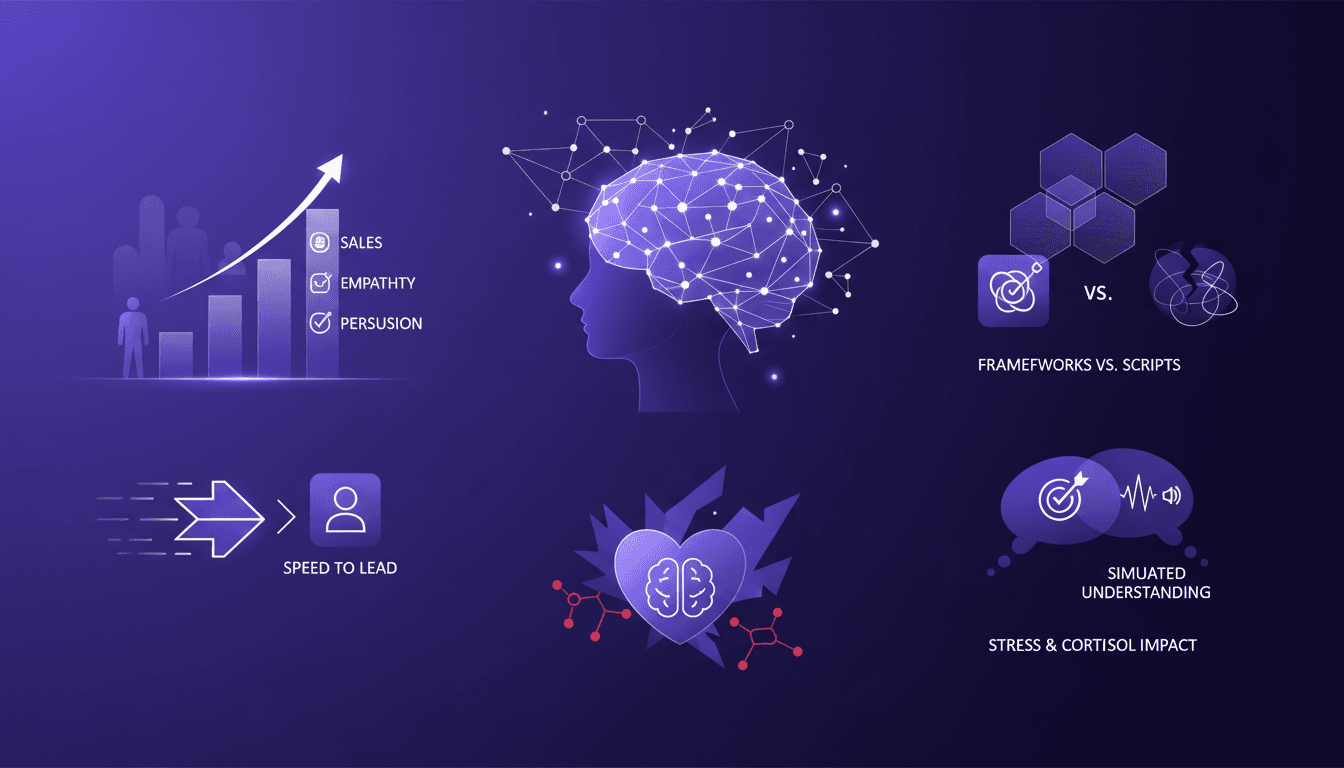
I've spent countless hours refining sales scripts and frameworks, training thousands of salespeople. When I first dabbled with AI in sales, I was skeptical. Could a machine really outsell a human? Let's dive into what I found. First off, AI in sales isn't just a buzzword anymore—it's a fast-evolving reality. But can it truly outperform human salespeople? I’ve experienced AI’s unmatched speed to lead, yet it struggles to replicate the human touch of empathy and persuasion. I’ve also put AI-driven sales training frameworks and scripts to the test, and while the potential is undeniable, the challenges are just as real. I'm here to share my journey through AI’s potential in sales, the roadblocks, and the breakthroughs achieved along the way.
AI's Role in Modern Sales
When I first started integrating AI into my sales processes, it felt like opening a Pandora's box, full of potential and challenges. AI is becoming a key player in sales, but let's be clear, it's not replacing humans just yet. What I've learned is that hands-on experimentation is necessary to truly grasp its potential. AI excels in speed and data processing, offering us almost instant insights. However, human salespeople still hold the edge in empathy and nuanced communication.
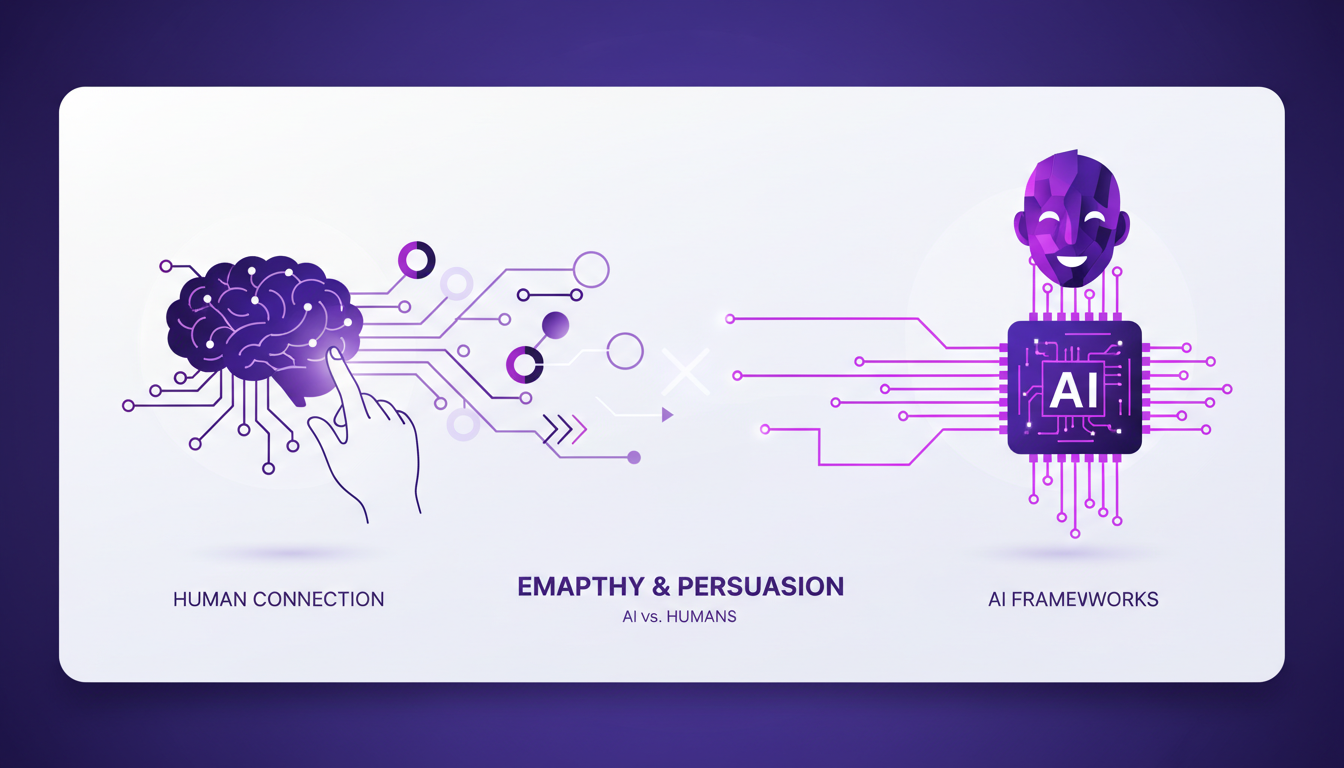
In the real world, the impact is evident: AI can handle repetitive tasks, freeing up human time for complex interactions. I've seen this in my agency, where AI manages thousands of prospects, allowing me to focus on discussions that truly require a human touch. That said, be cautious not to overestimate AI's ability to understand human nuances.
Empathy and Persuasion: AI vs. Humans
When we talk about empathy in sales, it's often about effectively transmitting information. AI can simulate empathy, but it struggles to establish a genuine human connection. AI frameworks help structure conversations, but they lack spontaneity. I've often noticed that AI relies on data for persuasion, while we humans use our emotional intelligence.
The trade-offs are clear: AI can handle volume, but humans excel in personalized interaction. In one of my training sessions, I found that despite all the AI preparation, nothing replaces the intuition of a good human salesperson.
Speed to Lead: AI's Competitive Edge
In the sales world, speed to lead is crucial. AI can connect with prospects faster than we ever could. It reduces response time, thereby increasing conversion chances. With real-time data analysis, AI has an edge in tailoring pitches.
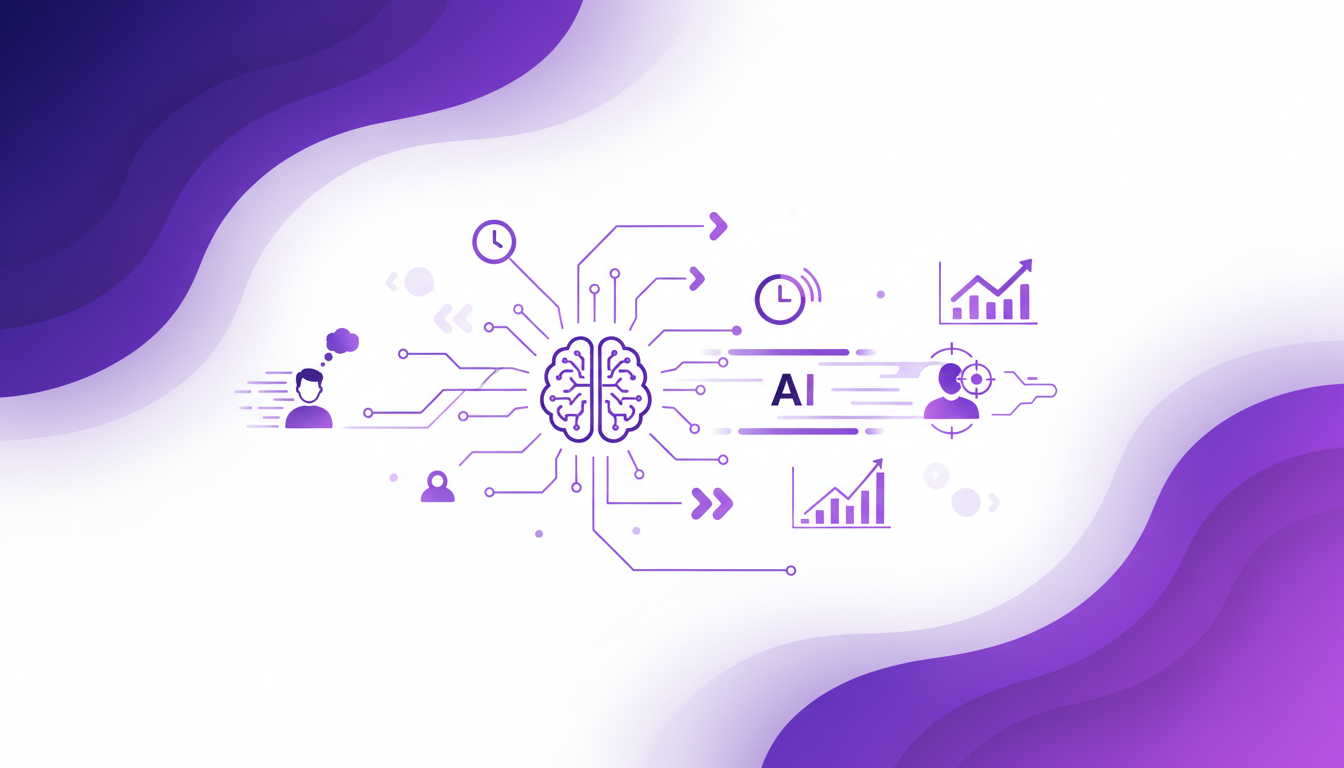
However, it's crucial not to rely solely on AI, as this could lead to generic interactions. I use AI for initial contact, but ensure to keep control for closing the deals.
Frameworks vs. Scripts in AI Sales Training
AI uses frameworks to guide sales conversations, offering consistency. Scripts can be limiting; frameworks allow for adaptability. I've observed that AI frameworks are built on data, optimizing for efficiency.
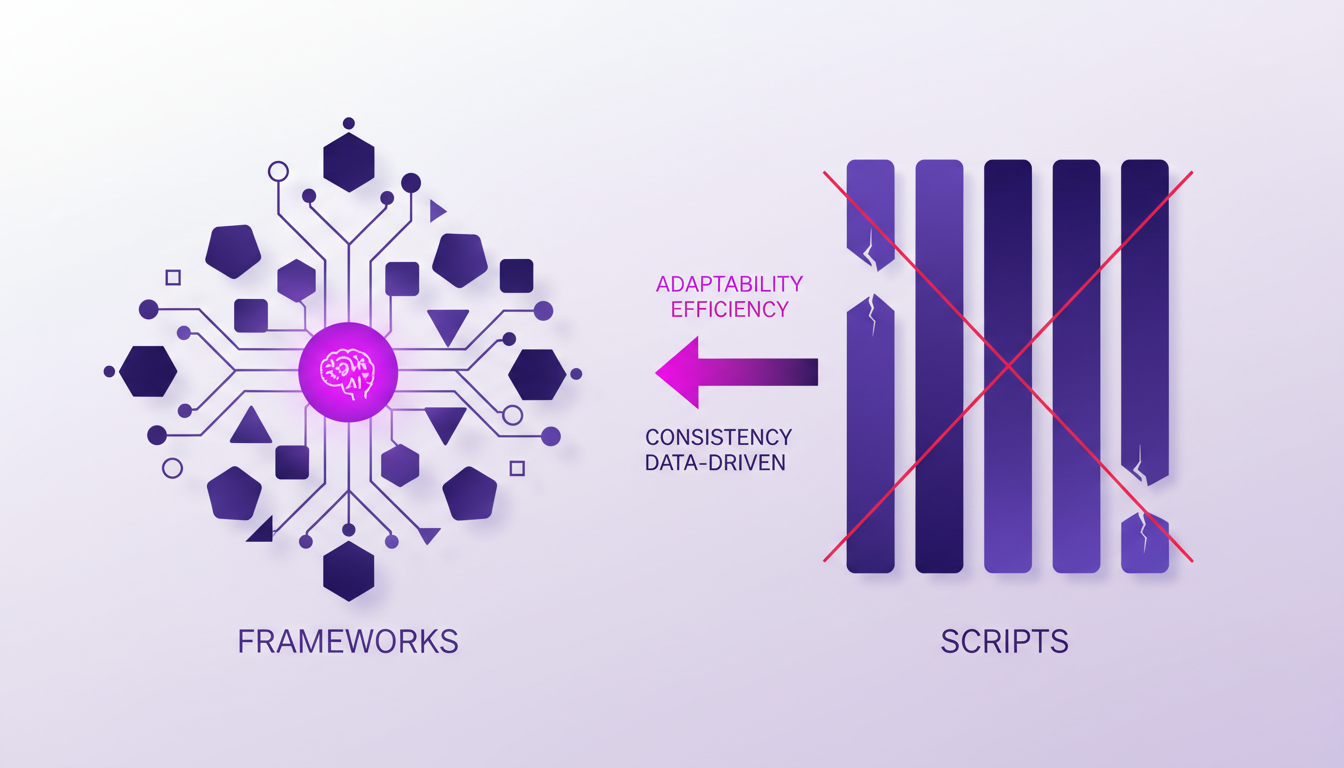
But human intuition still plays a crucial role in interpreting AI insights. It's important to find a balance: use AI for structure, but keep human flexibility for unexpected scenarios.
Overcoming Objections: AI's Strategy
AI can predict common objections and prepare responses. Data-driven insights help AI refine objection-handling strategies. However, humans excel in reading emotional cues, a challenge for AI.
I've often seen that AI's analytical approach can reveal patterns we humans might miss. However, in sales, the personal touch remains essential for overcoming the toughest objections.
Ultimately, AI holds tremendous potential in sales, but it still needs the human touch to achieve optimal results. As I've experienced, it's crucial to understand AI's limits and use it as a tool to augment our capabilities, not replace them.
So, I’m weaving AI into my sales strategies, and honestly, it’s a game changer for speed and data-driven insights. But let’s be clear, the human touch is irreplaceable. Empathy and complex interactions are still beyond AI’s reach. First takeaway: AI can cut down tasks from three hours to a few minutes. Then, having trained thousands of salespeople, I can tell you the AI-human balance is where it's at. We’re looking at a 7-10 year horizon before AI could potentially outsell us, but we're not there yet. Bottom line, the future of sales is hybrid. I suggest you start experimenting with AI in your sales strategy and find the balance that works for your team. For a deeper dive, check out the video 'Brutal Truth: Can AI Sell Better Than Humans?' on YouTube. It’s a conversation worth having if you want to stay ahead.
Frequently Asked Questions

Thibault Le Balier
Co-fondateur & CTO
Coming from the tech startup ecosystem, Thibault has developed expertise in AI solution architecture that he now puts at the service of large companies (Atos, BNP Paribas, beta.gouv). He works on two axes: mastering AI deployments (local LLMs, MCP security) and optimizing inference costs (offloading, compression, token management).
Related Articles
Discover more articles on similar topics
AI Meets Creativity: Transforming Product Design
I vividly remember the first time I integrated AI into my design workflow. It was like handing a paintbrush to a machine and watching magic happen. But let's be real, AI is more than just magic; it's an amplifier of what we can do, faster and smarter. In today's design world, AI isn't just a tool—it's a partner. From Autodesk Fusion's capabilities to generative AI's precision, we're witnessing a revolution in product design. Let's dive into how these technologies are redefining creativity and consumer trust. How does AI augment our creativity and decision-making? How is Autodesk Fusion transforming product design? And what about the shift in consumer preferences towards authenticity? That's what we're diving into here.
Can AI Really Boost Sales Performance?
I've spent a decade in sales, and let me tell you, AI is changing the game. Not just in theory, but in how we actually close deals. Let's dive into how AI can outperform traditional methods and the real-world impact it has on our sales teams. AI is no longer a futuristic concept; it's here, reshaping how we approach sales. This isn't just about automating tasks—it's about enhancing performance and efficiency. We'll explore practical strategies, success stories, and the challenges you might face.
Tech Stack Behind a $440k/Month App: My Journey
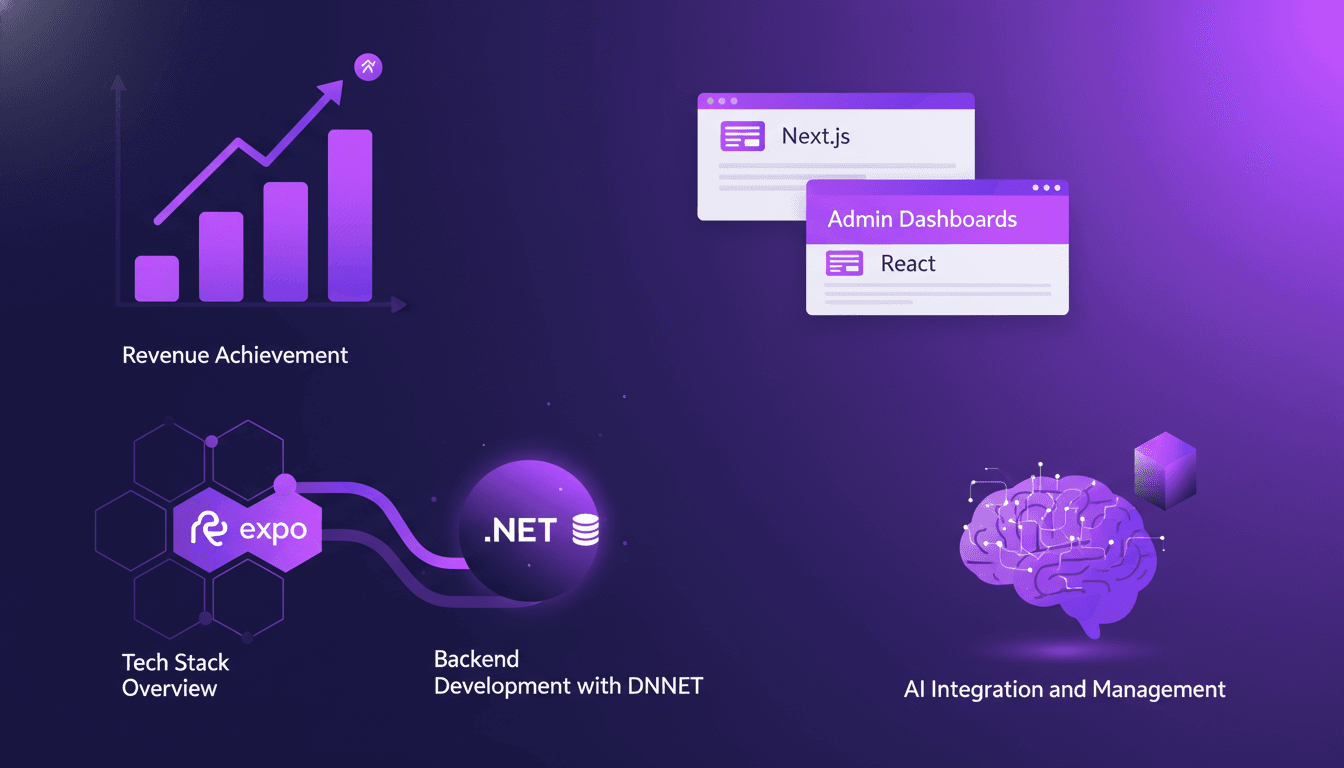
I remember the day we hit $440,000 in monthly revenue. No magic involved, just a carefully orchestrated tech stack. In this article, I walk you through our technical journey. We dive into using React Native and Expo for the frontend, DNNET for the backend, and admin dashboards with Next and React. Plus, how AI integration really made a difference. Every tech choice had a direct impact on our success. Watch out for the limits I hit along the way (and how I overcame them). It's not just about code, but a tech strategy that pays off.

Startup School Lands in India: Join the Event
So, I heard Startup School is finally coming to India, and I couldn't be more excited. Having gone through the YC process myself, I know the massive impact it can have. It's more than just an event—it's a golden opportunity for us Indian builders. Picture a space where you can not only learn but also connect with future Indian startup leaders. It's a one-day event on April 18th, but it could very well transform your trajectory. And with four Indian companies already backed by YC, there's plenty to get inspired by. Get ready to dive into this world of innovation and growth.
Managing Divorce: Strategies for Personal Happiness
I've been through a divorce, and let me tell you, it's like managing a project with shifting deadlines and unexpected challenges. First, you focus on your personal happiness. Why? Because if you're not grounded, everything else crumbles. As a project manager in financial services, I've learned to use my skills to navigate these turbulent waters. I want to share what works: from the impact on kids to how to seek help. Divorce affects not just the couple but the whole family. So how do you stay steady? Maybe even the idea of developing a divorce app for kids could help. Let's talk strategies for personal happiness and managing life changes.