Building a $20K/Month App in 83 Days
I built an app that hit $20K in monthly revenue in just 83 days. Sounds like a wild ride? It was. I'm going to take you through the strategy that got me there, the commitment it took, and the tools that made it possible. I connected my technical stack, orchestrated my development tools — and yes, I got burned a few times along the way. But every mistake was a lesson learned. I'll share insights on idea validation, engagement metrics, and the pricing model I implemented. Plus, the challenges faced and the marketing strategies that really worked. This is practical, hands-on stuff, not just theory. Ready to dive into the world of app development and see how to turn an idea into a profitable product?

I built an app that hit $20K in monthly revenue in just 83 days. Yes, you read that right. When I started, it felt like climbing Everest. But with a solid strategy and commitment, I turned that idea into a profitable product. First, I connected my tech stack — React Native for the front end, Node.js for the back. I orchestrated my development tools and, of course, got burned by a few bugs that cost me time. But every misstep helped refine my strategy. I validated my idea by listening to my initial users, adjusted my pricing model based on their feedback, and crafted a marketing strategy that really paid off. And let's not forget the moments of doubt — because yes, there were plenty. But every challenge overcome brought me closer to that $20K goal. Now, let's dive into the details of this journey and see how you too can turn an idea into a business success.
App Development and Revenue Growth
I kicked off this project with a crystal-clear vision: to craft a disposable camera experience for events. In just 83 days post-launch, we hit a monthly revenue of $20,000. Sounds fast? It was no accident. From day one, I focused on user engagement and retention. We're talking about 10,000 to 12,000 weekly active users keeping the momentum alive.
I knew reaching this level of success required grabbing users' attention and getting them to come back. But watch out for overinvesting in features that don't directly serve users.
"We hit $20,000 in monthly revenue within 83 days."
Validation Strategy and Commitment Metrics
Before diving in head-first, I used commitment metrics to validate demand. It's not rocket science, but it works. We set a goal: 10 events with a confirmed date before starting development. This prevented us from running in all directions. Plus, our bootstrap approach kept initial costs low and flexibility high. I found myself iterating often thanks to early user feedback, which helped refine the product.
Pricing Model and User Engagement
For pricing, I adopted a model based on event size. For instance, a small event costs $2 for 10 people. Aligning the price with perceived user value was crucial. I also focused on delivering a seamless user experience to drive engagement. But it's all about balancing competitive pricing with sustainable revenue.
- Align price with perceived value
- Balance pricing with revenue sustainability
Technical Stack and Tools Used
I opted for cloud code and Superbase for backend efficiency. These tools enable rapid iteration and deployment. However, watch out for tech stack bloat — simplicity often wins. I prioritized tools that scale with user growth.
- Use of cloud code and Superbase
- Watch out for tech stack complexity
Marketing and Outreach Strategies
I leaned on social media for cost-effective marketing and outreach. The focus was on organic growth and community building. I learned to pivot quickly based on marketing feedback. But don't spread yourself too thin across too many channels.
Challenges and Lessons Learned
We faced technical and market challenges head-on. Quick adaptation to user feedback and market changes was crucial. The importance of a strong, adaptable team cannot be overstated when tackling unforeseen issues. Sometimes, it's faster to pivot than to push through a failing strategy.
Ultimately, success came from being flexible and responsive to challenges.
Building an app to hit $20K in monthly revenue in just 83 days was a wild ride, but incredibly rewarding. The key was focusing on the right metrics and leveraging the right tools. Here’s what I took away:
- Focus on the right metrics: Concentrate on those that drive real growth, not vanity metrics.
- Validate early and often: Test your idea in the real world ASAP to avoid wasting time on unnecessary features.
- User engagement and pricing model: Striking a balance here is what really ramps up revenue.
Looking forward, building with a clear vision and iterating based on real user feedback is a true game changer. Ready to kick off your own app? Start by validating your ideas and iterating based on genuine feedback.
Check out the full video to dive deeper: I Built a $20K/Month App in 83 Days. It's worth a look to avoid my pitfalls and maximize your impact!
Frequently Asked Questions

Thibault Le Balier
Co-fondateur & CTO
Coming from the tech startup ecosystem, Thibault has developed expertise in AI solution architecture that he now puts at the service of large companies (Atos, BNP Paribas, beta.gouv). He works on two axes: mastering AI deployments (local LLMs, MCP security) and optimizing inference costs (offloading, compression, token management).
Related Articles
Discover more articles on similar topics
Finding a Job in London: Challenges and Solutions
I remember the struggle of job hunting in London's saturated tech market. Honestly, it was like running a gauntlet. But one day, I pivoted, and everything changed. I stopped chasing job titles and focused on creating an app from a book I loved. That's when I discovered my hidden potential. In a city where opportunities are plenty but the path is often fraught with hurdles, I'm sharing how I transitioned from job seeker to app creator. It's all about mindset and recognizing your personal talent. If you're stuck in that job-hunting spiral, maybe it's time to pivot.
Make $100K with AI Influencers on TikTok
I built an app that pulled in $100K in just two months using AI influencers on TikTok. How did I do it? By orchestrating a strategy that blended technical development with innovative marketing. At 19, Raphael Kramer, an experienced developer with over 50 apps under his belt, leveraged artificial intelligence to create virtual influencers that captivate and drive massive revenue. From idea validation to implementation and ethical challenges, let's dive into this unique entrepreneurial journey.
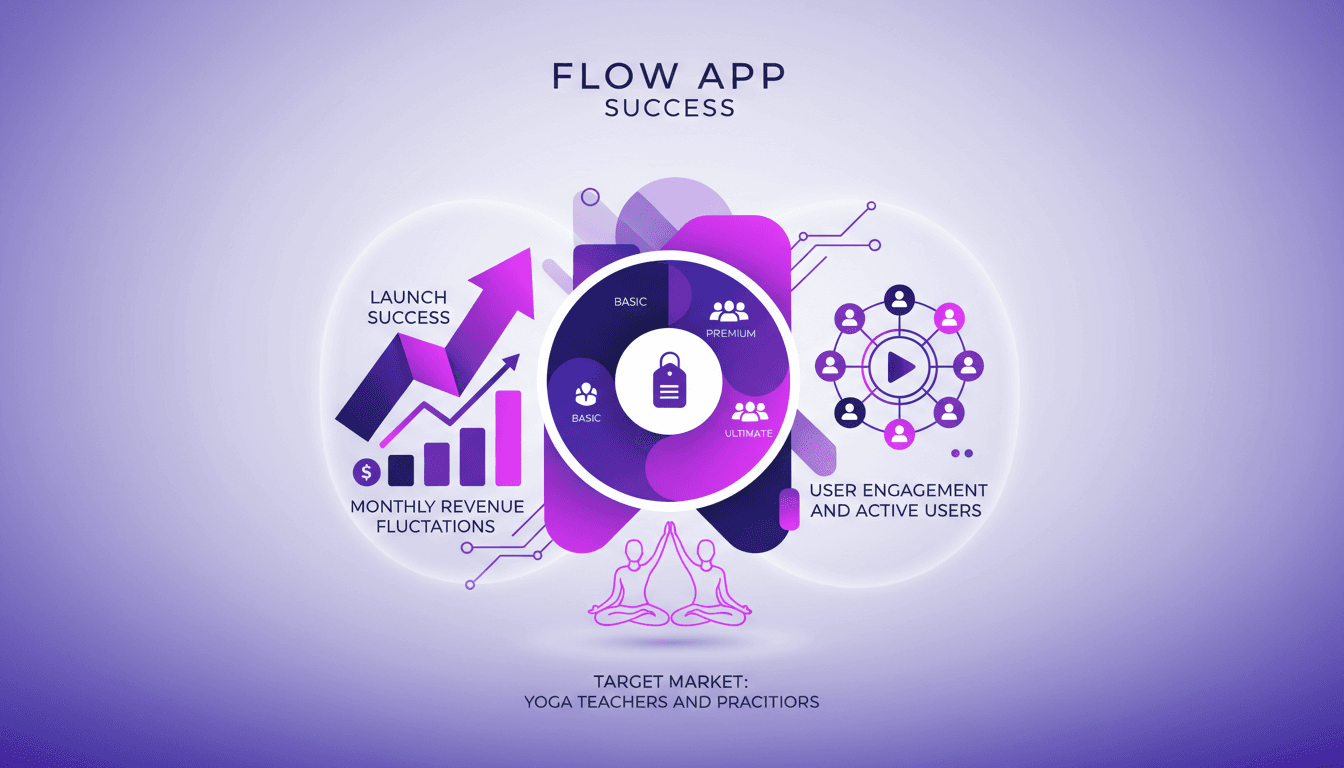
Flow App's Rapid Success: $120K in 24 Hours
I launched Flow App and hit $120K in 24 hours. Sounds crazy, right? Trust me, it was a wild ride with plenty of bumps. We built this app for yoga teachers and practitioners, transforming their workflow with a subscription model. Here’s the full story: the launch strategy, the hiccups, the wins, and the lessons learned along the way. It was a rollercoaster (I definitely got burned a few times). But ultimately, the business impact was direct: engaged users, revenue ups and downs, and a clearly defined target market. No theory here, just concrete reality.
Music and Fashion: Connect for Success
I remember the first time I truly grasped how interconnected the music industry and fashion are. It was during a late-night session with Netburn, a friend who might have just saved my career. This isn't just theory—I'm going to walk you through how I navigated the music industry, designed an album cover, and made personal changes to advance my career. We'll dive into the creation of 'Your Last Great Dreamer', the impact of vaping on opportunities, and the critical role of fashion in music. Never underestimate the power of committing to personal change for professional advancement. Join me, it might just transform your path too.
Engineering Role Growth: +800% by 2025
I've seen engineering roles explode by 800% while others stagnated. How? Through adoption, co-innovation, and rapid iteration. I've connected AI projects, orchestrated client collaborations, and piloted deployments at record speeds. These roles aren't just existing; they're evolving at a breakneck pace. Don't let this wave pass you by. I'll show you how to navigate these waters, maximizing impact and dodging common pitfalls.