XR Glasses Evolution: Success and Limits
Walking through CES 2026, I couldn't ignore the buzz around Rokin's booth. Everyone was talking about their lightweight XR glasses, and I had to see what the fuss was about. From crowdfunding triumphs to sleek designs, these glasses are shaking up the market. It's not just tech novelty anymore; these glasses are becoming practical, everyday tools. Rokin and Rokid are leading the charge, showing that XR glasses evolution is just taking off. But beware, not everything is perfect, and it's crucial to understand the limits to avoid getting burned.

Walking through CES 2026, I couldn't ignore the buzz around Rokin's booth. Everyone was discussing their lightweight XR glasses, and I had to see firsthand what made these glasses a standout. The swarm of interest wasn't surprising given their crowdfunding success, boasting 6 million units with a sleek 49 g design. But beyond the hype, there are crucial nuances to understand. These glasses aren't just a gimmick anymore; they're integrating into our everyday lives. With Rokin and Rokid leading the way, it's clear that XR glasses are evolving fast, but it's vital to recognize the technical and practical limits. Lightweight is great, but it often comes with trade-offs. In this article, I'll delve into the evolution, successes, and challenges of these new smart glasses.
Rokit Glasses: Crowdfunding Success
When I saw that Rokit managed to crowdfund 6 million units, I knew they had tapped into something special. It's not just about the money. It's a real market test to gauge consumer interest. They first built an engaged community, which they then leveraged for funding. It's a strategy I've applied in my own work: build first, then capitalize on that solid base.
But watch out, crowdfunding can be a trap. Over-promising is a risk that can lead to disappointment. I've seen projects fail due to unfulfilled promises. The trick is to engage early adopters and adapt based on their feedback. It's a lesson I've learned the hard way.
- Engage your community early.
- Use crowdfunding as a market test.
- Avoid making unrealistic promises.
Design and Features of Rokit Glasses
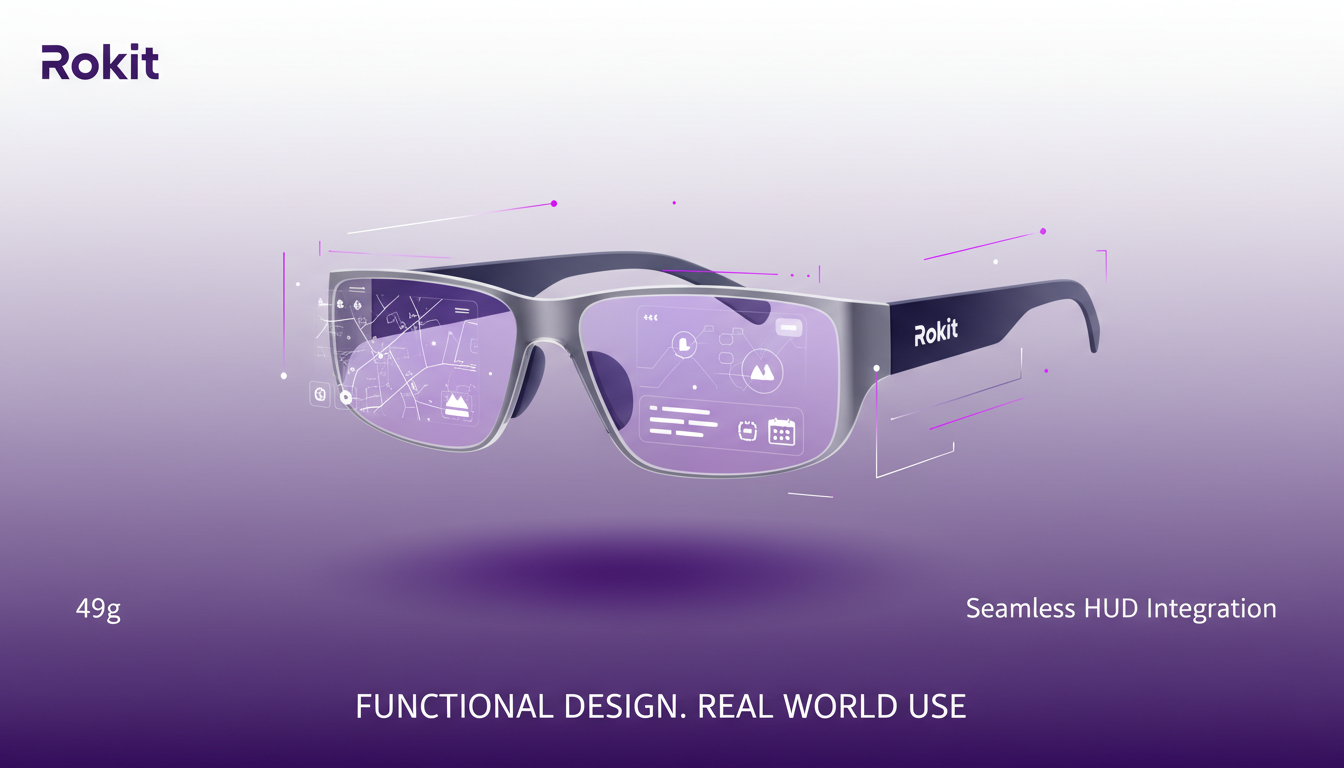
Rokit glasses redefine the term "lightweight" at just 49 g. Imagine wearing them all day without feeling any discomfort. The heads-up display integrates seamlessly into daily activities, not just for aesthetics, but for functionality. I tried them on, and honestly, the comfort level was impressive.
Yet, lightweight doesn't always mean durable. Watch out, they're fragile. I've learned the hard way that a drop can be fatal. But when you think about their design, it's a trade-off I'm willing to accept.
- Featherweight at 49 g.
- Practical heads-up display.
- Watch out for durability.
Rokid AI Glasses: Style and Accessibility
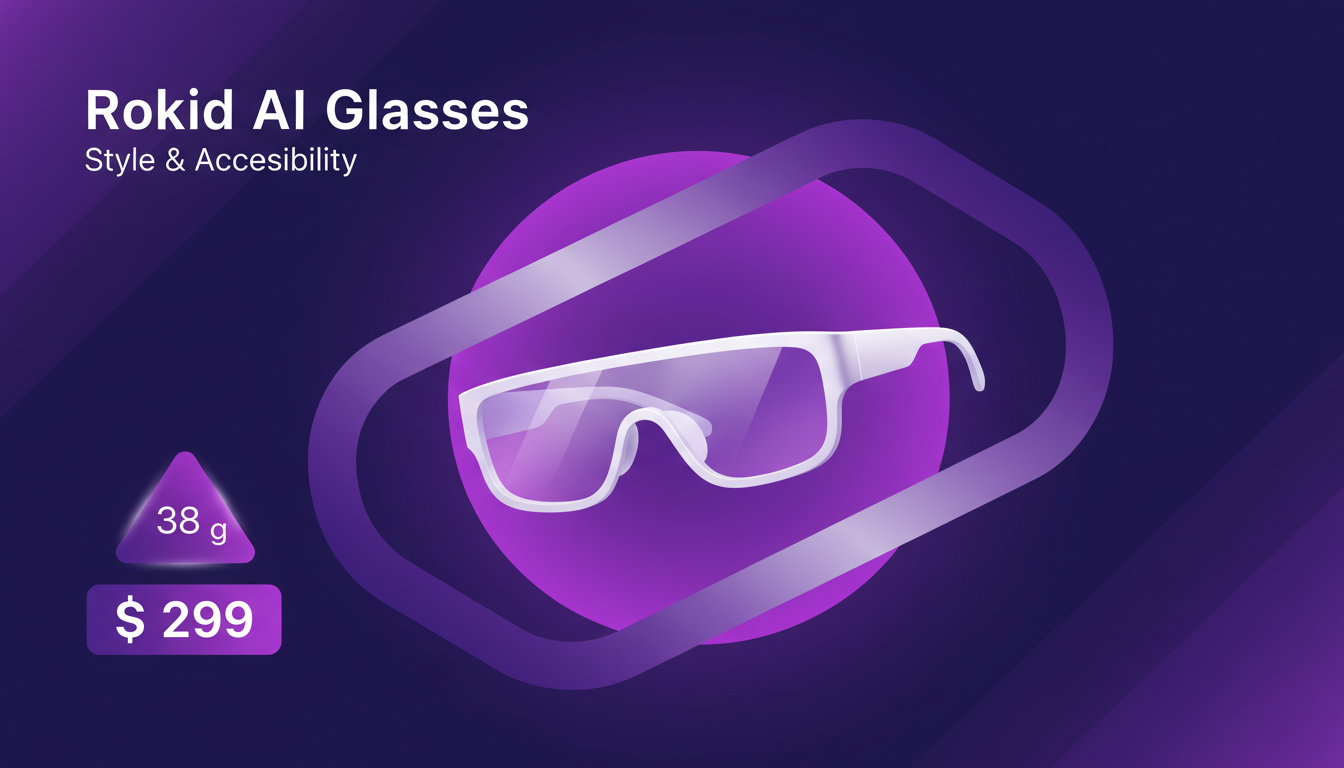
The Rokid AI glasses weigh a mere 38 g, setting a new benchmark. Priced at $299, they're accessible to a broader audience. They blend style and technology without the "gadget" label that can be off-putting. First, they prioritized user experience, then integrated AI features.
However, there are always trade-offs. Cutting-edge technology must be balanced with battery life. I've often had to recharge more frequently than expected, which is frustrating. But that's the price of being on the cutting edge.
- 38 g: a record for lightness.
- Affordable at $299.
- Trade-off with battery life.
Market Diversification and Strategy
XR glasses are no longer a niche gadget. They're diversifying into various markets. Rokin targets both tech enthusiasts and everyday users. First, understand your market, then tailor your product accordingly. I've seen the importance of accessibility, both in price and usability.
But watch out for market saturation. Innovation is crucial to stay relevant. I've seen companies stagnate because they couldn't adapt quickly.
- Understanding the market is essential.
- Accessibility in terms of price and use.
- Innovation to avoid saturation.
Future Prospects of Smart Glasses
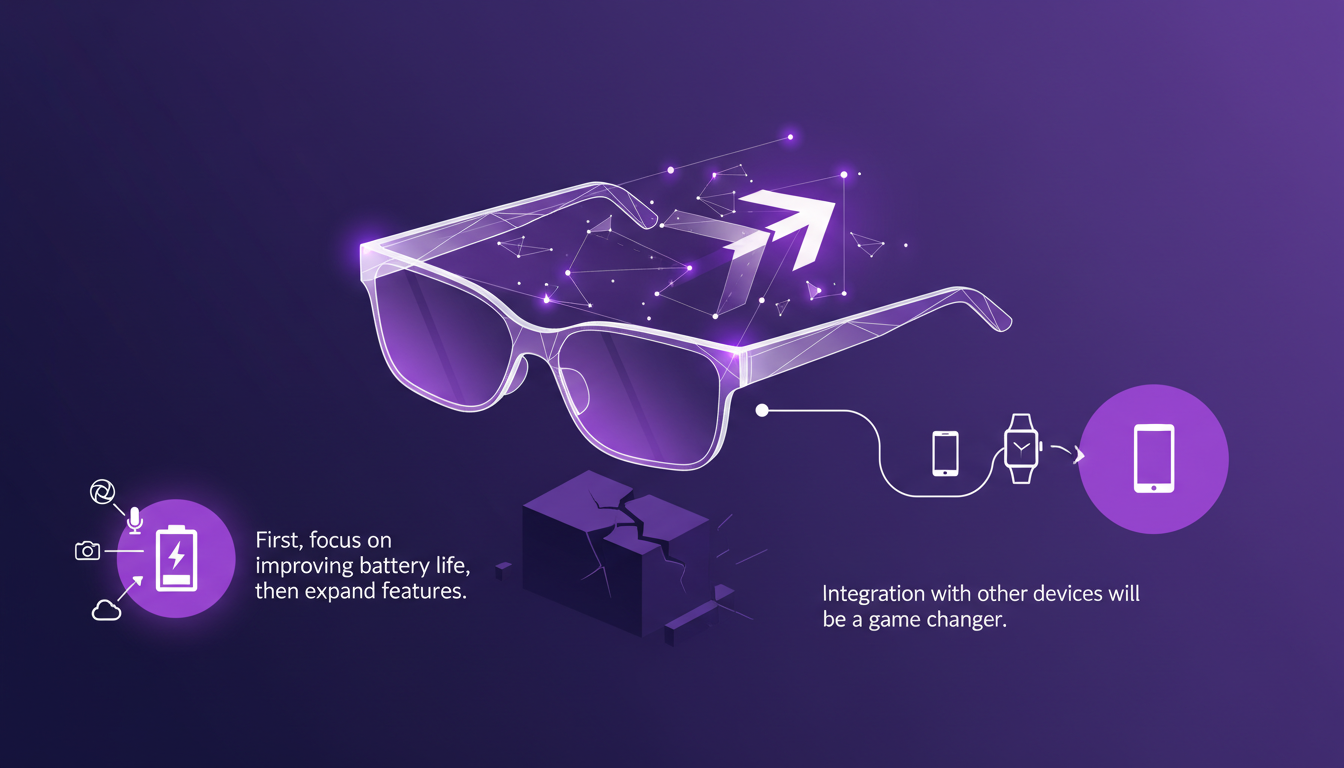
The future of smart glasses is bright, but not without challenges. Integration with other devices will be a real game changer. First, improve battery life, then expand features. These glasses could redefine how we interact with digital content.
However, tech adoption takes time. Don't expect overnight shifts. It's a lesson I often need to remind impatient clients.
- Improving battery life: a priority.
- Integration with other devices.
- Adoption takes time.
CES 2026 was a real game changer for XR glasses, and as a builder in this field, Rokin and Rokid are leading the charge. First off, the staggering 6 million XR glasses funded via crowdfunding indicate a massive market enthusiasm. Then, weighing in at just 49 g for Rokin glasses and 38 g for Rokid's AI style, the lightweight design makes a tangible difference for everyday users. But watch out—balancing innovation with practicality is crucial. It's exciting, but keep a critical eye. If you're thinking about diving into the XR market, keep a close watch on these developments—they might just redefine your tech strategy. Want to dive deeper? Check out the full video "Lightweight Smart Glasses at CES 2026" on YouTube: link. Now, it's your move!
Frequently Asked Questions

Thibault Le Balier
Co-fondateur & CTO
Coming from the tech startup ecosystem, Thibault has developed expertise in AI solution architecture that he now puts at the service of large companies (Atos, BNP Paribas, beta.gouv). He works on two axes: mastering AI deployments (local LLMs, MCP security) and optimizing inference costs (offloading, compression, token management).
Related Articles
Discover more articles on similar topics
In-Home Spa Treatment: CES 2026 Innovations
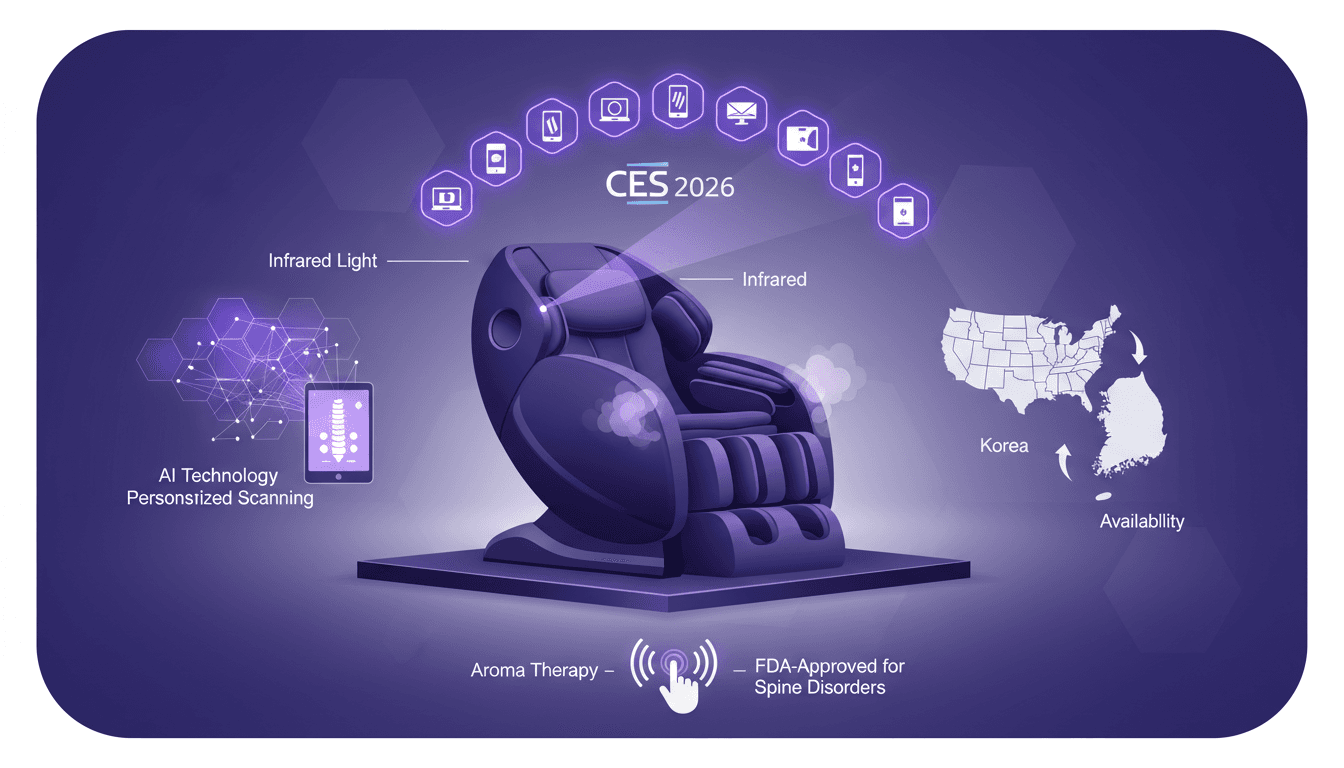
I was at CES 2026, and let me tell you, the in-home spa tech blew my mind. Imagine a massage chair that's FDA-approved for spine disorders. I tried it, and here's how it works. CES introduced 12 cutting-edge products, but this chair stole the show. With personalized scanning, infrared light therapy, and aromatherapy, it redefines home wellness. Available in Korea and the United States, it offers an unparalleled relaxation experience. Let's dive into its features and see what makes it stand out.
Google Gemini: Personal Intelligence Unveiled
I've been knee-deep in AI development for years, and Google's latest moves are making waves. With the launch of Personal Intelligence in Gemini, we're entering a new era. But let's be clear, not everything's groundbreaking. From futuristic gadgets like connected glasses set for 2026 to the Vision program's educational offerings, there's a lot to unpack. Don't get swept away by the hype. What really interests me is how these innovations translate into tangible impacts on our daily lives. Let's break it all down together.

Exploring Heat at CES 2026: Sensory Experience
I walked into CES 2026 and the first thing that hit me wasn't the tech—it was the heat. Not the temperature, but the theme. They managed to make us feel that heat through music and repetition. Let me show you how they crafted this sensory experience and why it matters. CES chose 'heat' as its theme, but instead of just telling us, they made us live it. No heavy data or explicit information, just an experiential presentation that sticks with you. Let's dive into this immersive experience and see what we can learn for our own projects.
Gro Imagine API: Use Effectively
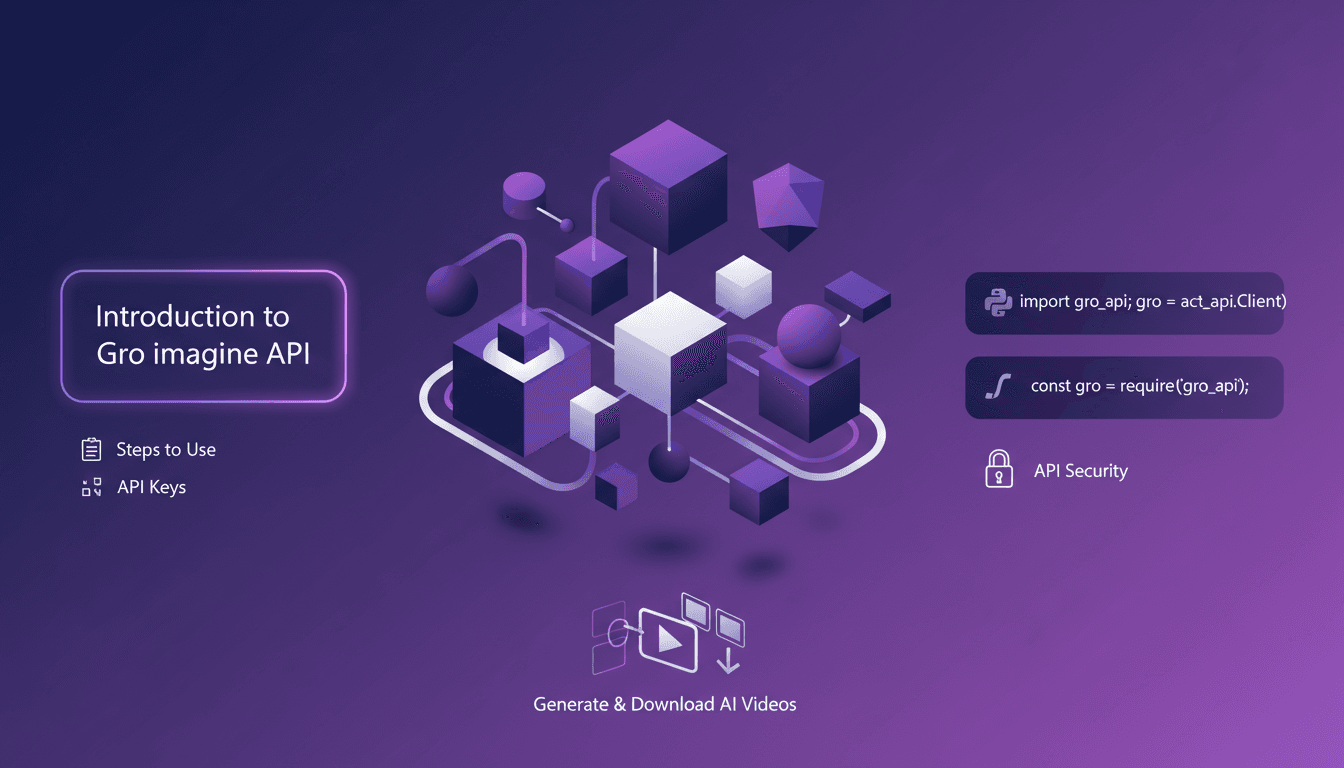
I dove straight into the Gro Imagine API and found it surprisingly straightforward once I got my hands dirty. This API turns text into video, and it’s truly a game changer. But watch out for the quirks: over 15 seconds and you're in trouble. Let me walk you through how I set it up, step by step, with Python and JavaScript snippets for interaction. Securing your API keys is essential, and I’ll guide you on generating and downloading your AI-generated videos without a hitch.
Caterpillar Innovations at CES 2026: Safety and Tech
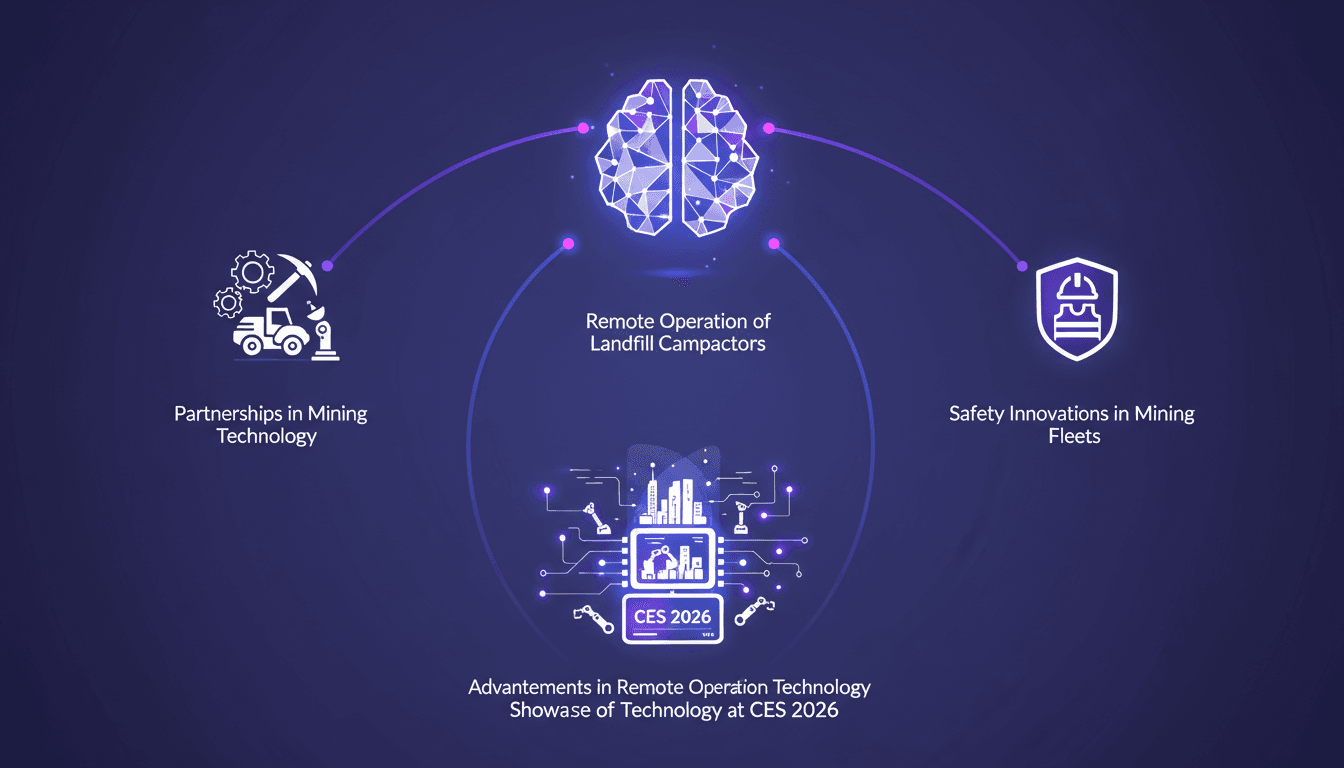
I walked into CES 2026 with one goal: to see how Caterpillar is pushing the boundaries of mining technology. First thing I noticed? The buzz around their remote operation systems. Caterpillar doesn't just follow trends, they create them. From advancements in tech partnerships to innovations in the remote operation of compactors, they're redefining safety in mining fleets. Let me take you through what I discovered—trust me, it's a game changer for the future of the mining industry.