Building a 20M€ ARR App: My Journey
I didn't set out to build a 20M€ ARR app. It all started with a list of 100 dreams after Christmas 2019. Fast forward to today, and we're in 52 countries, tackling urban loneliness head-on. I orchestrated the development, navigated through financial challenges, and adjusted our business model to reach a global audience. This journey is more than just code; it's about human connection. In this article, I take you behind the scenes of our entrepreneurial journey, from the initial idea to managing global expansion. If you're ready to see how an idea turns into success, dive in with me.

I never intended to build an app that would generate 20M€ ARR. In fact, it all started with a simple list of 100 dreams after Christmas 2019. Back then, I was just trying to find a way to make life better in our often lonely cities. Fast forward to today: my app is in 52 countries, and I'm tackling urban loneliness head-on, a problem many see as insurmountable. But be warned, it hasn't been an easy road. I got burned a few times juggling development, fundraising, and the necessary pivots to adapt our business model for a global audience. In this article, I share the behind-the-scenes of our entrepreneurial journey, the challenges faced, the mistakes made, and the strategies that worked. If you want to understand how you turn an idea into a multi-million success, join me on this journey.
My Entrepreneurial Journey: From Dreams to Reality
Back in 2019, just after Christmas, I locked myself away with a journal and listed 100 dreams. Yes, 100. It was a pivotal moment, as I was at a crossroads in my professional life. Writing down these dreams gave a clear direction to my ambitions. But beware, it wasn't just a positive thinking exercise. From the start, the challenge was to clearly define the mission of the app I wanted to develop. The idea pivoted several times before crystallizing around a goal: combating urban loneliness.
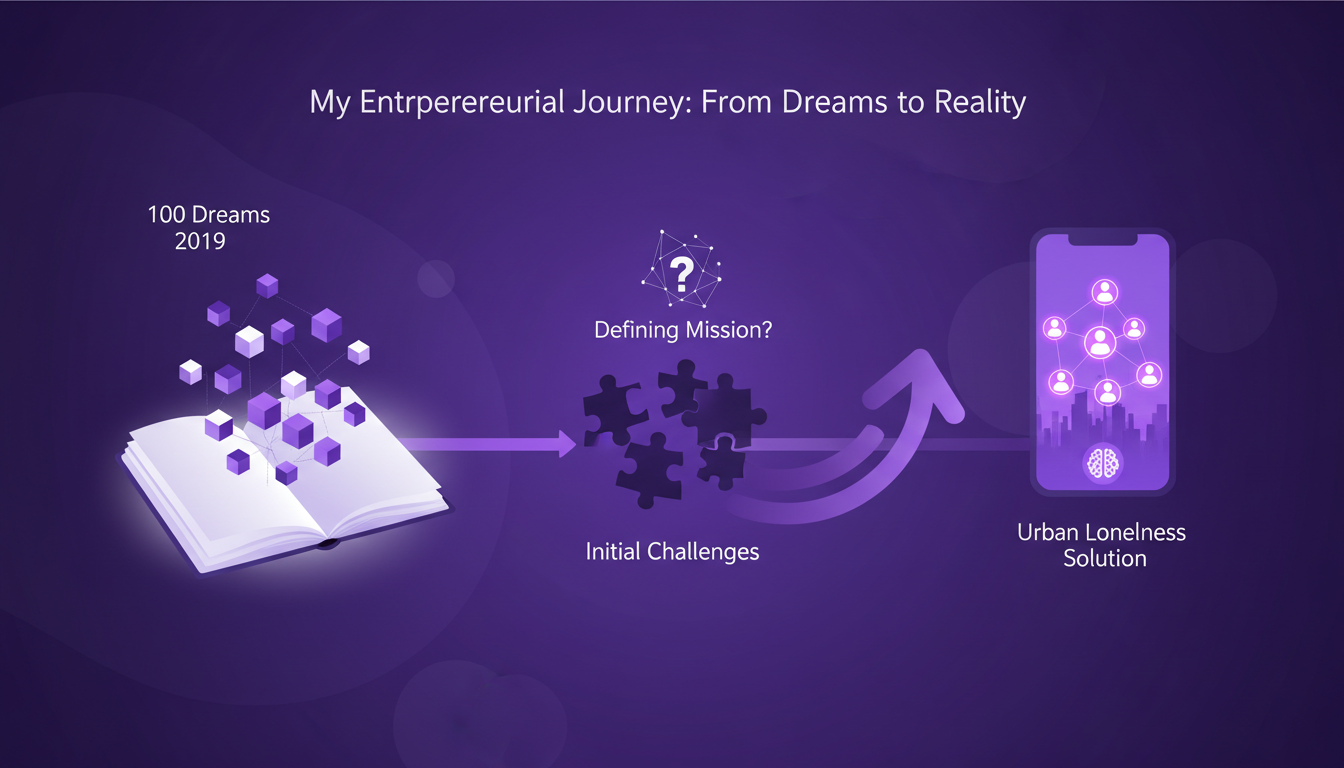
The path hasn't been easy. We raised 2 million euros to last three years, but we had to learn to adapt quickly in an ultra-competitive industry. I met people, tested ideas, and most importantly, learned how to pivot without losing sight of our mission's essence.
Addressing Urban Loneliness: The App's Mission
Urban loneliness has become a major issue in big cities. I've seen it first-hand, and that's what motivated our app's mission. The idea was to create genuine social connections. Not just superficial meetings, but interactions that truly enrich users' lives.
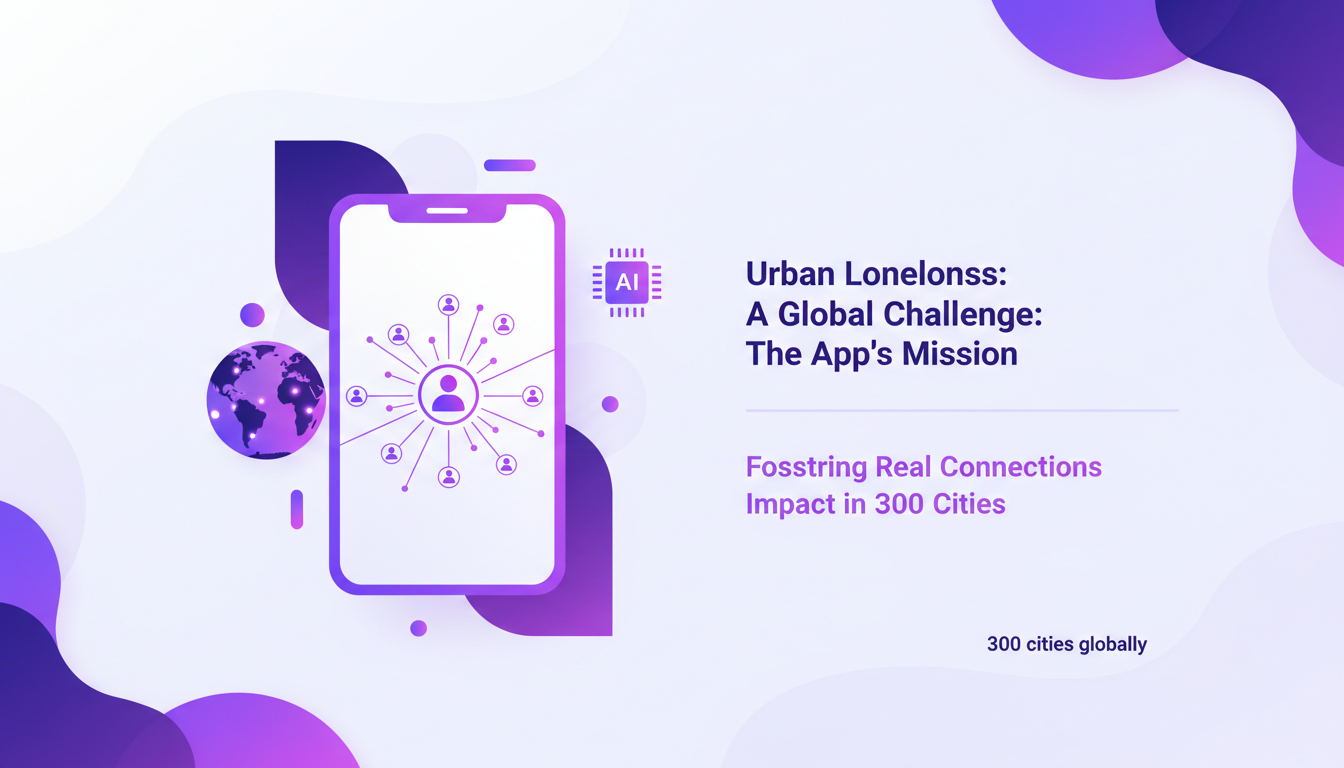
In just a few years, the app has expanded to 300 cities and 52 countries. It's no small feat! Yet, it wasn't without challenges. We had to juggle between user experience and our mission-driven goals. And with global expansion, navigating cultural differences became crucial.
Scaling and Financial Management: The Backbone
Achieving an ARR (Annual Recurring Revenue) of 20 million euros is no accident. It's the result of a well-orchestrated growth strategy. Financial management is at the heart of this evolution. Raising 2 million euros was the first step. Then, we had to manage costs and ensure sustainability. For this, we built a robust backoffice system with a team of 15 developers.
We had to make tough choices, like reducing our monthly expenses to 5000-6000 euros to maintain an 8-month cash runway. Every euro counted, and it's in these moments that rigorous management makes all the difference.
Marketing and User Acquisition: Driving Growth
Making the app visible requires an effective marketing strategy. One of the levers was media coverage: 200 articles in a year, not bad, right? But that was just part of the equation. User acquisition must be cost-effective. We used ads, but watch out, you need to find the right balance between cost and reach. Understanding user acquisition cost and payback period is essential to avoid burning too much capital.
Sometimes, it's more effective to bet on viral content. I wrote an article on how to validate an app idea using viral content, and it served as a guide for many projects.
Pivoting and Business Model Evolution: Adapting to Change
You have to be ready to pivot when things don't go as planned. Evolving the business model is crucial to meet market needs. I've learned to savor failures and adjust strategies. Innovation must go hand in hand with business goals. That's what keeps you ahead in a highly competitive app market.
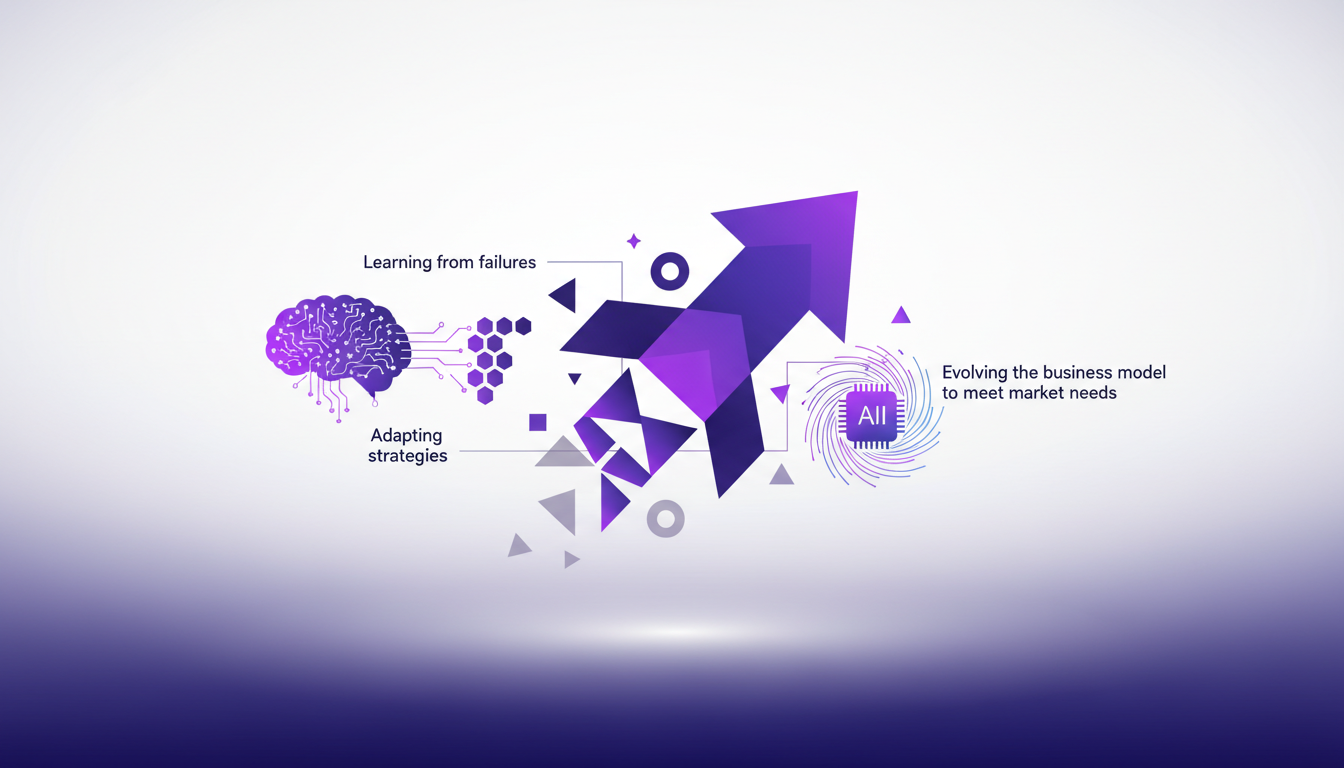
Through four pivots in three years, I've understood that adaptability is not just an asset but a necessity. You can read about a similar example in how to build a successful SaaS with Twitter.
- Don't be afraid to fail.
- Know when to pivot or improve an existing concept.
- Maintain a balance between innovation and business objectives.
Building an app to reach a 20M€ ARR is anything but straightforward. First off, it's not just about having a brilliant idea; it's about overcoming real challenges. From my experience, resilience is key, especially when you have to make strategic pivots — that's when your commitment to your mission really gets tested. And let's not forget those 200 press articles in one year, that didn't happen by chance, it came from a lot of sweat and strategy.
- Here are some concrete takeaways:
- Identifying the mission: It all starts here. When your mission is clear, it becomes your compass.
- Strategic flexibility: Be ready to pivot. It's these adjustments that make all the difference.
- Resilience: This is a marathon, not a sprint. Challenges are inevitable, but they shape your journey.
Looking ahead, this approach has shown me that ambitious dreams can become reality with the right strategies. Ready to tackle your own app challenges? Start by clarifying your mission and stay flexible. To dive deeper, I encourage you to watch our full video. It's a goldmine of inspiration for those who truly want to understand how to turn an idea into commercial success. Watch here.
Frequently Asked Questions

Thibault Le Balier
Co-fondateur & CTO
Coming from the tech startup ecosystem, Thibault has developed expertise in AI solution architecture that he now puts at the service of large companies (Atos, BNP Paribas, beta.gouv). He works on two axes: mastering AI deployments (local LLMs, MCP security) and optimizing inference costs (offloading, compression, token management).
Related Articles
Discover more articles on similar topics

How I Built an $800K App in One Year
I've been there—ten apps, ten failures. Then came Glow Up, which pulled in $800K in a year. I used TikTok, a robust tech stack, and sheer grit to turn things around. Let me take you through how I found the idea, kept costs low, and attracted 2 million users. This is real-world execution, not theory. Curious about those 90% profit margins and making $12.5K in a single day? Stick around, I'll break it all down.
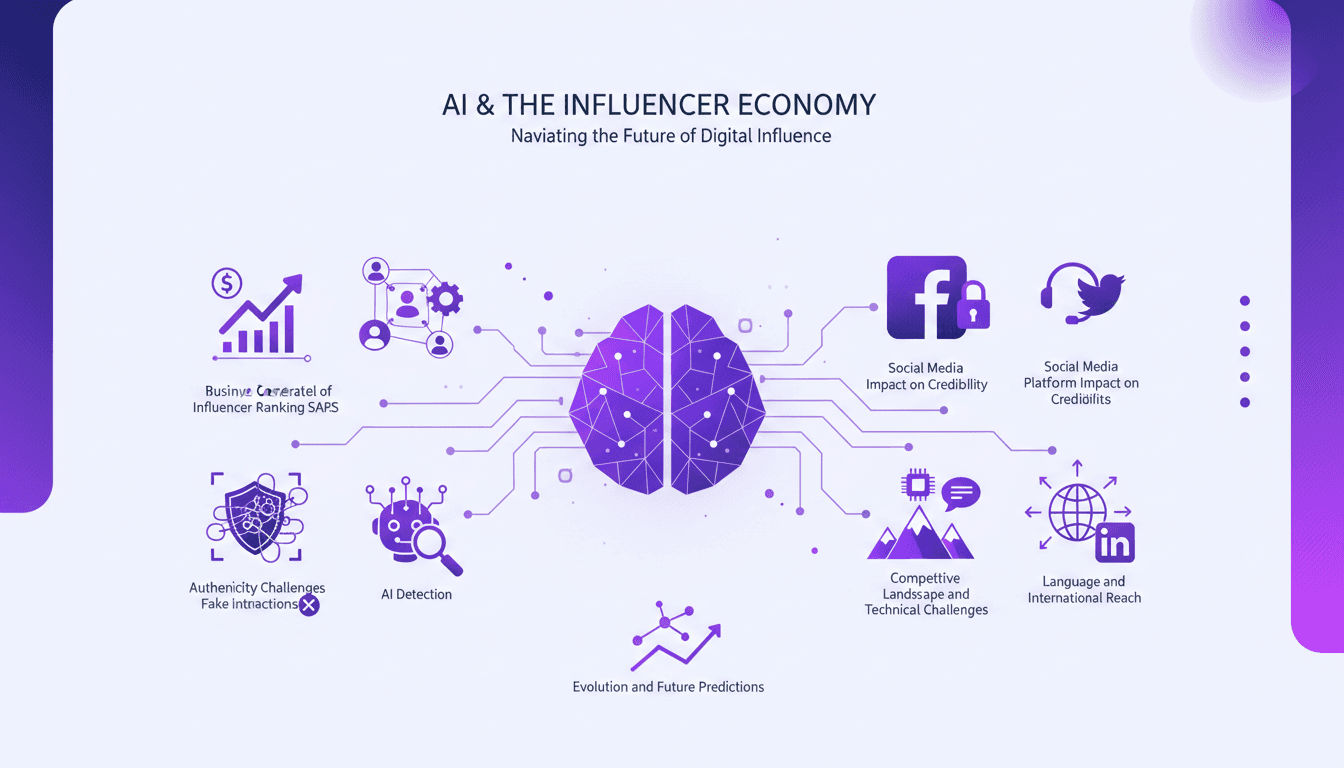
Generating €120K/Month with Influencer SaaS
I started with an idea and a laptop, and now my SaaS is pulling in €120K a month. I built an influencer ranking platform that cuts through the noise of fake engagements and delivers real value. In today's influencer marketing landscape, authenticity is king. But with fake interactions rampant, how do you build a tool that truly ranks influencers by their real impact? Here's how I tackled this challenge using AI, PLG, and a relentless focus on authenticity.
Building a Successful SaaS with Twitter
I kicked off with a simple idea on Twitter and turned it into a $10K/month SaaS business. Building in public isn't just a catchphrase—it's a strategy that works. Let me show you how I orchestrated this transformation, from tools used to viral content tactics, overcoming challenges, and monetization strategies. If you've ever wondered how to leverage Twitter for building a thriving business, stay with me. I break it all down, step by step, including the importance of vulnerability and authenticity. Remember: never underestimate what the platform wants—that's the key to success.
Validate Your App Idea Using Viral Content
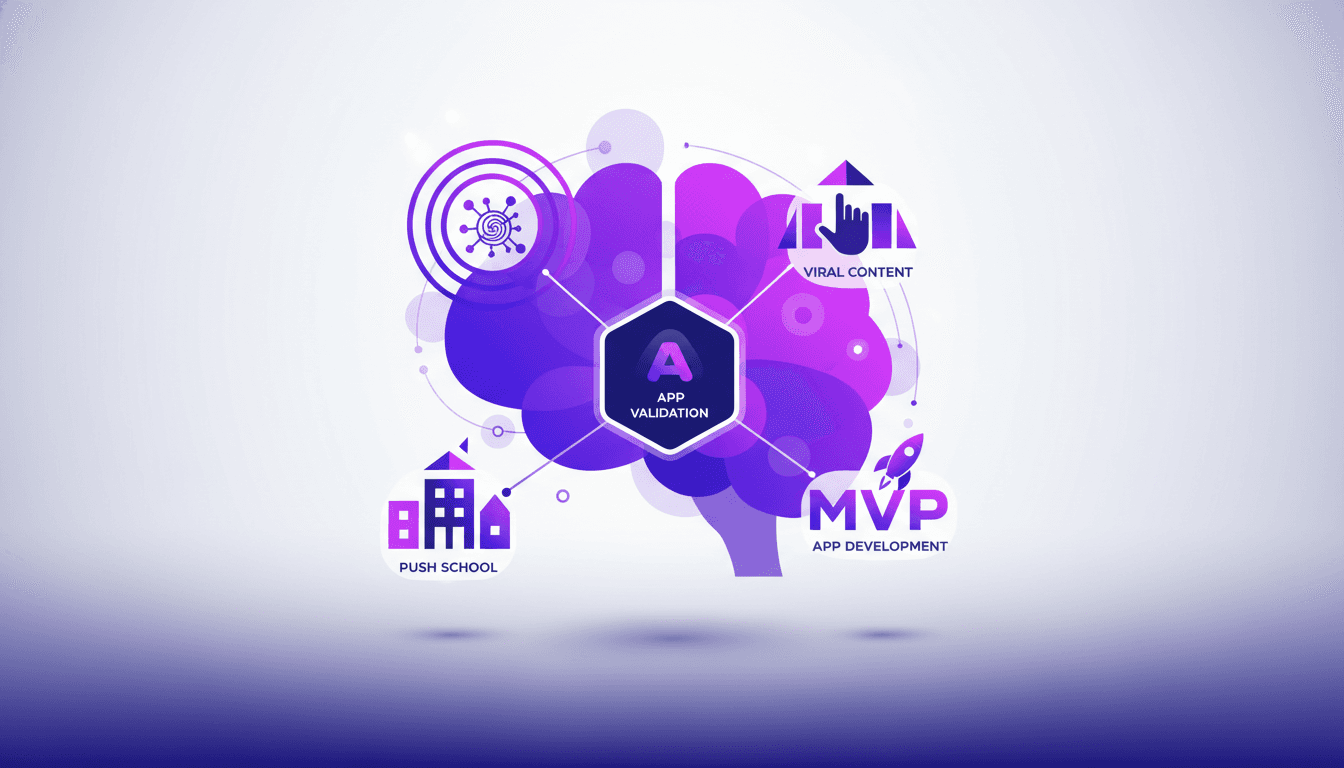
I remember the first time I thought I had a million-dollar app idea. I was ready to dive headfirst into development. But then, I discovered a smarter way: validating the idea with viral content. With Push School, I used this approach to hit $30K in monthly revenue without writing a single line of code. Let me walk you through how I orchestrated this, leveraging viral content and strategic distribution to ensure success. In this article, we'll explore how to validate an app idea, Push School's business model, and why distribution is crucial even before you think of an MVP.

Validate Your App Idea Before Building
I remember the first time I thought I had a million-dollar app idea. I was ready to dive into development, but then I hit pause. Why? Because I learned from Alejandro and Mario's journey with Push School that validating your app concept before writing a single line of code can save you time, money, and a lot of headaches. In this article, I'll take you through the practical steps they used to turn an idea into a $30K/month reality. We'll dive into content strategies, community building, and the technical tools they leveraged. You'll see how a fake product demo racked up 80K views and 500 comments asking for the app to be built. It's a masterstroke for anyone wanting to ensure their idea is worth the investment.