Automated Call Reviews: Boost Your Sales
I remember the first time I realized our sales team was bleeding 70% of potential revenue just from missed follow-ups. I had to act fast. I connected our CRM to an automated call review tool, and it was a game changer. But don't get me wrong, AI isn't a magic bullet. I also reinstated role-playing sessions and regular follow-ups. By blending tech with tried-and-true tactics, I saw our revenue climb. In this article, I take you behind the scenes of this transformation, sharing my missteps and victories.
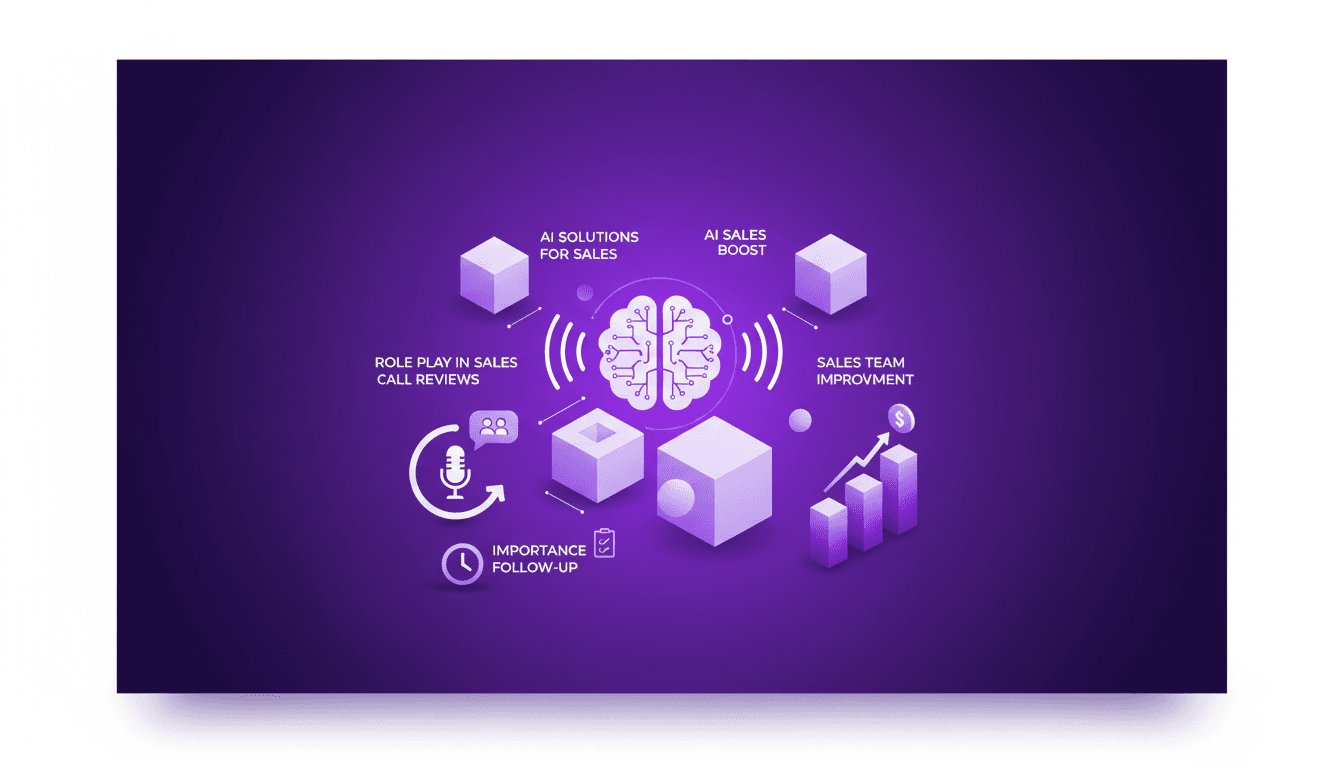
I still remember the day I discovered our sales team was bleeding nearly 70% of potential revenue just because of missed follow-ups. I literally jumped onto my keyboard to connect our CRM to an automated call review tool. And that's when I saw the magic happen. But be careful, AI doesn't solve everything. I got burned thinking otherwise once. So I also dusted off some classic methods like role-playing sessions and systematic follow-ups. The result? Revenue skyrocketed. In this article, I'll walk you through how I orchestrated all of this, sharing my pitfalls and successes. We're diving into automated call reviews, the importance of follow-ups, and strategies to boost your sales. So, let's dive into this journey to transform your sales team—and your revenue.
Identifying the Revenue Drains
In my experience, the first crucial step for any business is identifying where it's losing money. For us, it became quite clear after diving into the details: 70% of our revenue was coming from follow-up, yet that's where we were failing the most. Without an effective follow-up system, it was like shooting arrows in the dark. We also had a glaring lack of automated call reviews — a huge bottleneck. If you're not reviewing your calls, how can your salespeople improve? Additionally, role play was underutilized, leaving our teams unprepared for customer objections. Recognizing these issues was the first step towards improvement.

Implementing Automated Call Reviews
So I set up an automated call review system. It was a real game changer for getting feedback. I used AI tools to transcribe and analyze calls, giving us real insights into our performance. But watch out for data overload: focus on key metrics like conversion rates. By orchestrating this system, we streamlined our process, saving time and boosting efficiency.
Revamping Role Play in Sales
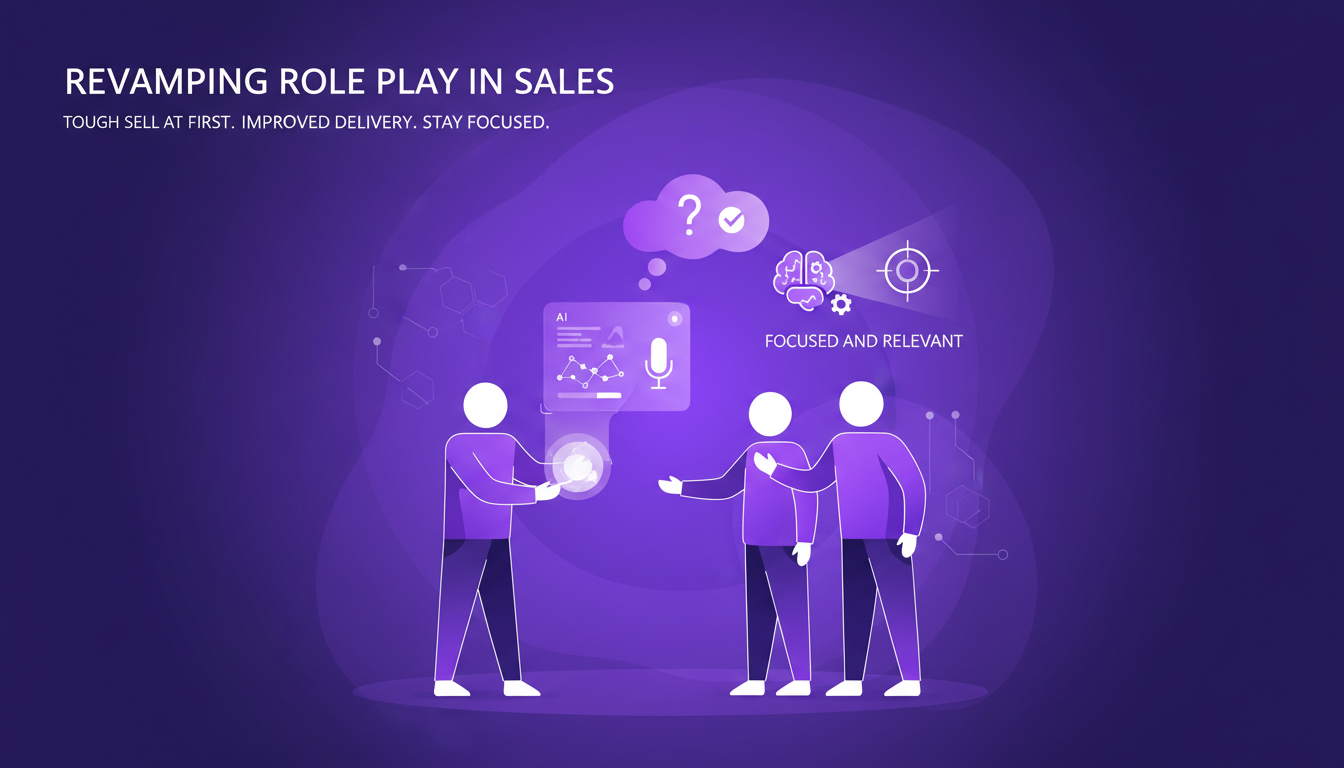
Next, we incorporated regular role play sessions. At first, it was a tough sell, but the results spoke for themselves. These sessions improved pitch delivery and objection handling. Don't overdo it either — keep sessions focused and relevant. The impact was immediate: more confident and prepared sales reps.
Mastering the Art of Follow-Up
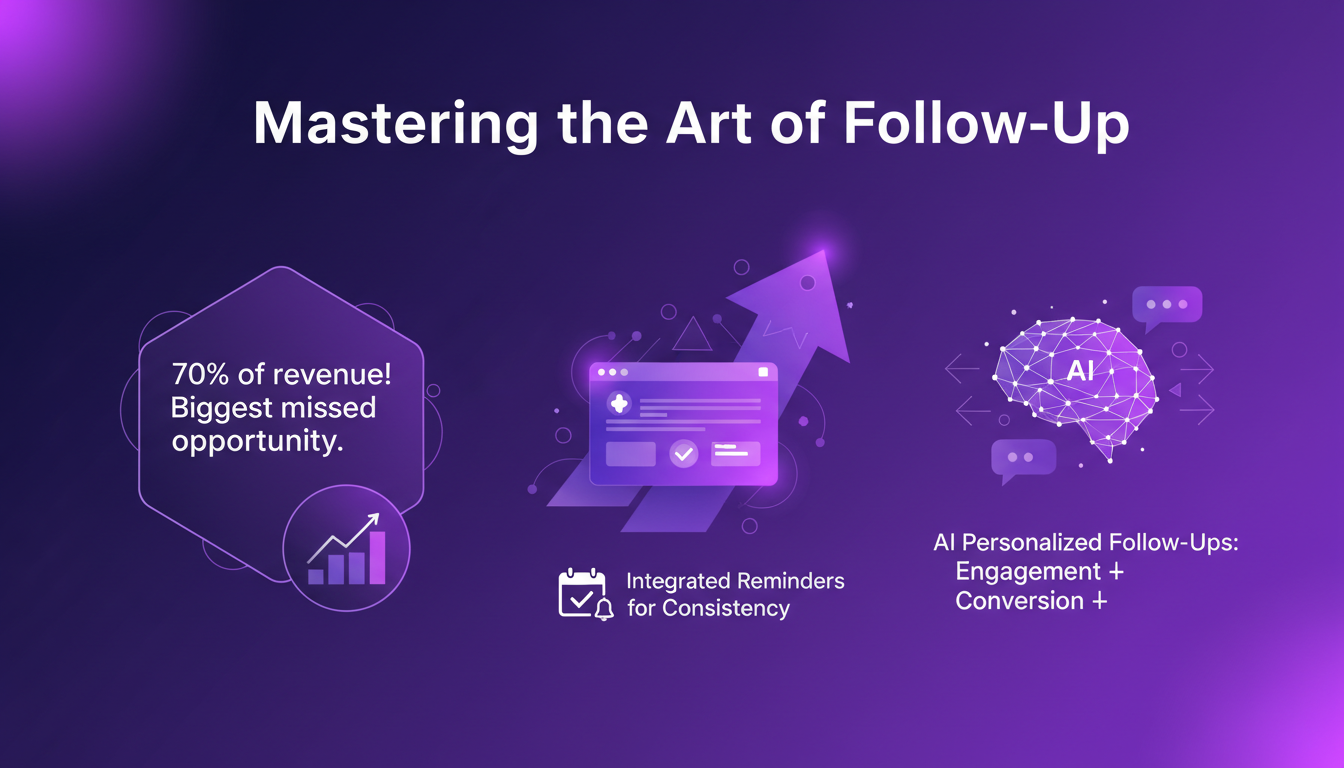
I quickly realized that follow-up was our biggest missed opportunity. We integrated follow-up reminders into our CRM for consistency. AI helped us personalize these follow-ups, increasing engagement and conversions. Beware of over-automation though — keep the human touch in your messages.
AI Solutions: The Future of Sales
AI isn't just a buzzword; it's a critical tool for sales optimization. We used AI to predict customer behavior and tailor our approach. Balance is key — combine AI insights with human intuition. And the result? A more efficient, effective sales process with measurable results.
By integrating all these solutions, we were able to not only fill the gaps but also transform our commercial approach in a sustainable way.
By addressing these silent killers with automated call reviews, role play, and strategic follow-ups, I didn't just plug revenue leaks—I set up the stage for sustainable growth. AI was pivotal in this transformation. Here are a few concrete takeaways:
- Automated call reviews expose hidden gaps in our interactions—a real game changer.
- Role play in sales is underrated; it's where I saw my teams truly level up.
- Never underestimate the power of follow-ups; that's where 70% of our revenue comes from.
But watch out, you need a solid strategy to harness AI's full potential without getting lost in complexity. Ready to transform your sales process? Start with these strategies and watch your revenue soar. I recommend checking out the original video for deeper insights: 3 Silent Killers Bleeding 70% Of Your Revenue.
Frequently Asked Questions

Thibault Le Balier
Co-fondateur & CTO
Coming from the tech startup ecosystem, Thibault has developed expertise in AI solution architecture that he now puts at the service of large companies (Atos, BNP Paribas, beta.gouv). He works on two axes: mastering AI deployments (local LLMs, MCP security) and optimizing inference costs (offloading, compression, token management).
Related Articles
Discover more articles on similar topics
AI's Impact on Real Estate Contracts
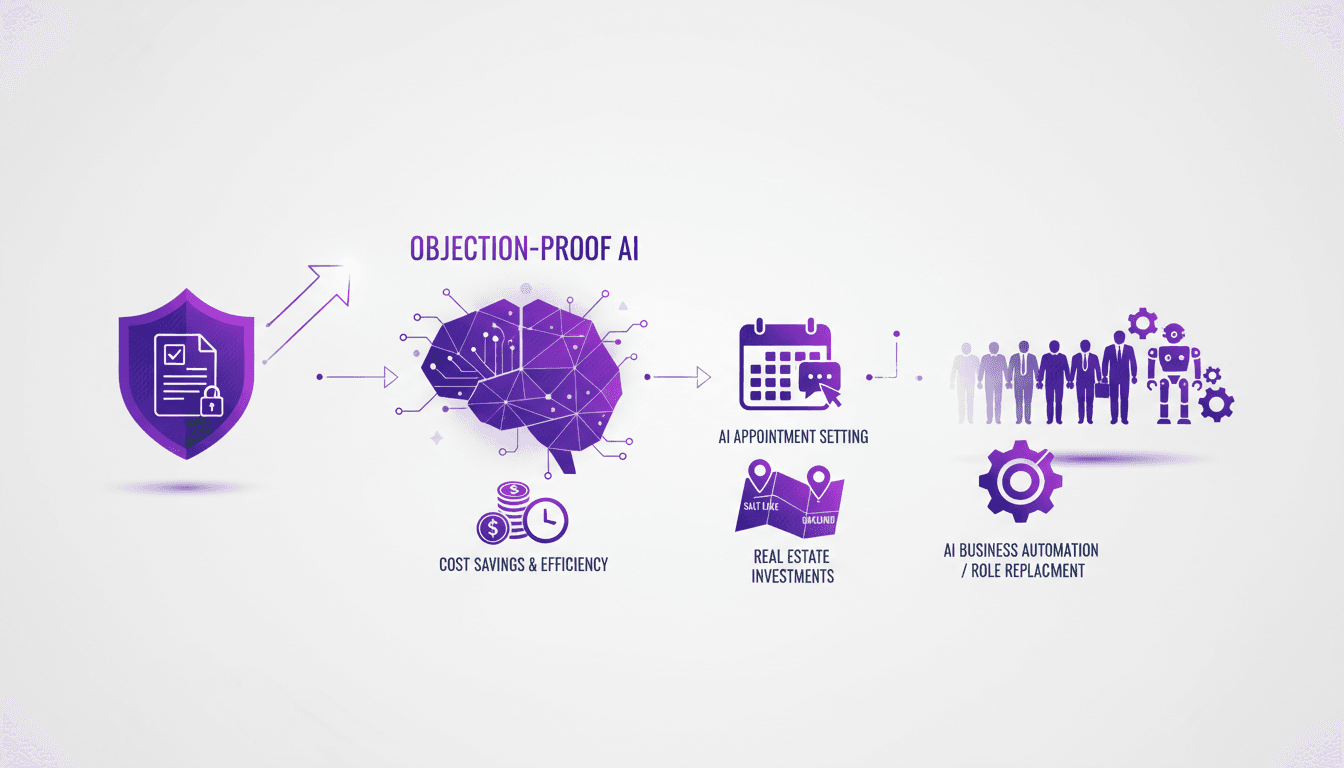
I remember the first time I closed a deal using Objection Proof AI. It was a game changer. Suddenly, I had 17 contracts lined up, and my business was on a new trajectory. In the competitive world of real estate investing, efficiency and quick decision-making are crucial. AI isn't just a buzzword; it's a tool that can transform your operations if you know how to wield it effectively. With Objection Proof AI, I saved tens of thousands of dollars by replacing five staff members and saw my daily appointments jump to three or five new clients. Let me show you how this AI revolutionized my real estate operations in Salt Lake and Oakland.
Boosting Conversion Rates with AI
I've been in the trenches of sales for years, and nothing stings more than seeing a pile of leads convert to dust. But here's the kicker: AI can turn that around if you know how to wield it. In this article, I'll walk you through leveraging AI to boost your conversion rates. We'll dive into real-world workflows, dodge common pitfalls, and see how AI can truly make a difference, especially in analyzing sales calls. Basically, if you want your stack of 100 leads to convert beyond just 15 closings, it's time to harness these AI tools.
AI's Impact on Open Source: Opportunities
I remember the first time I integrated AI into my open-source project. It was a game changer, but not without its challenges. AI is reshaping the open-source landscape, enhancing security but also threatening traditional business models. Let's discuss the implications of this transformation – from AI tools boosting productivity to re-licensing and copyright issues. Open-source maintainers are facing unprecedented challenges, not to mention threats to existing business models. How is your open-source project adapting to this new era?

Ralph Loops: Building Simple, Effective AI
I remember the first time I built a Ralph Loop. It was like finding a missing puzzle piece in AI-driven development. Not just theory, but a real workflow that changed how I orchestrate tasks. These loops streamline automation using AI models like GPT 5.8, offering a practical, no-nonsense approach. Imagine orchestrating tasks seamlessly while addressing the challenges and benefits of using AI in software development. In this article, I'll take you through Ralph Loops, their practical applications, and how they can truly transform your workflow. Let's dive into the limits, security and ethical considerations, and scaling these processes in team environments. Yes, the future of AI in automating complex workflows is already here. Ready to dive in?
GPT-5.5 Instant: What's New and Improved
I dove into the new GPT-5.5 Instant, and let me tell you, it's a game changer. But like any tool, it has its quirks. Transitioning from GPT-5.3 to 5.5 isn't as straightforward as it seems. I'll break down how I navigated this technological leap. With this update, OpenAI is pushing us further into AI capabilities. Whether you're a free or paid user, these changes have a direct impact on our everyday applications. Let's dissect the new features of the 5.5 model, the performance enhancements, and I'll share my tips for getting the most out of this advancement.