Valuing Your Art: Creative Pricing Strategies
I remember the first time I priced one of my handmade rings. It felt like putting a piece of my soul on the market. I underestimated its value, just like many of us do. But then, a customer offered more than I asked, and it hit me: I needed to rethink how I valued my creativity. In this article, we'll dive into how undervaluing creative work can undermine your business and how to adopt effective pricing strategies for handmade goods. We'll draw comparisons with luxury brands and discuss the emotional value of art. If you want to avoid the mistakes I made, keep reading.
The first time I put a price on one of my handmade rings, it felt like putting a piece of my soul on the market. I underestimated it at $15, thinking that was fair. Then a customer offered me $40 for the same ring, and it hit me—I needed to rethink how I valued my creativity. It's not just about the price tag; it's about recognizing the emotional and sentimental value of what we create. In this article, I share how I re-evaluated my pricing strategies and why it's crucial not to undermine your creative business. We'll discuss comparisons with luxury brands and how they position their products. If you're like me, juggling passion and business, and have been burned before, this article is for you. We'll talk about the mistakes to avoid and the strategies that really work for valuing your art.
Understanding the Undervaluation of Creative Work
Many of us, as creators, have found ourselves undervaluing our work, often because of emotional attachment. Take, for instance, the ring maker who crafts from spoons. He priced his butterfly ring at $15, thinking it fair. But, in reality, this price underestimates the true value of his work. A customer even offered to pay $40. Why? Because the piece held a deep personal significance for him.
"You're not understanding that it's not about how much it costs to make, it's about the value of the idea."
By undervaluing our work, we risk compromising the sustainability of our business. Recognizing the worth of our art goes beyond material costs. That's a lesson I've learned the hard way: not valuing your work is a risk of not making a living from it.
Developing Effective Pricing Strategies
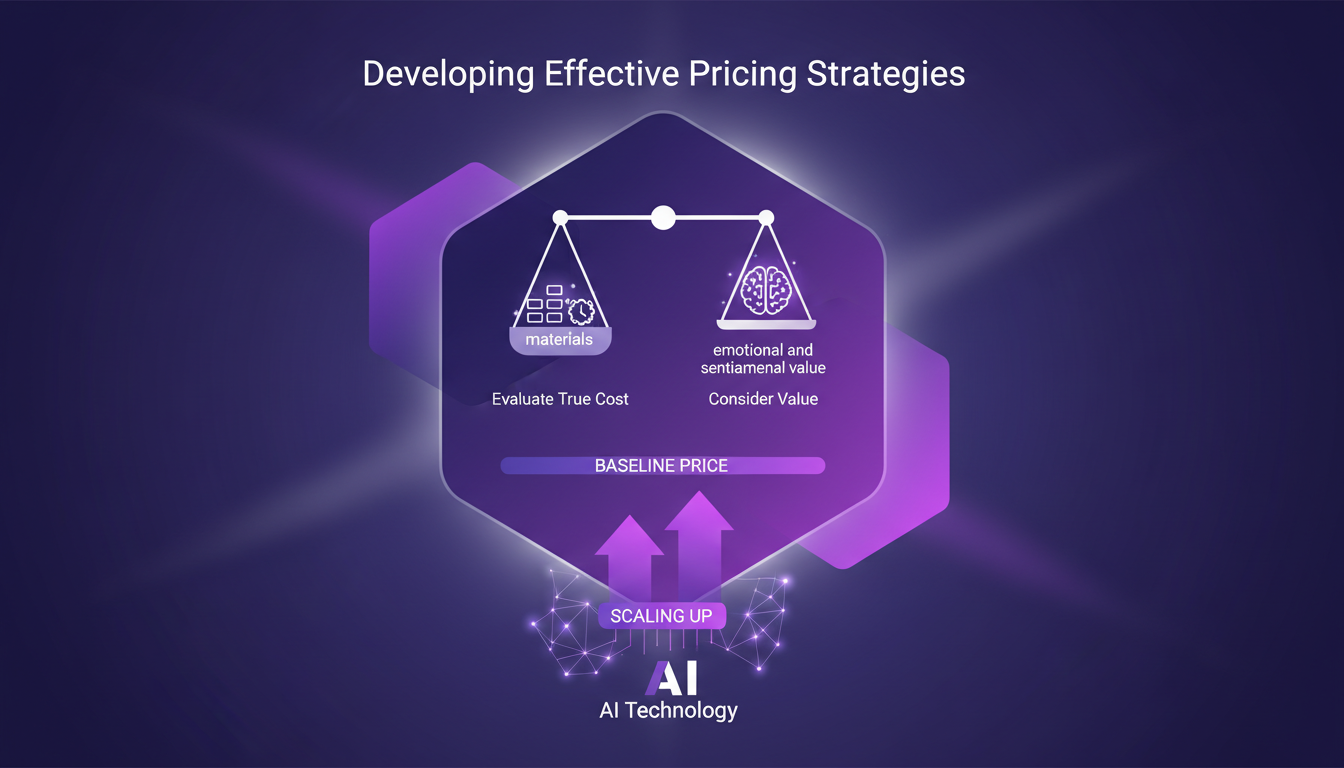
First, evaluate the true cost of your materials and time. We often forget the time spent designing, testing, failing, and starting over. Then, consider the emotional and sentimental value your work provides. Is a customer willing to pay more for this emotional connection? Often, they are.
An effective strategy is to set a baseline price that at least covers costs and then scale up based on perceived value. Sometimes, the customer is willing to pay more, as in the case of our ring maker, where the customer saw sentimental value in the butterfly ring.
- Evaluate material costs and time
- Consider emotional value
- Test higher prices to see market reaction
Emotional and Sentimental Value in Art
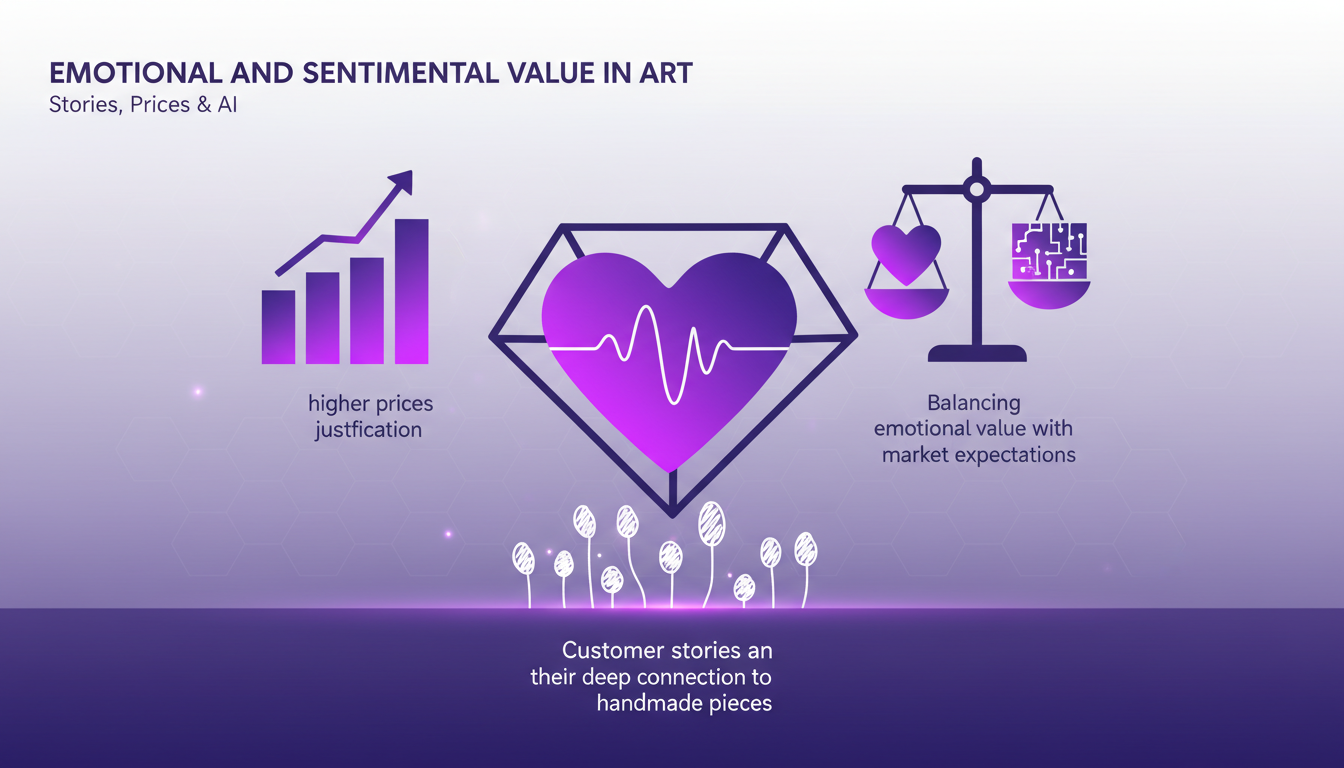
The emotional significance of art can often justify higher prices. I've had customers purchase pieces not for their aesthetics but for what they represented. It's this emotional connection that can make the difference. However, you must balance this emotional value with market expectations. Too high, and you risk not selling. Too low, and you undervalue your work.
In the case of the ring maker, he realized that this balance is crucial. The stories of customers deeply connecting with a piece are proof that this emotional value is real and exploitable.
Comparing with Luxury Brands

What can we learn from brands like Rolex or Banksy? They sell much more than products; they sell an experience, a story. Applying these strategies to handmade goods can transform our pricing approach. Imagine your ring placed in a Tiffany's blue box: the price could be three or four times higher. That's the impact of brand perception.
Observing these brands, we understand that their success lies in perceived value, much more than in the product itself.
The Importance of Valuing Creativity
Valuing your work is crucial for long-term success. It affects not only customer perception but also our own confidence in our pricing decisions. Over time, I've learned that confidence in the value of our work is a key driver of our professional fulfillment.
What I took away from the ring maker's experience is that creating is not enough. You must also know how to sell your story, your emotion, your value. That's where the key to sustainable success lies.
- Confidence in the value of your work
- Impact on customer perception
- Importance of telling a story through your art
So, how do you really value your creative work? First, it's not just about numbers. It's about understanding and communicating the true worth of what you create. I started by adopting effective pricing strategies, taking cues from luxury brands to give my creations an emotional value that resonates with customers. Then, I didn't hesitate to adjust prices, like with the butterfly ring initially priced at 15 but potentially valued at 25 when considering its perceived worth. It's a real game changer, but watch out—know your limits and be ready to tweak your strategy based on customer feedback. Looking ahead, I see an opportunity to ensure our art's sustainability and turn it into a viable business model. Start assessing your work's true value today. Experiment, adjust your pricing, and see what truly resonates with your customers. Check out the full video for a deeper dive into this topic—it's a real boost for those of us looking to level up.
Frequently Asked Questions

Thibault Le Balier
Co-fondateur & CTO
Coming from the tech startup ecosystem, Thibault has developed expertise in AI solution architecture that he now puts at the service of large companies (Atos, BNP Paribas, beta.gouv). He works on two axes: mastering AI deployments (local LLMs, MCP security) and optimizing inference costs (offloading, compression, token management).
Related Articles
Discover more articles on similar topics
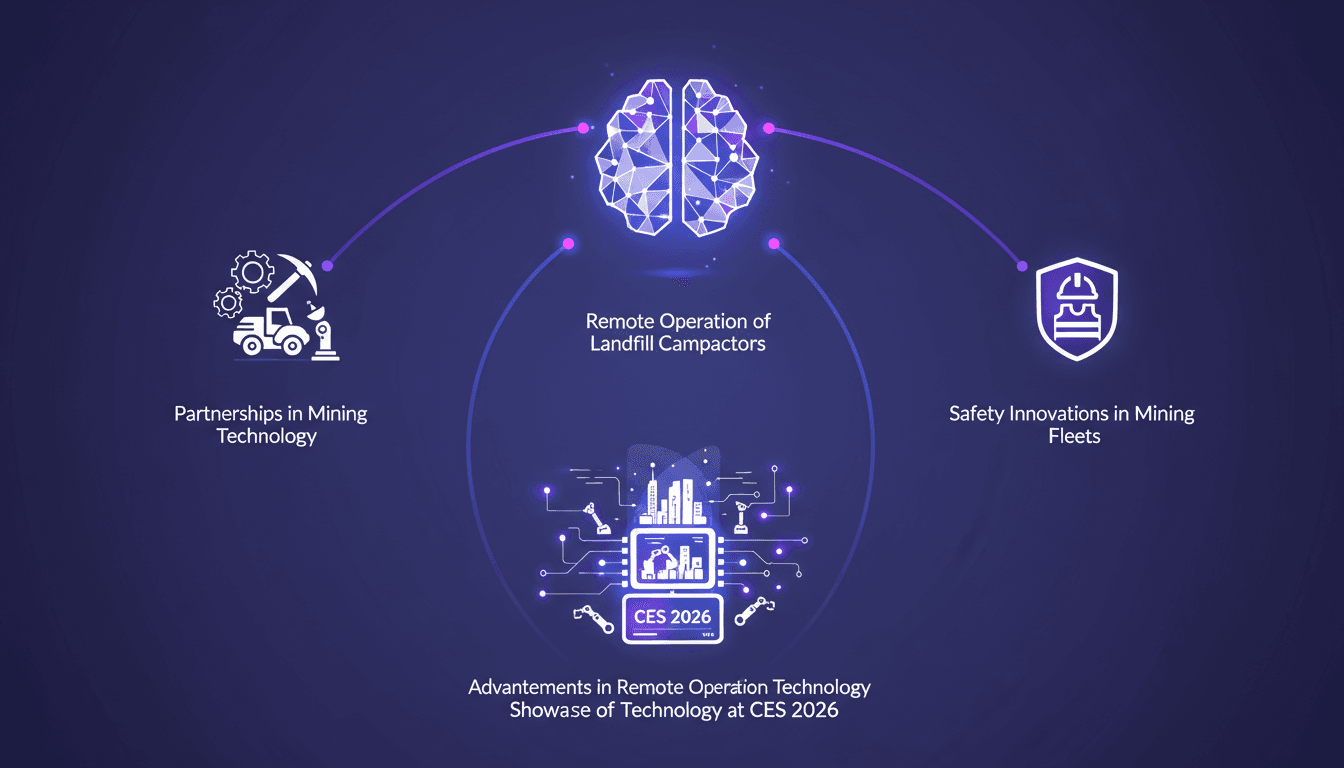
Caterpillar Innovations at CES 2026: Safety and Tech
I walked into CES 2026 with one goal: to see how Caterpillar is pushing the boundaries of mining technology. First thing I noticed? The buzz around their remote operation systems. Caterpillar doesn't just follow trends, they create them. From advancements in tech partnerships to innovations in the remote operation of compactors, they're redefining safety in mining fleets. Let me take you through what I discovered—trust me, it's a game changer for the future of the mining industry.
Achieving the $500,000 Coffee Shop Dream
I always dreamed of owning a coffee shop. After three years of grinding, an unexpected surprise changed everything. Imagine receiving a gift that turns a $500,000 dream into reality. This video tells the story of how recognition altered my life, emphasizing the importance of finally seeing hard work pay off. It's more than just a coffee shop story; it's a testament to perseverance, passion, and the emotional impact of achieving a dream. Discover how a logo, a meaningful gesture, marked the beginning of this new journey.

Mastering AI in Coding: Key Skills to Develop
I've been in the trenches, watching AI transform how we code. It's not just about lines of code anymore; it's about leveraging AI to elevate junior devs and redefine what it means to be a great developer. With AI tooling becoming more prevalent, the landscape of technical skills and team dynamics is shifting quickly. How are these changes impacting developers, and which skills truly matter? Let's dive into leveraging AI tools, evolving technical interviews, and why continuous learning and soft skills are more crucial than ever.
How Ella Built Her Career on a Yacht: Success Story
At 25, I was already the chief steward on a yacht. It wasn't just sheer luck; it was a calculated mix of determination, dreams, and a dash of daring. Let me tell you how I climbed the ranks and what's next on my horizon. Rather than relying solely on formal education, I banked on my grit to hit my targets. My next dream? Designing and building my own house. And with the Dare to Dream competition offering $100,000, ambition has never felt more within reach. It's this determination that drives me, far more than any degree. Ready to discover how I built my career?
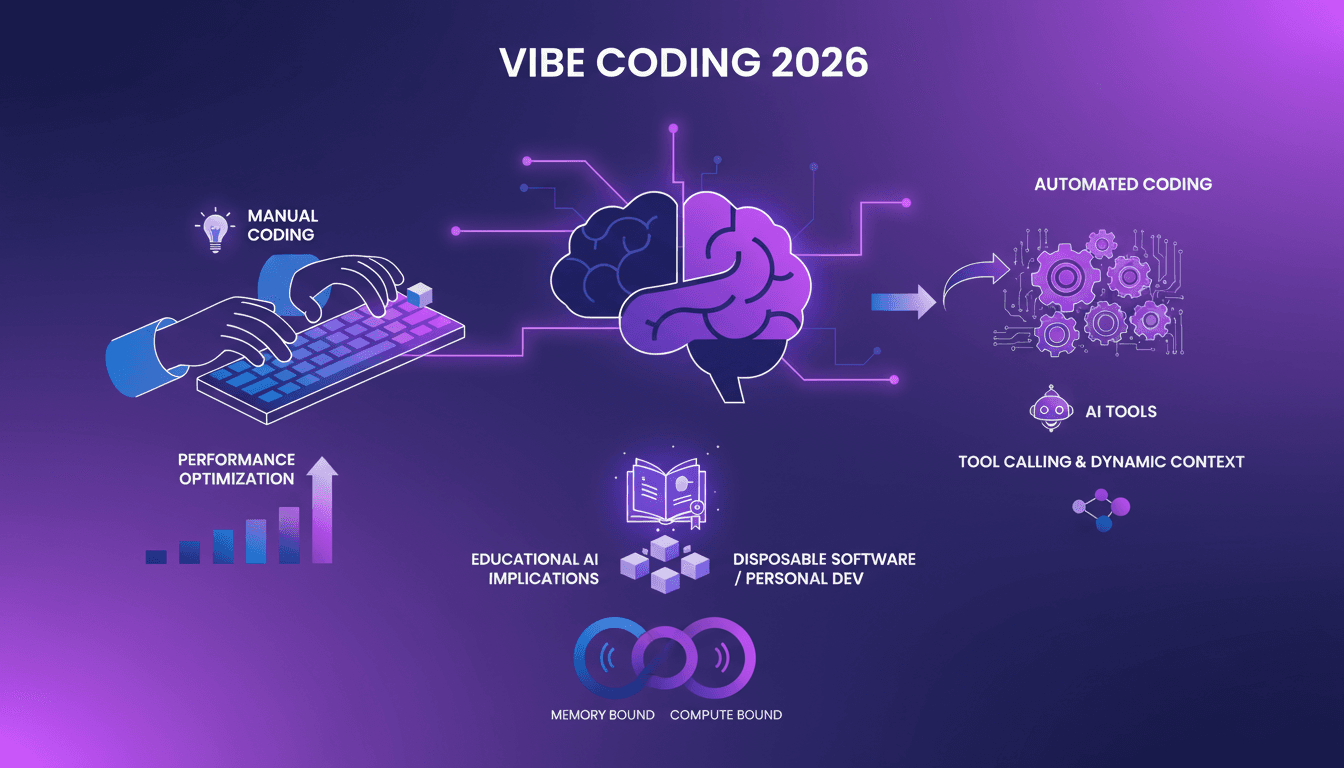
Vibe Coding 2026: AI Tools for Optimization
I remember the first time I heard about vibe coding. It was 2026, and the coding landscape was shifting at breakneck speed. AI tools were no longer just assistants; they were turning into indispensable colleagues. But beware, with this power comes increased complexity. Navigating these waters wasn't just about understanding the tools, but mastering them. In this article, I share my field experiences and insights from industry leaders. We'll dive into the real-world implications of vibe coding, the technical trade-offs, and how to optimize your workflow with these tools. Vibe coding in 2026 is a world where manual coding becomes the exception, and optimizing with AI is the norm.