Terrafabilé Project: Industrial Revolution or Madness?
I dove headfirst into the Terrafabilé project, a venture that could either redefine industrial standards or be the craziest bet in history. The stakes are high: from the ambition to revolutionize EUV lithography to the assembly of chiplets, Elon Musk isn't doing things halfway. The question is: will this project truly shake up the industry, or are we looking at a technological utopia? I'll walk you through how I navigated this complexity and the economic and geopolitical implications that follow.
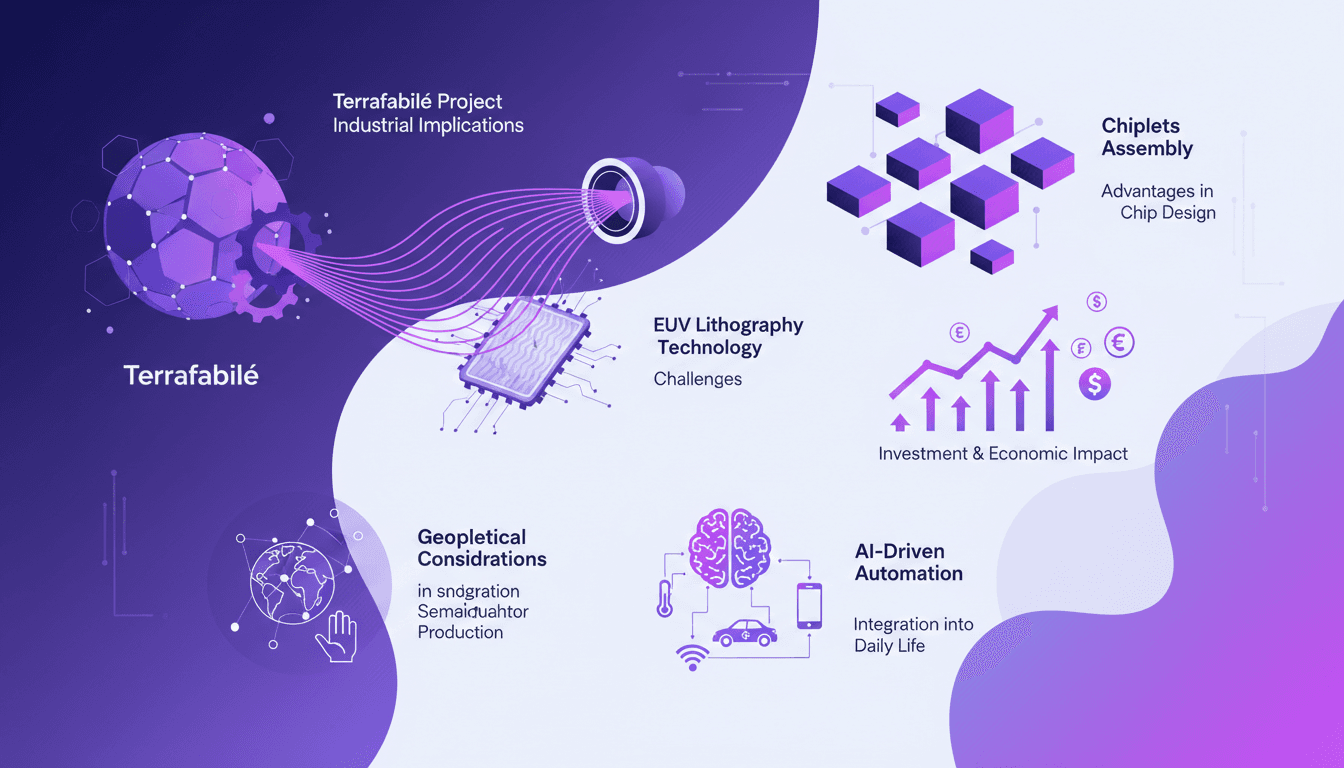
When I jumped into the Terrafabilé project, I knew I was stepping into something potentially groundbreaking or utterly insane. Picture this: Elon Musk deciding to tackle EUV lithography—a field that even industrial giants find daunting—and adding chiplet assembly to maximize chip efficiency. First year, 80% efficiency gain, that's no small feat. But watch out, the factory's cost, $25 billion, is enormous. So, what does this project really mean for the industry, and how do we juggle the technical and economic challenges? I'll show you the implications and the crucial decisions I had to make, all while keeping in mind the geopolitical stakes of semiconductor production. Because in the end, it's the ability to integrate AI-driven automation into our daily lives that could be the real game changer.
Understanding Terrafabilé's Ambitions
When I first heard about the Terrafabilé project, I was skeptical. A $25 billion industrial project in a small Dutch town, aiming to produce 100,000 silicon wafers per month, is massive. And that's not even mentioning the ambition to produce one terawatt of computing power per year. This project isn't just about pushing boundaries; it's about redefining them. I found myself asking two questions: can it really work, and at what cost?
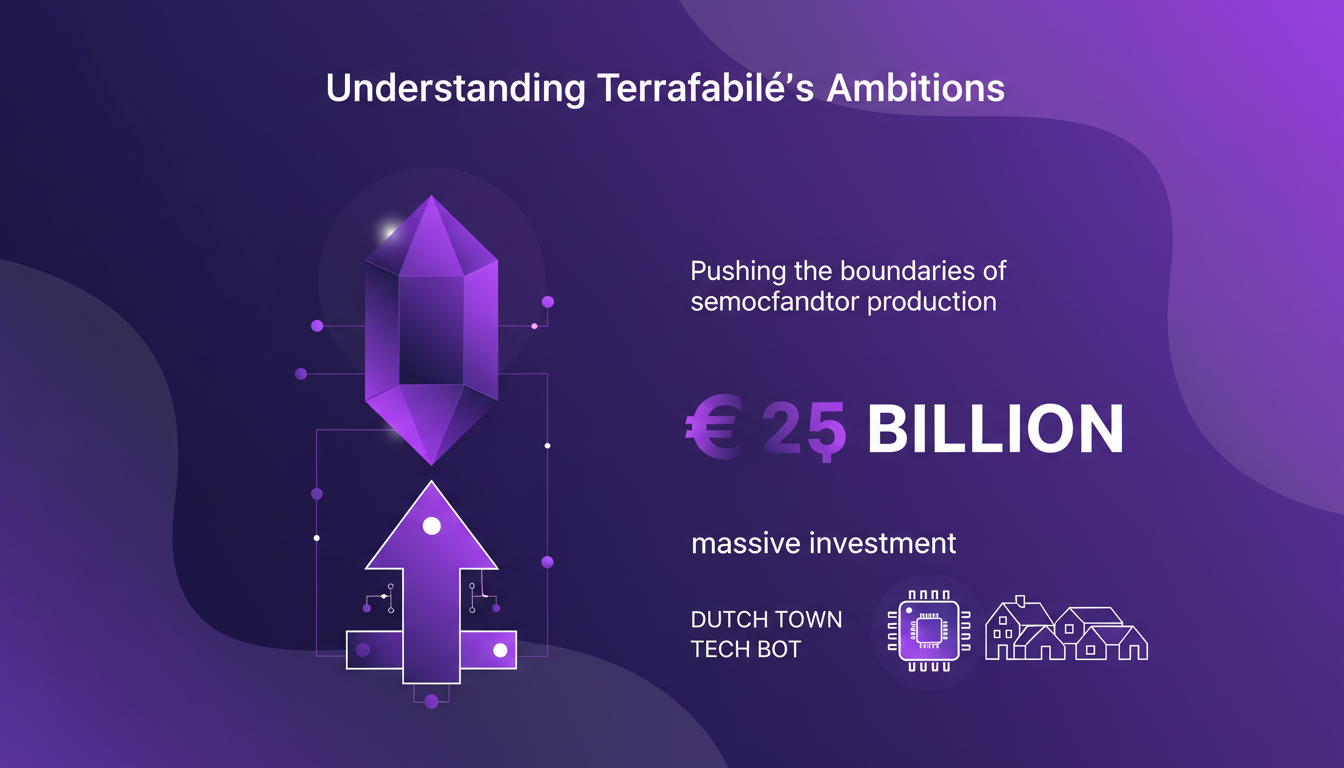
The reality is that Terrafabilé is at the heart of a technological bottleneck. It's a risky bet, but also a potential game changer. With a production target of 100,000 wafers per month, the capacity aimed for is colossal. To give you an idea, the largest chip foundry in the world, based in Taiwan, produces about 1.4 million wafers per month, but with multiple factories. Terraf aims for 70% of that capacity in a single facility. It's a challenge that could redefine industrial norms or face major hurdles.
EUV Lithography: The Backbone of Modern Chips
Extreme ultraviolet (EUV) lithography is essential for advanced chip manufacturing. I've worked with this technology for a while, and every time I explain it, I'm impressed by its complexity. Only 400 systems exist globally, highlighting the tight supply. Plasma generation is a key challenge: a laser is used to strike tin droplets, creating a plasma hotter than the sun's surface.
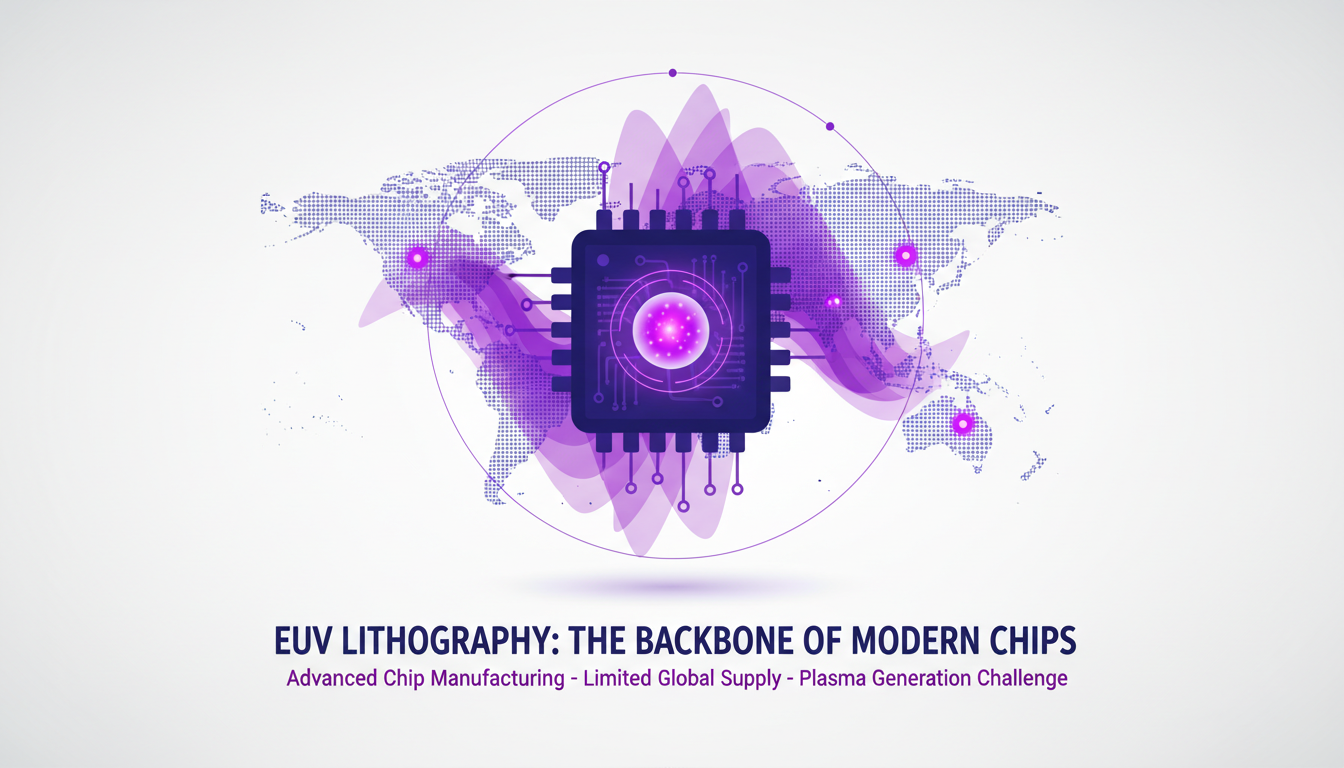
The projected efficiency gain is 80% in the first year, which is immense. But watch out, the costs are high and the technical limits very real. EUV machines cost between $200 and $400 million, with production limited to 50-60 per year. For Terraf, more machines are needed than are currently available worldwide, with an investment estimated between $45 and $100 billion.
Chiplets Assembly: Efficiency and Trade-offs
Chiplets are a bit like building with Lego. You assemble modules to create more efficient designs. This modularity allows incredible flexibility in the iterative chip design process. I've seen significant efficiency gains compared to traditional monolithic chips.
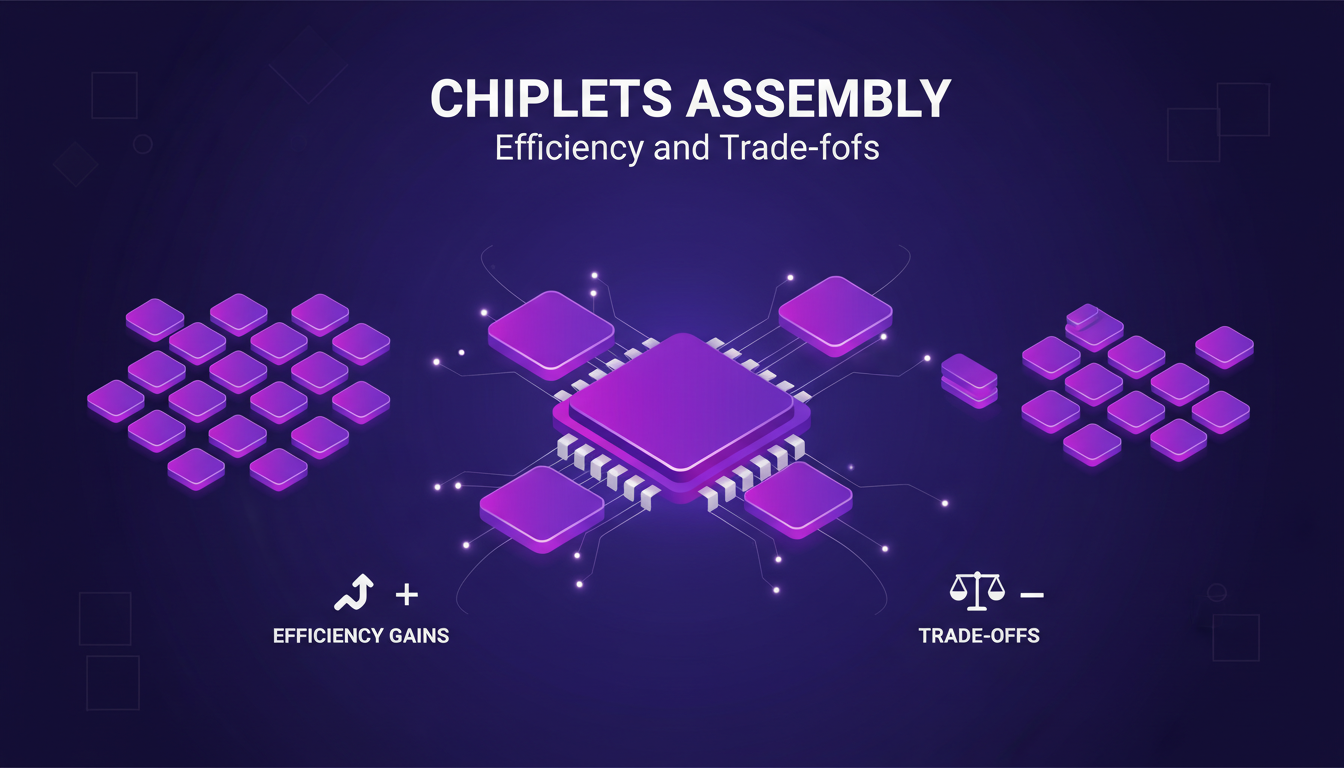
But there's a catch: the complexity of integration can offset these benefits. You can't overuse this modularity without compromising performance. Terraf stands out for its iteration speed and advanced chiplets assembly in chip design, but you need to find a balance between modularity and performance needs.
Economic and Geopolitical Impacts
Terrafabilé is a project that could shift economic landscapes. The $25 billion investment is hard to ignore. But watch out, geopolitical risks are real, particularly with supply chain vulnerabilities. Diversifying is crucial to mitigate these risks.
For instance, signing a $16.5 billion contract with a Texas partner for i5 and i6 chip production demonstrates the importance of establishing a presence in diverse markets to secure production. However, you have to balance innovation with stability to avoid getting burned.
AI-Driven Automation: Future Prospects
AI integration is central to Terrafabilé's vision. Automation promises efficiency and cost savings. I've seen companies leverage AI to optimize every millimeter of silicon, achieving 30-40% more efficiency than their competitors. But implementing AI isn't easy or cheap.
Future prospects hinge on balancing AI with human oversight. Remember, AI isn't a one-size-fits-all solution. You have to anticipate challenges and not rely solely on this technology. The ultimate goal is to achieve a $2 per hour robotic labor cost, knowing that the global human labor market exceeds $40 trillion annually. It's ambitious but achievable with proper orchestration.
Terrafabilé is a bold move in the semiconductor world. As a builder, I see the promise of efficiency: an 80% gain in the first year thanks to chiplets isn't trivial. And when I think about the 400 lithography systems installed worldwide, it feels like we're on the brink of a revolution, especially with EUV technology which, while complex, opens new doors. But let's not forget the massive $25 billion cost for the plant.
- Increased Efficiency: 80% gain in the first year is a game changer for our workflows.
- EUV Technology: Innovative but complex, it requires serious engagement.
- Economic Impact: With such a plant, the stakes are enormous for the industry and the economy.
Looking ahead, I'm curious to see how these advancements will influence our building methods. I highly recommend you watch the full video to better understand Terrafabilé's implications. Check it out here: YouTube.
Frequently Asked Questions

Thibault Le Balier
Co-fondateur & CTO
Coming from the tech startup ecosystem, Thibault has developed expertise in AI solution architecture that he now puts at the service of large companies (Atos, BNP Paribas, beta.gouv). He works on two axes: mastering AI deployments (local LLMs, MCP security) and optimizing inference costs (offloading, compression, token management).
Related Articles
Discover more articles on similar topics

AI in Sales: 24/7 Availability and Financial Impact
I've been in sales long enough to see trends come and go, but AI is different. It's not just another tool; it's a game changer if you know how to use it. Let me show you how AI is reshaping sales, but also where it falls short. Picture this: your AI in the CRM making $300 a day, 24/7. That's a massive advantage, but it can't replace the human touch. We're talking about continuous availability and multi-interaction capability, but don't forget that humans still have their role. I'll walk you through my workflow to help you harness AI's potential while sidestepping its pitfalls.
Codex: Revolutionizing Code Review at RAMP
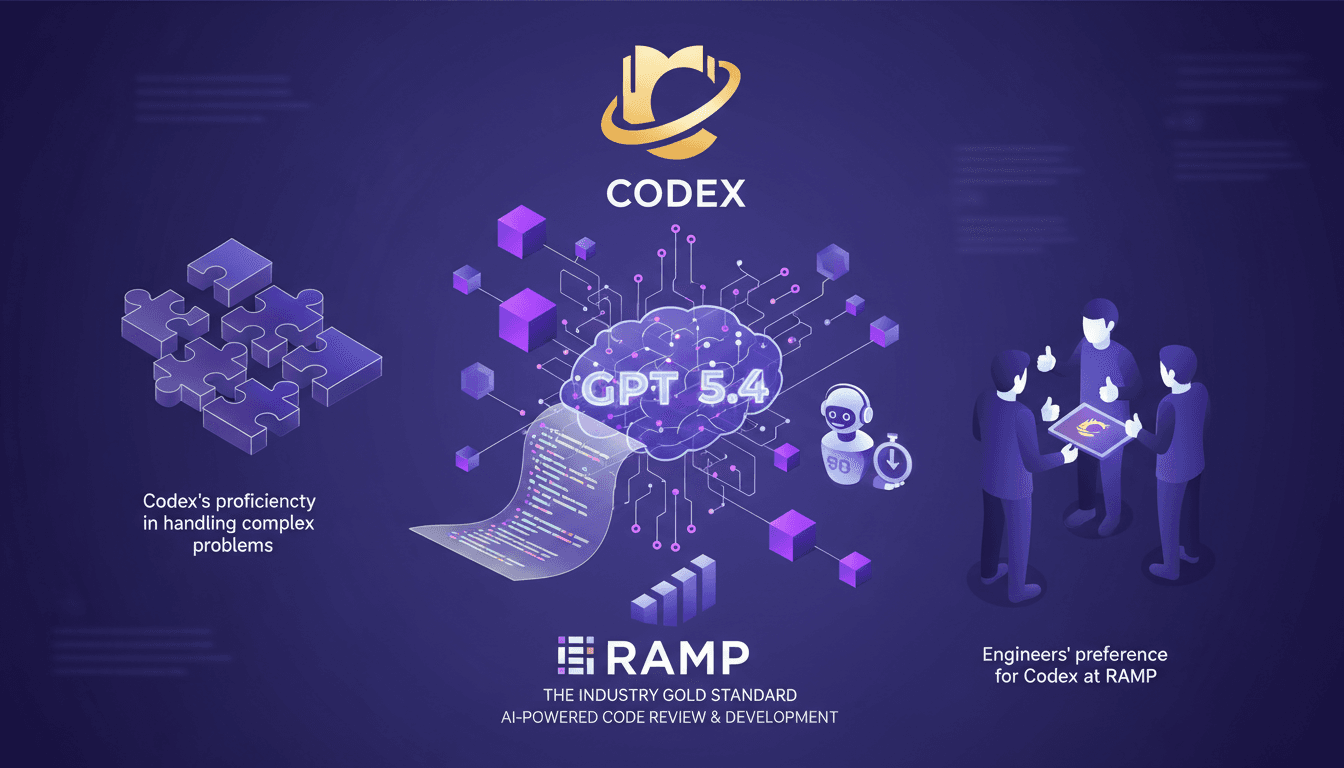
When I first integrated Codex with GPT 5.4 at RAMP, I knew we were onto something big. The way it slashed code review times from hours to minutes was a game changer. That's not just talk. By pairing Codex with GPT 5.4, we've not only optimized our workflows but also developed an AI-driven on-call assistant that changed how we tackle complex problems. Codex has become the industry standard for code review, and at RAMP, our engineers swear by it. Let's dig into how this setup works and why it's winning over everyone here.

Innovating for Longevity: Tech Challenges
I've spent years building solutions for folks over 50, and if there's one takeaway, it's this: designing for longevity isn't just a buzzword—it's crucial. As our population ages and global spending power is set to hit $96 trillion by 2030, our tech needs to keep up. Yet many feel left out by current offerings. So how do we innovate for this powerful demographic? Let's dive into the tech challenges and solutions ahead, spotlighting initiatives like AARP's and the role of AI in personalizing content for older adults.

AI in Sales: Why AI Beats Humans
I've been in sales for over a decade, juggling client details until AI completely redefined my approach. Picture this: I could hold four things in my head, but AI can manage thousands. It's been a real game changer. In this article, I'll walk you through how AI's cognitive capabilities and precision execution are transforming sales strategies, drawing from my own experiences and industry experts' insights. We'll dive into the cognitive constraints of humans versus AI, AI's memory capacity, and its knack for language nuances.
How AI Booked $1.2M: My Revenue Journey
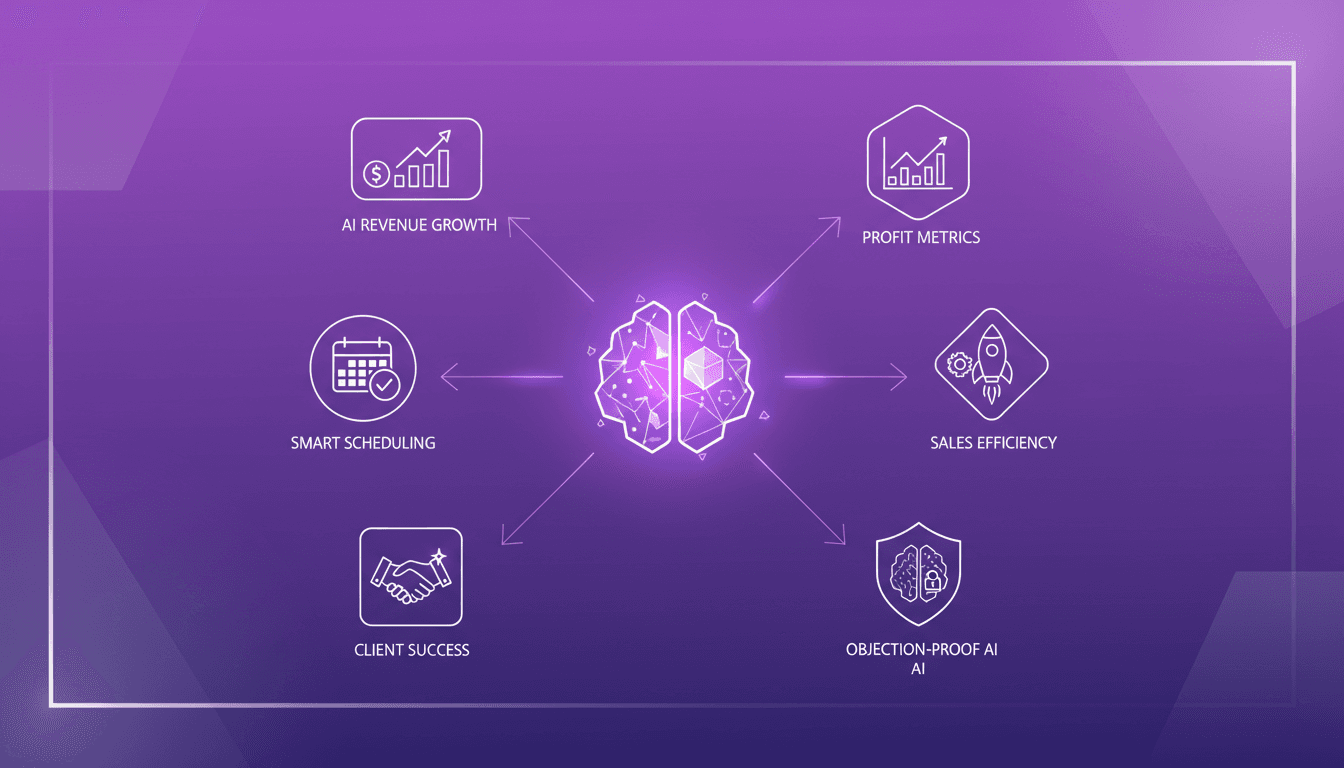
I was pretty skeptical at first. But when AI booked $1.2 million in revenue for us, I knew we hit on something big. This isn't just about automating tasks; it's about transforming our sales approach. AI in appointment scheduling has redefined efficiency and effectiveness in sales processes. Imagine thousands of closings in just a few weeks, with revenue pouring in. In this article, I'll take you behind the scenes of this digital revolution, sharing client success stories and objection-proof strategies. Don't get lost in the buzz; dive into the concrete.