Tech Justice: Ron Swart's Case and Implications
I've been in the tech trenches long enough to know that justice can often feel like a distant concept. Ron Swart's case hit me hard, prompting me to delve into the labyrinth of tech justice, data rights, and persistent disparities. The industry thrives on innovation but isn't immune to ethical and legal challenges. From massive downloads by tech giants to skewed justice in theft cases, the stakes are high. Can we truly talk about justice in tech?
I've been in the tech trenches long enough to see justice as a sometimes distant concept. Ron Swart's case? It hit me like a ton of bricks. That's when I decided to dig deeper into this labyrinth. Swart, for downloading 0.01% of academic journals, faced outsized prosecution, while giants like Open AI or Meta download entire databases without a hitch. I started connecting the dots between these disparities, data rights, and ethical considerations. By exploring the Common Corpus project or comparing theft sentences in tech, I'm trying to figure out if justice in this field is a mirage or a possibility. And if we're aiming at the wrong targets all along?
Ron Swart's Case: A Tragic Catalyst
I still recall the shock when I first heard about Ron Swart's tragic incident. Picture this: a mere 0.01% download of available journals, and his life was turned upside down. Why such an extreme reaction? Because he was caught in the gears of a sometimes-blind justice system. Ron wasn't trying to pirate; he was seeking knowledge. Yet the consequences were dire, leading to his suicide. It's a tragedy that highlights the harsh reality of tech justice.
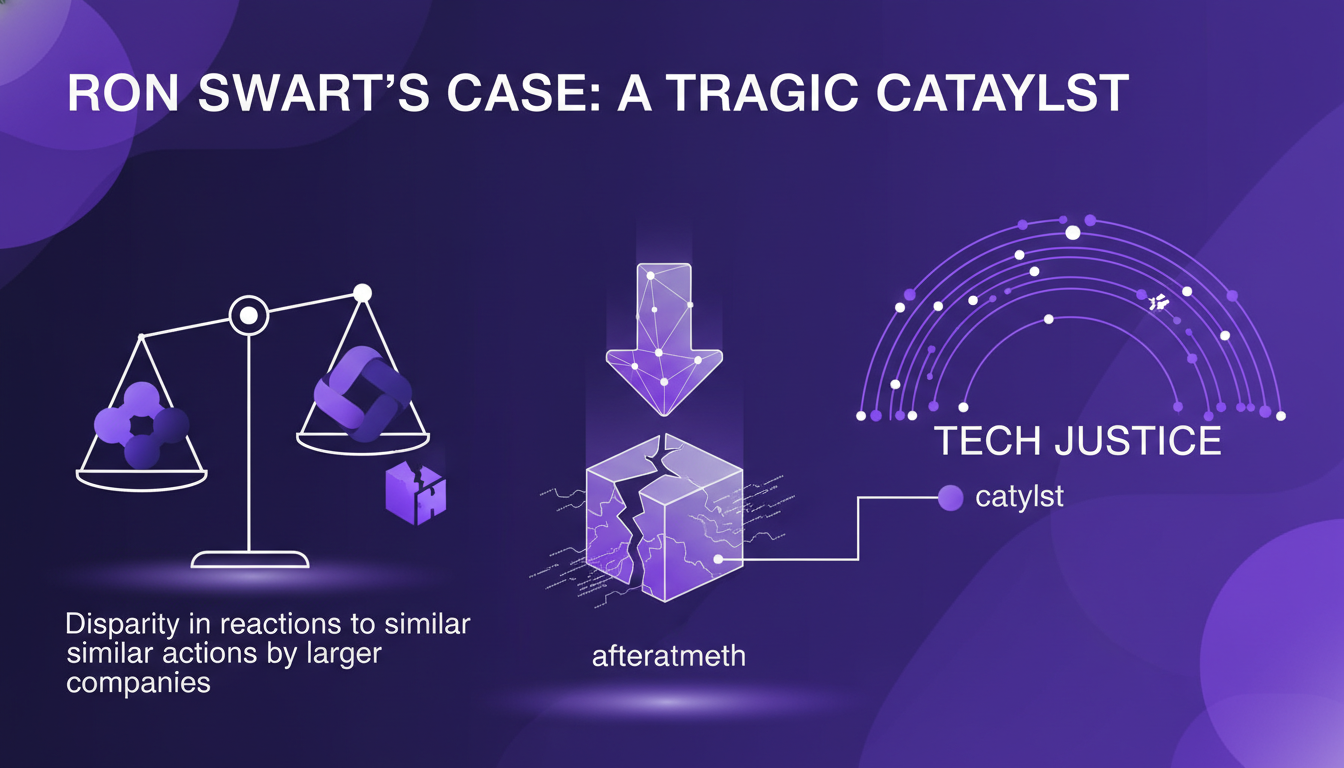
What strikes me is the contrast with giants like Open AI or Meta, who downloaded databases in full without repercussions. We're talking about a clear double standard. For Ron, it was a matter of justice, but for big companies, the rules seem different. This raises questions about the personal and professional impact on individuals in the tech sector. How do we, as developers, navigate a world where justice seems so unequal?
Data Downloads: A Double Standard?
Let's compare the two cases: Ron Swart and his 0.01% versus Open AI and Meta with their full downloads. Legally, it should be straightforward, right? Yet, the reality is much more complex. Legal and ethical implications vary depending on who you are. For Ron, it was a lost battle. For major companies, it's a different story altogether.
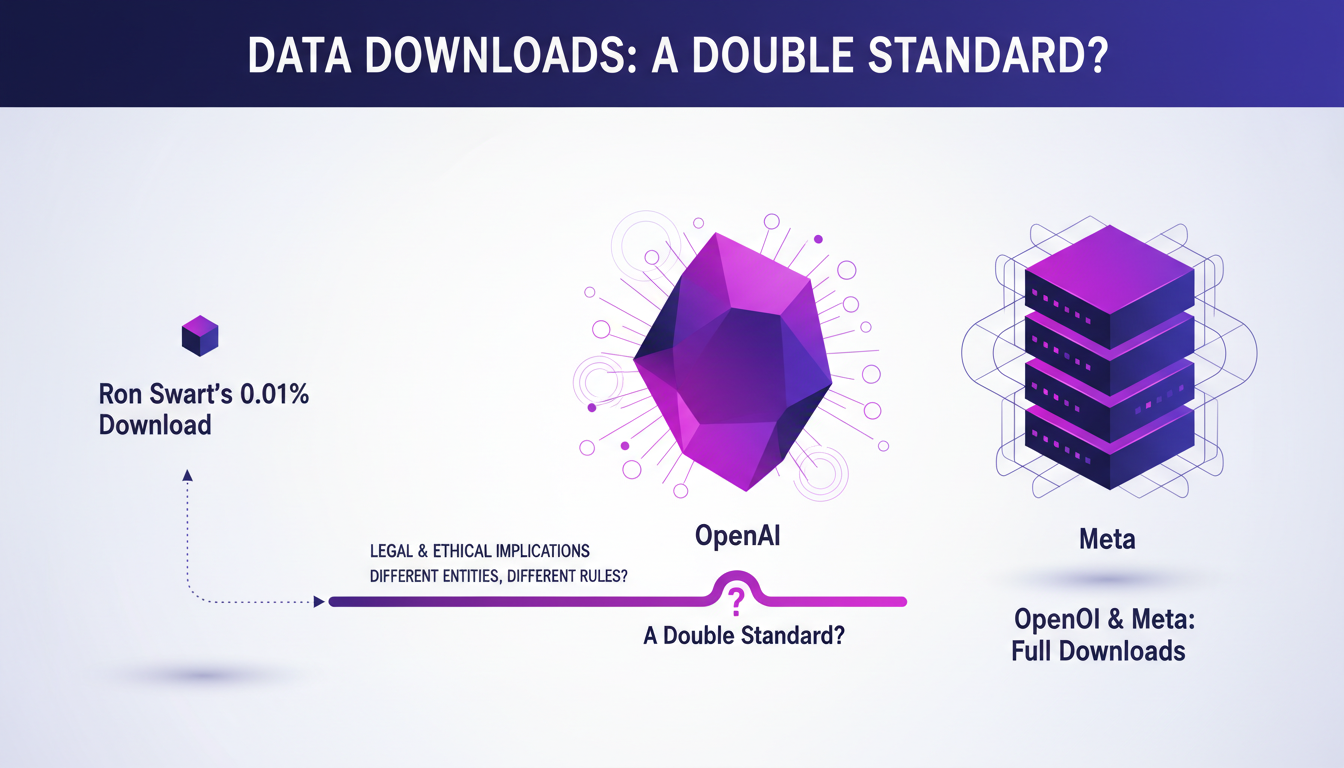
In our field, we know that data rights shape narratives. Major companies often receive preferential treatment, which isn't the case for individuals like Ron. The law should be a moral compass, not an instrument of discrimination. However, we see how data rights can be manipulated, highlighting a glaring double standard.
The Common Corpus Project: A Path to Fairness
As a practitioner, I was excited about the Common Corpus project. It's an initiative aimed at creating a rights-free dataset, accessible to everyone. Imagine a world where developers don't have to tiptoe around costly legal battles. That's the goal: leveling the playing field in data access.
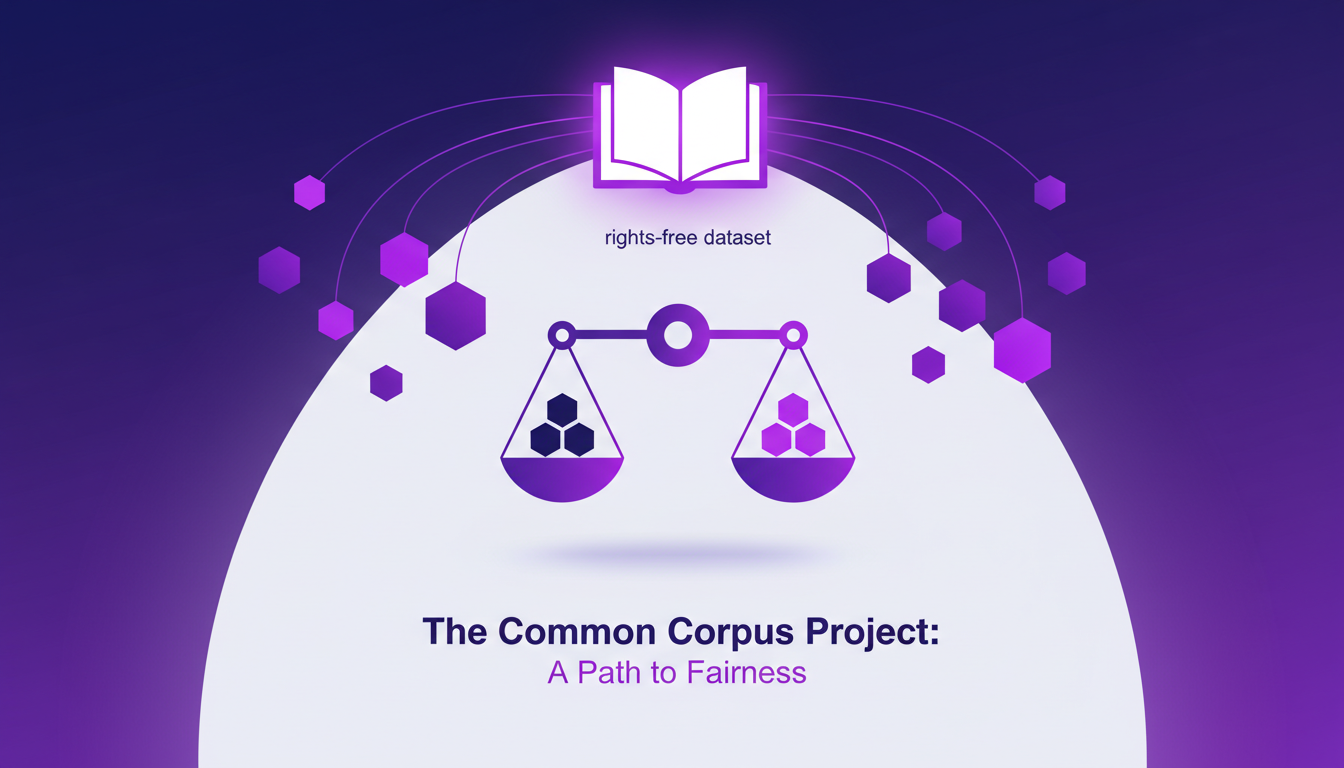
But watch out, there are limits. A rights-free dataset may not suit all uses, especially those requiring high precision. However, the idea is promising and could be a game changer in terms of fairness in the tech industry.
Disparities in Tech-Related Legal Cases
You've heard the joke about the two defendants, right? One steals two bales of hay, the other 2 million dollars. The first gets two years in prison, the second gets a suspended sentence. Ridiculous, isn't it? Yet, this is exactly what we see in tech. Minor infractions are harshly punished, while major ones often go unnoticed.
This legal inconsistency has consequences. It erodes trust in the judicial system, especially in a sector where rapid innovation can outpace legislation. To restore this trust, we need to address these disparities in a transparent and fair manner.
Fairness and Justice: Navigating Ethical Minefields
As a developer, I understand the importance of ethics in our projects. Technological innovation must go hand in hand with fair regulation. This means transparency and accountability, two elements often overlooked in our pursuit of progress.
To foster a more just tech environment, we must embrace open and collaborative practices. This includes:
- Promoting transparency in development processes
- Ensuring clear accountability in data management
- Encouraging ethical discussions around new technologies
These practical steps can bring us closer to a more equitable tech justice, where every player, big or small, is treated the same.
Navigating justice in the tech industry feels like walking a tightrope. From Ron Swart's case to the Common Corpus project, I've seen firsthand the challenges and opportunities for creating a fairer tech landscape. Here are the key takeaways I put forward:
- 0.01%: the minuscule fraction of journals downloaded by Ron Swart, contrasted with the full downloads by giants like Open AI or Meta.
- Disparities in tech-related theft sentences: a wake-up call for the need for fairness.
- The Common Corpus project: a golden opportunity to center justice in our industry.
It's time we transform the tech sector so fairness becomes a lived reality, not just an aspiration. I believe that by banding together, we can build a more just industry. Let's continue this conversation and share your insights. For a deeper dive, I highly recommend watching the original video: 'Y a-t-il une justice dans la Tech ? @alafrench'.
Frequently Asked Questions

Thibault Le Balier
Co-fondateur & CTO
Coming from the tech startup ecosystem, Thibault has developed expertise in AI solution architecture that he now puts at the service of large companies (Atos, BNP Paribas, beta.gouv). He works on two axes: mastering AI deployments (local LLMs, MCP security) and optimizing inference costs (offloading, compression, token management).
Related Articles
Discover more articles on similar topics
Rapid Innovation: How AI Transforms Businesses
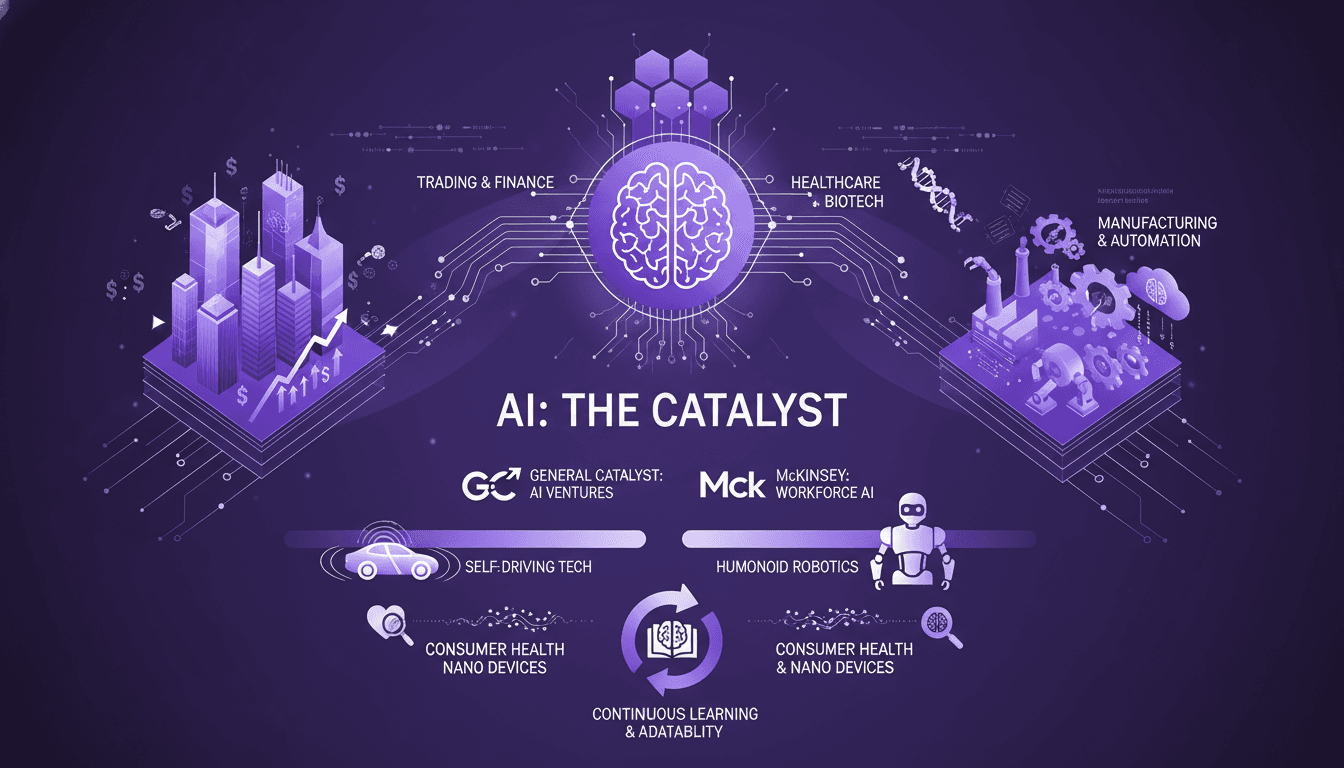
I just got back from CES 2026, and let me tell you, the pace of innovation hit like a freight train. The conversations weren't just about tech; they were about transforming entire industries. AI is at the heart of this revolution, reshaping the industrial landscape. McKinsey is planning a 25% increase in client-facing personnel next year, a clear sign that things are shifting. Curious about how these changes impact our daily work? Read on to discover how AI, healthcare, and robotics are redefining our professions.
Attention Economy: Horizon Media Redefines Agencies
I dove into Horizon Media's strategies and saw firsthand how they're shaking up the marketing world. No empty talk, just real building. They're reinventing the agency model for this fragmented attention economy. It's about authenticity, transparency, and most importantly, integrating cutting-edge tech like generative AI. In just six months, their strategies are already making waves. Horizon Media isn't just following trends; they're creating them with strategies that merge podcast and video content for targeted, effective advertising. If you're looking to understand how innovation can transform your marketing approach, this is where you need to be. The open ecosystem they're orchestrating is a model for any savvy professional.
Caterpillar's AI Integration: 100 Years of Innovation
I remember the first time I saw a Caterpillar machine in action—it was a game changer in construction. Fast forward to CES 2026, and we're now discussing AI-driven innovations that could redefine the entire industry. As Caterpillar celebrates its centennial, they're pushing boundaries with machine learning, in partnership with Nvidia. We're not just talking about autonomous systems in mining and construction, but a whole ecosystem of autonomy and connectivity. And watch out, with the introduction of their CAT AI Assistant, there's a clear promise to transform how we approach workforce development and the future of autonomy in this sector. No empty promises here, just concrete solutions aiming to make a real impact.
Interactive TV Ads: Maximizing Engagement
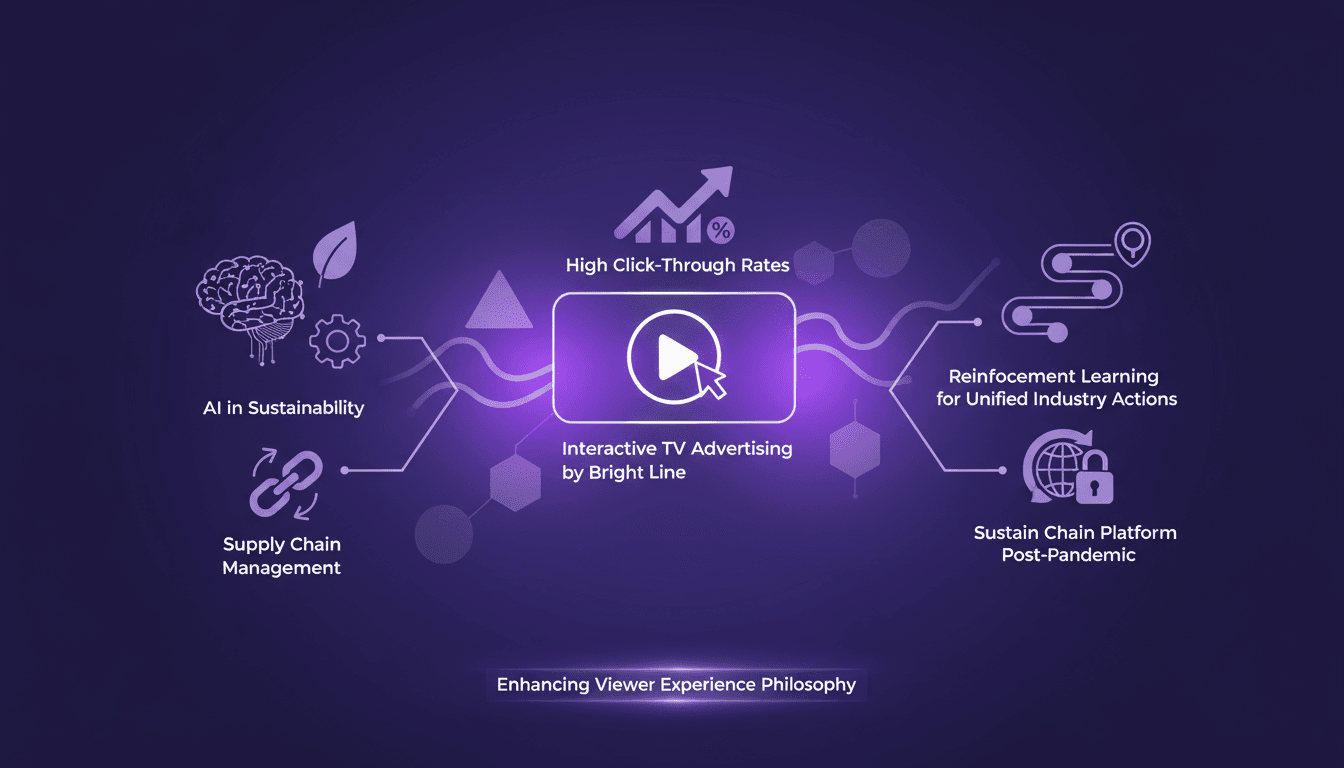
I remember the first time an interactive TV ad genuinely made me want to click. It was a BrightLine ad, and it shifted my view on what's possible in this space. Instead of being a gimmick, interactive TV advertising is reshaping viewer experiences, boasting click-through rates as high as 15% (compared to the usual 1%). BrightLine is leading the charge, leveraging AI to enhance user experience while pushing sustainability boundaries. In this article, I'll walk you through how they're orchestrating this transformation and why the future of TV advertising is already here.
AI in Advertising: 2026 Strategies to Implement
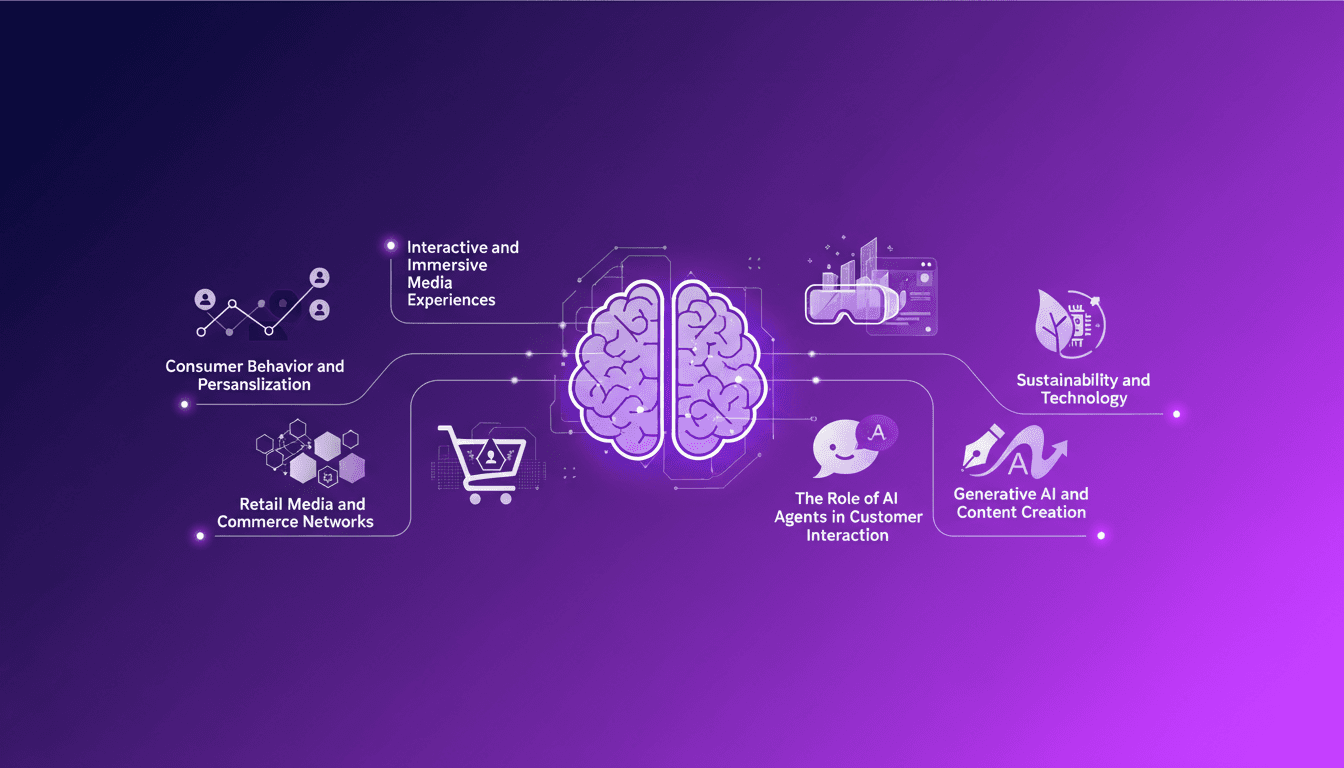
Back in 2026, I found myself at the forefront of AI in advertising, navigating the intricate landscape of consumer behavior and personalization. The tools were evolving rapidly, and we had to continually adapt our strategies to fully harness AI's potential in marketing. Picture juggling transaction data from 400 million consumers while diving into retail media networks and immersive media experiences. This session captures the practical applications and daily challenges we face. From AI agents to generative content, grasping how all this shapes our customer interactions and sustainability footprint is essential.