Starting a Farm: Key Steps and Pitfalls
I remember the day I decided to make my dream of starting a farming and poultry business a reality. It wasn't just about passion; I had to make it viable. Let me take you through my journey from idea to investor interest. I started by crafting a solid business plan (trust me, it's more than just paperwork). Then, I had to convince investors with a tight budget of £5,000 to £6,000—not much, but enough to get started. I'll share the mistakes I made and how I overcame them, hoping it saves you some burns. Let's dive in, I’ll tell you everything.
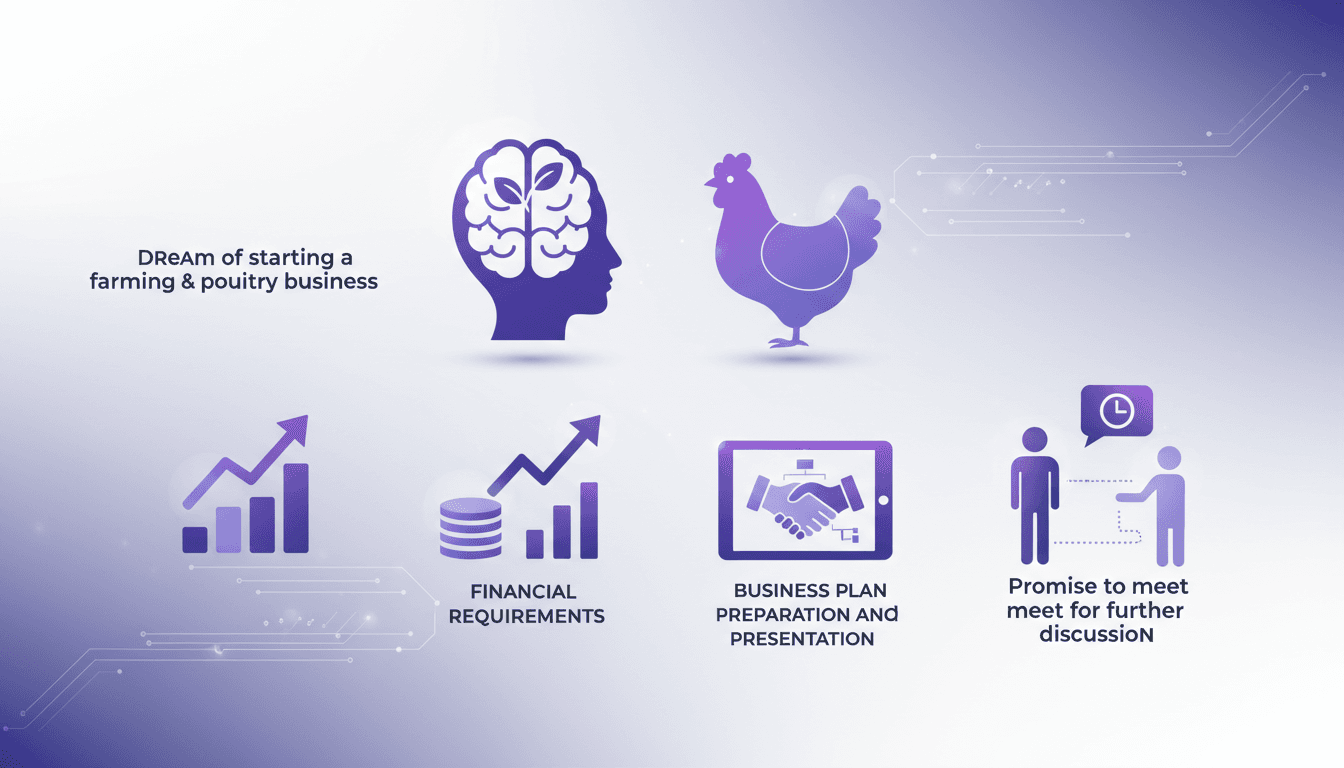
I remember the day I decided to turn my dream of starting a farming and poultry business into a reality. It wasn't just about passion; I needed to make it viable. The journey was full of hurdles, but also victories that I'm eager to share. First, crafting a compelling business plan—not just for show, but to catch the vital interest of investors. With a tight budget of £5,000 to £6,000, creativity and persuasion were key. I'll walk you through the critical steps, the mistakes I made, and how I corrected them. The goal? To help you avoid the same pitfalls and inspire you to take the leap. Ready for the journey? Let me tell you everything.
Defining the Dream: From Vision to Viability
First up, you need a clear vision of what you want to achieve with your farm. Dream big, but then bring that dream down to a viable business idea that meets market needs. Personally, I had to identify the core components of my agribusiness: poultry, crops, or both? This initial choice sets the direction for your project.
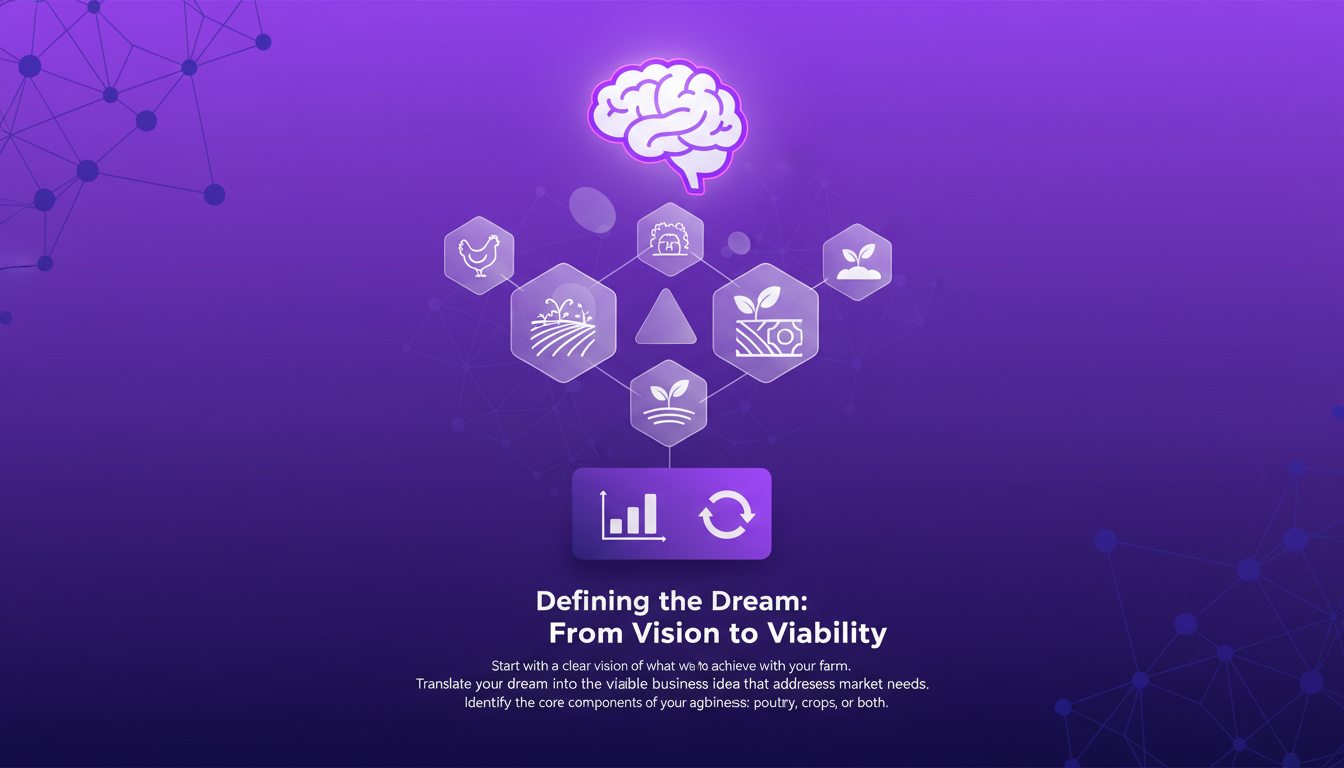
Next, evaluate your skills and resources to ensure they align with your business goals. I've learned that without a well-defined vision, it's tough to attract investors ready to commit. It's your foundation.
- Identify market needs and tailor your idea accordingly.
- Clarify the key components of your business: poultry, crops, or both.
- Assess your skills and resources to ensure alignment.
Financial Blueprint: Estimating Startup Costs
Now, onto the financial blueprint. Estimating startup costs is essential. For me, I needed between £5,000 to £6,000 to get started. This covers land, equipment, livestock, and of course, feed. £5,000 might not sound like a lot for a business, but it's all about smart allocation. Every expense needs to be justified and optimized.

Watch out for ongoing operational costs that can impact cash flow. Plan for contingencies because unexpected expenses can derail your startup.
- Calculate initial costs: land, equipment, livestock, feed.
- Plan for operational costs and their impact on cash flow.
- Prepare for contingencies to cover unexpected expenses.
Crafting a Compelling Business Plan
Once costs are estimated, it's time to craft a solid business plan. This plan should include your business objectives, a targeted market analysis, and competitive analysis. It's a living document that guides your daily operations and resource management. I've seen poorly crafted business plans fail, so take the time to get it right.
Financial projections are crucial: what are your expectations for revenue and profit margins? And don't forget a marketing strategy to show how you'll attract and retain customers.
- Define your business objectives and analyze your target market.
- Detail your operational plan: daily activities, resource management.
- Include financial projections and a marketing strategy.
Engaging Investors: From Interest to Commitment
Next, pitch your business plan to potential investors. The goal is to show an attractive return on investment. I secured investor interest at the £5,000 mark by ensuring I addressed all their concerns transparently.
It's important to demonstrate your commitment and readiness to execute the plan. Create opportunities for follow-up meetings to deepen investor interest.
- Pitch your business plan focusing on potential ROI.
- Address investor concerns transparently.
- Demonstrate your commitment and readiness.
Next Steps: Building Momentum Post-Investment
Once the investment is secured, finalize agreements and terms with your investor. It's crucial that everything is clear and concise to avoid misunderstandings. Set milestones and timelines to keep your project on track.
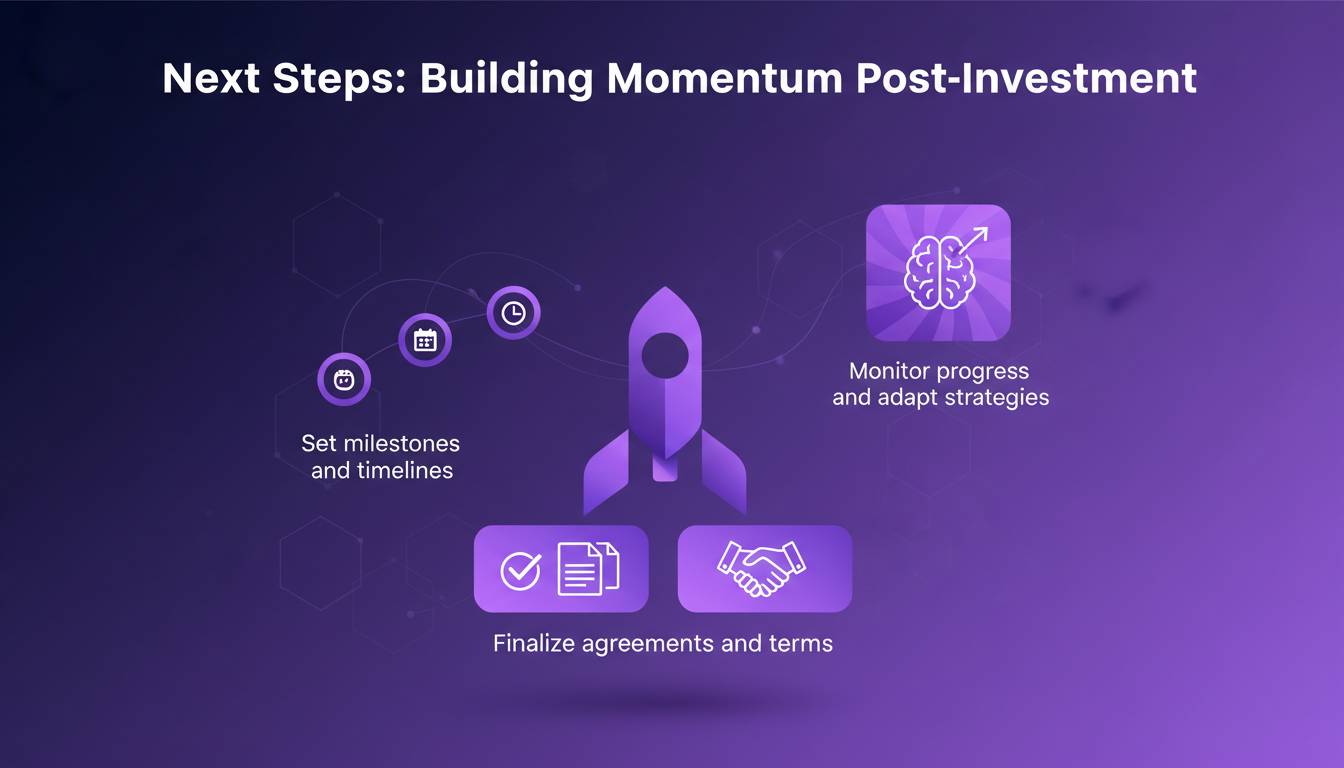
Monitor progress and adapt your strategies based on real-world feedback. Maintain open communication with your investor; regular updates build trust. Remember, securing investment is just the beginning; execution is what truly counts.
- Finalize agreements with your investor.
- Set clear milestones and timelines.
- Adapt strategies to real-world feedback.
Turning a farming dream into a tangible business isn't just some pie-in-the-sky idea—it's about having a clear vision, solid financial planning, and effectively engaging investors. First, I nailed down my budget, knowing that you need around £5,000 to £6,000 to kick things off—not a huge amount, but every pound counts. Then, I focused on crafting and presenting my business plan to spark investor interest. I'm telling you, it's a real game changer, but watch out for financial pitfalls that can trip you up if you don't plan well. So, are you ready to take your agribusiness idea to the next level? Start crafting your business plan today and reach out to potential investors with confidence. For a deeper dive, check out the full video here: Original Video.
Frequently Asked Questions

Thibault Le Balier
Co-fondateur & CTO
Coming from the tech startup ecosystem, Thibault has developed expertise in AI solution architecture that he now puts at the service of large companies (Atos, BNP Paribas, beta.gouv). He works on two axes: mastering AI deployments (local LLMs, MCP security) and optimizing inference costs (offloading, compression, token management).
Related Articles
Discover more articles on similar topics
Securing Software: Project Glasswing
I've spent years wrestling with software vulnerabilities, and let me tell you, the game has changed with Project Glasswing. It's not just theory—I've seen it in action. With the Claude Mythos Preview Model, we're revolutionizing vulnerability detection, especially in systems like OpenBSD and Linux. Imagine this: a bug lurking for 27 years in OpenBSD, uncovered thanks to this initiative. In just a few weeks, more bugs found than in my entire life. Software security is no longer an endless chase; it's a new era of collaborative cybersecurity.
CES 2026: NEURA Robotics' Winning Strategies
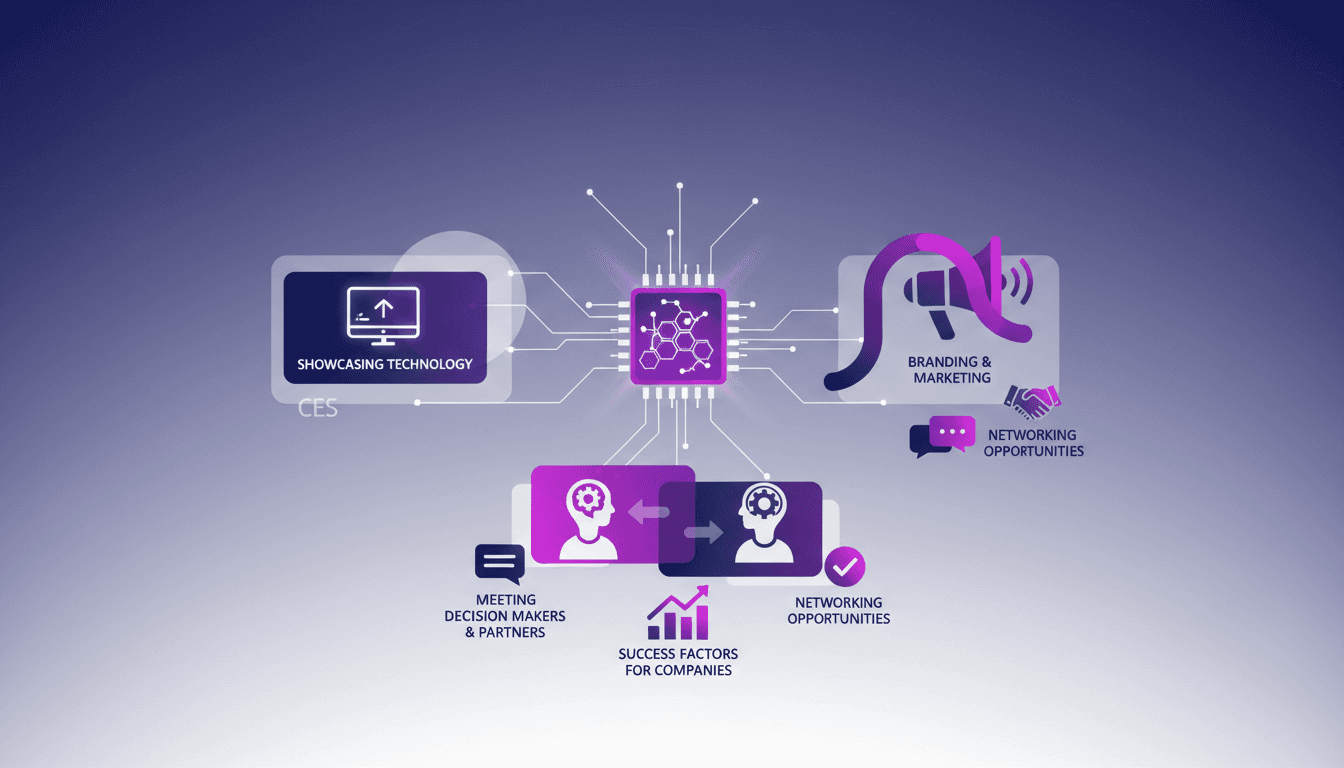
I’ve just stepped out of CES 2026, where I've been closely following NEURA Robotics. Let me tell you, it’s not just another tech show. It's where innovation meets opportunity, but only if you play your cards right. Beyond the flashy booths and tech demos, there’s a strategic dance of branding, networking, and partnerships. I’ve seen firsthand how NEURA Robotics orchestrated all of this, and trust me, it’s a masterclass in strategy. I learned that CES isn't just a place to showcase your tech; it’s where you build your brand and meet the key decision-makers who can tilt the scales.
Owning an Indian Restaurant: My Journey
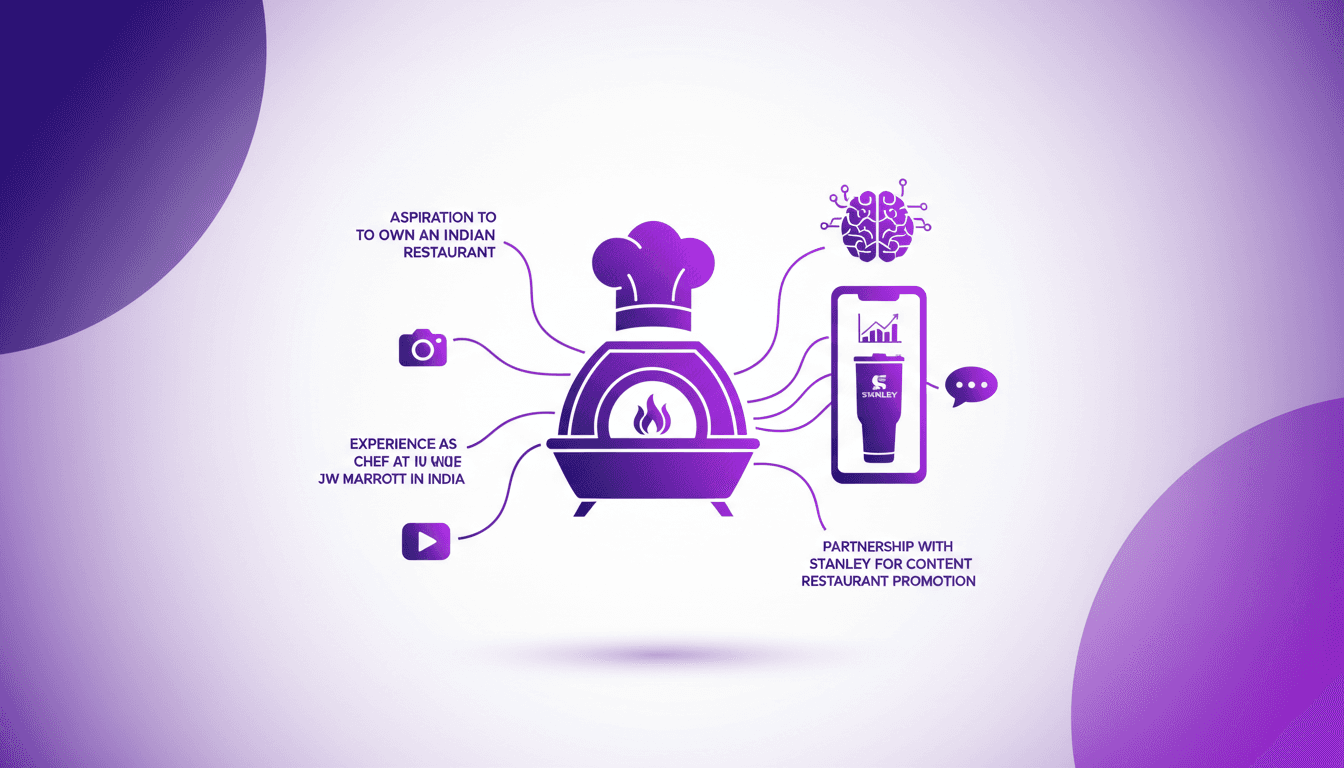
I've always dreamed of owning an Indian restaurant. It started back when I was a chef at the JW Marathon in India. But dreams need more than passion—they need a plan. I'm using social media and AI to make it happen. In today's digital age, leveraging social media isn't just an option—it's a necessity. With my culinary background and a keen interest in content creation, I'm on a mission to blend tradition with technology. Here's how I'm planning to launch my restaurant by combining my chef skills and the power of social networks.
AI Resource Struggles: Nvidia Delays, Open Source
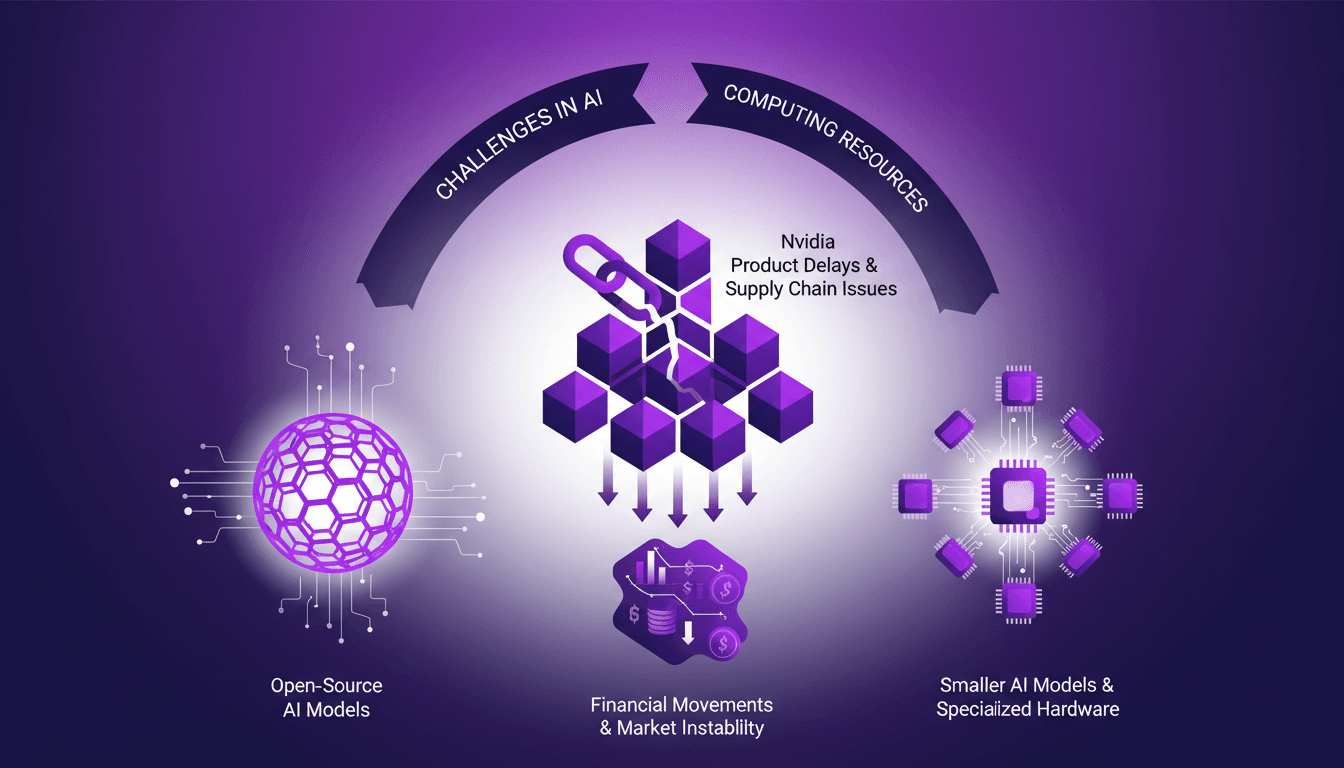
I remember the first time I hit a wall with AI compute resources. It felt like trying to run a marathon on a treadmill stuck at walking speed. In this rapidly evolving AI landscape, we're facing real challenges—from Nvidia's delays to the growing allure of open-source models. The market is in flux, with financial movements like Mistral's debt announcements adding another layer of complexity. We need to navigate resource shortages, the emergence of smaller AI models, and supply chain issues affecting component lead times. Let's dive into these dynamics from a practitioner’s perspective, focusing on practical solutions and trade-offs.
CTV Discovery: New Frontier in Marketing
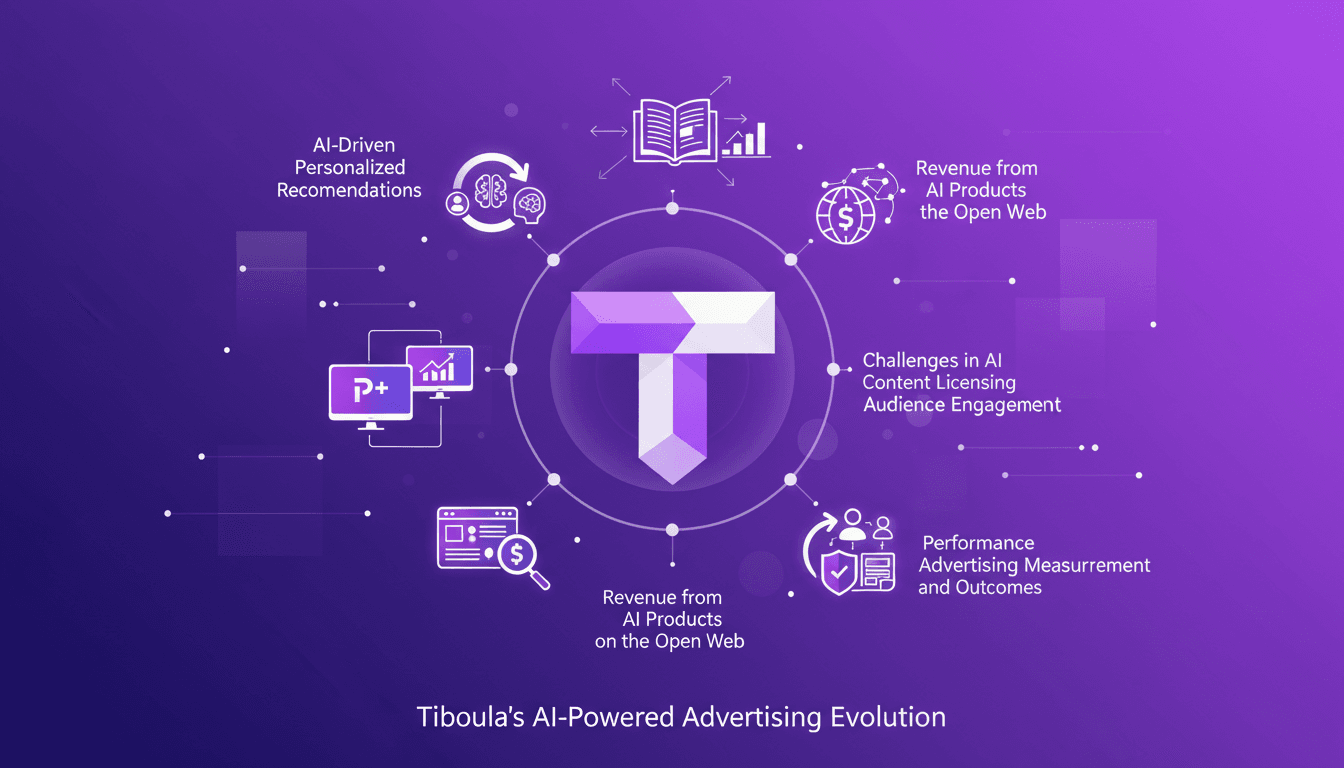
I've been deep in the trenches of performance marketing for years, and let me tell you, the landscape is shifting fast. CTV discovery is emerging as the new battleground, and our strategies must adapt accordingly. Tiboula is positioning itself as a key player, leveraging AI-driven personalized recommendations and LLMs that are game changers. They interact with 600 million people daily, and with strategic partnerships with Paramount and LG, the impact is enormous. But watch out for challenges in content licensing within journalism. Instead of getting lost in search, engaging a loyal audience is our new compass. Let's talk about measurable outcomes in performance advertising, where every pivot counts.