Spec-Driven Development: Sharpen Your AI Toolbox
I've spent over 25 years in software development, and if there's one thing I've learned, it's that clarity in specifications can make or break a project. Spec-Driven Development (SDD) has become a game changer in my AI toolbox, especially with the launch of Kira. As AI systems grow increasingly complex, having a structured approach like SDD is crucial. Kira, launched on the 17th, offers a fresh perspective on integrating these methodologies. We'll dive into the benefits of SDD, the EARS format, property-based testing, and much more. I'll also share the challenges I've faced in large codebases and how I've overcome these hurdles with enhanced customization and flexibility.
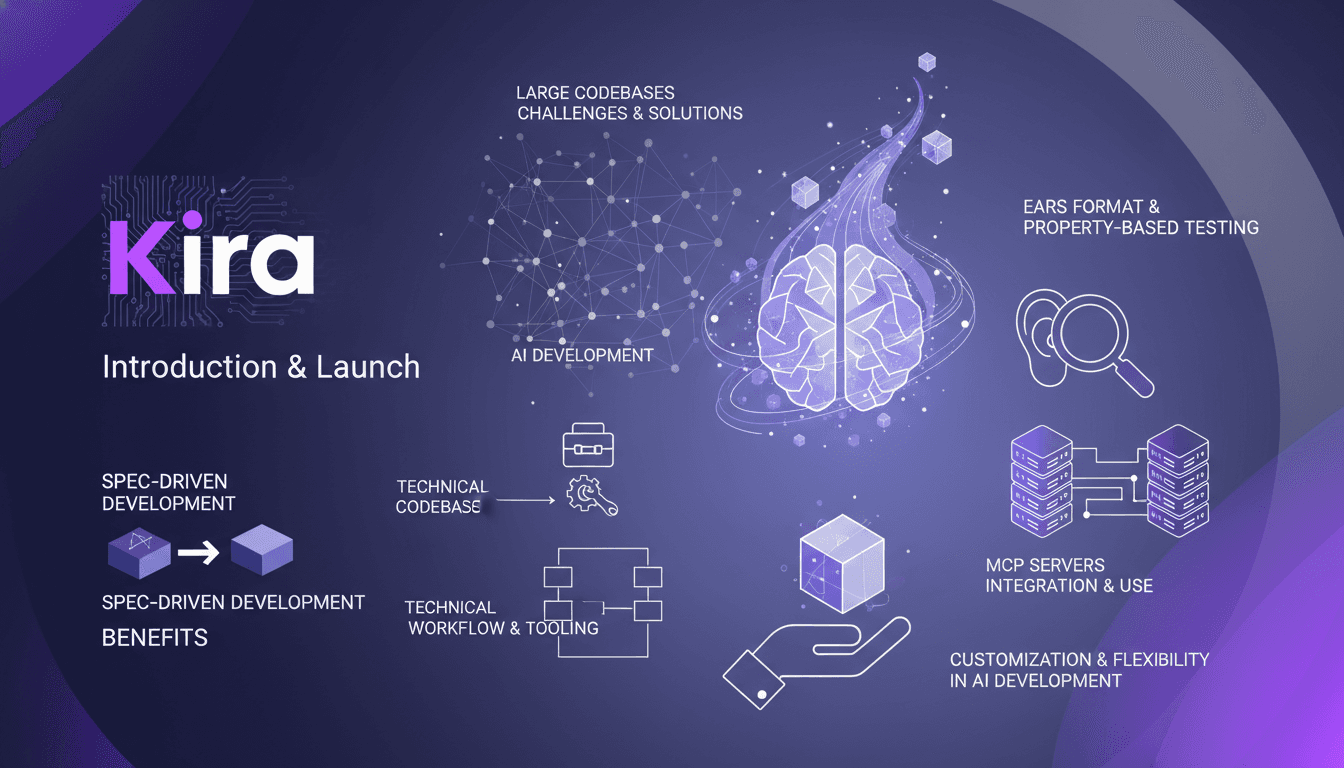
If you're anything like me, you've likely spent years wrangling with vague specs that turn every project into an unpredictable adventure. I've been burned more times than I care to admit, but since adopting Spec-Driven Development (SDD) in my AI toolbox, things have changed. With the launch of Kira on the 17th, the methodologies I've employed have taken on a new dimension. SDD isn't just a trend; it's a necessity in our world where AI systems grow ever more complex. I'll walk you through how I integrate the EARS format and property-based testing into my workflows. And watch out, there are pitfalls to avoid, especially when dealing with large codebases. I'll explain how I've overcome these challenges with increased customization. So, are you ready to sharpen your AI toolbox?
Introduction to Kira and Spec-Driven Development
Kira was launched for public preview on July 14th and became generally available on the 17th. This time was crucial for gathering user feedback and fine-tuning its features. Spec-Driven Development (SDD) is a framework that ensures clarity and efficiency, core values that I've embedded in my processes for decades. SDD perfectly aligns with industry standards that I've adopted to enhance code quality and reliability. Kira plays a pivotal role in enhancing SDD practices, especially in AI, by offering tools like property-based testing and EARS format for acceptance criteria.
"Kira, an agentic ID, enhances AI development through features like property-based testing and EARS format."
Unpacking EARS Format and Property-Based Testing
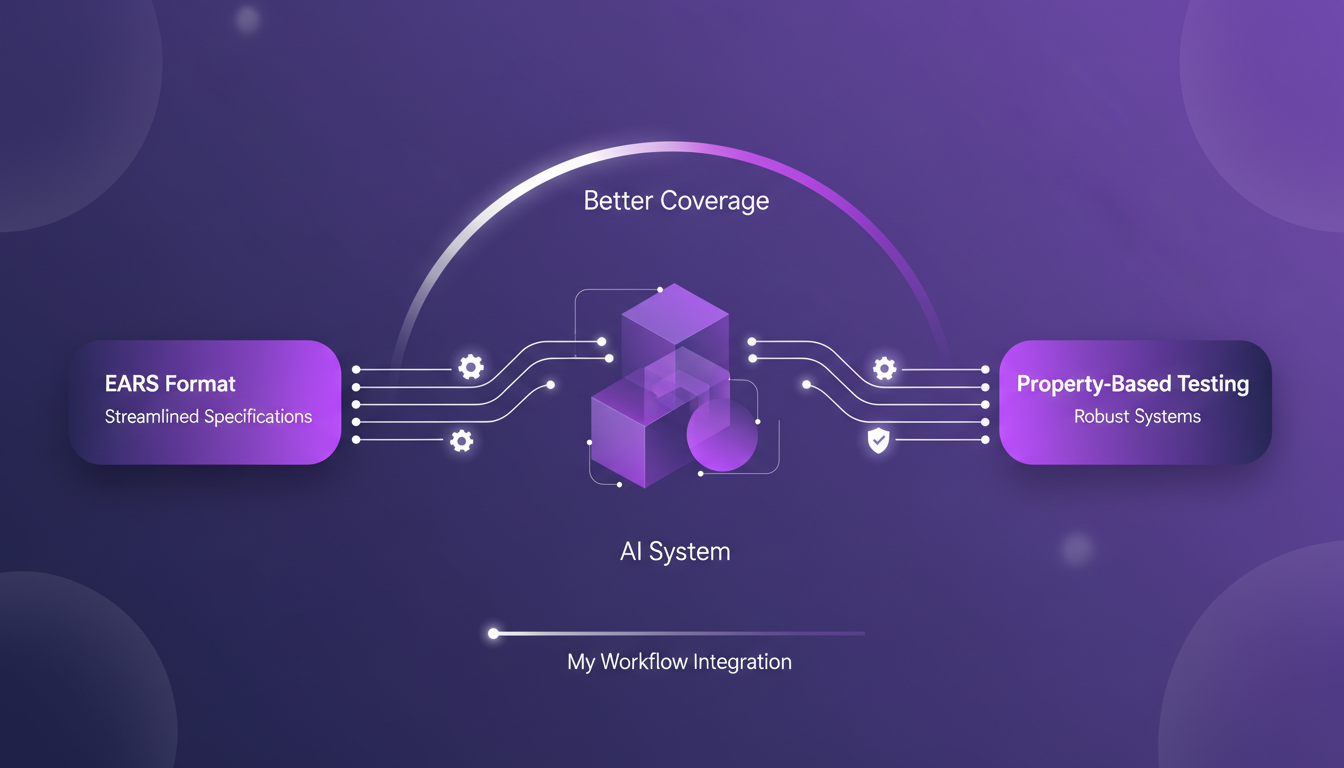
The EARS format, or Easy Approach to Requirement Syntax, is a streamlined method for writing clear specifications. I've integrated it into my workflow to improve test coverage. With property-based testing, robust AI systems can be ensured with minimal effort. In my practice, I've found aiming for a 90% coverage minimum is both realistic and achievable. However, it requires structuring your tests correctly and not overusing them, as beyond that, you risk performance loss.
Integrating MCP Servers for Enhanced AI Workflows
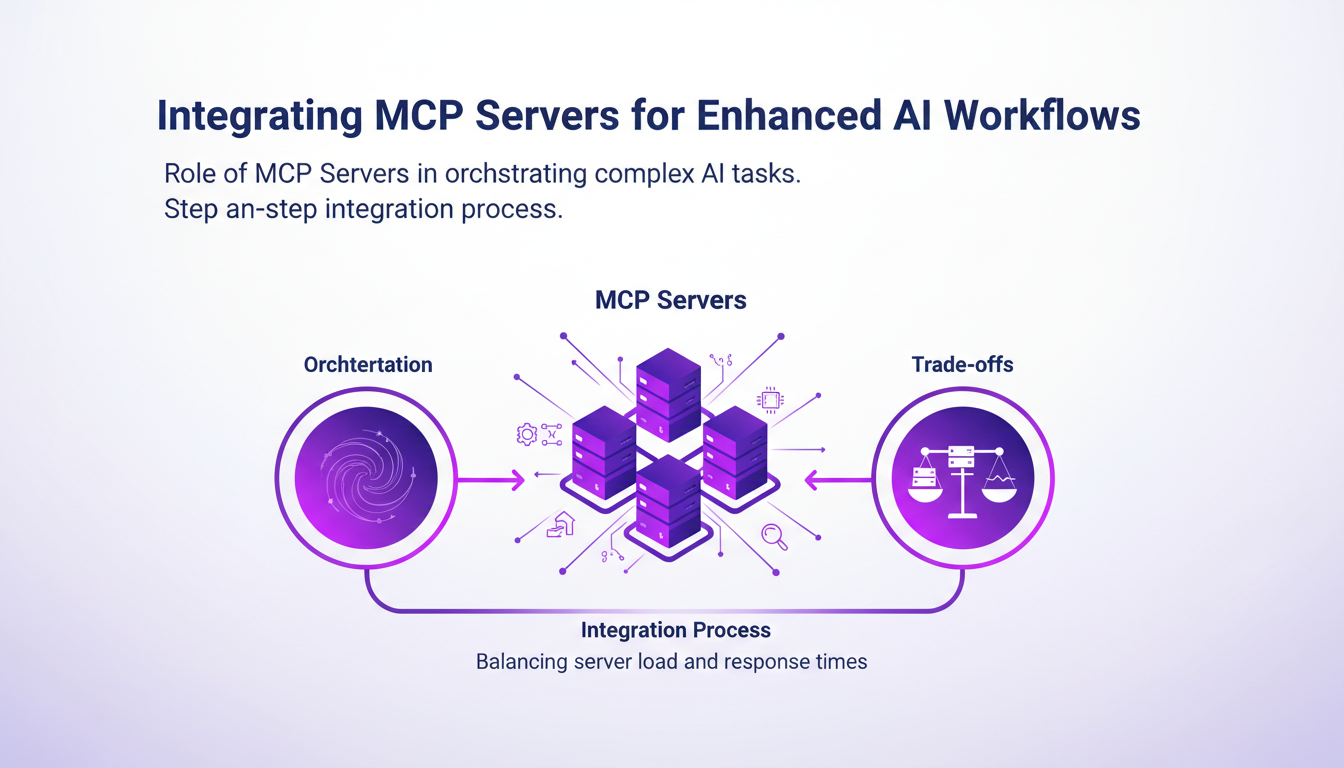
MCP servers play a central role in orchestrating complex AI tasks. Integrating these servers into my process was a revelation, especially in terms of efficiency. First, you need to connect the MCP API, then orchestrate tasks while monitoring server load and response times. However, watch out, balancing is delicate: overloading the server can lead to slowdowns. But when done right, the impact in terms of time savings and efficiency is undeniable.
Customization and Flexibility in AI Development
Kira offers customization options that allow processes to be tailored to specific needs. This flexibility is crucial, but care must be taken not to stray from standards, which can complicate things. In my projects, I've often resorted to customizations, such as integrating wireframe diagrams into artifacts produced by Kira. This has genuinely improved the spec development process. But beware not to overdo it, as excessive flexibility can lead to unnecessary complexity.
Overcoming Challenges in Large Codebases
Large codebases pose common issues, particularly in terms of management and maintenance. To handle this, I've implemented effective strategies, such as module segmentation and automated workflows. Tools I've found useful include flow diagrams and MCP servers to orchestrate everything. Looking ahead, it's about making these systems scalable and robust against technological advances, a challenge I tackle through constant tech monitoring and rigorous testing.

In conclusion, whether integrating new tools or managing large codebases, Kira and Spec-Driven Development offer effective and adaptable solutions. With the rapid evolution of AI, it's crucial to remain flexible while maintaining high quality standards.
By embracing Spec-Driven Development, I've genuinely transformed my approach to AI projects. Tools like Kira have allowed me to focus on clear specifications and robust testing, which significantly enhanced efficiency and reduced errors. First takeaway: using the EARS format and property-based testing, I've achieved a minimum of 90% coverage, which is massive. Second: integrating MCP servers has optimized process management, though it did require some initial tweaking. Third, and this might be personal, but the 'dad joke' generator helped me de-stress during crunch times. Looking ahead, I'm convinced this framework will further sharpen our AI toolbox. Ready to refine your AI development process? Dive into Spec-Driven Development and see the difference it can make. I highly recommend watching the original video to grasp the full scope of this approach. Check it out here: YouTube link.
Frequently Asked Questions

Thibault Le Balier
Co-fondateur & CTO
Coming from the tech startup ecosystem, Thibault has developed expertise in AI solution architecture that he now puts at the service of large companies (Atos, BNP Paribas, beta.gouv). He works on two axes: mastering AI deployments (local LLMs, MCP security) and optimizing inference costs (offloading, compression, token management).
Related Articles
Discover more articles on similar topics
Optimize Your Prompt Learning Loops
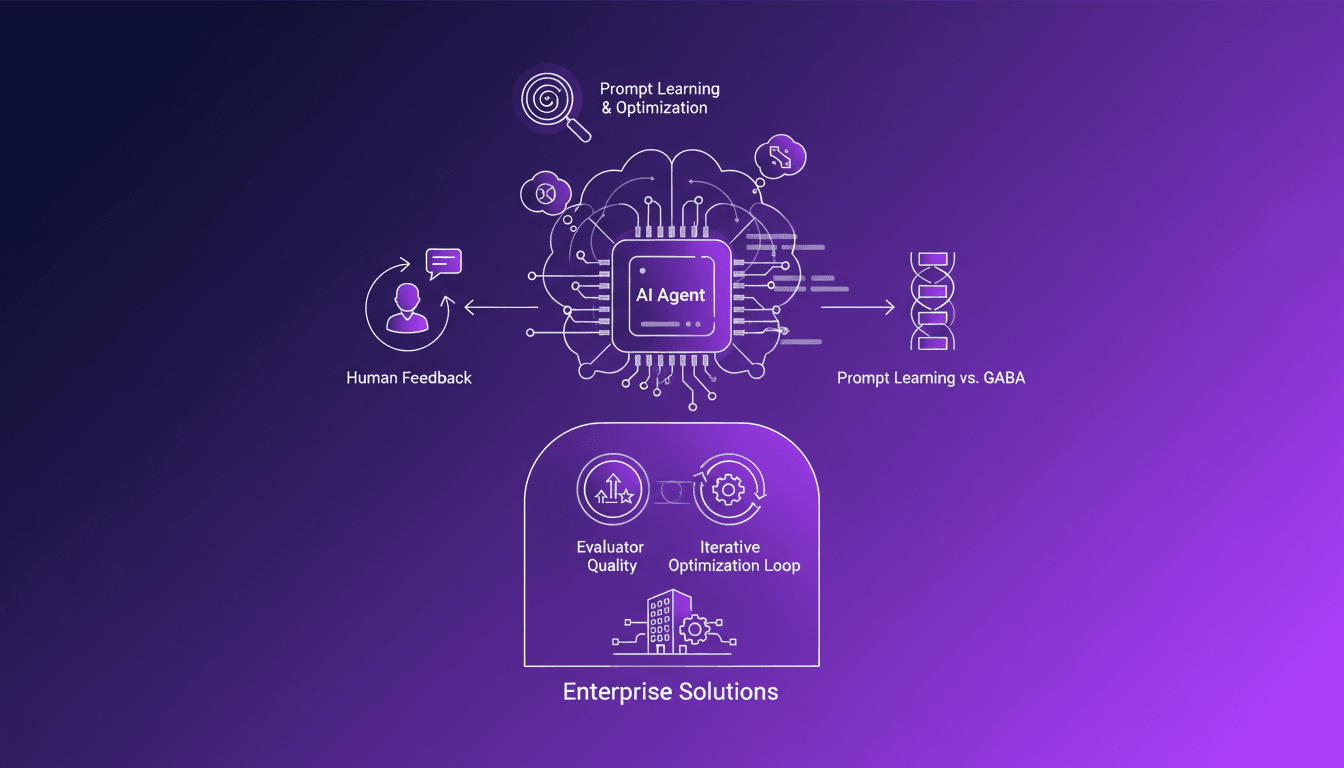
I've spent months refining how my AI agents learn. It's not just about throwing prompts at them and hoping for the best. No, it's about building a robust learning loop that evolves with every iteration. The challenges in AI agent development are many, and optimizing these prompts is where the real work begins. In this video, I share the techniques and solutions I've uncovered, from the crucial role of human feedback to the importance of evaluator quality. It's a journey into the complex world of prompt optimization, and I show you how I cracked the code.
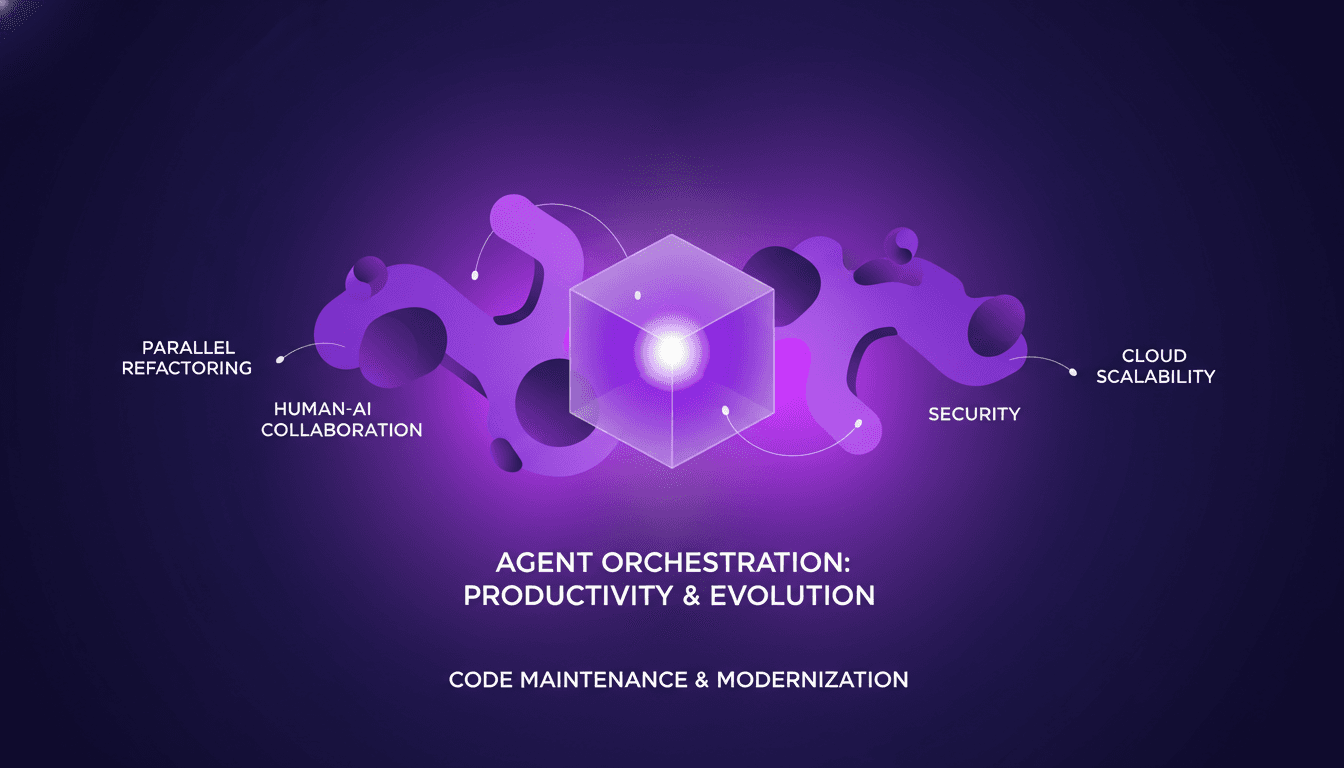
Automating Large-Scale Refactors with Agents
I've been knee-deep in code refactoring for over a decade, and let me tell you, automating this beast with parallel agents is a game changer. We're talking about an orchestration that can revolutionize your workflow. First, I set up my agents, then orchestrate them to maximize productivity impact. This is where the evolution of coding agents comes into play, having real impacts on software development. But watch out, it's not challenge-free. Security and scalability of cloud environments for agent execution are critical. Dive in to discover how to effectively collaborate with AI in software engineering.
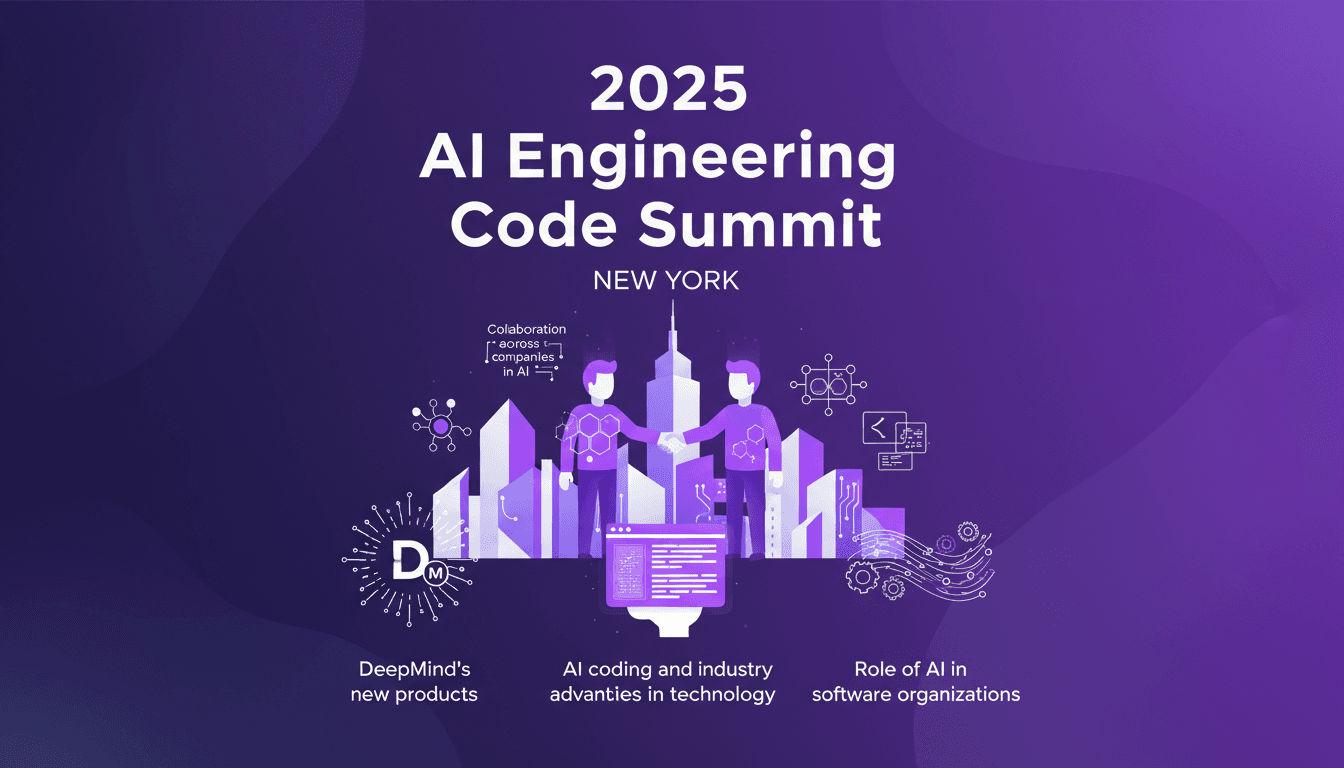
2025 AI Code Summit: Innovations and Insights
I walked into the 2025 AI Engineering Code Summit in New York, and the energy was palpable. This wasn't just another tech event; it was a gathering of the minds shaping the future of AI coding. With AI's role in software organizations expanding, understanding the latest tools and collaborations is crucial. DeepMind stands out with its new releases like Gemini 3 and Nano Banana Pro. These innovations aren't just gadgets; they're transforming how we approach software development. I've experimented with these tools, and I can tell you, they're redefining the way we orchestrate our projects. It's an exciting time for AI, and this summit is the focal point of these disruptions.
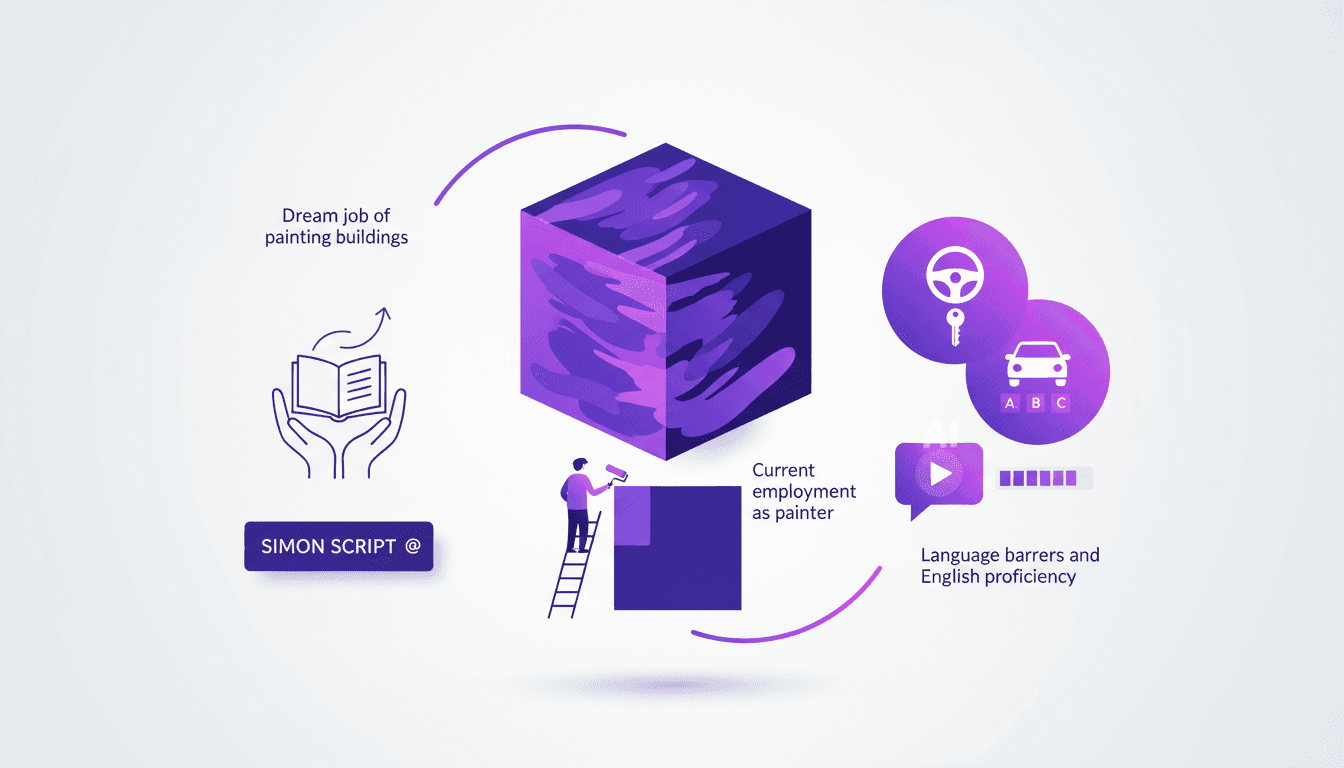
Painting Dreams: Living the Ideal Job
I've been painting buildings for years, and it's more than just a job for me. It's my dream. But like any dream, it comes with challenges. I'll walk you through my journey, from mastering the craft to tackling language barriers. And then there are my aspirations—getting my driver's license and owning a car—that drive me every day. See how Simon Script's support has helped me move forward. If you've ever felt the call of a dream you're chasing despite the hurdles, you'll know what I mean. Welcome to my world, where each brushstroke is a step toward the future.
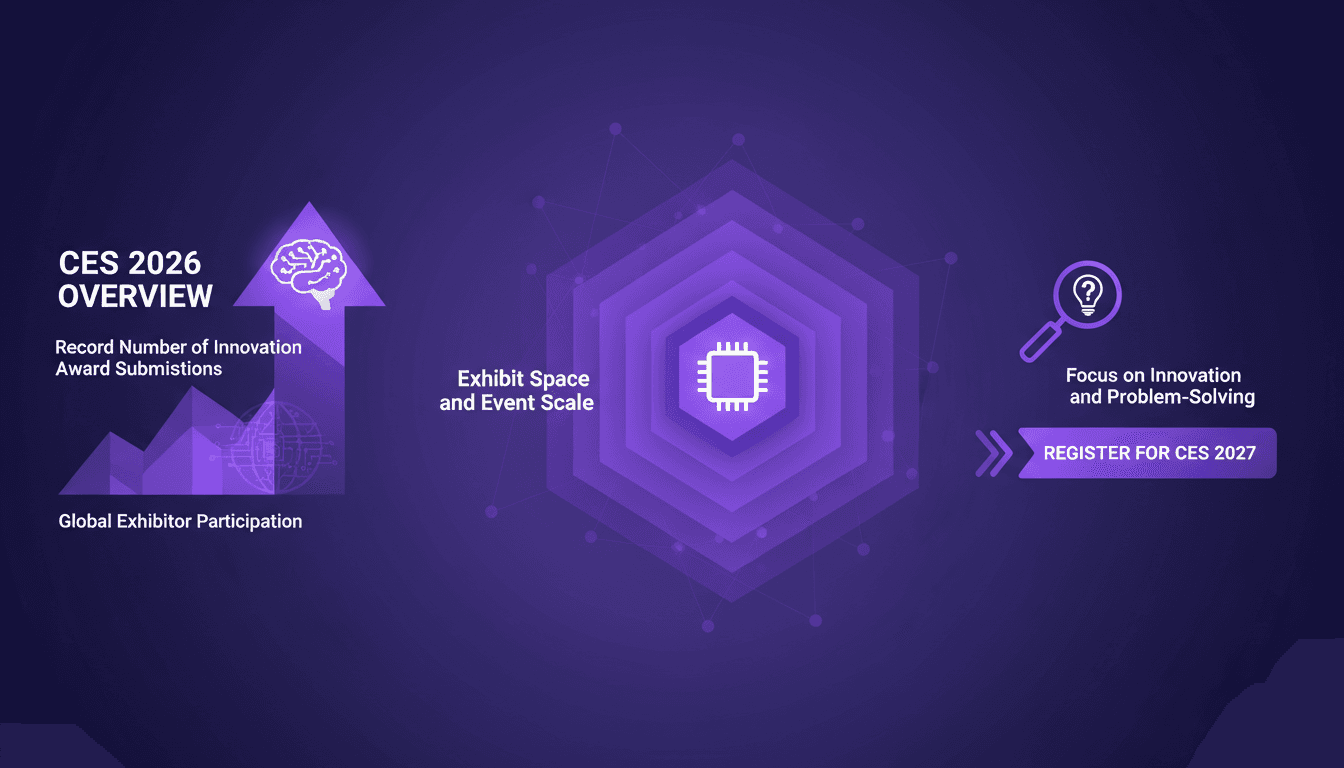
CES 2026: Innovation Unveiled at the Global Stage
I walked into CES 2026 expecting the usual tech fanfare, but what I found was way more than just another show—it was a transformative experience redefining innovation. With a record number of Innovation Award submissions and a global exhibitor presence, this year's CES was truly a game-changer. Imagine thousands of exhibitors from around the world, all gathered to showcase how technology can solve real-world problems. And it's not just marketing hype. It's the reality of what I witnessed. If you haven't marked your calendar for CES 2027 yet, you're missing out on something potentially groundbreaking.