Optimize Your Prompt Learning Loops
I've spent months refining how my AI agents learn. It's not just about throwing prompts at them and hoping for the best. No, it's about building a robust learning loop that evolves with every iteration. The challenges in AI agent development are many, and optimizing these prompts is where the real work begins. In this video, I share the techniques and solutions I've uncovered, from the crucial role of human feedback to the importance of evaluator quality. It's a journey into the complex world of prompt optimization, and I show you how I cracked the code.
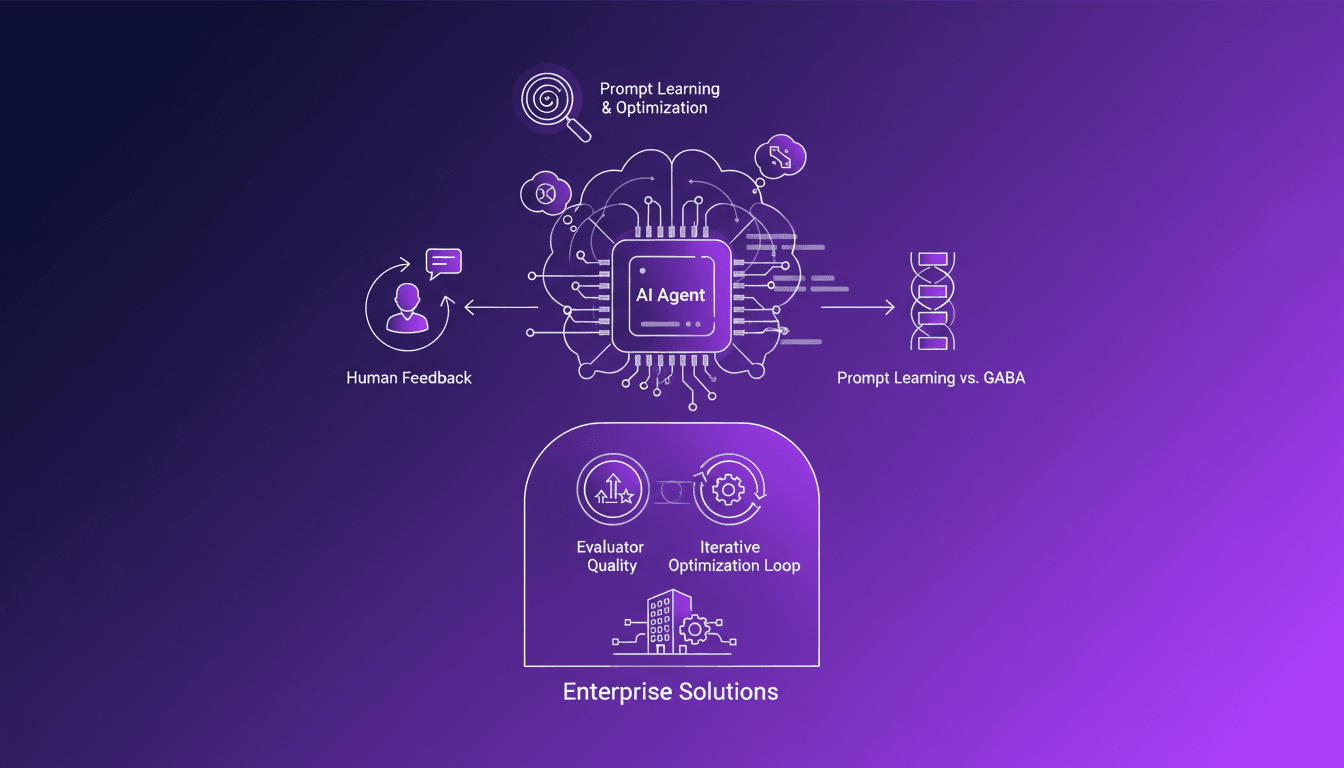
I've spent months refining how my AI agents learn. Honestly, it's not just about throwing prompts and hoping for the best. I had to build a robust learning loop that evolves with every iteration. I got burned more than once before really understanding what works. In AI agent development, prompt learning is crucial. But optimizing these prompts? That's where the real work begins. Let me walk you through the challenges I've faced, the techniques I've honed, and the solutions I've found. For instance, the quality of the evaluator is crucial for prompt optimization, not to mention human feedback, which is often underestimated. And then there's the comparison with GABA, which really shed light on the subtle but important differences. It's an iterative journey, each loop teaching me something new. I went with version 2.2 due to a package issue, so watch out for that too. I'll show you how I cracked the code and the direct implications for enterprise solutions.
Understanding Prompt Learning and Its Challenges
Prompt learning is like setting sail in unpredictable waters: you need to adjust your sails to the changing conditions. But why is it crucial? Simply put, AI agents rely on these prompts to generate relevant responses. Yet, I've often faced unexpected challenges during development. Weak environments and unclear instructions are frequently to blame for failures. For instance, I've seen that without a solid foundation, prompts fail to adapt to new information. The iterative nature of prompt optimization is essential, but beware, it’s easy to go astray. I made the mistake early on of underestimating the importance of a good start. Trust me, it's better to start on the right foot.
Techniques for Effective Prompt Optimization
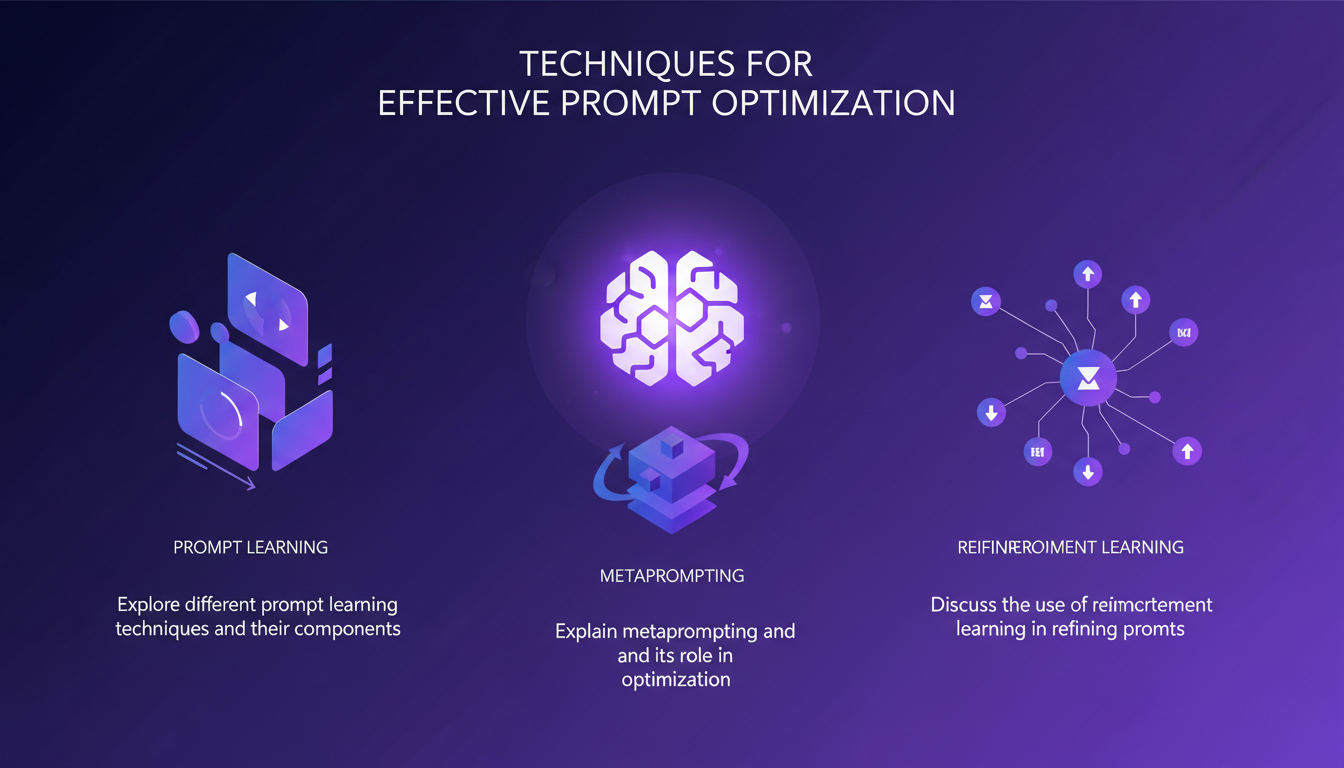
I've explored several prompt optimization techniques, each with its specific components. Metaprompting, for instance, plays a crucial role in refining prompts. It involves using one AI to generate or refine prompts for another AI, often based on a set of criteria. But it doesn't stop there. Reinforcement learning adds another dimension, using human feedback to guide the AI towards better proposals. Then there's evolutionary optimization, which works like natural selection, with the best-performing prompts being selected and modified for improvement. Personally, I've set up an optimization loop to test these techniques, and here's how I proceed:
- Start by defining clear criteria for prompt evaluation.
- Use metaprompting to generate multiple variations.
- Apply reinforcement learning to refine results.
- Reiterate the process to select and improve the best prompts.
The Role of Human Feedback and Evaluator Quality
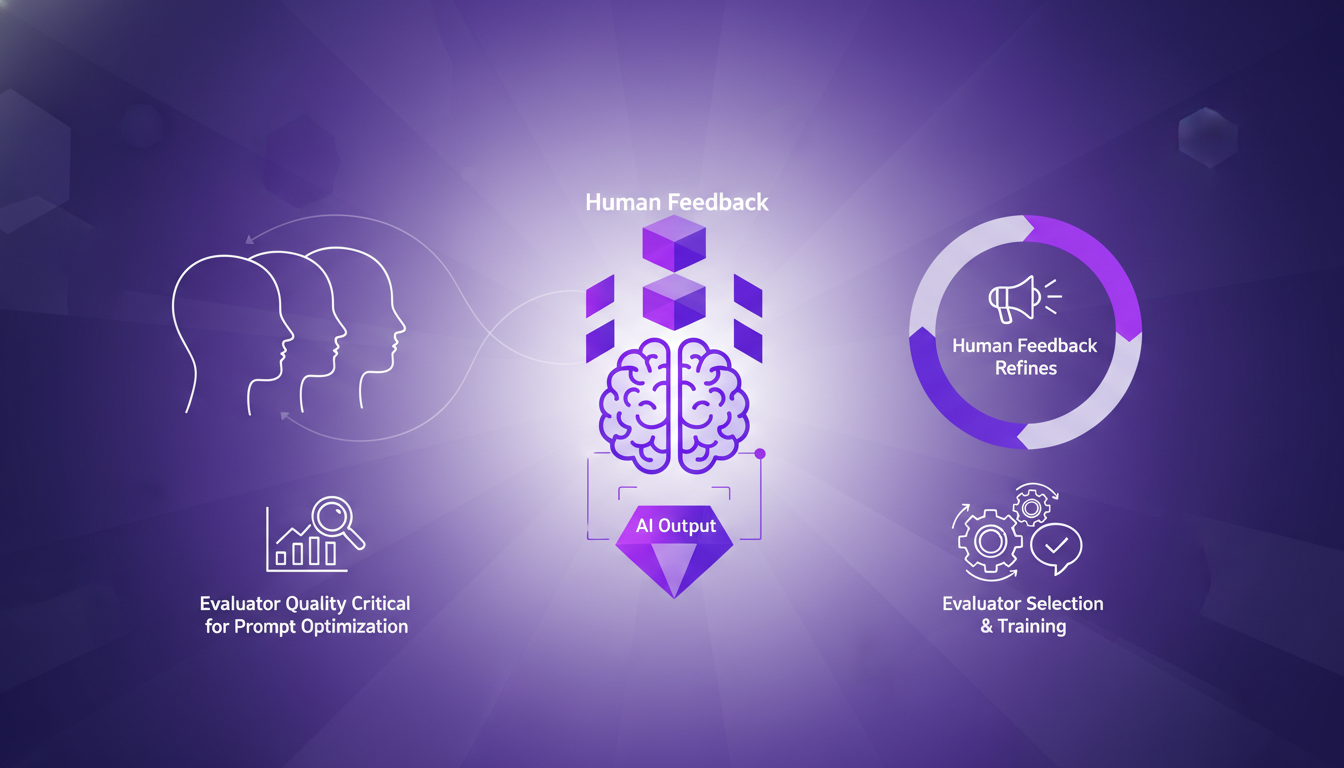
I can't stress enough: evaluator quality is crucial in prompt optimization. Without good human feedback, refining AI outputs becomes nearly impossible. In my experience, I've had to carefully select and train evaluators to ensure quality feedback. A common pitfall? Ignoring human feedback, which often leads to mediocre results. I advise integrating feedback loops effectively into your optimization process:
- Train evaluators on specific evaluation criteria.
- Regularly integrate feedback into the optimization cycle.
- Avoid ignoring or minimizing negative feedback.
Comparing Prompt Learning with GABA and Other Methods
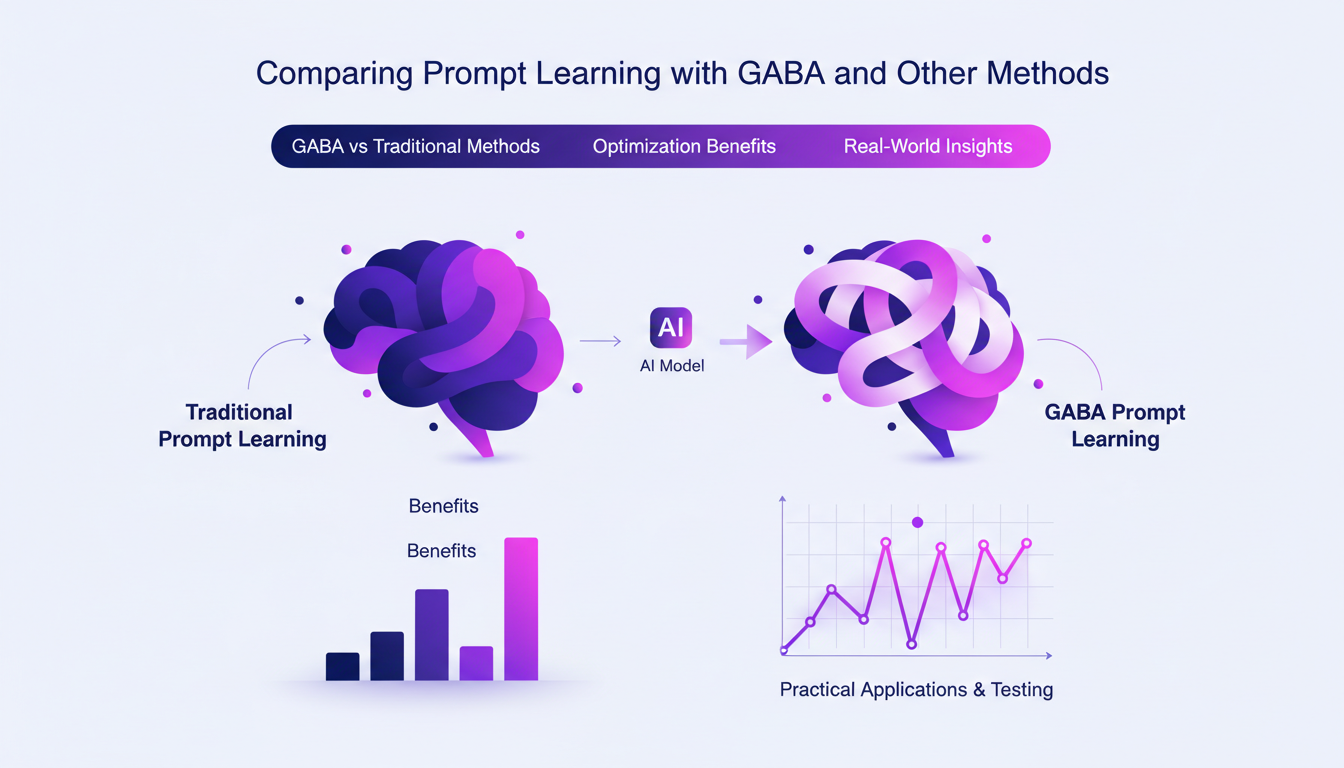
When it comes to prompt optimization, GABA often comes up. But how does it compare to traditional methods? After testing several approaches, I've found that each method has its advantages and limitations. For example, GABA can offer flexibility that other methods struggle to achieve, but it requires more complex implementation. Here's how I navigate these options:
| Method | Advantages | Limitations |
|---|---|---|
| Prompt Learning | Ease of implementation | Less flexible |
| GABA | High adaptability | High complexity |
| Evolutionary Optimization | Continuous improvement | Computation time |
Enterprise Solutions and Future Directions
In the realm of enterprise solutions, tools like Arize stand out for prompt optimization. By integrating these tools into my workflows, I've been able to automate many optimization tasks. But beware, it's crucial to stay up-to-date with the latest versions to get the most out of these technologies. Looking ahead, I see several trends emerging, such as increased integration of reinforcement learning and the growing sophistication of evaluation systems. For those looking to continuously improve their AI agents, here's my roadmap:
- Integrate proven enterprise solutions like Arize.
- Keep up with industry updates and innovations.
- Establish a continuous improvement cycle based on feedback and new technologies.
To learn more about AI integration in industrial sectors, check out our article on Caterpillar.
Building a prompt learning loop isn't just about the prompts. It's about creating an ecosystem where feedback, iteration, and optimization work hand-in-hand. From my experience on the ground, here’s what I’ve nailed down:
- First, set 5 loops for your optimization iterations. That's the sweet spot that really refined my AI agents.
- Then, realize that 100% of people building agents today need to get this down. It's crucial.
- Watch out for the specific version 2.2 required due to a package issue. Don’t get caught out like I did.
With the right techniques and tools, this can be a real game changer for enhancing your AI agents. But remember, optimization comes with its limits. Ready to take your AI agents to the next level? Start optimizing your prompts today and see the difference.
For a deeper dive, I strongly recommend watching the original video "Build a Prompt Learning Loop" by SallyAnn DeLucia & Fuad Ali here: YouTube link. It’ll give you an even better handle on the approach. See you on the other side?
Frequently Asked Questions

Thibault Le Balier
Co-fondateur & CTO
Coming from the tech startup ecosystem, Thibault has developed expertise in AI solution architecture that he now puts at the service of large companies (Atos, BNP Paribas, beta.gouv). He works on two axes: mastering AI deployments (local LLMs, MCP security) and optimizing inference costs (offloading, compression, token management).
Related Articles
Discover more articles on similar topics
Caterpillar's AI Integration: 100 Years of Innovation
I remember the first time I saw a Caterpillar machine in action—it was a game changer in construction. Fast forward to CES 2026, and we're now discussing AI-driven innovations that could redefine the entire industry. As Caterpillar celebrates its centennial, they're pushing boundaries with machine learning, in partnership with Nvidia. We're not just talking about autonomous systems in mining and construction, but a whole ecosystem of autonomy and connectivity. And watch out, with the introduction of their CAT AI Assistant, there's a clear promise to transform how we approach workforce development and the future of autonomy in this sector. No empty promises here, just concrete solutions aiming to make a real impact.
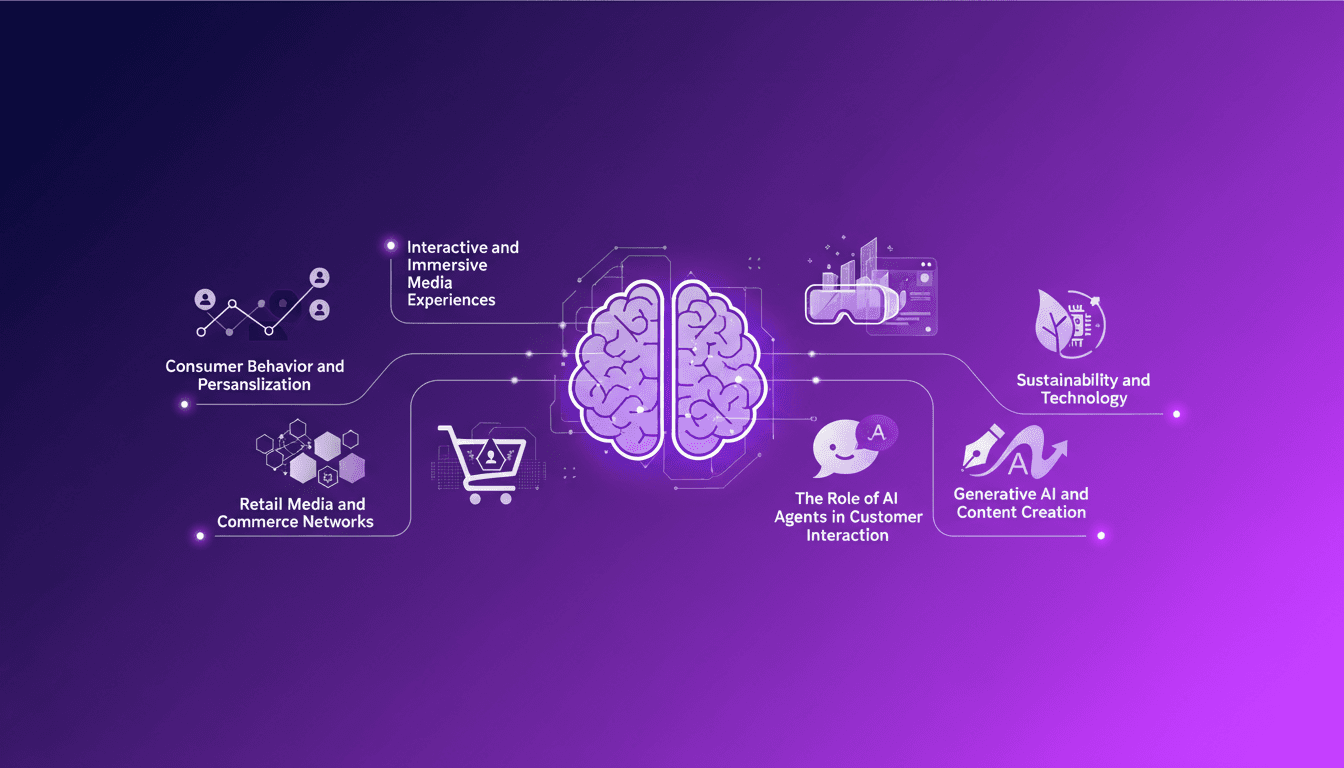
AI in Advertising: 2026 Strategies to Implement
Back in 2026, I found myself at the forefront of AI in advertising, navigating the intricate landscape of consumer behavior and personalization. The tools were evolving rapidly, and we had to continually adapt our strategies to fully harness AI's potential in marketing. Picture juggling transaction data from 400 million consumers while diving into retail media networks and immersive media experiences. This session captures the practical applications and daily challenges we face. From AI agents to generative content, grasping how all this shapes our customer interactions and sustainability footprint is essential.
Seammens-Nvidia Partnership: Revolutionizing Industry
I stood right there at CES when Seammens and Nvidia took the stage, and it hit me—this isn’t just another tech partnership. We’re diving headfirst into reshaping the entire industry with a brand-new industrial operating system. Let me take you behind the scenes of this unfolding revolution. With Seammens and Nvidia at the helm, we're not just talking hype; we're transforming how we think about manufacturing and technology. Together, we're building the future of industry, and that changes everything.
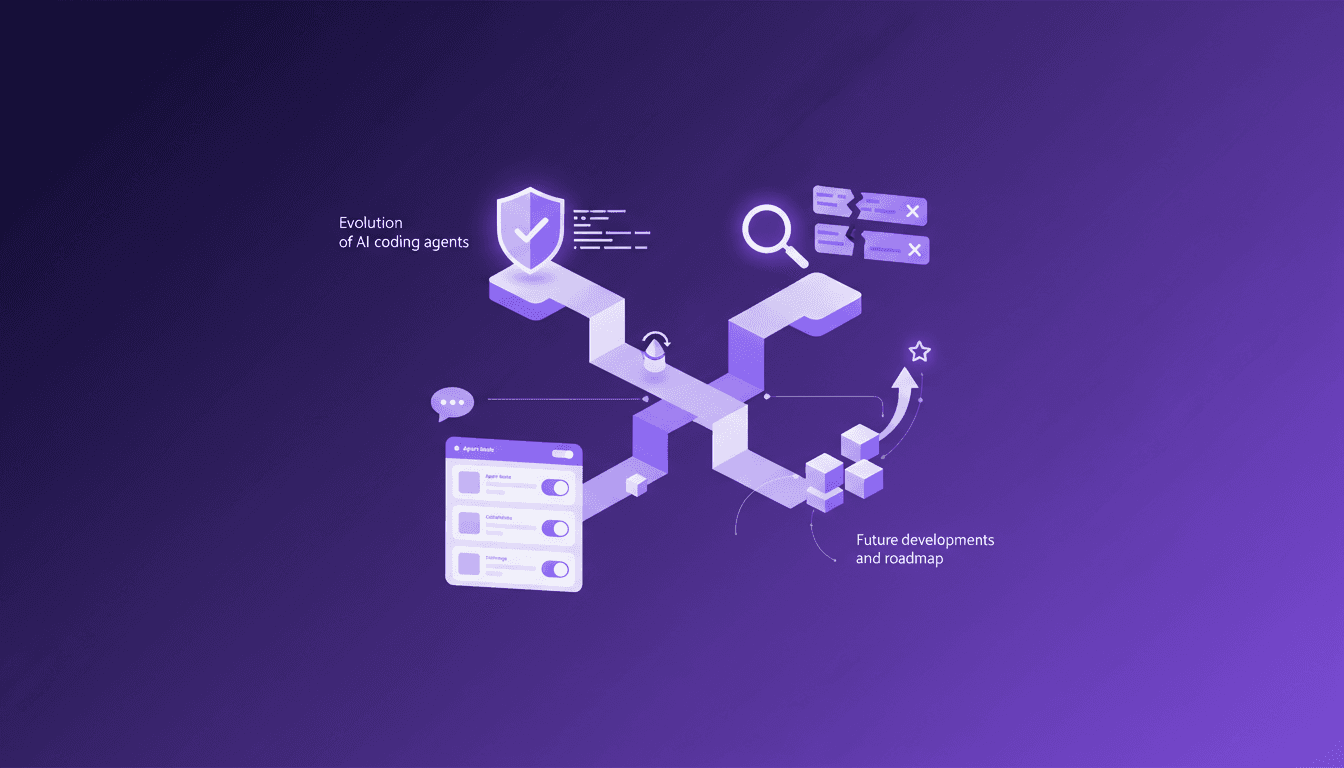
Building the Future of AI Coding Tools
I remember the first time I integrated Cursor into our workflow—what a game changer. It wasn't just about automating code; it was about revolutionizing how we trust and interact with AI coding agents. Cursor is leading this evolution. In just over a year, coding agents have made significant strides, and with Cursor, you can kick off six agents in mere seconds. But watch out, mastering the debug mode is crucial to harness its full potential. Cursor isn't just about simplifying coding; it's rethinking the entire user experience and the trust we place in these tools. Let's dive into how Cursor is setting the stage for the future.
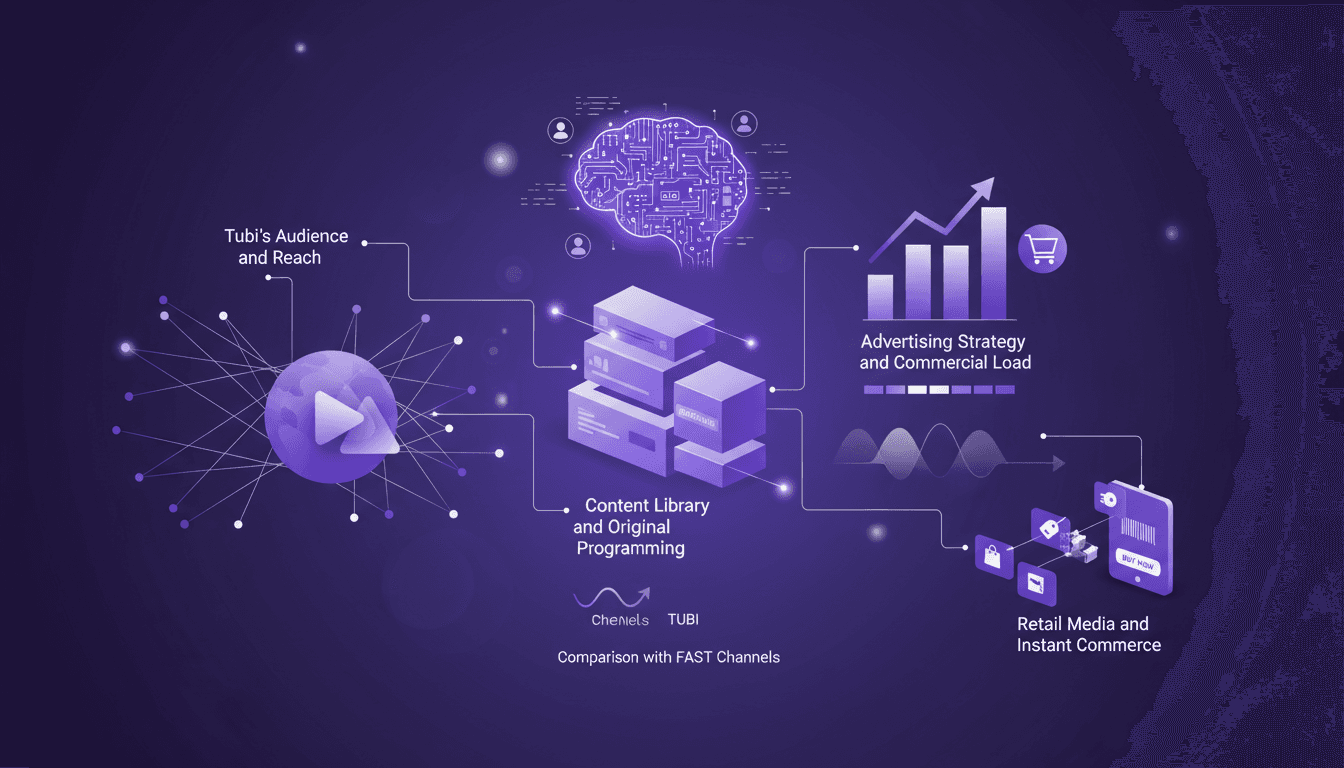
Tubi: Transforming Streaming with FAST and AI
I remember the first time I realized Tubi wasn't just another streaming service. Diving into their model, I saw how they leveraged AI to personalize experiences in a way that felt almost uncanny. With over 100 million monthly active users, Tubi is leading the streaming evolution with its FAST channels and AI-driven personalization. While others are still figuring things out, Tubi is already redefining user engagement. Let's explore how they do it, blending AVOD, original programming, and an innovative advertising strategy.