Solopreneur Tech Stack: $10K MRR, Key Tools
I still remember the day I hit $10K MRR with my projects. It wasn't luck; it was my tech stack that made it happen. I'm going to show you how I built it, the tools I used, and the pitfalls I dodged. We're talking about Next.js for the backend, React Native with Expo for mobile apps, and a bit of Supabase magic for database management. And trust me, don't underestimate the power of a solid boilerplate to ship fast. This isn't theory, it's lived experience, and it makes all the difference when it comes to efficiency and costs.
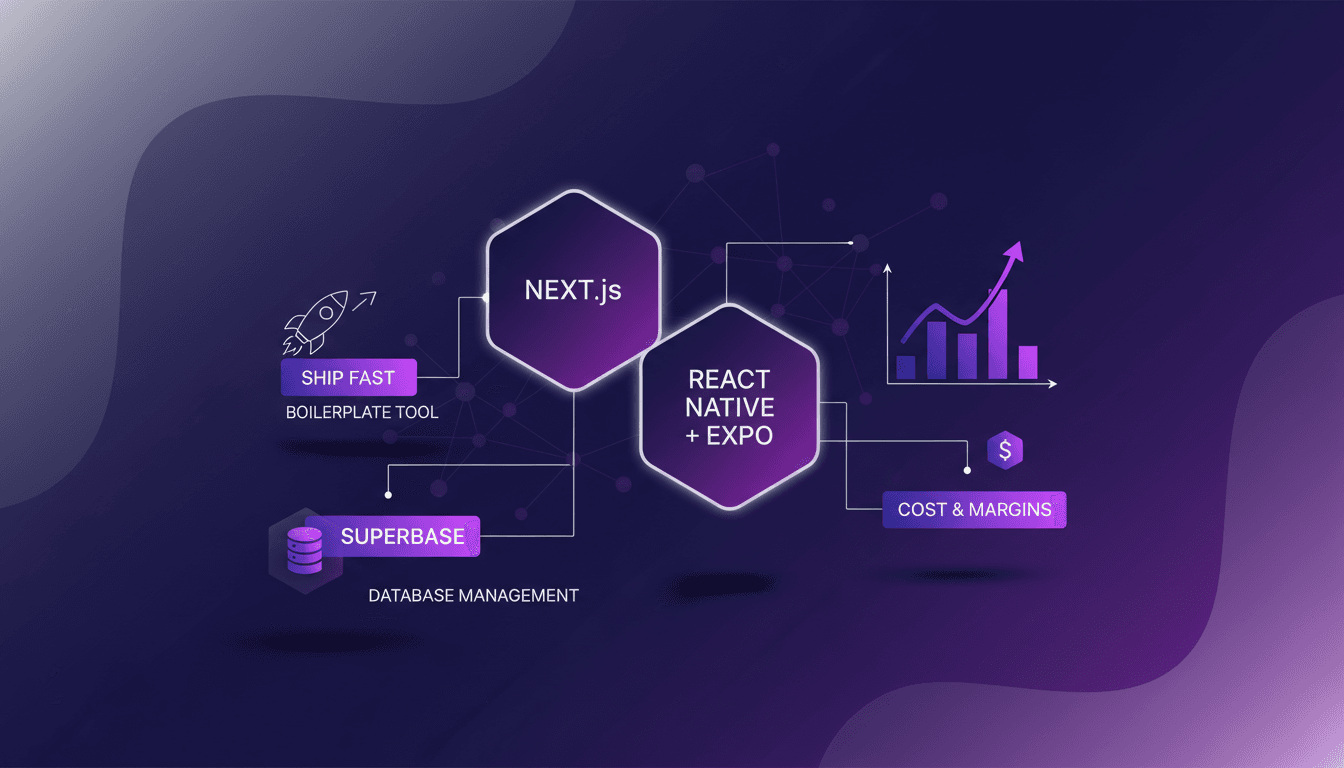
I vividly recall the day my projects crossed the $10K MRR line. It wasn't magic; it was my tech stack. Today, I'm going to walk you through exactly how I built it, the tools I embraced, and the pitfalls I managed to avoid. We kick off with Next.js to orchestrate the backend, then move to React Native with Expo for crafting mobile apps. I also leaned on Supabase for database management. And to ship fast and smart, I use a boilerplate that truly makes a difference. This isn't abstract theory, it's concrete reality. I'll show you how these tech choices helped me control costs while boosting efficiency. No fluff, just real-world insights and tools that actually work.
Building the Foundation with Nex.js
I chose Nex.js for my web projects primarily because it offers a robust structure that accelerates development. Why waste time reinventing the wheel when Nex.js lets you focus on what's essential? With Nex.js, I've been able to streamline my development process thanks to its built-in routing system and SSR (Server-Side Rendering) support, which works wonders for SEO.

One of the major trade-offs I encountered is the increased complexity when handling larger applications. Nex.js is fantastic for getting started, but watch out for limits when you exceed 100,000 tokens. It's crucial to orchestrate your project's structure well to avoid poor performance. For efficient Nex.js integration, I recommend using plugins and tools like Vercel for continuous deployment, which greatly simplifies the process.
- Use built-in routing for better SEO management.
- Optimize project structure to avoid excessive complexity.
- Deploy with Vercel for a smoother workflow.
Mobile Mastery: React Native with Expo
For mobile apps, React Native with Expo is my winning combo. Setting up React Native with Expo is a breeze, and it's a real time-saver. The benefits? Speed and simplicity that allow you to focus on the app's critical features. That said, every silver lining has a cloud. I faced performance issues, especially with complex animations.
When issues arose, I found that using the Ship React Native boilerplate helps keep performance in check. Expo is great for speed, but can become a resource hog if you don't configure dependencies correctly. Keep an eye on Expo's frequent updates to benefit from the latest optimizations.
- Kickstart quickly with Expo for rapid iterations.
- Avoid heavy animations to preserve performance.
- Stay updated with Expo's regular releases.
Speeding Up with Ship Fast
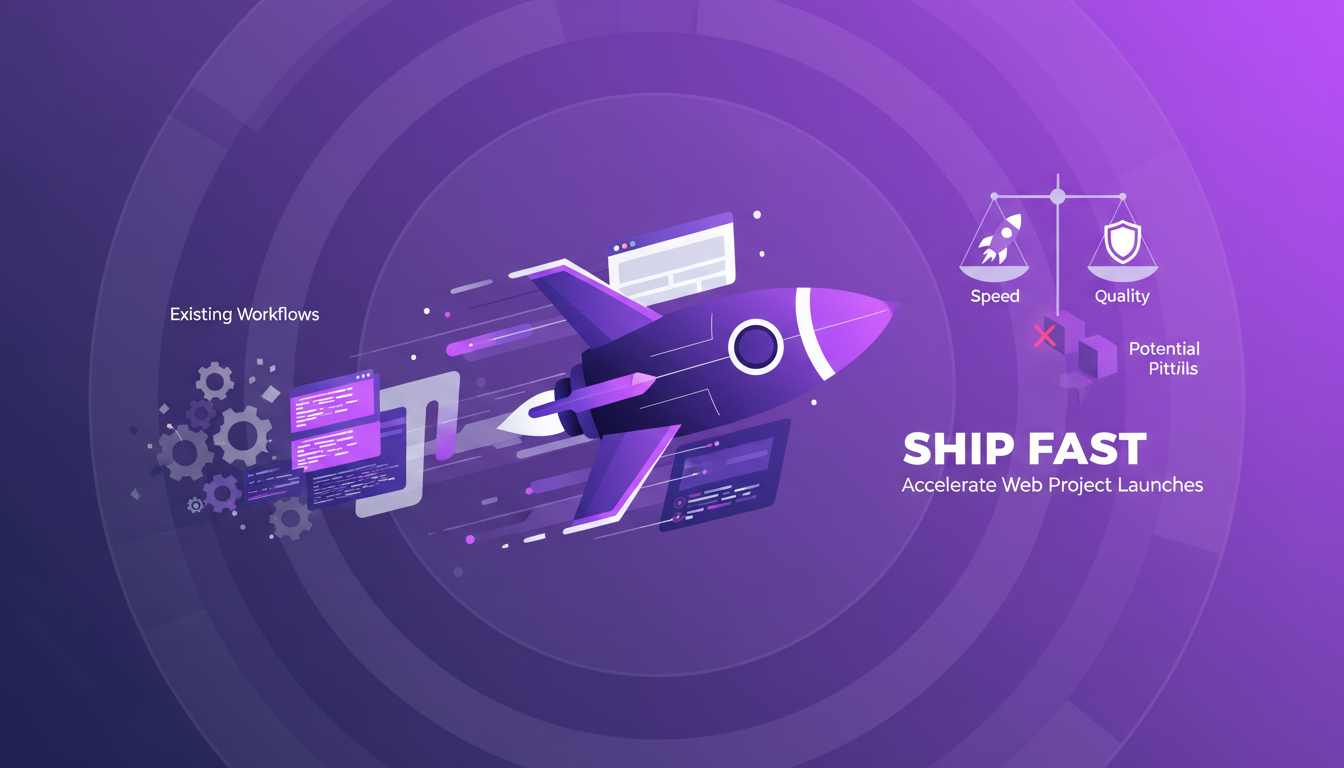
With Ship Fast, launching my web projects has never been quicker. This boilerplate, developed by my friend Mark Blue, simplifies integrating common features. I integrate Ship Fast into my existing workflows to cut down the time between development and deployment. However, there's a fine line between speed and quality. Rushing can lead to costly mistakes.
My personal hacks for using Ship Fast effectively? Customize the templates to better suit your project's specific needs. This helps avoid wasting time on non-essential elements and focus on what truly matters.
Database Management with Superbase
Superbase is my choice for database management. Why? Because it combines the power of PostgreSQL with a modern, intuitive UI. Setting up and managing databases with Superbase is a breeze, and costs are kept in check with transparent pricing.
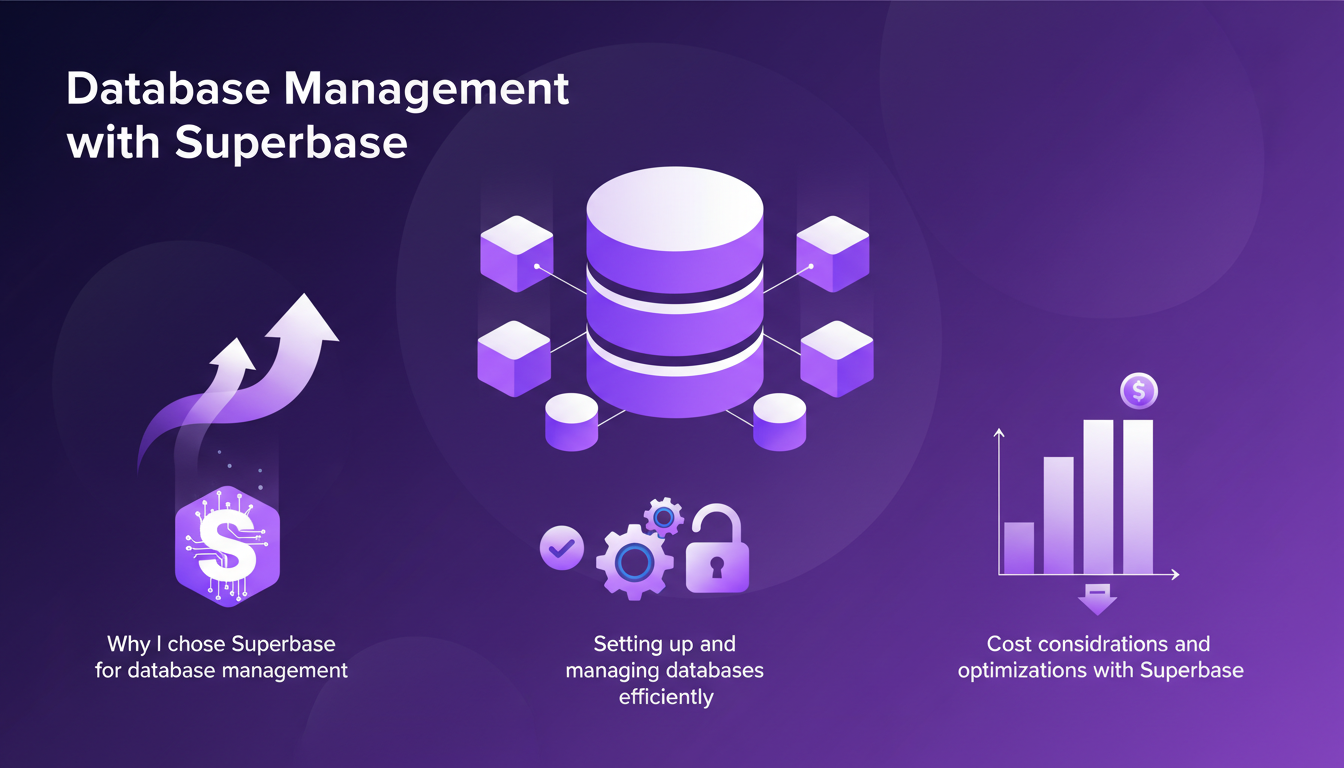
However, avoid overloading your queries with too much data. This can quickly become costly, especially if you're using third-party APIs like Twitter, which costs $200 per month. Optimize your queries to avoid common pitfalls in database management.
- Use Superbase's modern UI to simplify management.
- Avoid heavy queries to reduce costs.
- Opt for transparent pricing to better manage the budget.
Cost Breakdown and Achieving High Margins
Maintaining profit margins over 95% is a challenge, but it's achievable by closely monitoring costs. The monthly cost of the Twitter API is $200, which represents a significant portion of my monthly expenses. To balance costs with growth opportunities, I ensure resources are well-distributed and avoid common mistakes like overconsumption of non-essential services.
Here are my strategies for maintaining these high margins:
- Constantly monitor costs and adjust budgets accordingly.
- Invest wisely in tools that offer the best ROI.
- Avoid unnecessary expenses by automating and optimizing existing processes.
Managing costs and margins effectively is essential for building a successful personal brand in the digital world.
Building a tech stack to support $10K MRR is all about making informed choices at every step. I personally lean on Nex.js for its flexibility and use React Native with Expo for mobile apps. It's a combo that works, but be careful not to underestimate maintenance time. Then, I go for Supabase for database management. It's a real game changer in terms of speed, but watch out for token usage to avoid hidden costs. And of course, there's 'ship fast', a boilerplate tool that’s let me launch web projects in no time.
Looking forward, every tool you adopt should not only solve an immediate problem but also scale with your growth. That's where continuous optimization comes into play.
Whether you're starting or optimizing, these insights can really streamline your tech stack and boost efficiency. Watch the full video here for more details – it’s like chatting with a colleague sharing their firsthand experience.
Frequently Asked Questions

Thibault Le Balier
Co-fondateur & CTO
Coming from the tech startup ecosystem, Thibault has developed expertise in AI solution architecture that he now puts at the service of large companies (Atos, BNP Paribas, beta.gouv). He works on two axes: mastering AI deployments (local LLMs, MCP security) and optimizing inference costs (offloading, compression, token management).
Related Articles
Discover more articles on similar topics
Building a Niche App to $9K MRR: Strategies & Tools
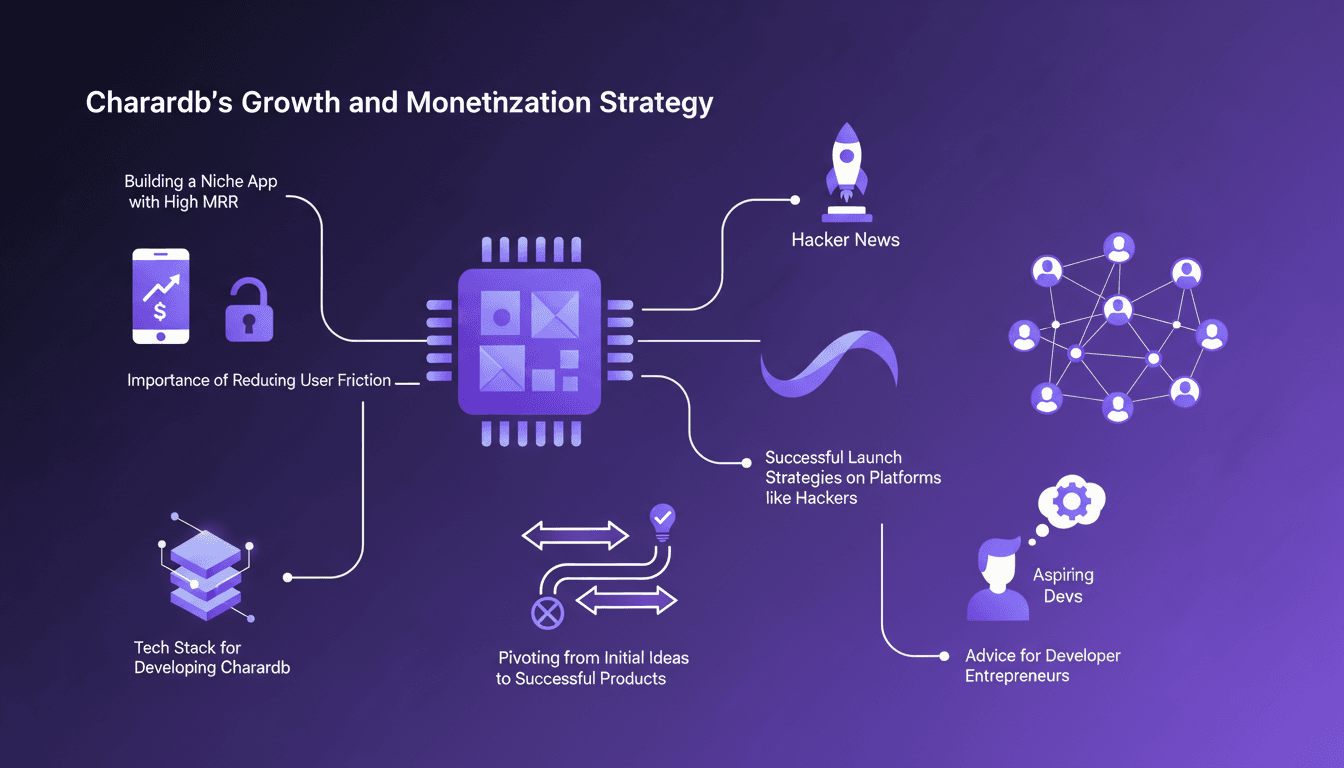
I built Charardb, a niche app that hit $9K MRR. No small feat—and here's how I navigated the challenges, leveraged platforms like Hacker News, and orchestrated a tech stack that scales. In a world flooded with apps, standing out and hitting significant MRR is more than just luck. Charardb isn't a fluke; it's the result of well-thought-out strategies and precise technical execution. I'll share how I reduced user friction, optimized the launch, and pivoted from initial ideas to transform a concept into a tangible success.
Building a 20x Startup with Automation
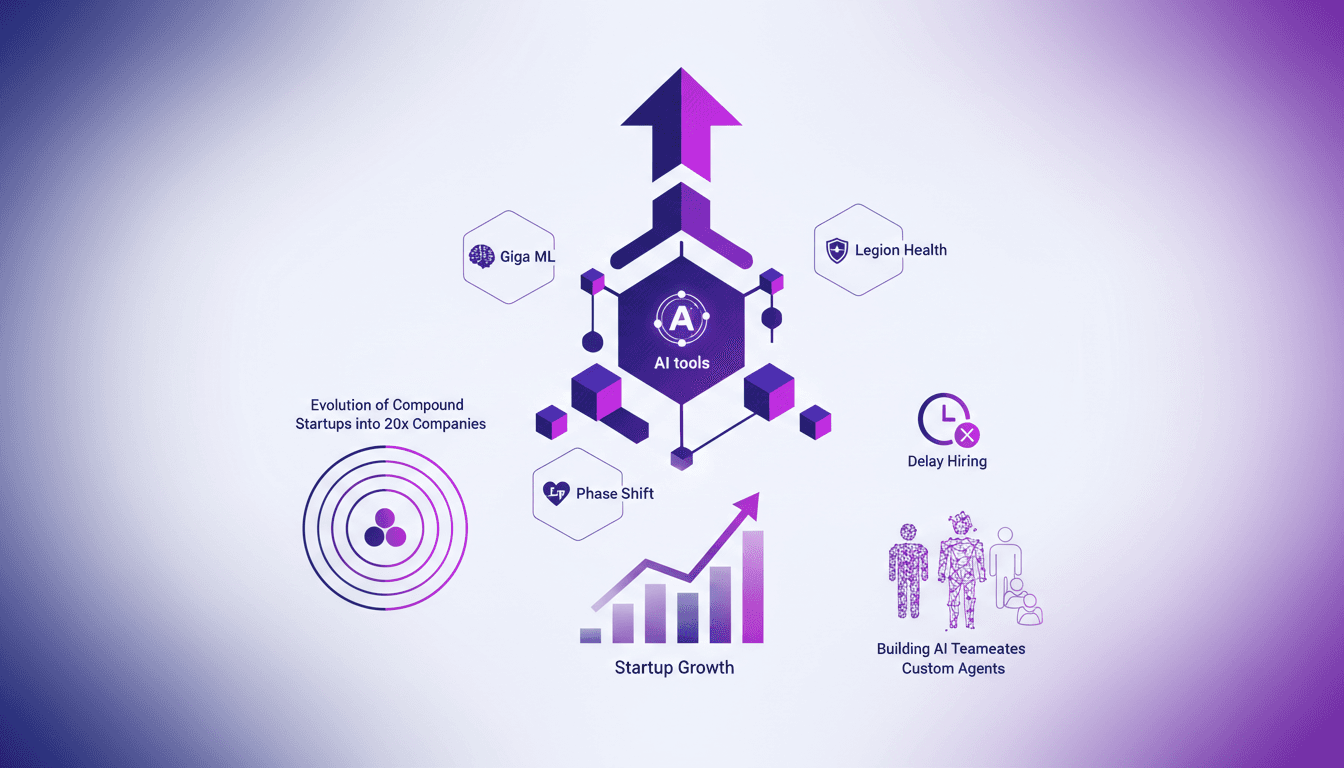
I remember the first time I heard about 20x companies. It sounded like a pipe dream—automating nearly every internal function, delaying hiring, and still scaling like crazy. But then I saw it in action, and let me tell you, it's a game changer. Today, efficiency isn't just a buzzword—it's a survival strategy. With AI tools like Atlas, companies are redefining what it means to grow fast and smart. Let's talk about how automation is transforming startup growth and why delaying hires can be a strategic move. Companies like Giga ML and Legion Health are leading the way by automating their internal functions and building custom AI agents that boost productivity. This is the evolution towards 20x startups, where the impact is direct and tangible.
Growing Bulk Mockup: From Freelance to $12K/Month
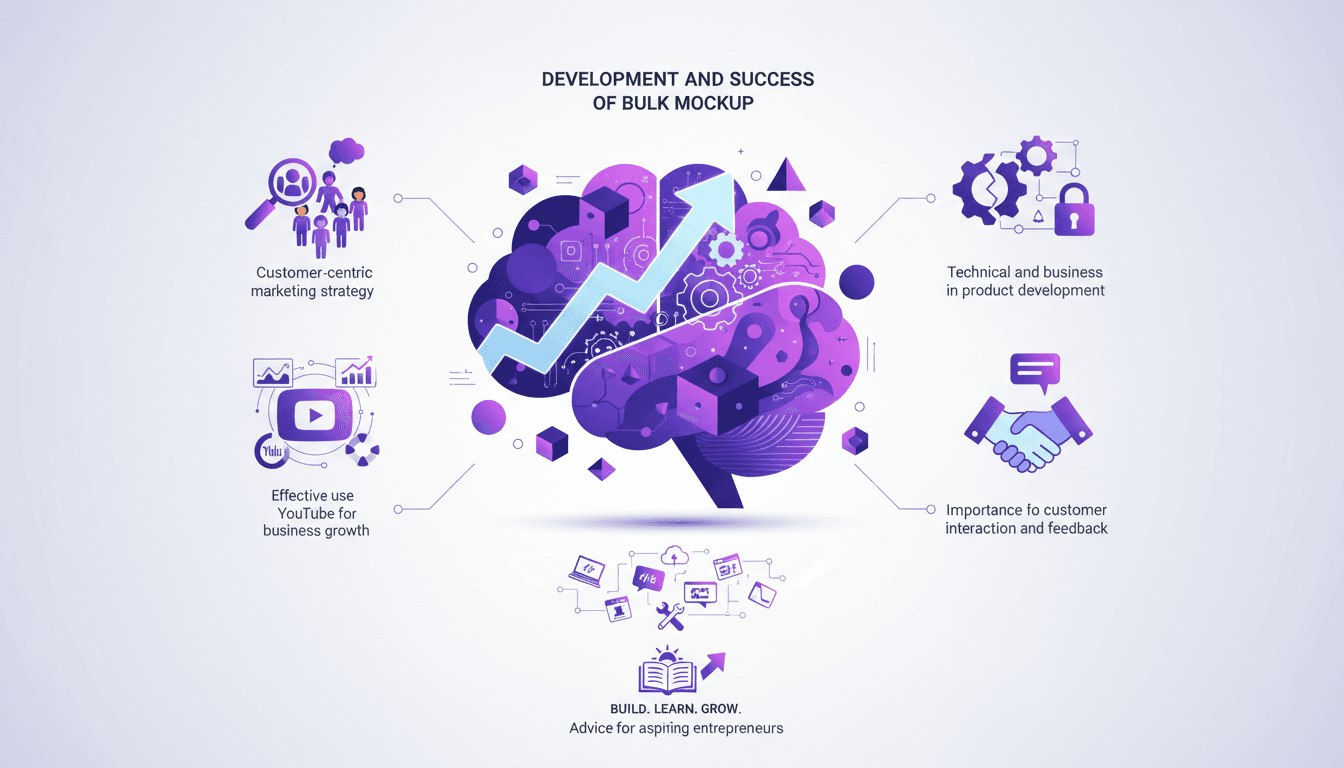
I remember the exact moment I realized my side gig could become a real business. It was when I created 1,800 mockups in under 30 minutes and got paid $300 for it. That's when Bulk Mockup was born. In this article, I'll walk you through how I turned this Photoshop plugin into a $12K/month success story. By leveraging customer feedback, strategic content creation, and the right tech stack, Bulk Mockup became a market leader. I'll cover everything from technical hurdles to growth strategies, aiming to inspire aspiring entrepreneurs.

How AI and Blockchain Redefine Wealth Creation
I remember vividly when I first heard about Justin Sun's $6.2 million banana purchase. It wasn't just about art—it was a statement on value itself. In a world where AI, blockchain, and crypto are converging, grasping these technologies is no longer optional—it's essential. Think about AI's potential impact on education or how blockchain could revolutionize space exploration while cutting costs. Young graduates are facing these challenges and opportunities as they pave the way for future wealth creation.

Building a Personal Brand Through Football
I remember the moment I realized my dreams weren't just dreams—they were goals I could act on. Transitioning from playing at Chelsea to a team in Saudi Arabia wasn't just a change of scenery—it was a leap into the unknown. But with every challenge came an opportunity to build my personal brand and help others. In this article, I share how I connected the dots between my aspirations to be a professional football player and starting my own business. I orchestrated my journey on social media to turn my fame into a force for good. From dreaming of playing for Chelsea to embarking on an entrepreneurial adventure, discover how I used each step as a springboard.