SaaS Growth: Real Strategies and Challenges
I stopped all my training sessions to dive headfirst into building my SaaS. It wasn't just a pivot; it was a complete overhaul of how I approached business. Picture this: going from 3000 non-paying users to earning €25,000 in the first month, only to see it drop to €6,000 by the year's end. I share the real challenges I faced, the strategies I crafted (and re-crafted), and why product quality and user feedback are critical. The role of AI in all this? Essential, but watch out for the pitfalls.
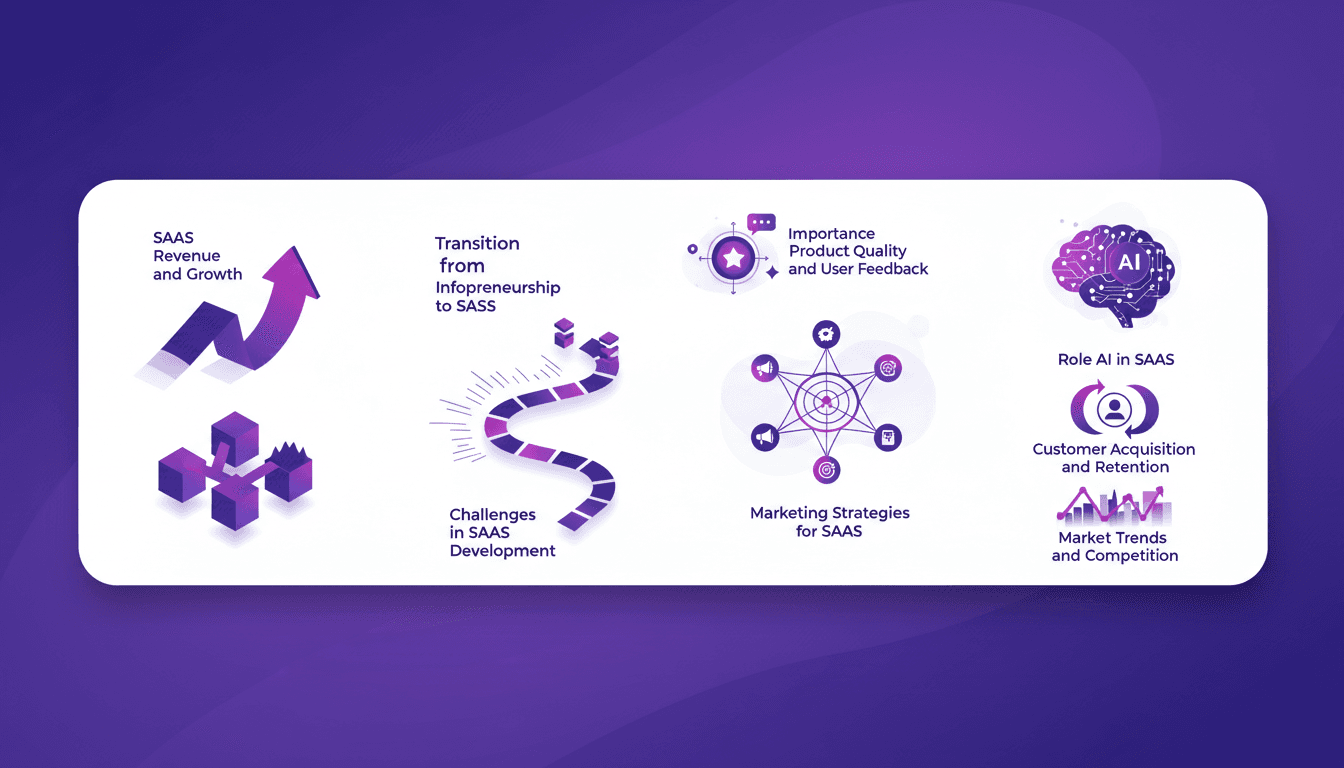
I stopped everything, just stopped. No more training sessions, no more workshops. I plunged headlong into building my SaaS. It wasn't just a pivot; it was a total overhaul of how I approached business. The outcome? Jumping from 3000 non-paying users to €25,000 in revenue in the first month. But beware, the drop was steep: down to €6,000 by year's end. Why? Because the challenges of SaaS growth are real. Every marketing strategy, every innovation, needs testing, sometimes scrapping. Product quality and user feedback? They're tangible, not fluff. AI played a crucial role, sure, but it comes with its own limits. And let's not even get started on customer acquisition and retention - it's a real puzzle. My journey from infopreneurship to SaaS taught me to orchestrate differently, to anticipate mistakes. Here, I share my lessons, unfiltered, so you don't get burned like I did.
Navigating SaaS Revenue and Growth
Starting with 3000 non-paying users was our litmus test for product validation. And it was essential. These users were our testing ground to refine our offer. In the first month, we achieved €25,000 in revenue, which was exhilarating. But watch out—this initial hype can be misleading. By the end of the year, our revenue dipped to €6,000. Understanding MRR (Monthly Recurring Revenue) and ARR (Annual Recurring Revenue) is crucial to navigate these ups and downs.

My first priority was converting those non-paying users. Then, I refined our pricing strategy. To sustain growth, tracking key metrics like CAC (Customer Acquisition Cost) and churn rate is your best move to avoid unpleasant surprises.
- Priority on converting non-paying users
- Track CAC and churn rate to gauge SaaS health
- Don’t get fooled by initial hype
From Infopreneurship to SaaS: A Strategic Shift
Infopreneurship taught me content creation, but SaaS required a shift to a product mindset. It went from sharing knowledge to solving user problems. The transition began by redefining our value propositions. First step: identify a scalable solution, then build a MVP (Minimum Viable Product).
The freemium model was key in user acquisition, but it has its trade-offs. It's great for bringing people in, but it can also create a user base that doesn’t convert. User feedback became the backbone of product iterations—listen more, assume less.
- Shift from content sharing to problem-solving
- Build an MVP to test the market
- Use the freemium model with caution
Overcoming SaaS Development Challenges
Development is not just about coding; it's about orchestrating team and resources effectively. I faced scalability issues—early architecture decisions can come back to haunt you.

First, I established clear communication channels. Then, I learned to iterate quickly but wisely. AI integration was a real game changer, but don’t overestimate its immediate impact. Balancing tech debt with feature development is crucial for long-term success.
- Orchestrate your team for better efficiency
- Beware of early architecture pitfalls
- Iterate quickly but wisely
Effective SaaS Marketing Strategies
Initial traction came from leveraging existing networks—never underestimate the power of word of mouth. Content marketing was pivotal, but not all channels provide the same ROI. First steps: identify your target audience, then tailor messages that resonate with them.
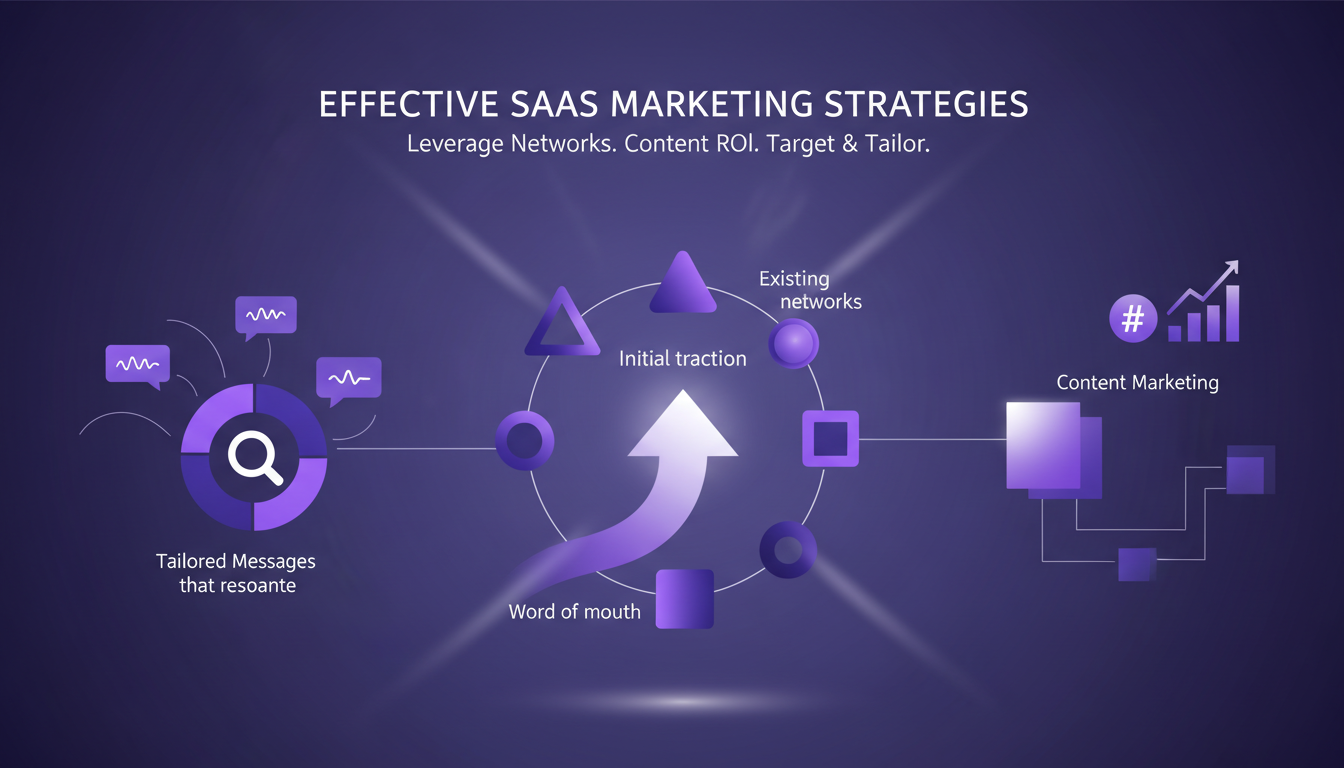
I experimented with different pricing models—freemium vs. premium have distinct audience dynamics. SEO and analytics tools helped refine strategies, but beware of vanity metrics that can mislead.
- Don’t underestimate word of mouth
- Tailor your messages to your target audience
- Beware of vanity metrics
AI's Role and Market Competition in SaaS
AI integration improved user experience, but it's no silver bullet. Competitive analysis revealed market gaps—focusing on niche solutions is often key.
First step: understand your competitors, then differentiate through unique value propositions. Customer retention is as crucial as acquisition—loyalty programs can help. Stay ahead of trends but avoid chasing every shiny new tech.
- Focus on niche solutions
- Analyze competition to find opportunities
- Balance customer acquisition and retention
Transitioning from infopreneurship to SaaS was a challenging journey, but every step was worth it. First, I focused on product quality, treating every piece of user feedback as a key to improvement. Then, I navigated the intricacies of strategic marketing to truly lift the SaaS off the ground. We started with 3000 non-paying users and hit €25,000 revenue in the first month, but by the end of the year, it dropped to €6,000. It shows growth isn't linear—never rest on your laurels.
- Focus on quality: Every feedback is a stepping stone.
- Marketing strategies: Crucial for converting users into paying customers.
- Fluctuating growth: Don't ignore revenue drops, they teach you a lot.
I firmly believe every challenge is an opportunity to innovate. If you're considering a similar shift, be ready for continuous learning. And to really grasp the ins and outs of this journey, I suggest watching Marcuus Lawrence's video on YouTube. It's a must-watch for anyone looking to get inspired and avoid some pitfalls along the way.
Frequently Asked Questions

Thibault Le Balier
Co-fondateur & CTO
Coming from the tech startup ecosystem, Thibault has developed expertise in AI solution architecture that he now puts at the service of large companies (Atos, BNP Paribas, beta.gouv). He works on two axes: mastering AI deployments (local LLMs, MCP security) and optimizing inference costs (offloading, compression, token management).
Related Articles
Discover more articles on similar topics
How Reddit Grew My SaaS to $34K/Month
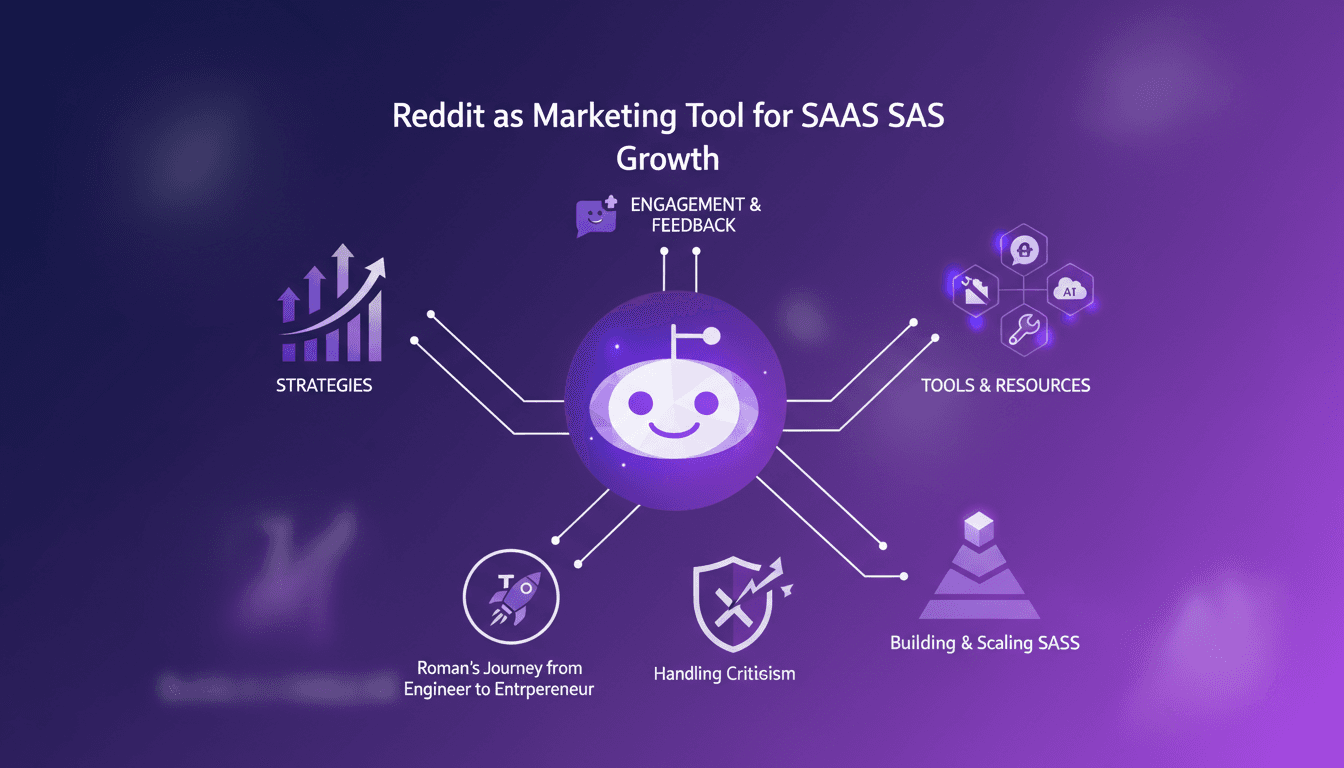
I transitioned from being a mechanical engineer to running a SaaS pulling in $34K a month. My secret weapon? Reddit. I remember those late nights diving into threads, asking questions, and engaging with a community that gave me raw, unfiltered feedback. With Reddit, I tested ideas, refined my product, and turned criticism into growth levers. In this article, I share my strategies for leveraging Reddit as a powerful marketing tool to boost your SaaS. But beware, navigating between positive comments and trolls requires skill. My journey proves that even without prior marketing experience, success is possible through the power of a well-leveraged community.
Succeeding in 2026: Strategies for the Digital Age
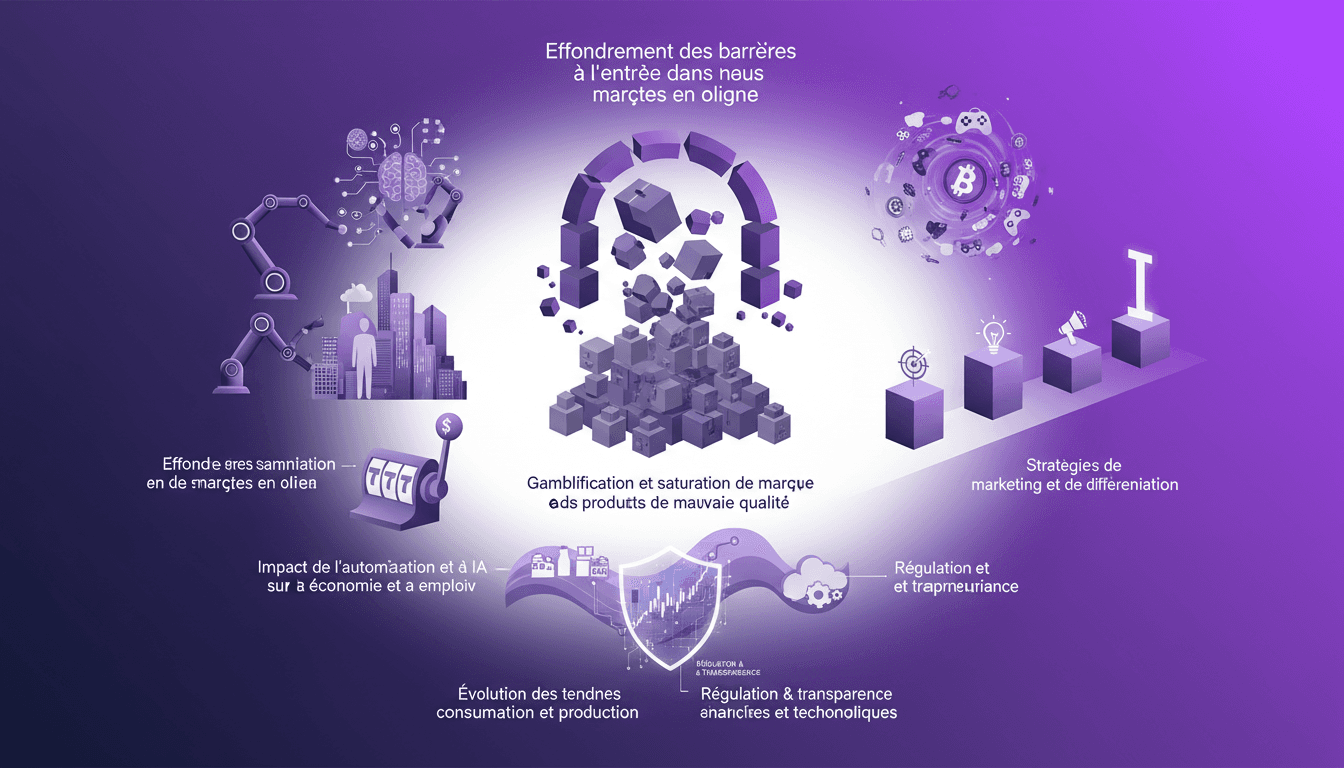
I've watched the digital landscape shift dramatically. And trust me, if you don't adapt, you'll be left behind. It all started with the collapse of entry barriers in online markets, unleashing a flood of products—sometimes not the best—onto the scene. With gamblification and automation seeping into every corner, succeeding in 2026 requires sharp strategy. I tackle this by orchestrating solutions that blend marketing innovation and smart AI use. But watch out—regulation and transparency are becoming crucial to avoid pitfalls. In this sea of change, anticipating consumption and production trends (crypto and gaming are booming) is key.
Reddit and SEO Strategies: Growing SaaS to $150K/Year
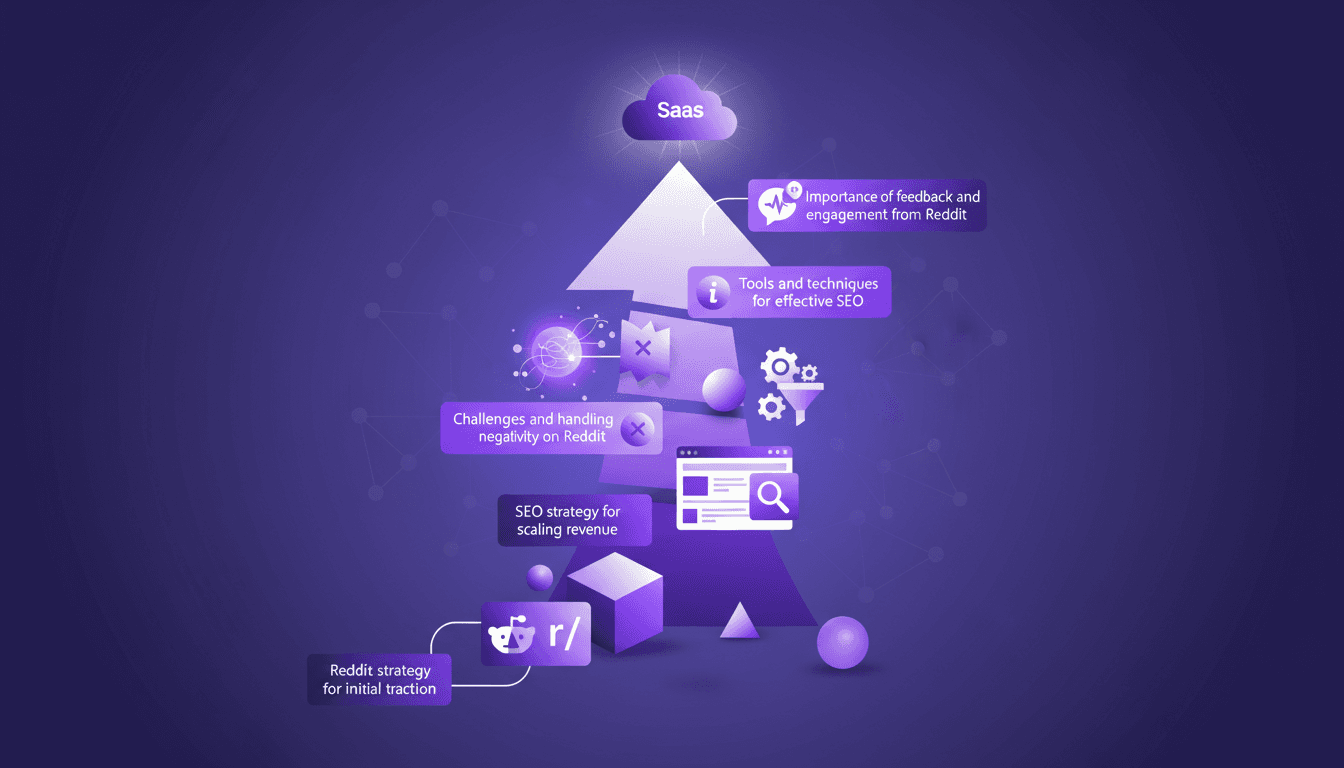
I took my SaaS from zero to $150K/year using Reddit and SEO. No magic, just a lot of trial and error, and a few key strategies that made all the difference. In this article, I'll walk you through how I leveraged Reddit for initial traction and SEO for scaling. I'll share the tools, techniques, and lessons learned along the way. You'll learn how to handle challenges and negativity on Reddit, and how an accidental support article led me to a winning SEO strategy.
Agentic Vision: Boost AI with Python Integration
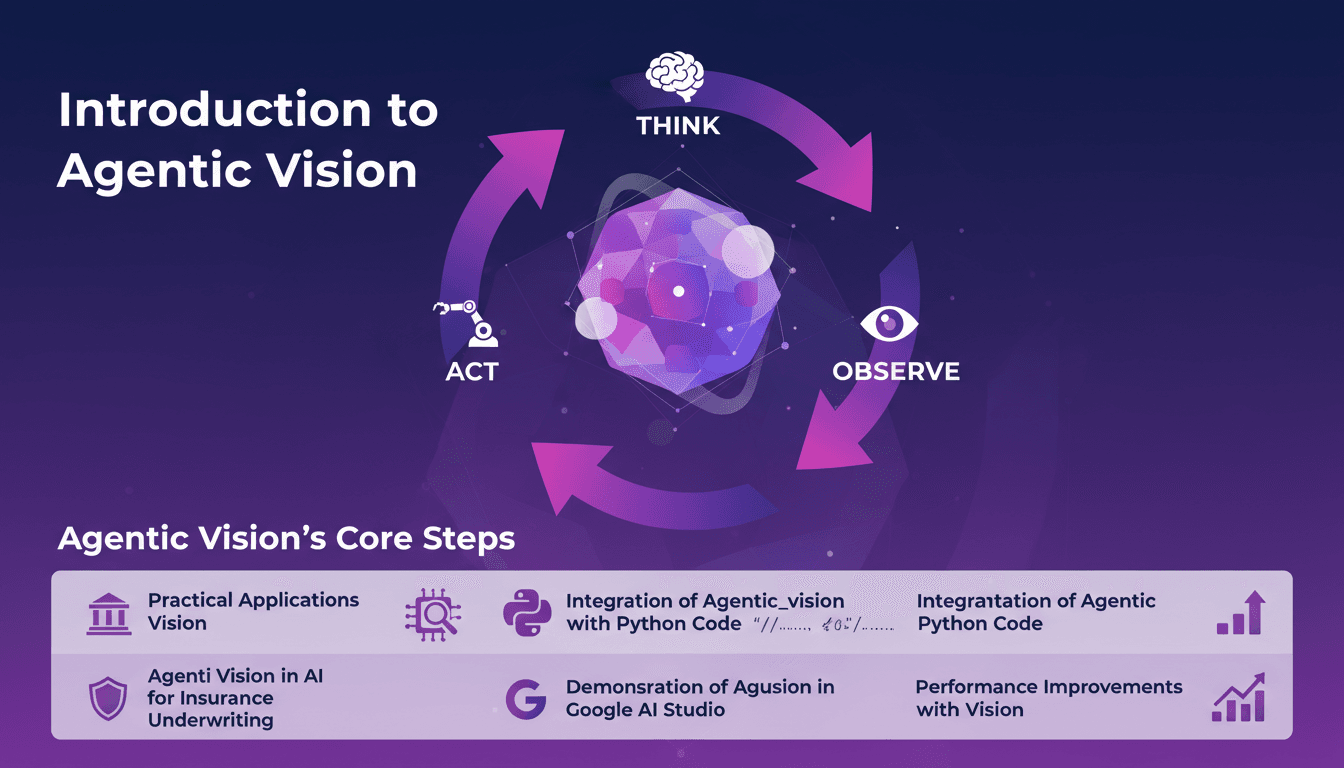
I remember the first time I stumbled upon Agentic Vision. It was like a light bulb moment, realizing how the Think, Act, Observe framework could revolutionize my AI projects. I integrated this approach into my workflows, especially for insurance underwriting, and the performance leaps were remarkable. Agentic Vision isn't just another AI buzzword. It's a practical framework that can truly boost your AI models, especially when paired with Python. Whether you're in insurance or any other field, understanding this can save you time and increase efficiency. In this video, I'll walk you through how I applied Agentic Vision with Python, and the performance improvements I witnessed, especially in Google AI Studio.
Opening a Cafe: Business Startup Journey
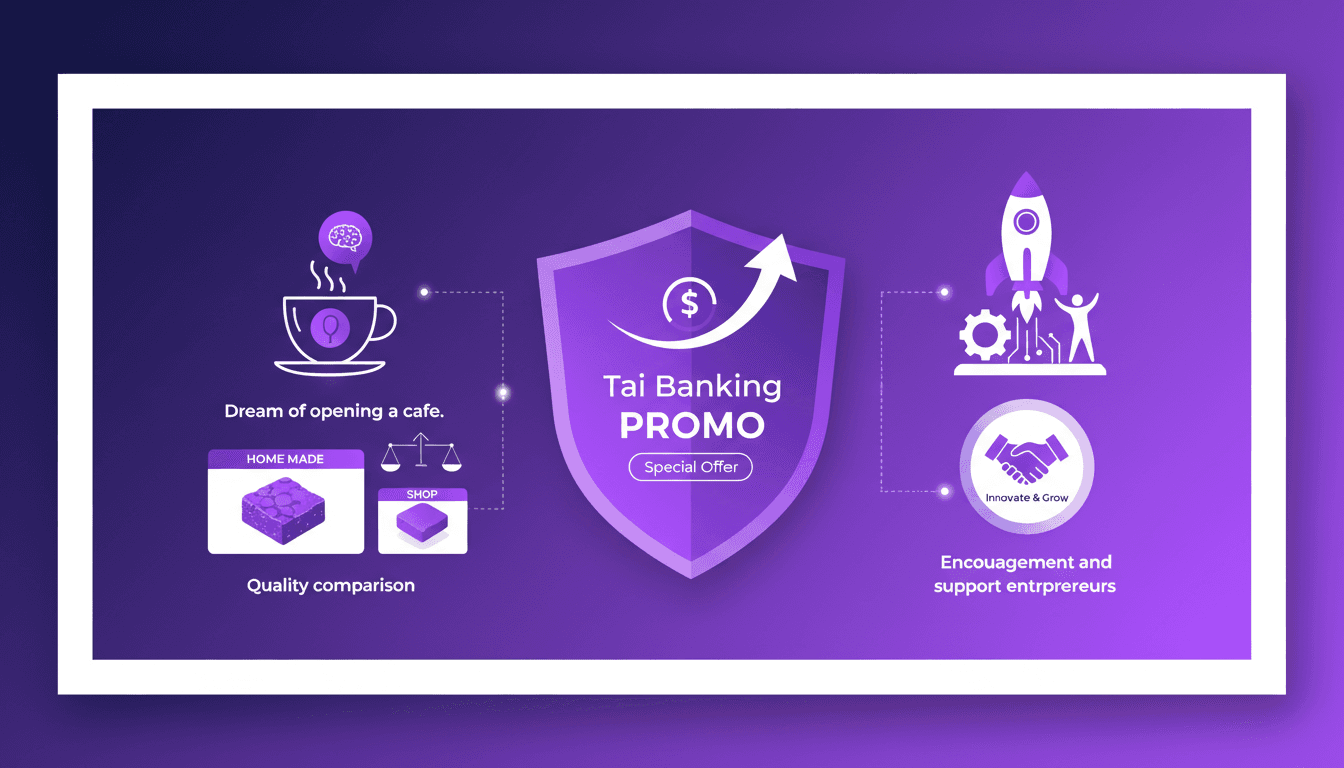
Ever dreamed of opening a cafe? I did. Let me tell you, the journey from concept to grand opening is anything but straightforward. But if I can do it, you can too. In this article, I'll walk you through my experience, from comparing brownie recipes to navigating banking offers. It's about turning dreams into reality with practical steps. I break down the quality comparison between homemade and shop brownies, discuss financial support for new businesses, and share how Tai Banking's promotional offer helped me. To get started, I needed £1,000, but with the right tips, you can save £50 for every £100 spent. It's a journey of encouragement and support for aspiring entrepreneurs.