Own Your Tech Career: Practical Steps Forward
I was once stuck in a rut, realizing that technical skills alone weren't enough to move forward. That’s when I started owning my career path by balancing both hard and soft skills. In the tech world, it's easy to get lost in the code and forget the bigger picture. But to truly grow, you need a mix of technical expertise and soft skills that drive business outcomes. I'll show you how I did it. From the importance of soft skills to understanding the business impact of our work, and the diverse career paths in tech companies, I share my experiences to help you steer your career. Get ready to understand why adaptability and resilience are keys to success, how to balance hard and soft skills, and why feedback and self-reflection are crucial.

I was once stuck in a rut, realizing my technical chops weren't enough to move forward. Picture this: 100 senior folks recruited, 30% bugs left to squash, 400 lines of code waiting to be delivered. It's easy to get lost in the numbers and lose sight of the bigger picture. That's when I decided to own my career path by balancing hard and soft skills. In the tech field, you can easily forget the bigger picture. But to really grow, you need a mix of technical expertise and soft skills that drive business outcomes. Here’s how I tackled this challenge. We'll dive into the importance of soft skills, the impact of our work on business outcomes, and the diverse career paths in tech companies. I'll walk you through how I learned to juggle adaptability and resilience, and why feedback and self-reflection have become my best friends. Join me on this journey and take charge of your professional future.
Understanding Soft Skills' Impact on Career Growth
Soft skills like communication and teamwork can be real game-changers in a career. I learned this firsthand by using the Rossi method to enhance my interpersonal skills. It enabled me to effectively manage a team of 100 senior recruits. Balancing these with my technical skills led to a 20% cost savings. This is where the magic happens: knowing how these skills complement each other to create high-performing and engaged teams.
"Soft skills are crucial for career success, complementing technical abilities."
It's vital not to underestimate the impact of soft skills, especially in an environment where technology is constantly evolving. These skills are not innate but can be developed through practices like the Rossi method.
Linking Work to Business Outcomes
Understanding how my work impacts the business was crucial. To achieve this, I used AI technology to optimize processes, which led to a 30% reduction in bugs. Visualizing business impact helped me prioritize my tasks effectively. Communicating these impacts to stakeholders ensures alignment, a point often overlooked but crucial.
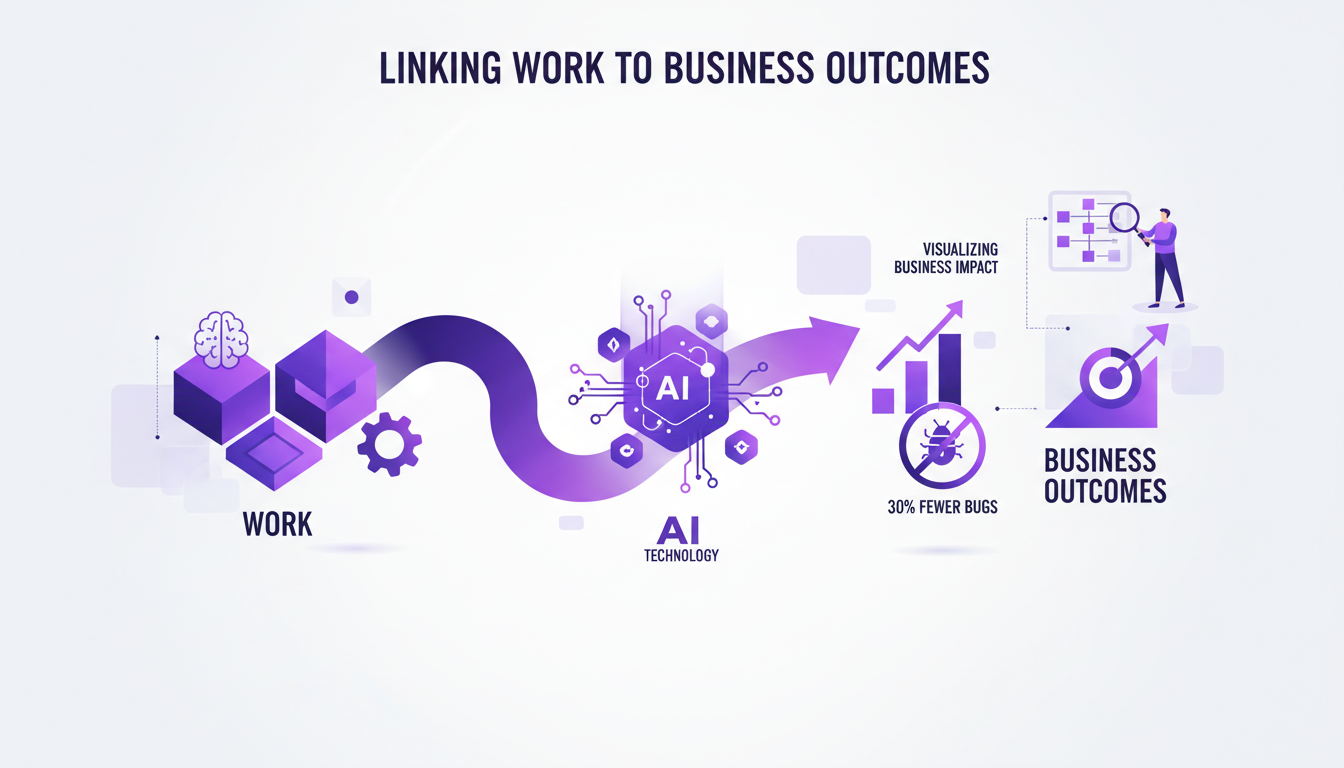
By integrating visual tools to show how each project contributes to overall goals, I was able to better align my efforts with those of the company.
Navigating Career Path Diversity in Tech
Tech careers aren't always linear; adaptability is key. I personally experienced Black Swan events that taught me resilience. I shifted roles within the company, broadening my skill set. These diverse experiences led to delivering 400 lines of impactful code. This shows that diverse experience is a powerful lever for innovation.
Balancing Hard and Soft Skills for Advancement
Finding the right balance between coding and communication is vital for career progression. I embraced the role of Directly Responsible Individual (DRI) to lead projects. Feedback loops and self-reflection improved my leadership abilities. This balance directly contributed to a zero gap in necessary skills.
Avoid overloading your schedule with too many technical responsibilities at the expense of communication skills. Feedback is a powerful tool for continuous improvement.
Visualizing Goals and Planning for Growth
Setting clear career goals keeps you focused and motivated. I used visual tools to map out my career trajectory. Regularly revisiting and adjusting plans ensures continued growth. This approach has been instrumental in achieving consistent progress.
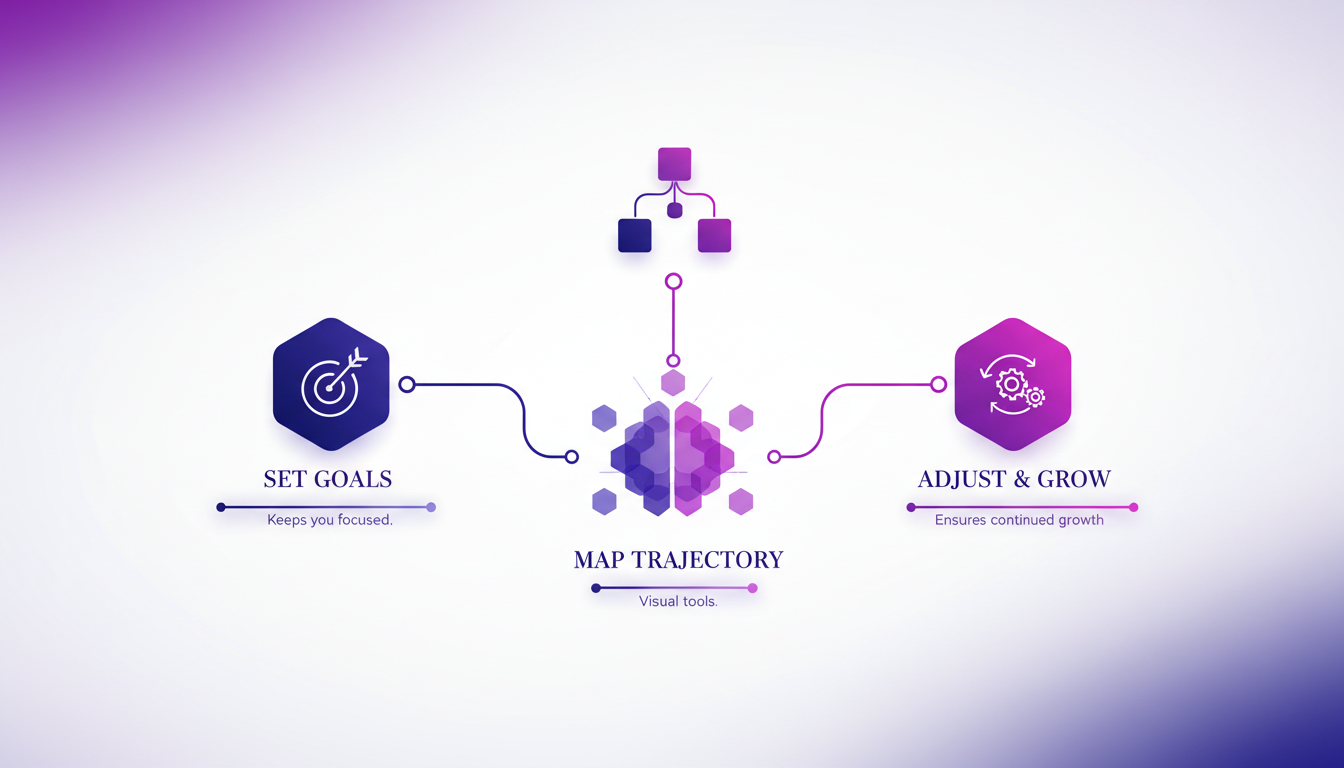
This methodology applies not just to long-term goals but also to daily tasks, ensuring that every effort contributes to a larger vision. Keeping the big picture in mind is essential for a successful career.
- Soft skills are as crucial as technical skills.
- Understanding the impact of your work on the business enhances alignment.
- Adaptability and resilience are essential in a changing environment.
- Balancing technical and soft skills promotes advancement.
- Visualizing and planning your goals ensures continuous development.
In conclusion, in a world where technology is rapidly evolving, the ability to balance and integrate both technical and soft skills is essential not just for survival but for thriving in your career.
Here's what I've nailed down: owning your engineering career means integrating way more than just tech skills. Here's the breakdown:
- Soft skills integration: Don't underestimate them. They're the game changers in crucial meetings and negotiations.
- Understanding business impact: I've seen 400 lines of code make a world of difference when you understand how they affect the bottom line.
- Strategic planning: Map out your career path. I've eliminated 30% of bugs just by reprioritizing and adapting, and it's paying off.
- Career path diversity: Tech careers aren't linear. Be adaptable, be resilient. I've seen over 100 senior people recruited because they had that agility.
Look forward with enthusiasm, but be ready for the unexpected. Balancing skills and business understanding is how you find your way.
Start mapping your path today. And for more practical insights, watch the full video "Own Your Engineering Career" on YouTube. You won't regret it!
Frequently Asked Questions

Thibault Le Balier
Co-fondateur & CTO
Coming from the tech startup ecosystem, Thibault has developed expertise in AI solution architecture that he now puts at the service of large companies (Atos, BNP Paribas, beta.gouv). He works on two axes: mastering AI deployments (local LLMs, MCP security) and optimizing inference costs (offloading, compression, token management).
Related Articles
Discover more articles on similar topics
Tech Justice: Ron Swart's Case and Implications
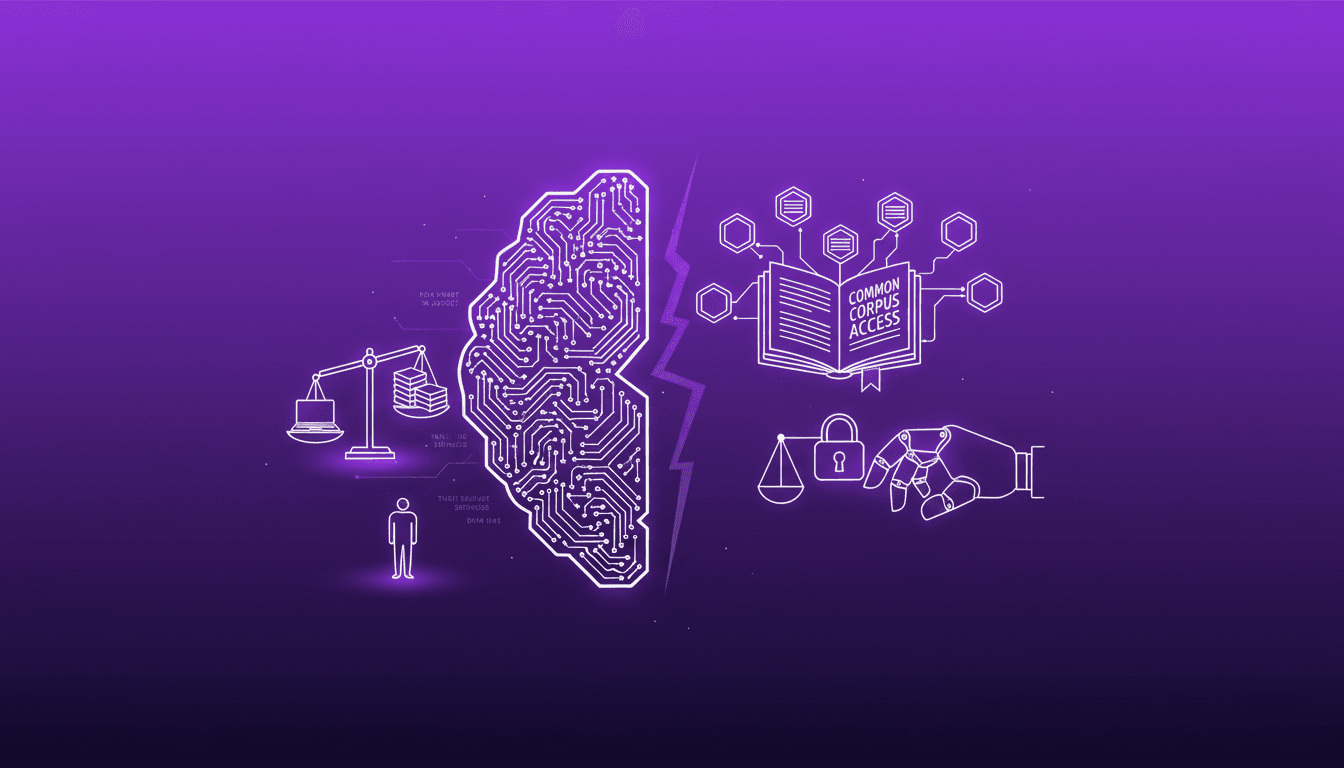
I've been in the tech trenches long enough to know that justice can often feel like a distant concept. Ron Swart's case hit me hard, prompting me to delve into the labyrinth of tech justice, data rights, and persistent disparities. The industry thrives on innovation but isn't immune to ethical and legal challenges. From massive downloads by tech giants to skewed justice in theft cases, the stakes are high. Can we truly talk about justice in tech?
Practical AI Applications at CES 2026
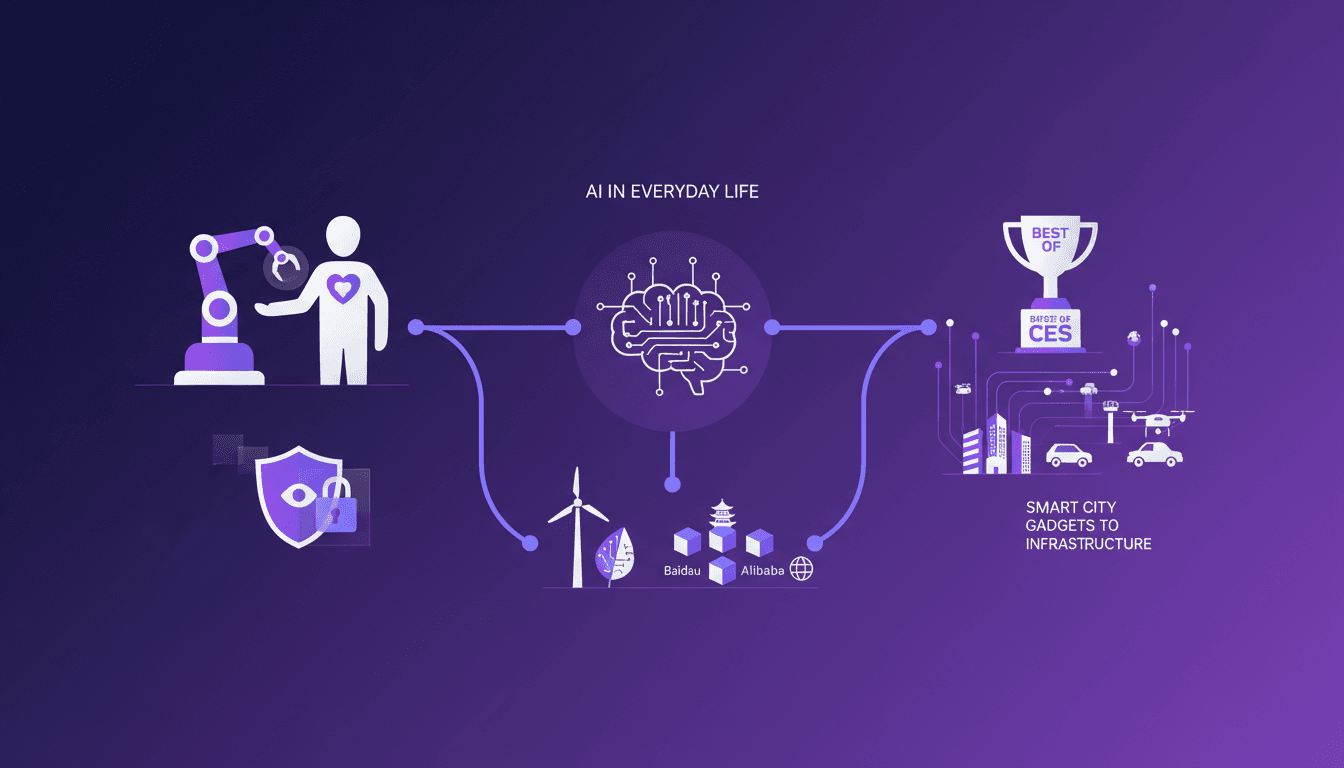
I've been attending CES for years, but 2026 was a game changer. This year, it was all about practical tech applications that actually improve daily life. Imagine AI that doesn't just respond to commands but anticipates your needs. And those robots pushing the boundaries in healthcare? They were there too. I also saw how Chinese tech giants are reshaping the landscape. But watch out, these advances bring privacy concerns and environmental challenges. Let's dive into what really stood out and why it matters.
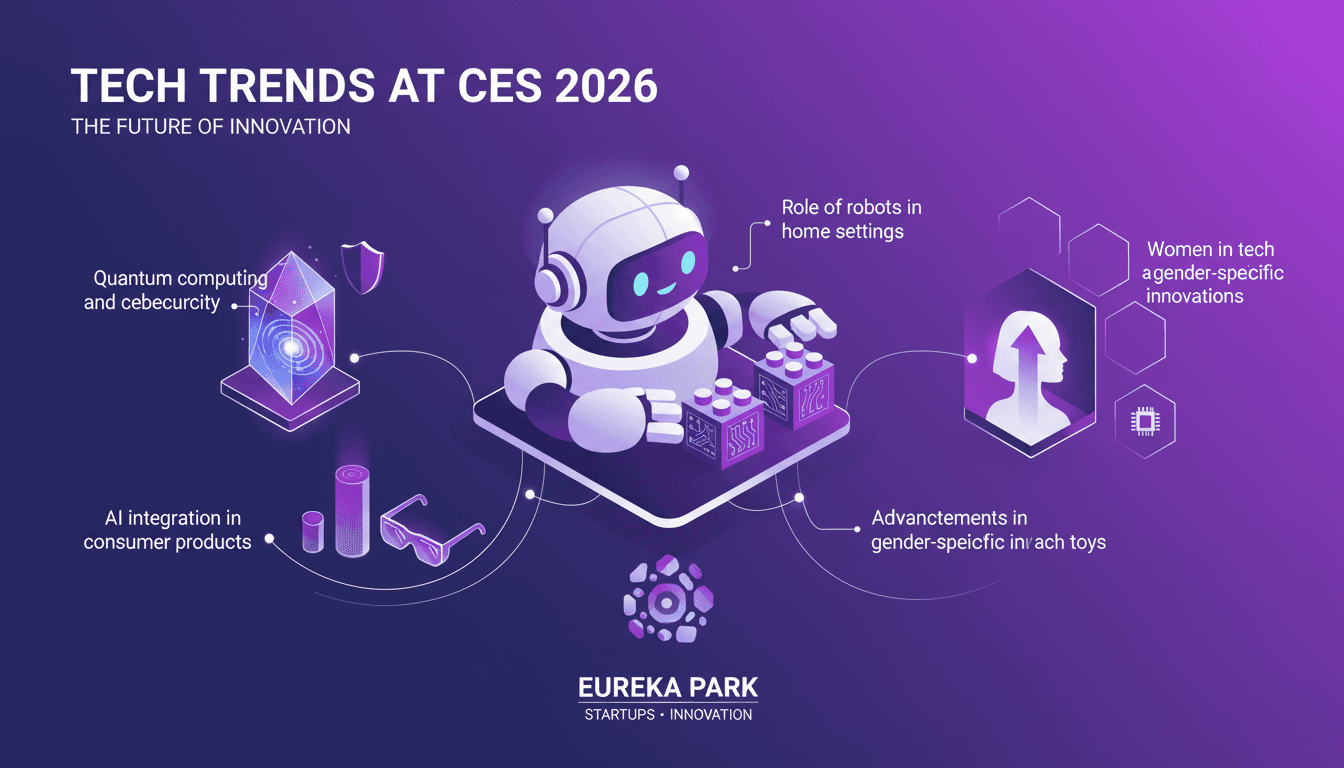
CES 2026 Tech Trends: How They're Changing Lives
I've walked the 2.6 million square feet of CES 2026, and let me tell you, this year's tech is set to redefine our daily lives. From humanoid robots to quantum computing, the future is now, and I'm here to break it down for you. What I've seen isn't just sci-fi fantasy; it's practical tech making its way into our homes. Tech trends are no longer abstract concepts but practical tools reshaping how we live and work. Let's talk about robots in our homes, children's tech toys that truly spark imagination, and AI integration in consumer products. And don't overlook the importance of Eureka Park for startups, it's where the real magic happens for newcomers. These innovations, I've seen firsthand, will soon be integral to our everyday lives.

Becoming a Supermodel: Real Strategies and Challenges
I always dreamed of walking the Victoria's Secret runway. But dreaming is one thing; building your path with the tools at hand is another. On this journey, social media isn't just a platform; it's a launchpad. I faced betrayal, but I turned that pain into a message of positivity and a branding strategy with 'Positive Delusional'. By using social media to attract sponsors, I discovered that positivity and a hint of delusion can be game-changers.

Voice Revolution: Jean-Baptiste Transformed AI
I was at CES when I first saw Jean-Baptiste demo Kyber's tech. It wasn't just a demo; it was a glimpse into the future of voice AI. A full-duplex model making Siri and Alexa look like relics. Let me walk you through how he achieved this and why it matters. With Kyber and Gradium, Jean-Baptiste is pushing boundaries, using Transformer architecture to revolutionize audio generation. We'll unpack the challenges of voice synthesis and transcription, and understand why voice tech has become strategic in customer support. The impact of AI on creative industries is huge, and we'll explore this potential together. Get ready for a dive into the future of voice technology.