Evolving Hospitality: Data and Personalization
I dove into the world of hospitality data with Marriott, where 250 million Bonvoy members aren't just numbers—they're the heart of a personalized experience. I connected the dots between data, brand partners, and privacy challenges to redefine hospitality. With Riot Media at the helm, we're turning personalization, targeted advertising, and cultural relevance into new industry standards. But watch out, compliance and customer consent are critical. The challenges of connecting multi-platform experiences shouldn't be underestimated. Here's how we navigate this exciting evolution.
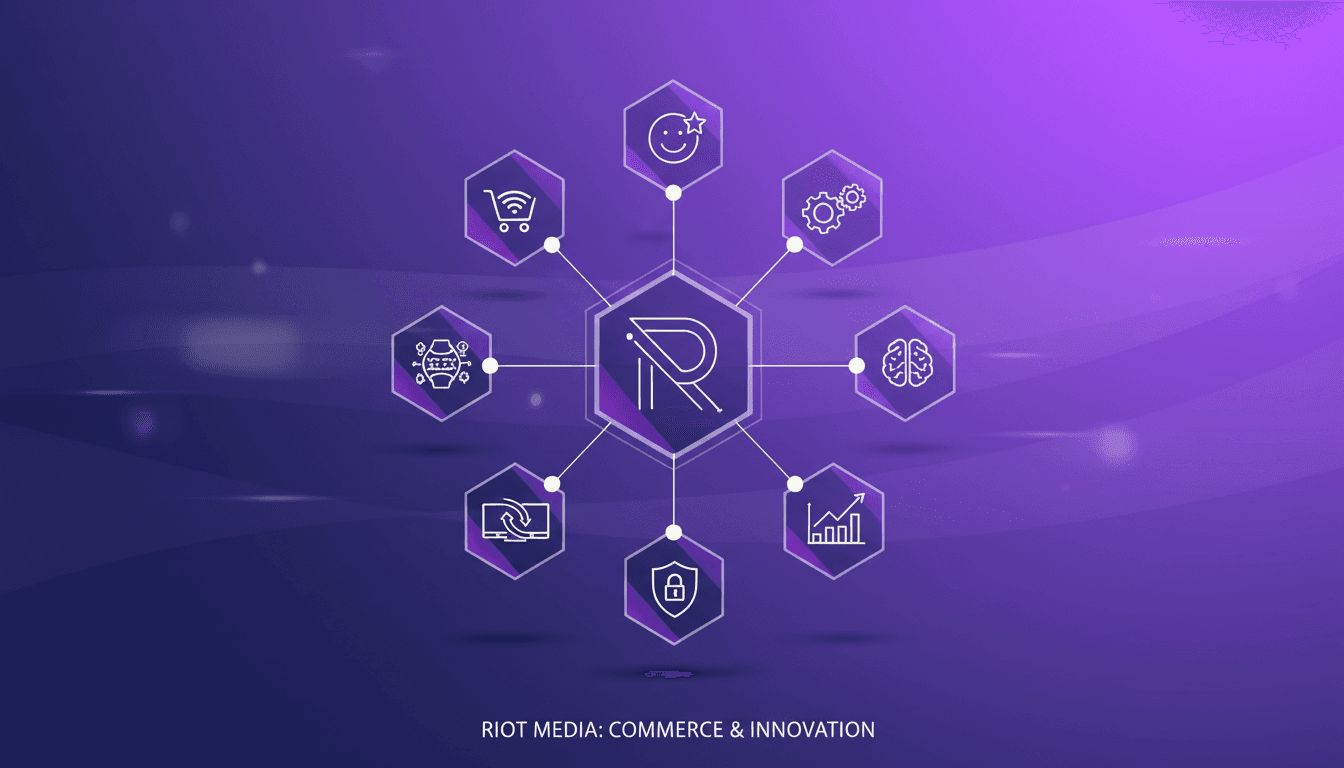
I dove into the hospitality data realm with Marriott, and trust me, it's far from abstract theory. When we talk about 250 million Bonvoy members, we're not just crunching numbers—these are real people expecting personalized experiences. I orchestrated strategies with Riot Media to turn these expectations into reality, leveraging 500 unique attributes for audience targeting. But personalization doesn't stop there—the challenge is also maintaining cultural relevance across 145 countries. And then there's the data privacy puzzle. Navigating this labyrinth of consent and compliance is a real hurdle. Yet, with the right collaborations and smart tech usage, we're redefining what hospitality means. Here's how we do it, with concrete solutions and deliberate technical choices.
Harnessing Riot Media for Hospitality
When I first encountered Riot Media, I immediately realized it was a game changer for the hospitality industry. Imagine leveraging 500 unique attributes to target your ads; it's almost like having a personal conversation with each prospective customer. As the first commerce media network in hospitality, Riot Media uses these attributes to transform customer experiences across 10,000 hotels in 145 countries. By integrating this data from millions of Bonvoy members, we're able to deliver highly targeted messages at every stage of the travel journey.
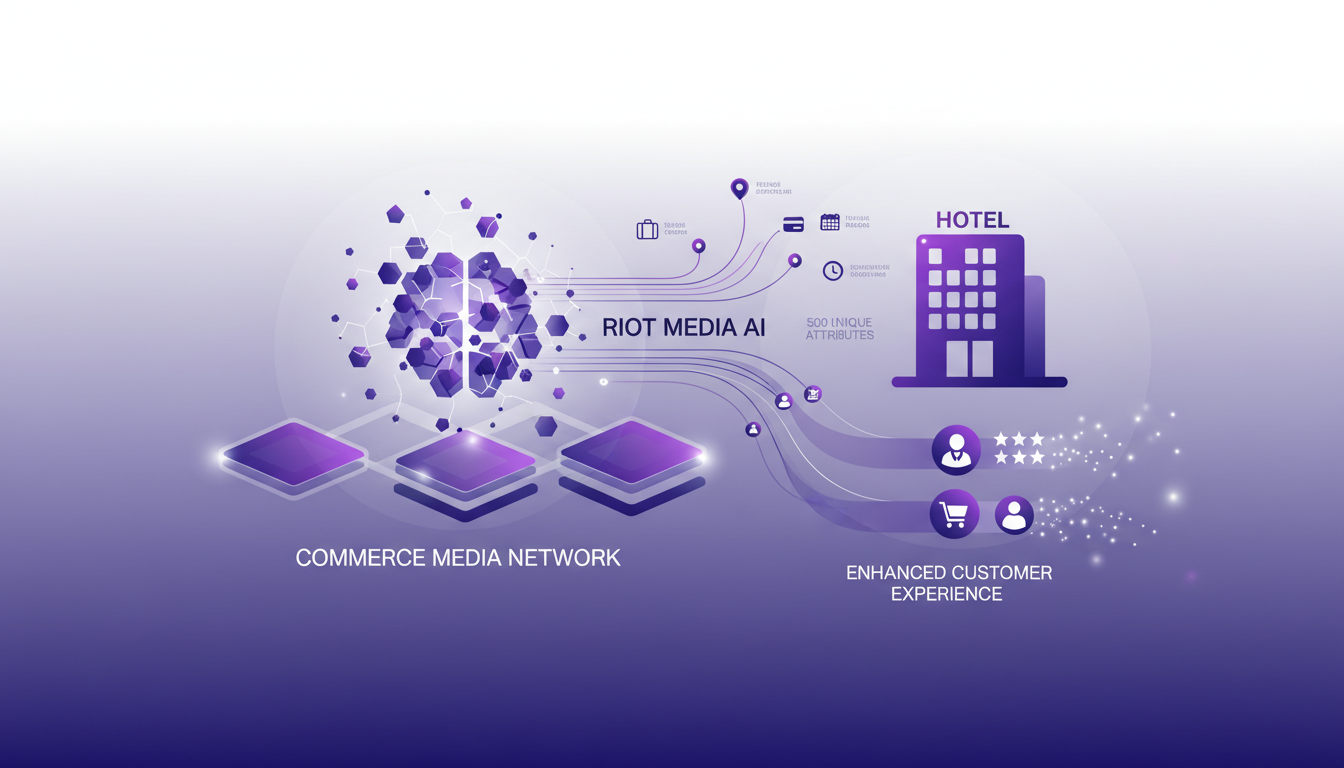
As a builder, I've seen firsthand how networking this data can enhance the customer experience. It's a real game changer for hotels that can now anticipate customer needs even before they arrive. But watch out, this level of personalization requires careful orchestration to avoid overwhelming the customer with unnecessary information.
"We decided to start taking the same data and bringing brand partners into that ecosystem to come to life with their messages." Chris Norton, SVP and GM Riot Media
Personalization Strategies with Bonvoy Data
When we talk about personalization on the scale of 250 million Bonvoy members, it can seem daunting. However, the key lies in data collection and analysis. I've learned that structuring your workflow effectively is crucial for extracting relevant insights. First, you collect the data, then analyze it to understand travel habits and customer preferences. But remember, the more you personalize, the more you need to ensure privacy compliance.
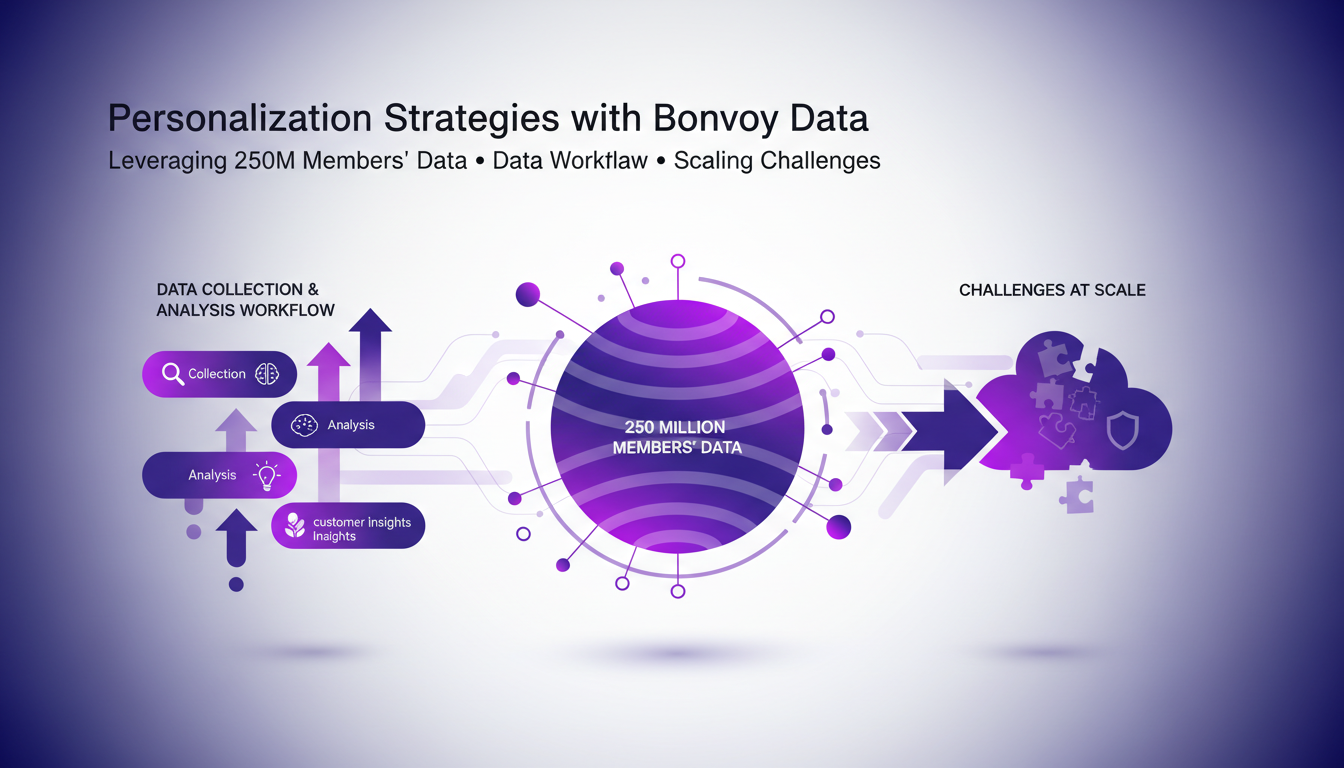
Maintaining this level of personalization at scale poses its challenges. You must constantly balance offering a personalized experience with ensuring data protection compliance. I've seen companies get burned by failing to maintain this delicate balance.
Collaborating with Brand Partners
Collaborations with brands like Pepsi and Visa are crucial for enhancing customer experience. As a builder, I've found that the key to successful collaboration lies in aligning brand values with the hotel's. A good collaboration workflow starts with defining common goals, then ensuring that every message is relevant to the customer.
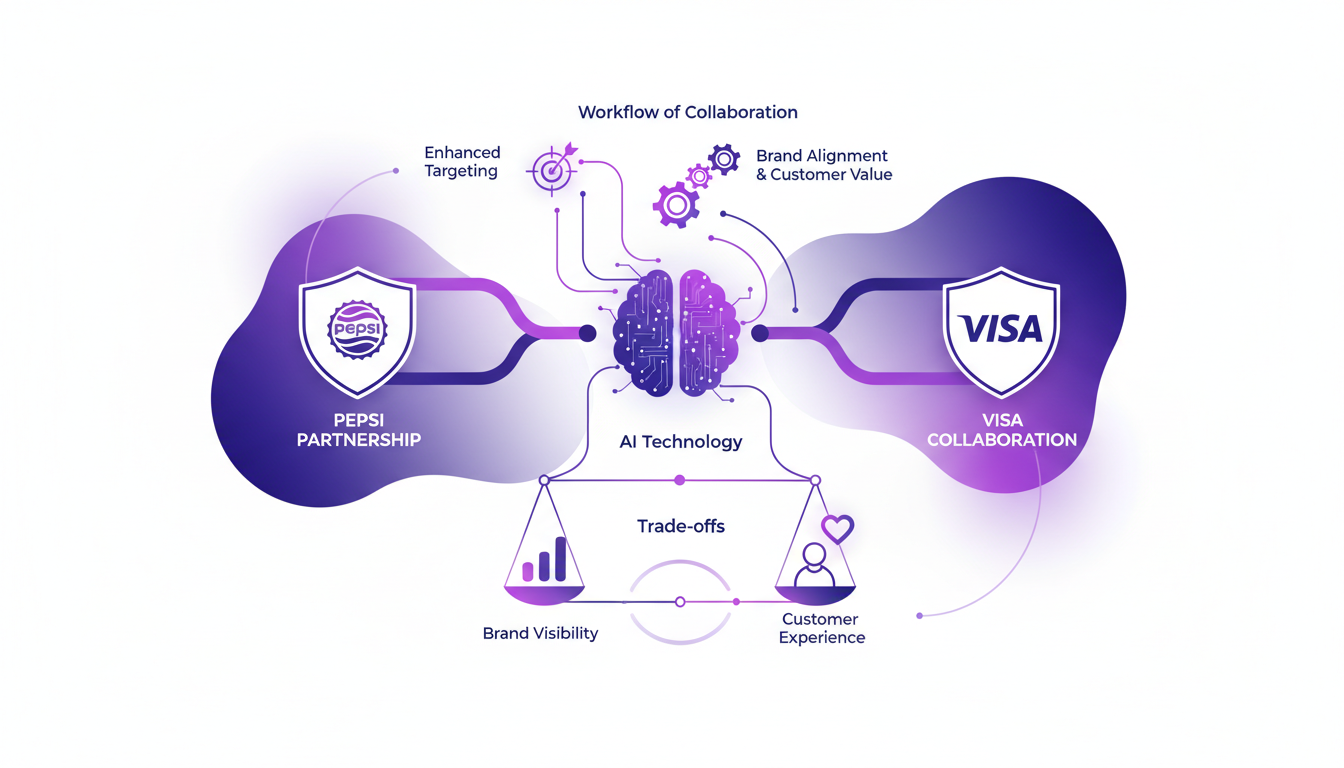
But watch out, too much brand visibility can sometimes harm the customer experience. I've seen cases where aggressive advertising ended up driving customers away. That's where the real challenge lies: finding the right balance.
Cultural Relevance and Global Strategies
Adapting marketing strategies for 145 countries is no small feat. Each campaign needs to be crafted with cultural nuances in mind. I've often orchestrated campaigns where understanding these nuances made all the difference. For instance, what's effective in the US might not resonate in Asia.
Global personalization presents unique challenges. Sometimes, it's quicker to create culture-specific messages rather than adapting a one-size-fits-all message. Culturally relevant marketing initiatives have shown that they can significantly boost customer engagement.
Navigating Privacy and Multi-Platform Challenges
Ensuring privacy compliance across multiple platforms is another major challenge. To effectively obtain customer consent, you need well-thought-out, transparent strategies. I've seen companies fail because they couldn't establish this transparency.
Connecting multi-platform experiences is essential in today's retail landscape. Customers expect a seamless experience, whether online or offline. Current trends indicate that privacy compliance and multi-platform integration will be major challenges moving forward.
With Marriott, I see how hospitality is evolving through smart data management and personalization. First, having 250 million Bonvoy members is a massive lever for creating ultra-personalized customer experiences. Then, using 500 unique attributes by Riot Media for precise targeting is a game changer, but watch out for privacy challenges. And when Marriott operates in 145 countries, we're talking about a truly global perspective. But let's not forget that all this hinges on strategic collaborations — without solid partners, scaling like this would be a logistical nightmare. So, looking forward, I'm convinced that data-driven strategies can transform your business, especially if you can navigate between personalization and privacy. I highly recommend diving into the "@MarriottIntl: The Next Evolution of Hospitality through Data, Loyalty, and Experience" video on YouTube. You'll discover in detail how these practices can have a direct impact on your professional daily life.
Frequently Asked Questions

Thibault Le Balier
Co-fondateur & CTO
Coming from the tech startup ecosystem, Thibault has developed expertise in AI solution architecture that he now puts at the service of large companies (Atos, BNP Paribas, beta.gouv). He works on two axes: mastering AI deployments (local LLMs, MCP security) and optimizing inference costs (offloading, compression, token management).
Related Articles
Discover more articles on similar topics
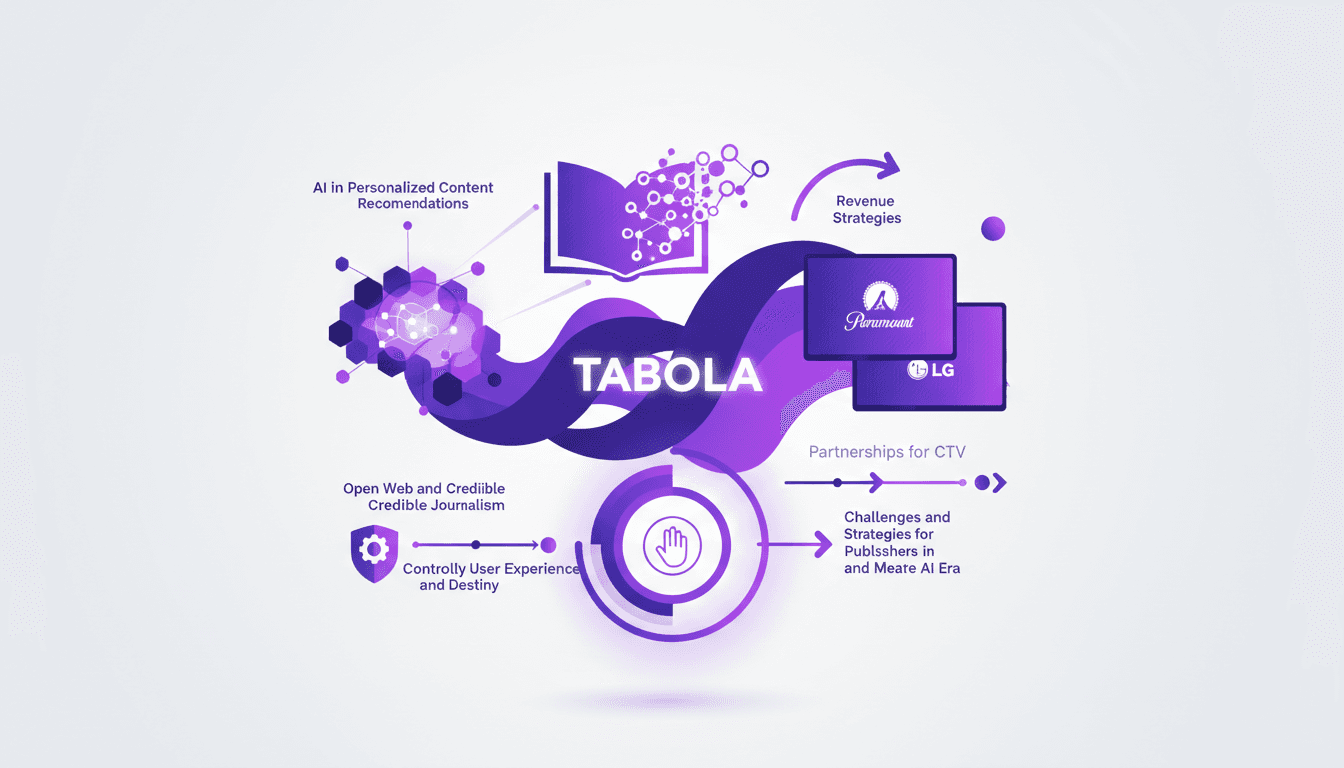
Taboola's CTV Move: Redefining Performance Advertising
I remember the first time I realized just how powerful AI could be in advertising. It was like flipping a switch—everything clicked. That's exactly what Taboola is doing with CTV and performance marketing. They're not just playing the game; they're setting the rules. With over 600 million interactions daily, Taboola aims to become the fourth pillar in performance advertising. Their strategy? Harnessing AI to tailor content and leveraging partnerships with media giants like Paramount and LG. Let's dive into how they're orchestrating this shift and what it means for the industry.
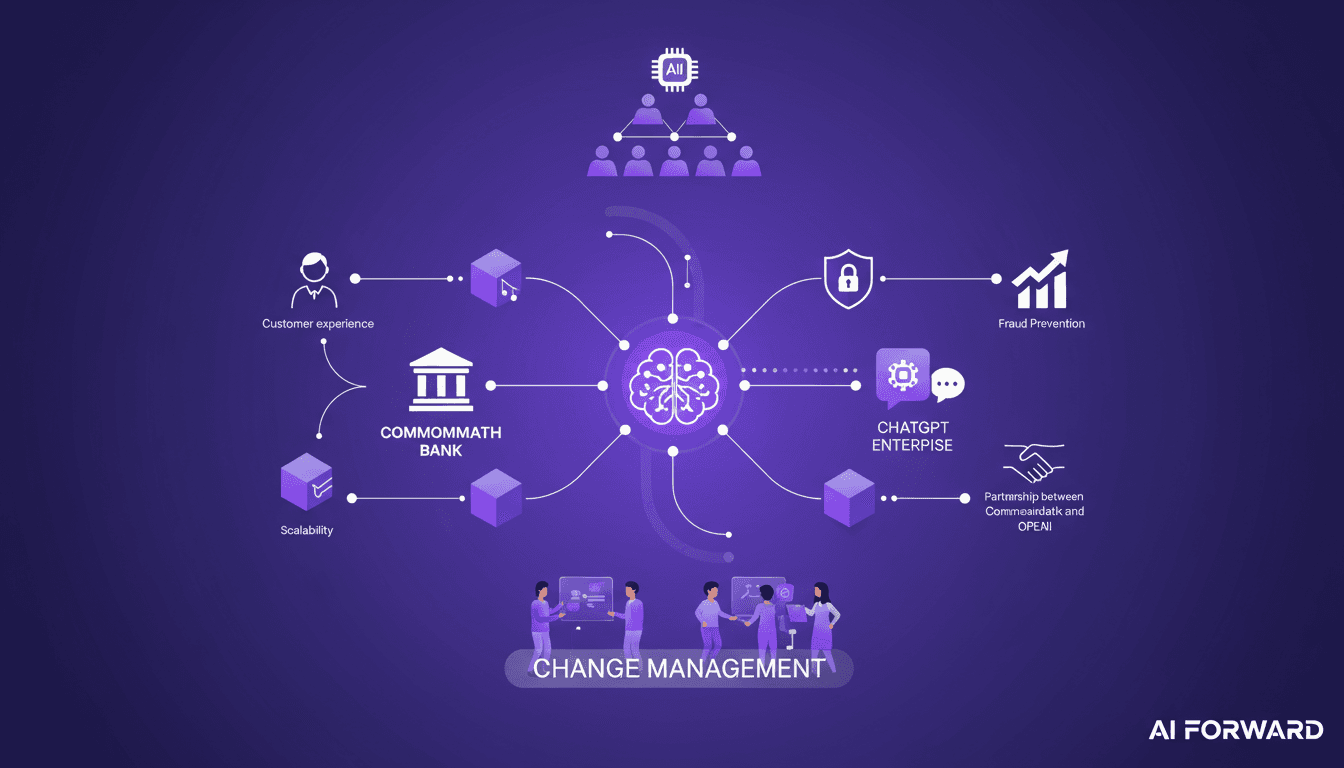
Scaling ChatGpt Enterprise at Commonwealth Bank
I remember the first time we decided to roll out AI at Commonwealth Bank. The excitement was there, but so were the questions. How do we scale this across 50,000 employees? More importantly, how do we ensure it's not just a fancy tool but a real game changer? With ChatGpt Enterprise, we found concrete answers. The impact? A significant enhancement in customer experience and increased resilience against fraud. But let me tell you, the real challenge was making sure this technology became a core part of our strategy. Let's dive into the details of this bold journey.
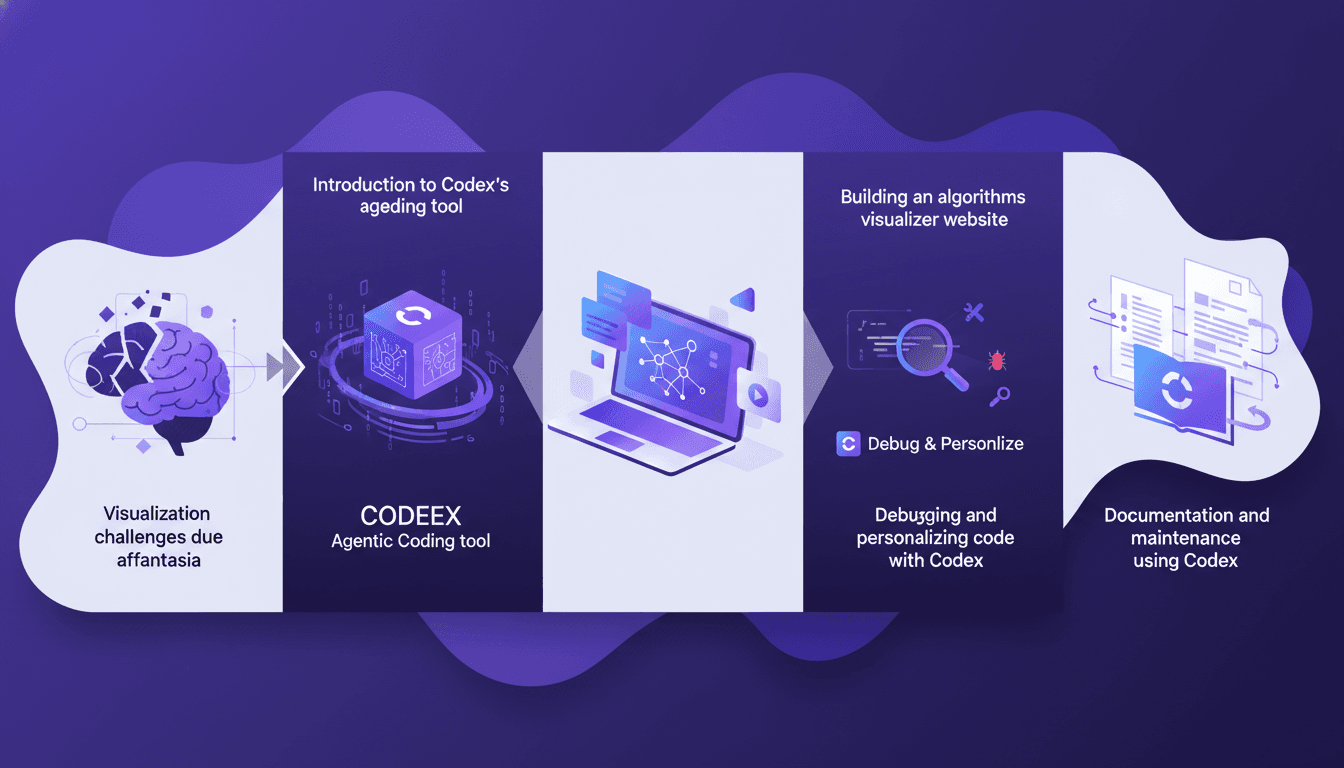
Visualizing with Codeex: Overcoming Affantasia
I've always struggled with visualization due to my affantasia. Then I discovered Codeex, and it felt like lifting a fog. Imagine turning abstract algorithms into tangible visuals—that's precisely what I did with Codeex's agentic coding tool. Let me show you how I built an algorithm visualizer website, debugging and personalizing code while relying on Codeex's documentation to keep everything in check. Join me on this journey where the abstract becomes concrete.

Autodesk Fusion: Transforming Design with AI
I remember the first time I used Autodesk Fusion at CES 2026. The buzz around AI and design was palpable, and I was right in the middle of it. Autodesk is reshaping the future of design and manufacturing with AI, integrating solutions that enhance creativity while ensuring sustainability. It's not just about tech; it's about transforming workflows. We're talking trust and transparency in AI, consumer expectations for authenticity, and seamless experiences. Autodesk Fusion is more than just a tool, it's a catalyst for innovation. You're about to see how all of this will orchestrate in our daily design practices.
LG's CES 2026 Innovations: Connected Home
I remember standing in awe at CES 2026, gazing at LG's thinnest OLED TV. It's not just about tech specs—it's about how these innovations revolutionize our daily lives. LG isn't just innovating; they're reshaping our experience in the connected home. I connect the dots between human-centered solutions and AI integration in consumer electronics. Let's explore how LG is shaping the future with personalized experiences and advanced screen technologies. Dive in with me to see this transformation unfold.