Terminal Emulator: Mitchel Hashimoto's Journey
I remember the day I first heard about Mitchel Hashimoto's new terminal emulator. As someone who's lived and breathed code, the idea of a terminal built from the ground up was intriguing. Mitchel, known for founding HashiCorp, made a bold pivot, leaving everything to focus on creating this tool. He didn't just code another terminal; he redefined how we interact with our development environments. Developed in Zy, this terminal promises impressive technical performance, and I can tell you, its adoption in the tech community is starting to make waves. I dove into analyzing this tool, and here's what I found.
I remember the day I first heard about Mitchel Hashimoto's new terminal emulator. For those unfamiliar, Mitchel is the mastermind behind HashiCorp. When I found out he had dropped everything to create a terminal from scratch, I knew I had to dig deeper. As a developer, the idea of a terminal that could revolutionize our coding experience was irresistible. This isn't just a new command line; it's a complete reimagining of the tool. Developed in Zy, a language both innovative and robust, this emulator promises performances that have already caught the community's attention. Having used this tool for almost a year, I can confirm its impact is real. But watch out, as with any change, there are pitfalls to avoid. Let's dive into the world of this emulator, its development, and explore why Mitchel decided to take this bold path.
Mitchel Hashimoto: From Hashicorp to Terminal Innovation
Mitchel Hashimoto, the brain behind Hashicorp, has always been a trailblazer in the tech community. With tools like Terraform and Vagrant, he transformed how we handle cloud infrastructure. But after turning 90, he decided to embark on a new challenge: building a no-compromise terminal emulator. Why a terminal? Because Mitchel saw gaps in the current offerings that he wanted to fill, driven by the desire to create something that excels in speed, features, and native UI.
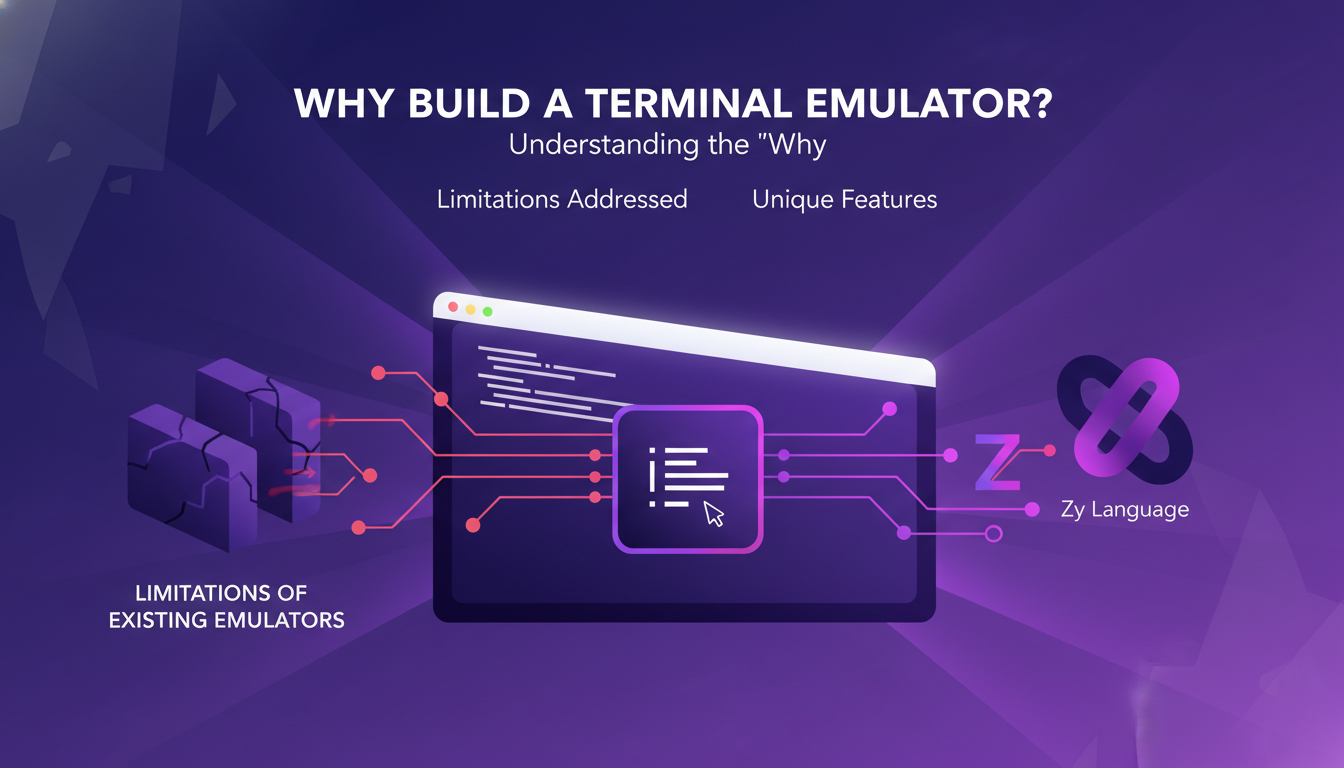
Leaving Hashicorp marked a shift towards a more personal and passion-driven venture. "I'm going to create a terminal emulator without compromise" was his mantra. And to achieve this, he banked on the Zy language, a strategic choice enabling him to push the boundaries of performance and flexibility.
Why Build a Terminal Emulator? Understanding the 'Why'
Mitchel's motivation for creating a new terminal emulator lies in the limitations of existing ones. They often force you to choose between speed, features, or native UI. Mitchel wanted a tool that excels in all three domains, a tall order but necessary. The Zy language played a crucial role, providing a robust foundation to develop these features without sacrificing performance.
The main obstacles faced during development included optimizing performance and managing integrations. However, by orchestrating each component carefully, Mitchel succeeded in overcoming these challenges. Watch out though, developing with Zy can present a learning curve, but the results are worth it.
Technical Features and Performance in Focus
I've been using this emulator for almost a year, and its performance is truly impressive. Benchmarks show significant speed improvements over traditional emulators. Integration and customization options are also a major plus, allowing perfect adaptation to individual needs. But like any powerful tool, you need to manage potential .
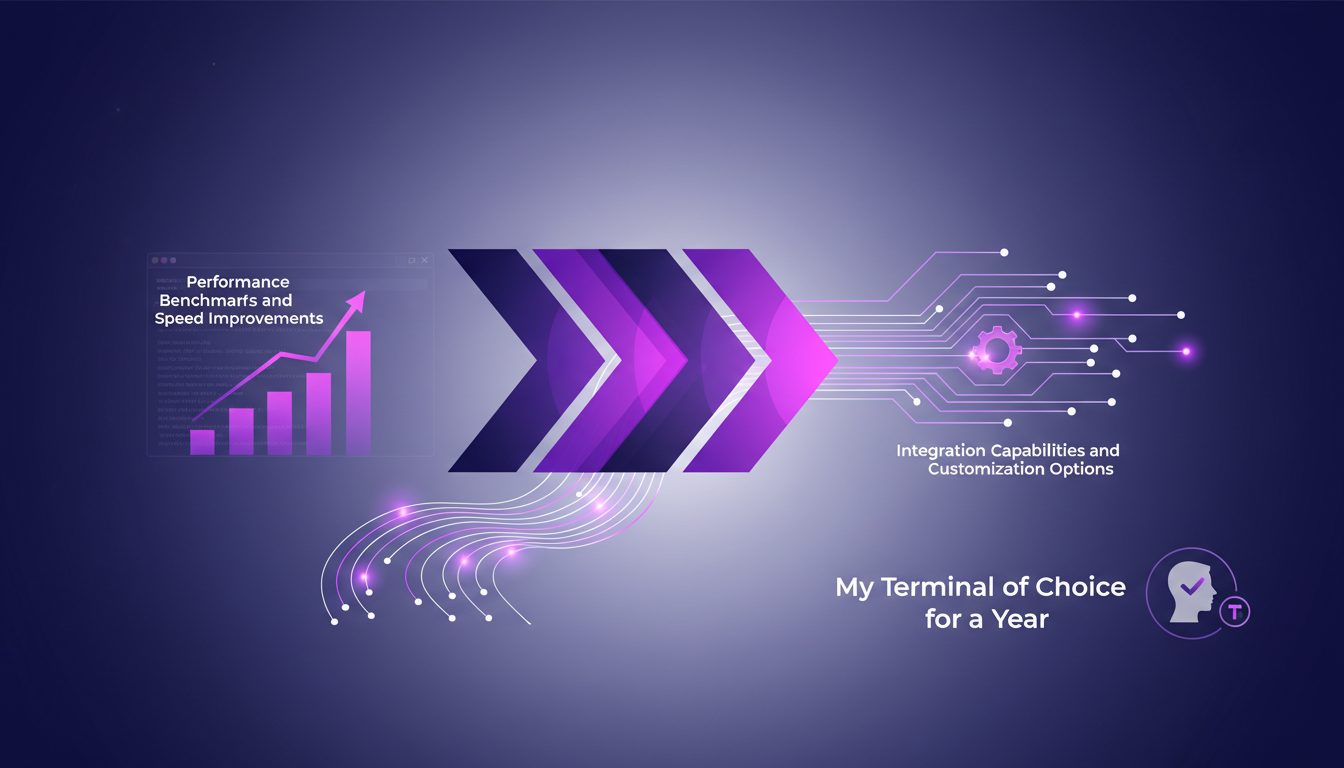
Performance is top-notch, but it's crucial not to overuse it. Sometimes, a minimal setup can be more effective than a feature-overloaded configuration. It's a balance to strike for smooth operations.
Adoption and Impact in the Tech Community
The emulator received an enthusiastic reception in the developer community. Early adopters praised its speed and versatility, and adoption rates have accelerated. This terminal is now influencing other tools and workflows, redefining performance and ergonomics standards.
Future updates are already in progress, promising even more features and optimizations. User feedback is crucial in guiding these evolutions, ensuring each new version meets real-world needs. Automating large-scale refactors might be an exciting next step in this journey.
The Zy Programming Language: A Quick Dive
Mitchel's choice of the Zy language is a bold but justified decision. Zy offers a unique blend of performance and flexibility, ideal for such an ambitious project. However, the learning curve can be challenging. Fortunately, the Zy community is active, providing valuable support and resources for developers looking to explore this language.
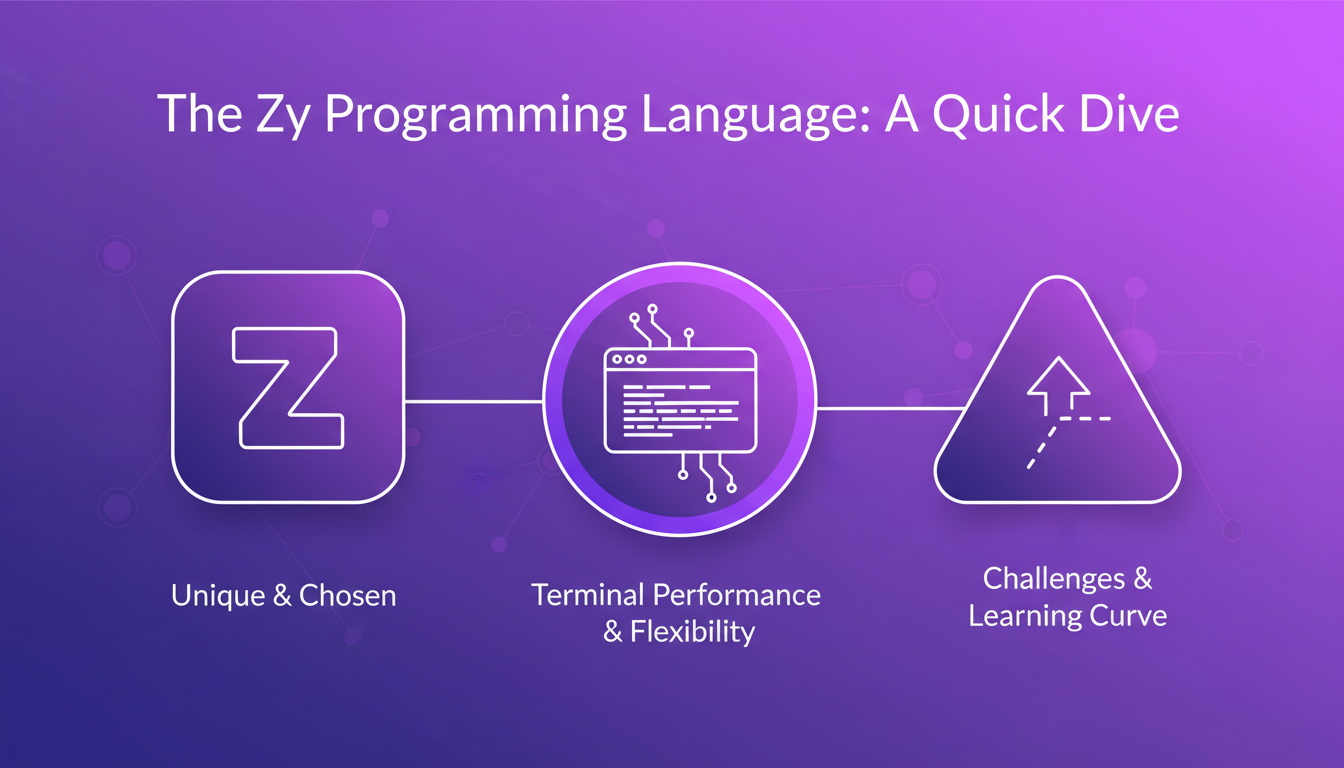
By adopting Zy, Mitchel not only tackled the technical challenge but also opened new perspectives for developers seeking innovation.
Building a terminal emulator from scratch is no small feat, but Mitchel Hashimoto's journey shows it's possible with the right vision and tools. I've personally been using his emulator for almost a year now, and I can't imagine going back. Here are some key takeaways:
- The choice of Zy as the programming language was bold but rewarding.
- Mitchel took his 90 days to dive into this project, proving that a bit of time and a lot of passion can go a long way.
- The technical features and performance of this emulator are truly impressive, but watch out for compatibility limits with certain setups.
Looking ahead, this emulator might just redefine the terminal experience, a real game changer on the horizon. If you're ready to redefine your terminal experience, give this emulator a try. And if you're curious about Zy, dive in—it's an adventure worth taking. I encourage you to watch the original video to grasp the full scope of this project. You'll come away inspired for your own technical endeavors.
Frequently Asked Questions

Thibault Le Balier
Co-fondateur & CTO
Coming from the tech startup ecosystem, Thibault has developed expertise in AI solution architecture that he now puts at the service of large companies (Atos, BNP Paribas, beta.gouv). He works on two axes: mastering AI deployments (local LLMs, MCP security) and optimizing inference costs (offloading, compression, token management).
Related Articles
Discover more articles on similar topics
Automating Large-Scale Refactors with Agents
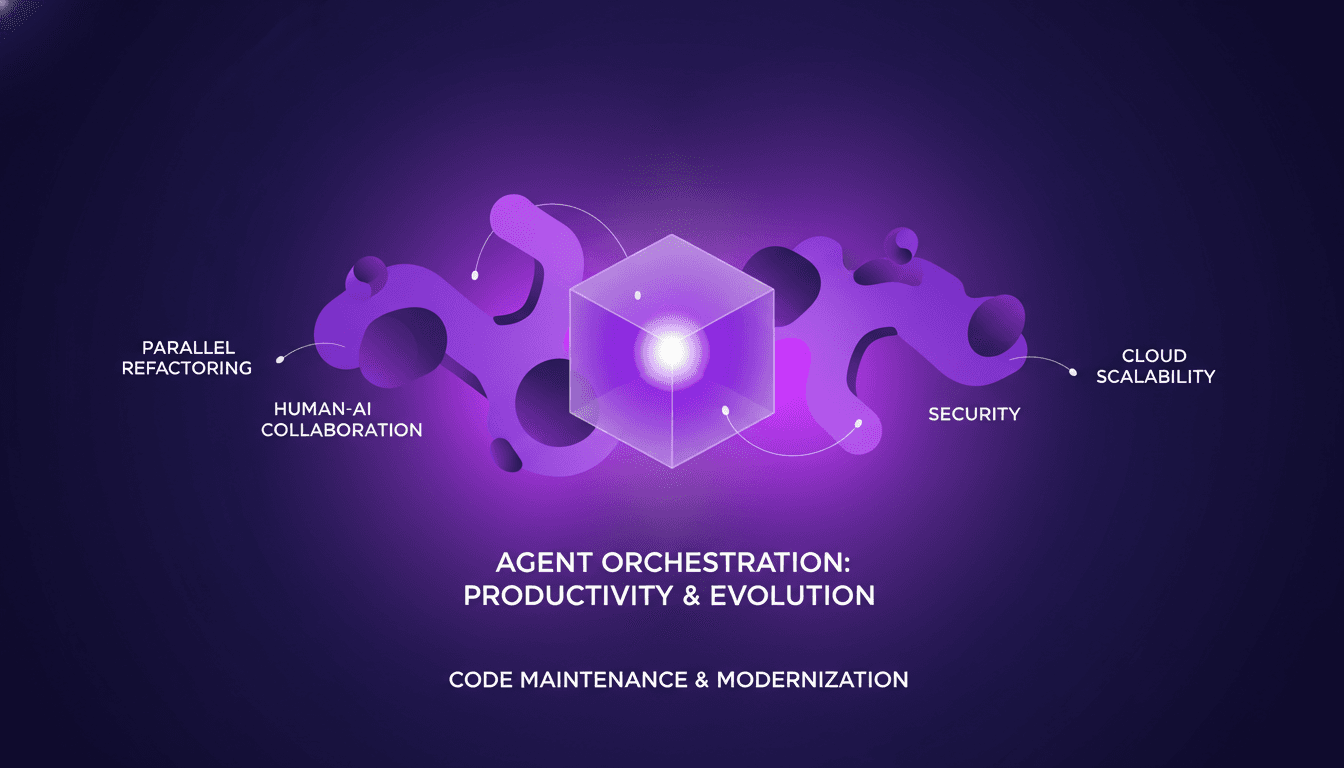
I've been knee-deep in code refactoring for over a decade, and let me tell you, automating this beast with parallel agents is a game changer. We're talking about an orchestration that can revolutionize your workflow. First, I set up my agents, then orchestrate them to maximize productivity impact. This is where the evolution of coding agents comes into play, having real impacts on software development. But watch out, it's not challenge-free. Security and scalability of cloud environments for agent execution are critical. Dive in to discover how to effectively collaborate with AI in software engineering.
2025 AI Code Summit: Innovations and Insights
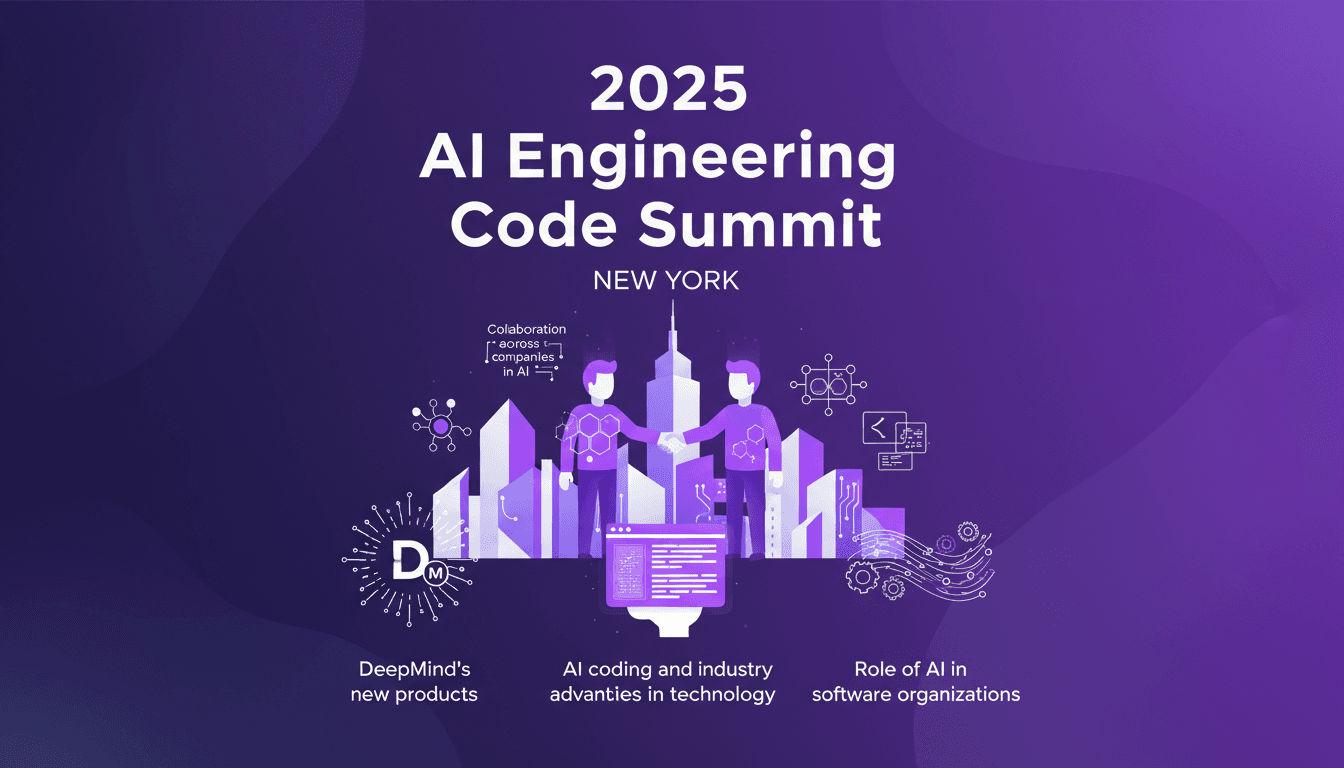
I walked into the 2025 AI Engineering Code Summit in New York, and the energy was palpable. This wasn't just another tech event; it was a gathering of the minds shaping the future of AI coding. With AI's role in software organizations expanding, understanding the latest tools and collaborations is crucial. DeepMind stands out with its new releases like Gemini 3 and Nano Banana Pro. These innovations aren't just gadgets; they're transforming how we approach software development. I've experimented with these tools, and I can tell you, they're redefining the way we orchestrate our projects. It's an exciting time for AI, and this summit is the focal point of these disruptions.
Building Doc: The Open-Source Rival
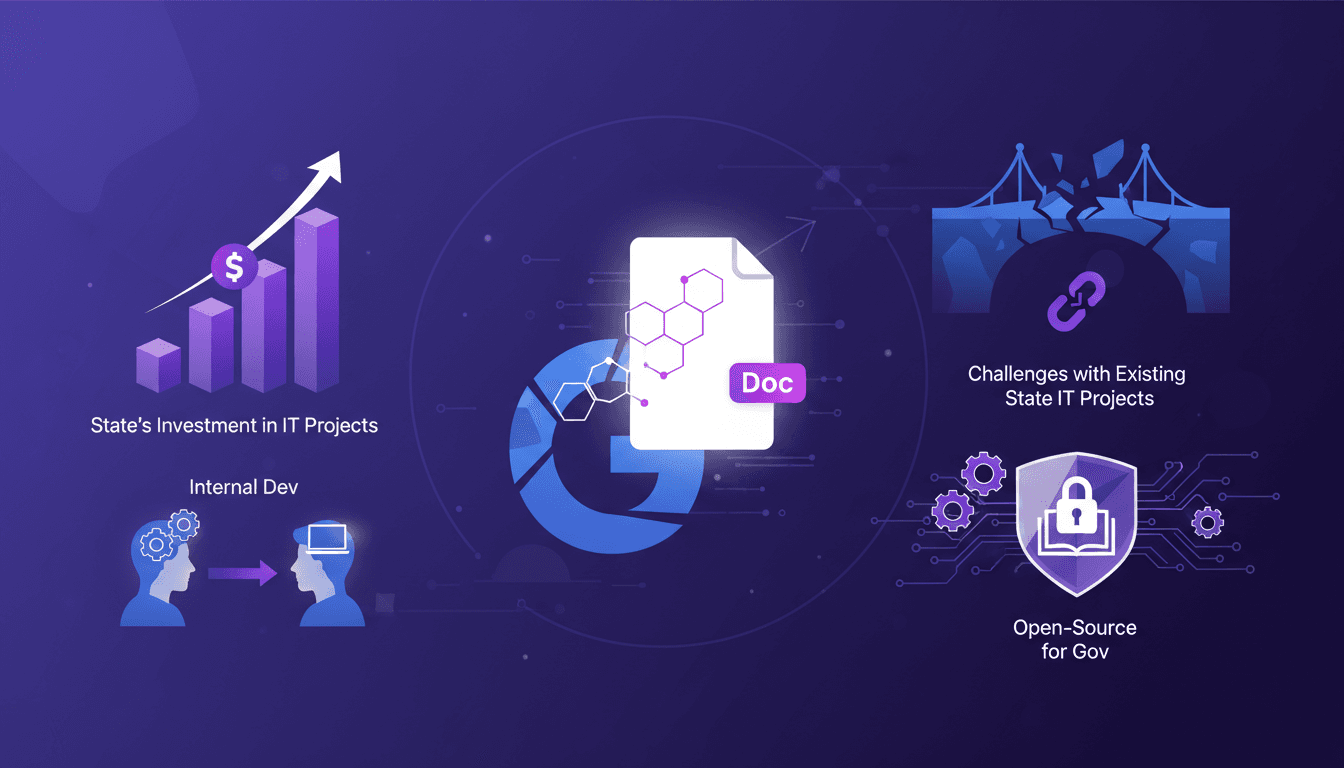
I still remember the first time I heard about the State's plan to develop Doc, an open-source alternative to Google Docs. As a developer involved in the project, the challenge was clear: build something robust enough to compete with industry giants, yet flexible enough to meet government needs. The stakes were high, and the potential impact even higher. The State has heavily invested in IT projects, spending millions on external solutions that often don't quite fit. This time, we're shifting gears—moving from relying on external consultants to building in-house. Let's dive into how we're making this transition work.
Year-Round CES Content Access: How I Manage It
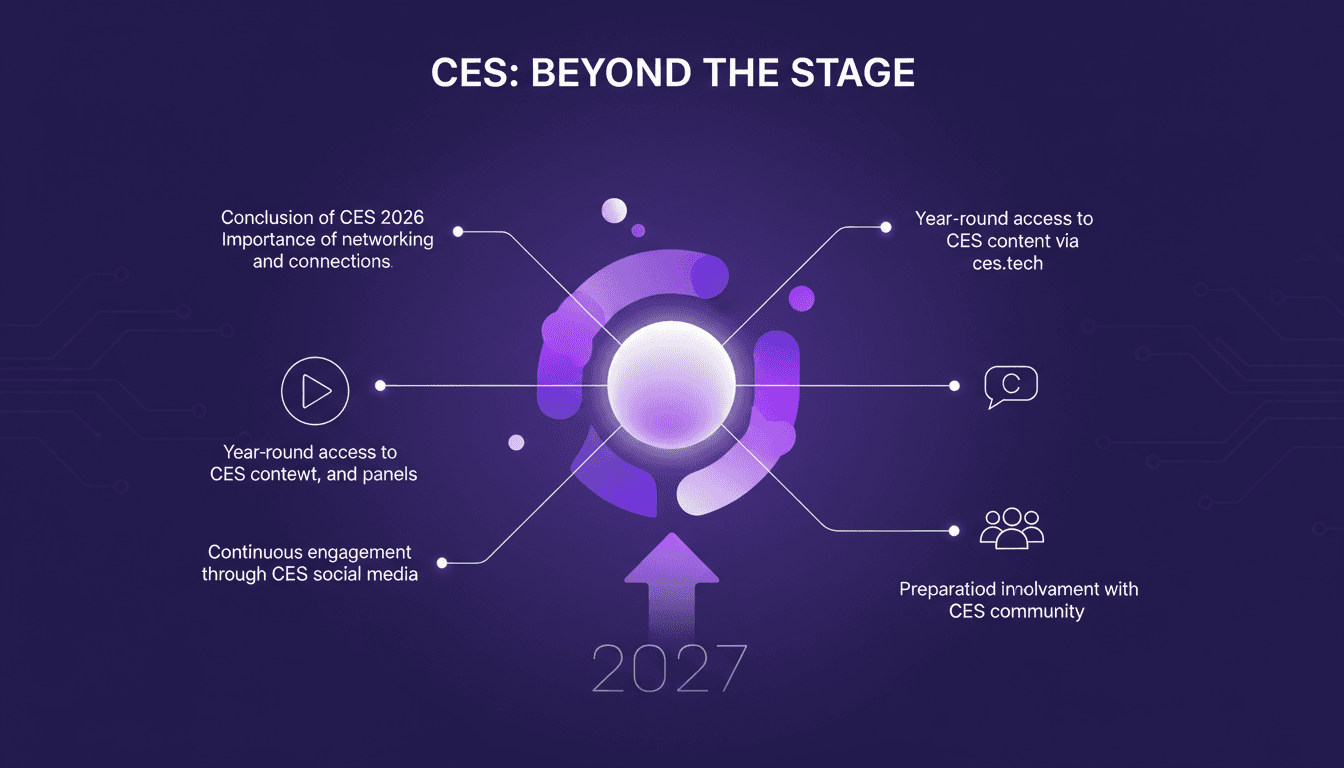
I just wrapped up CES 2026, and let me tell you, the energy was electric. But here's the thing: CES isn't just a once-a-year gig anymore. Thanks to ces.te, I keep the momentum going year-round. Accessing keynotes, interviews, and panels online is a game changer. I'll walk you through how I leverage these resources to stay ahead. Don't let the calendar hold you back; opportunities are just a click away. Get ready for CES 2027 by staying connected with the community and maximizing every connection made. It's a game changer, but watch out, don't get overwhelmed by the sheer amount of content. The goal is to stay relevant, not drowned.
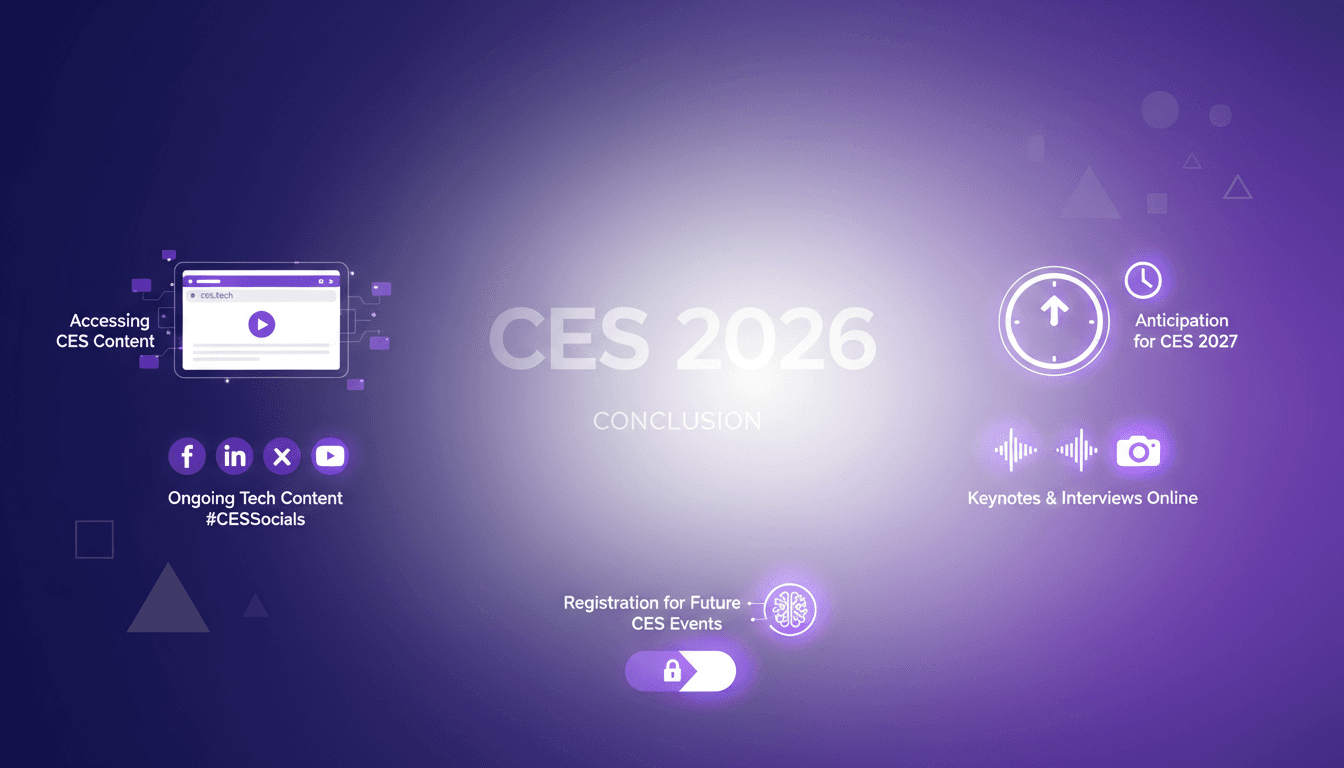
CES 2026 Wrap-Up: Access Content and Gear Up for 2027
I just wrapped up CES 2026. What a whirlwind of innovation! But hold on, the show isn’t over. Now, it's time to dive into the wealth of content available online and gear up for CES 2027. Want access to the keynotes and interviews? Let me break down how. The core content is on ces.te, and CES socials are buzzing with exciting updates. Don’t miss the chance to register for next year. Trust me, these online talks and interviews aren’t just extras; they’re your direct line to tomorrow’s tech. So, gear up for 2027—the future is already on the move!