Building Tech for 50+: My Approach
I remember the first time I realized the tech gap for those over 50. It was during a simple app usability test, and the frustration was palpable. That experience drove me to dive into creating tech solutions that truly serve this demographic. The numbers are clear—125 million Americans over 50, with a spending power set to skyrocket to 96 trillion globally by 2030. Yet, 60% feel tech isn't built for them. Let's change that. We're at a pivotal moment where technology can significantly impact the quality of life for adults over 50. The challenge lies in designing solutions that are relevant, trustworthy, and user-friendly. I'll walk you through my workflow in tackling these challenges, leveraging AI, and planning for a future that embraces this demographic.

I clearly remember a usability test with an app that opened my eyes to the tech gap for those over 50. The frustration was palpable, and it drove me to dive into creating tech solutions that truly serve them. The numbers don't lie: 125 million Americans over 50, with a global spending power set to hit 96 trillion by 2030. Yet, 60% feel technology isn't built for them. It's time to change that. We're at a pivotal moment where tech can significantly enhance their quality of life. The challenge? Designing solutions that are relevant, trustworthy, and user-friendly. I'll walk you through how I tackle these challenges, leveraging AI and planning for a future that fully embraces this demographic. AARP plays a key role here, supporting diverse audiences and showcasing how tech can transform mobility, health, and vision for this age group. I'm excited for 2026 and beyond, but let's not forget the limits: trust and relevance are crucial.
Understanding the 50+ Tech Landscape
With 125 million Americans over 50, we're looking at a massive market potential. Yet, 73% say technology is crucial for better living, but many feel alienated. This is where I stepped in with an empathy-driven design approach to bridge the usability gap. First, I conduct thorough user research to understand pain points. Then, I involve users directly in the design process to ensure relevance.
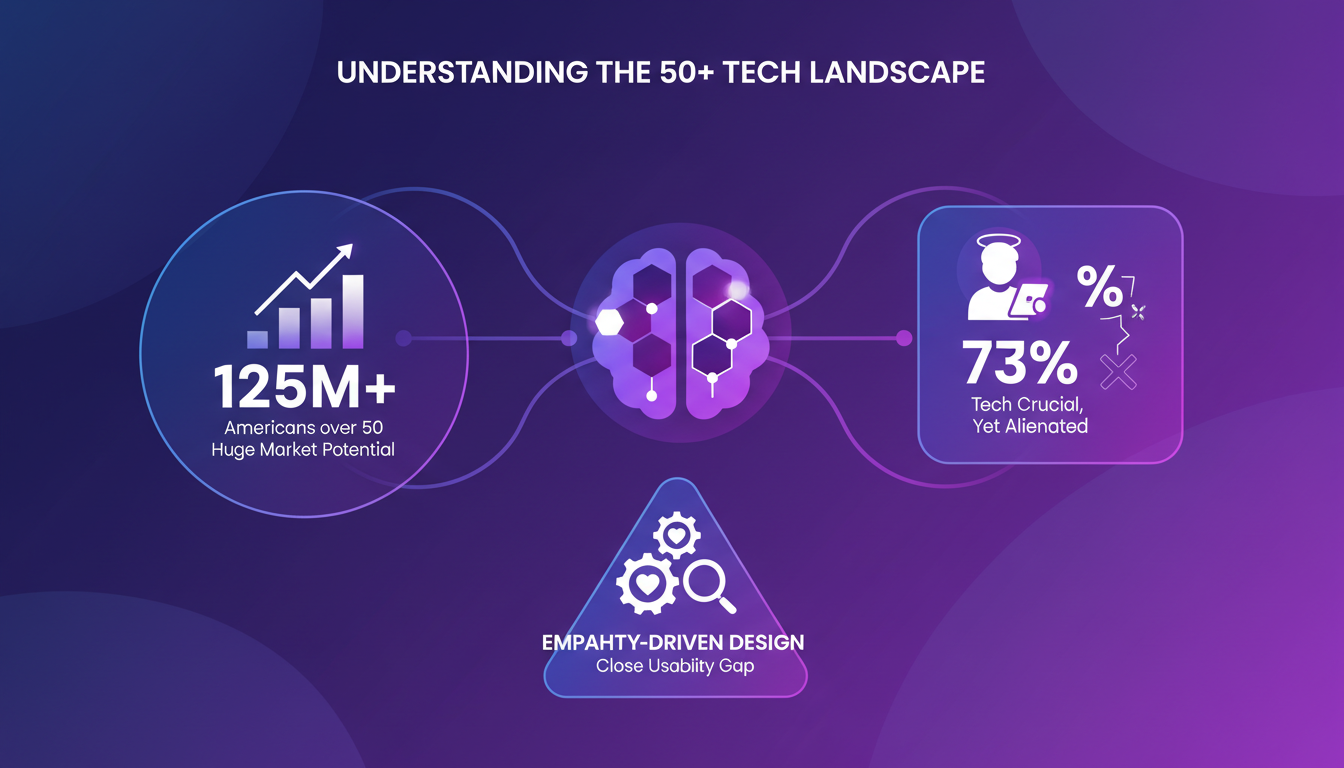
By centering these users, I not only design more fitting solutions but also foster smoother tech adoption. You can't just design in a void; you need to integrate their needs from the start. The goal is to craft technology that feels intuitive, even for those who consider themselves less 'tech-savvy.'
Harnessing Global Consumer Spending Power
Global consumer spending power is projected to grow from 36 trillion to 96 trillion by 2030. This is a massive opportunity, and I align my tech solutions with these trends to maximize impact. First, I analyze spending data to identify key growth areas. Then, I tailor solutions to tap into these emerging markets. But watch out for regional differences in tech adoption and spending habits.

I've learned not to rely solely on global data and always adapt my approaches considering local specifics. Sometimes what works in one region can flop in another. The key is to be agile and continuously refine solutions to meet local needs.
Designing for Longevity: Challenges and Solutions
With 60% of adults over 50 feeling that tech isn't for them, design must be inclusive. My method involves iterative design cycles with direct user feedback. First, I simplify interfaces without dumbing down functionality. Then, I test with diverse age groups to ensure accessibility. Sometimes it's faster to prototype and iterate based on real use.
I've been burned before by underestimating the complexity of certain interfaces for less tech-comfortable users. Now, I make sure to always include user testing early on to avoid pitfalls.
Leveraging AI for Personalization
AI plays a crucial role in tailoring experiences for the 50+ demographic. My workflow involves integrating agentic AI for personalized content. First, I set up data collection to inform AI-driven insights. Then, I use these insights to customize user interactions. Beware of data privacy issues — transparency is key for building trust.
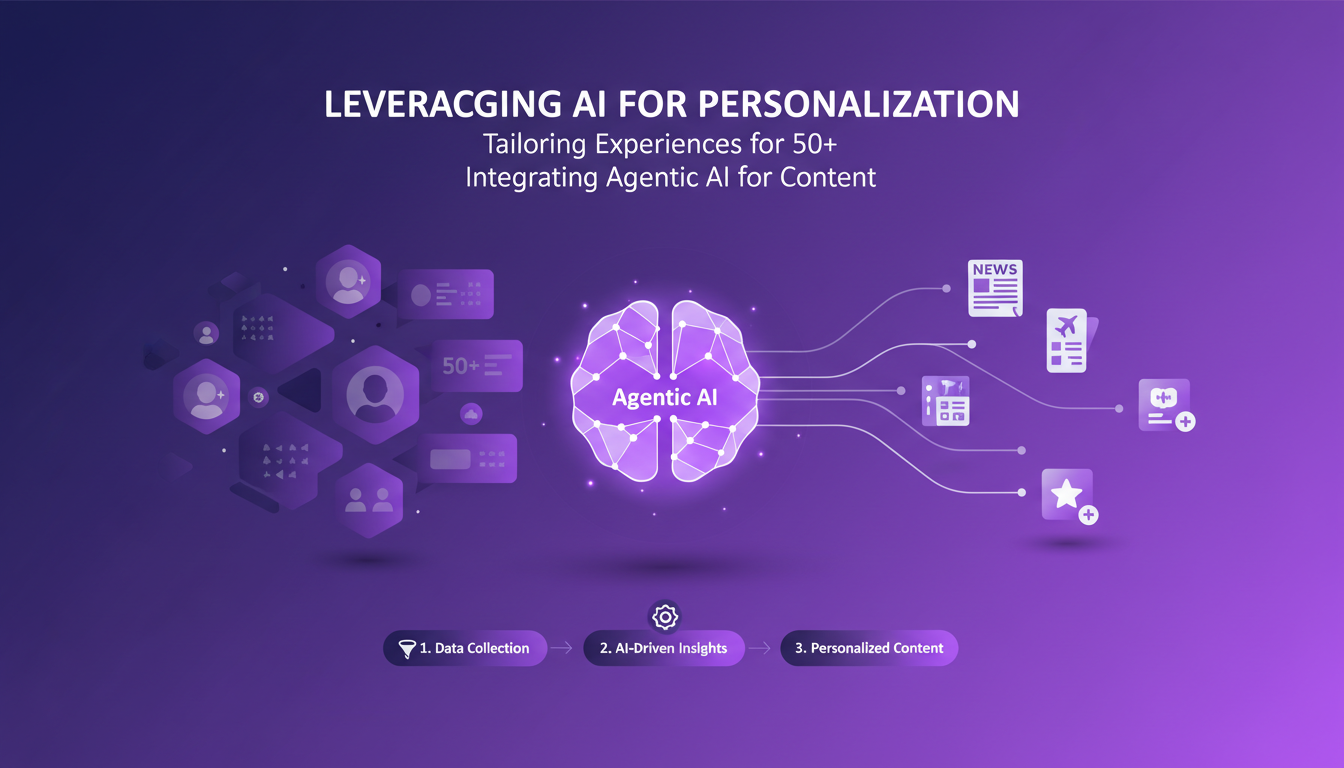
By working with agentic AI, I can provide more personalized experiences, but I must always keep an eye on how these technologies handle data. Trust is paramount.
Vision 2026: Planning for Future Innovations
AARP's roadmap for tech in 2026 taught me a lot, and I applied it. Collaborative innovations in mobility, health, and vision are fascinating. First, I identify key partners for co-development opportunities. Then, I pilot new tech solutions in real-world settings. Excitement is tempered with realism — tech must solve real problems.
I remember being overly optimistic about the rapid adoption of new technologies, only to find that without realistic implementation and user feedback, even the best tech can fail. Now, I always ensure each innovation has a clearly defined purpose.
In tackling technology for the over 50 demographic, I've learned that empathy, collaboration, and a clear vision are crucial. First, recognize that 73% of adults over 50 see technology as key to better living. Then, understand that 60% feel tech isn't built for them. But with spending power set to explode, the potential is enormous. I've woven these insights into building solutions that are not just inclusive but genuinely relevant and impactful. Looking ahead, this is a real game changer, though be wary of generalizing or overlooking specific needs. Join me in this mission. Share your experiences, collaborate on solutions, and let's redefine tech for the next decade. For deeper insights, watch the original @AARP video 'Innovation for Longevity' on YouTube. Together, we can make tech truly serve this audience.
Frequently Asked Questions

Thibault Le Balier
Co-fondateur & CTO
Coming from the tech startup ecosystem, Thibault has developed expertise in AI solution architecture that he now puts at the service of large companies (Atos, BNP Paribas, beta.gouv). He works on two axes: mastering AI deployments (local LLMs, MCP security) and optimizing inference costs (offloading, compression, token management).
Related Articles
Discover more articles on similar topics
Unpacking CES 2026: Transformative Tech Insights
I've walked the CES floors more times than I can count, but CES 2026 was something else. Picture a space buzzing with transformative tech, where every corner reveals another groundbreaking innovation. It’s not just about the gadgets; it's about the connections and conversations shaping our industry's future. From giants to startups, everyone was there, unveiling tech that could redefine our lives. Believe me, there were standout moments. Conversations with exhibitors opened my eyes to the real impact these innovations will have on our daily lives.
Decoding AI in Media: Trends and Impacts
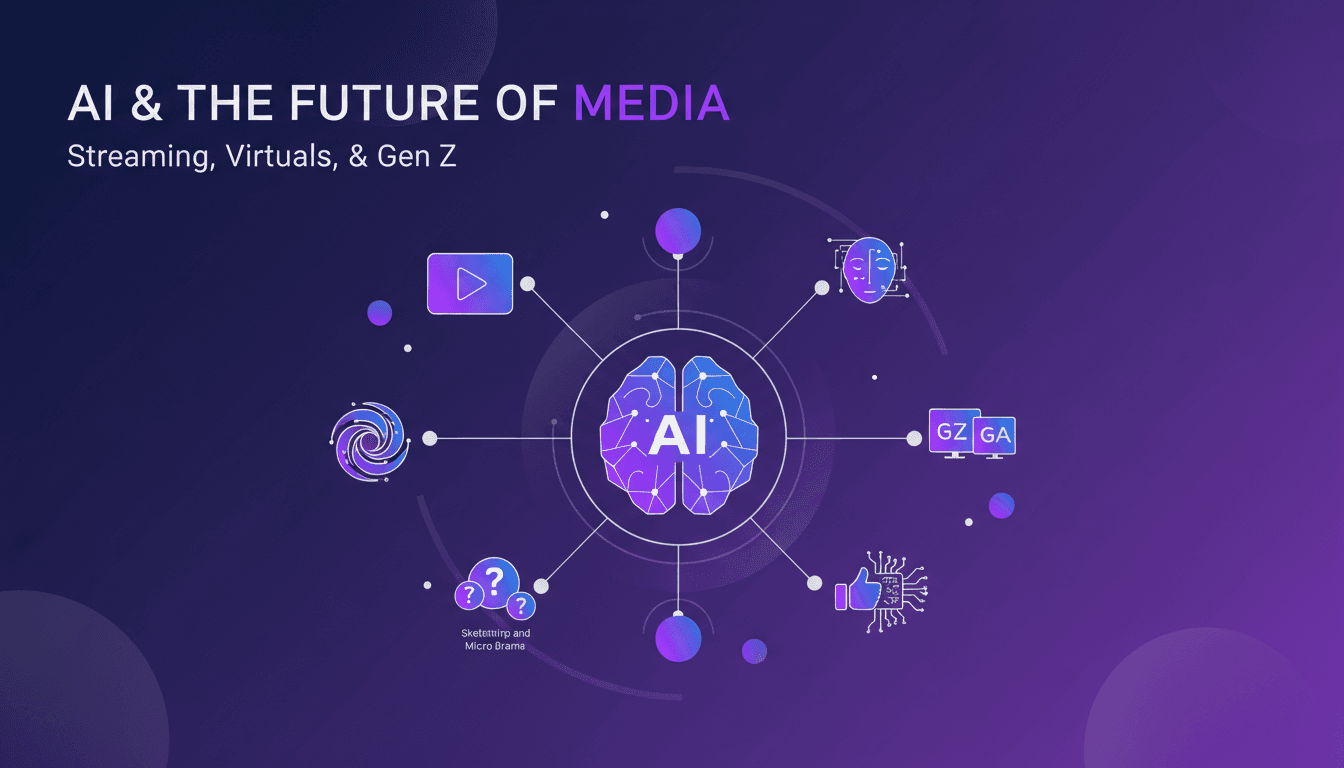
I’ve been knee-deep in the media and entertainment world for years, watching trends evolve and AI shake up the landscape. With Luminate Intelligence leading the charge, we’re seeing a real redefinition of how we consume and create content. AI isn’t just a buzzword; it’s a game-changer. Streaming wars, AI artists, and emerging virtual personas are reshaping our habits. We're also diving into the consumption differences between Gen Z and Gen Alpha, and the micro-drama trends sparking on our screens. Welcome to the era of AI-driven social content.
Xperi's Role in Future Immersive Entertainment
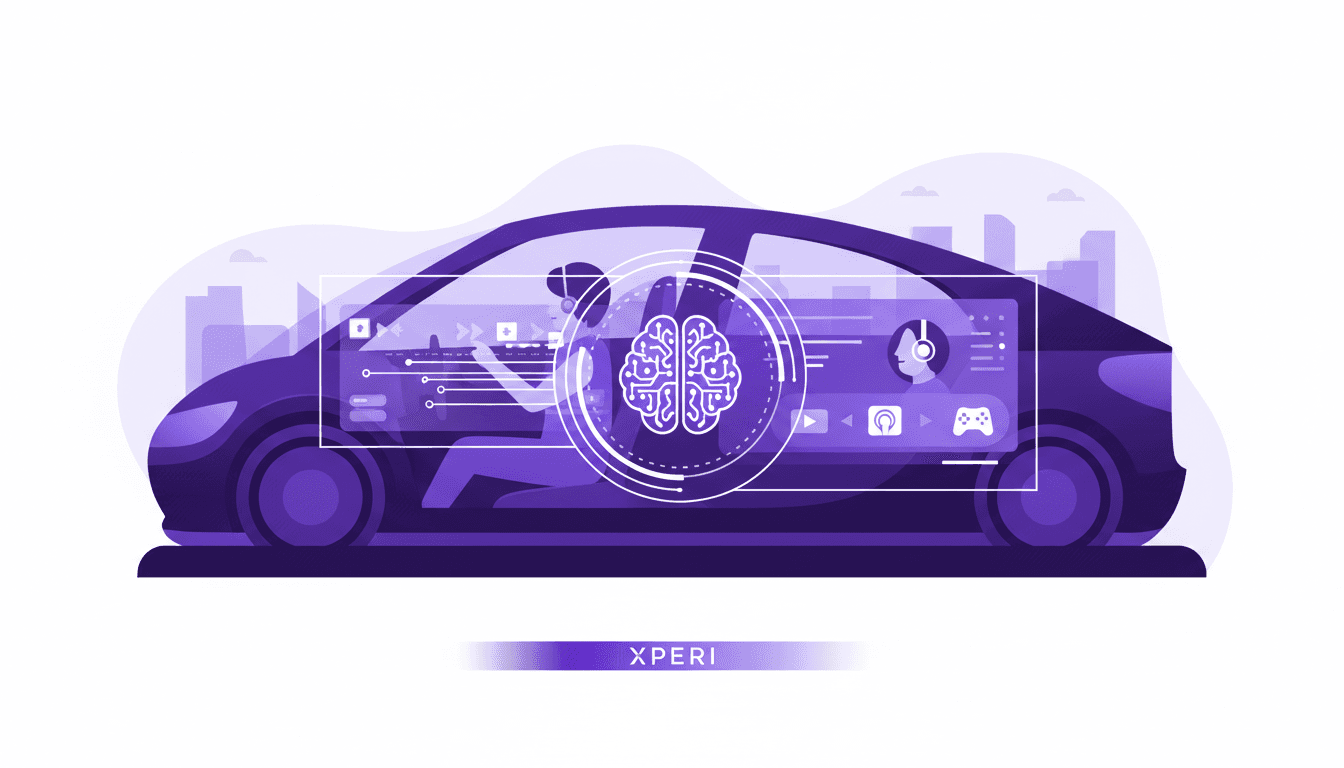
I've been in the tech trenches long enough to spot a seismic shift, and Xperi's work in immersive entertainment is exactly that. They're reshaping in-car experiences with AI and sound that genuinely surpasses the usual hype. In this article, I'll guide you through how Xperi is integrating entertainment across connected platforms, with a spotlight on their vehicle innovations. From Jeff Jury's insights to the future of ride sharing, we'll explore how AI is central to these advancements. Don't miss this dive into the future of automotive entertainment.
Leveraging AI for Human Customer Experiences
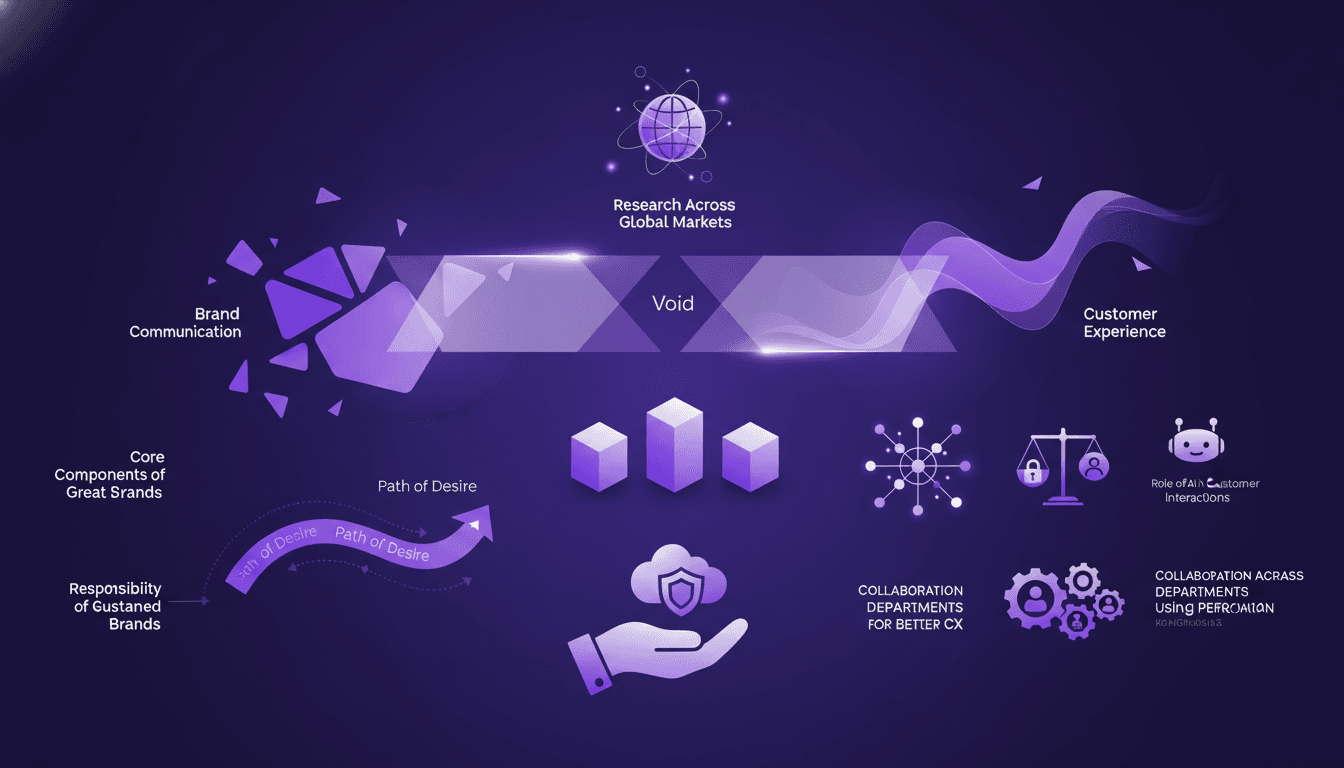
I've been in the trenches, trying to align brand messages with what customers actually experience. It's no easy task, especially when 91% of people see a gap. So, how do we bridge it? In this article, I walk you through how I tackled this, drawing on global research and my own missteps. We dive into the gap between communication and customer experience, core components of strong brands, the role of AI, and balancing privacy with personalization. It's a bumpy ride, but the impact is direct when done right.

Evolving Hospitality: Data and Personalization
I dove into the world of hospitality data with Marriott, where 250 million Bonvoy members aren't just numbers—they're the heart of a personalized experience. I connected the dots between data, brand partners, and privacy challenges to redefine hospitality. With Riot Media at the helm, we're turning personalization, targeted advertising, and cultural relevance into new industry standards. But watch out, compliance and customer consent are critical. The challenges of connecting multi-platform experiences shouldn't be underestimated. Here's how we navigate this exciting evolution.