AI Impact: 92 Million Jobs at Stake
I've seen AI transform industries firsthand. It's not just about job loss; it's about radically changing how we work and the opportunities that come with it. With 92 million jobs at risk by 2030, it might feel like fear could paralyze us, but focusing only on that would be a mistake. AI is also a great equalizer in the job market, offering salary premiums for those who develop AI skills and fostering innovative human-machine collaborations. So how do we adapt to this new landscape? The key lies in learning and acquiring new skills, but watch out for educational programs that don't fit. Let's explore these challenges and opportunities together.
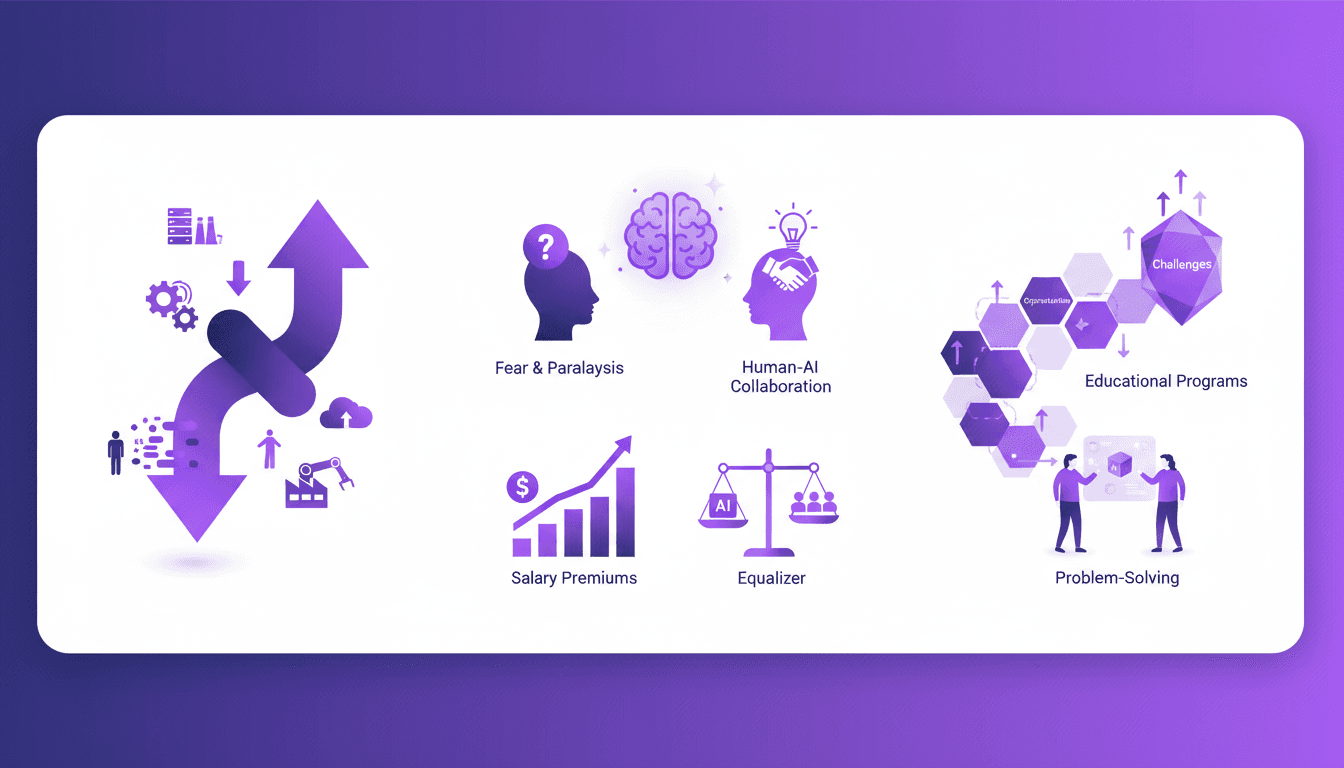
I've seen AI transform industries firsthand, and trust me, it's far more than just a matter of job loss. We're talking about 92 million jobs at stake by 2030, and that gets you thinking. But to reduce AI's impact to mere job erosion would miss the bigger picture. AI is redefining how we work, highlighting new ways of collaboration, and even offering salary premiums for those who master these technologies. But beware, it's not without its challenges. I've seen colleagues get burned by poorly designed training programs. So how do we navigate this shifting landscape? By betting on the right skills and embracing working alongside AI, rather than fearing it. That's where our best chance lies to leverage this technological revolution.
Understanding AI's Impact on Jobs
I’ve been in the field long enough to witness firsthand how technology reshapes the way we work. When we talk about AI and automation, the focus often zeroes in on job elimination. But it’s so much more nuanced. Yes, it's true that 92 million jobs might vanish by 2030 (source). However, let's not overlook that 170 million new positions are expected to emerge simultaneously.
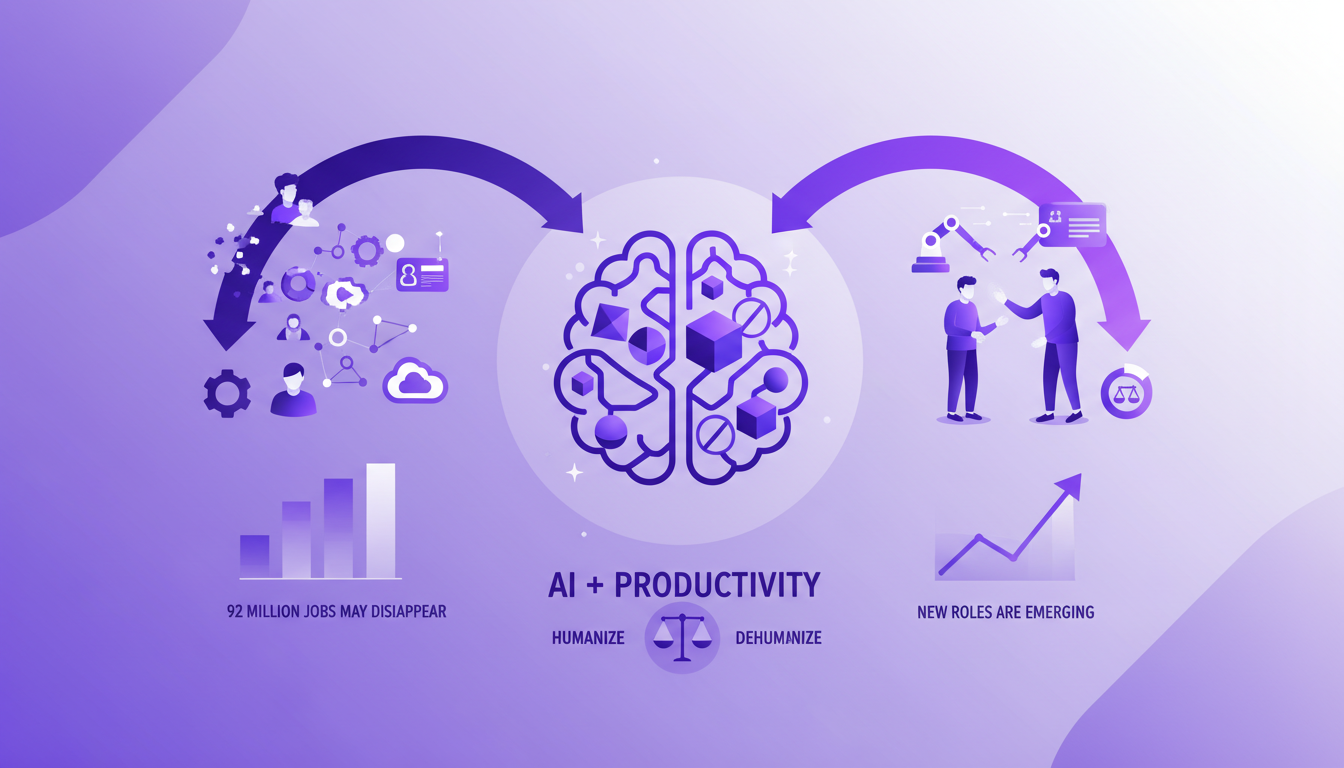
Many fear the "dehumanization" of workplaces, and I get it. This sentiment is shared by 63% of American workers who believe AI will make their work environment less human this year. But AI can also be a productivity catalyst. For example, a bug that developers spent six months tracking was resolved in mere minutes by AI. In fact, 58% of workers want to switch careers due to AI, but only 14% are taking action. That's the real sticking point.
AI Skills: The New Competitive Edge
In today’s professional landscape, artificial intelligence skills are becoming indispensable. And I can tell you, it’s a game changer. My own experience has proven this. An AI skill can offset age and even the lack of a degree. On average, jobs requiring AI skills offer a 56% salary premium. This is huge! It shows how much companies value these skills for their potential to drive innovation and efficiency.
Investing in AI education is crucial. I've seen colleagues transform their careers simply by getting trained in these new technologies. It's not just about following the trend; it's about securing a viable professional future. Competitiveness now hinges on AI.
Collaborating with AI: Human-AI Synergy
I often say: AI isn’t here to replace humans but to augment them. Let’s look at some concrete examples. In certain cases, AI has solved complex problems in no time, where humans were stuck. Yet AI has its limits; it's not infallible and requires human oversight. This is where collaboration between humans and AI truly shines.
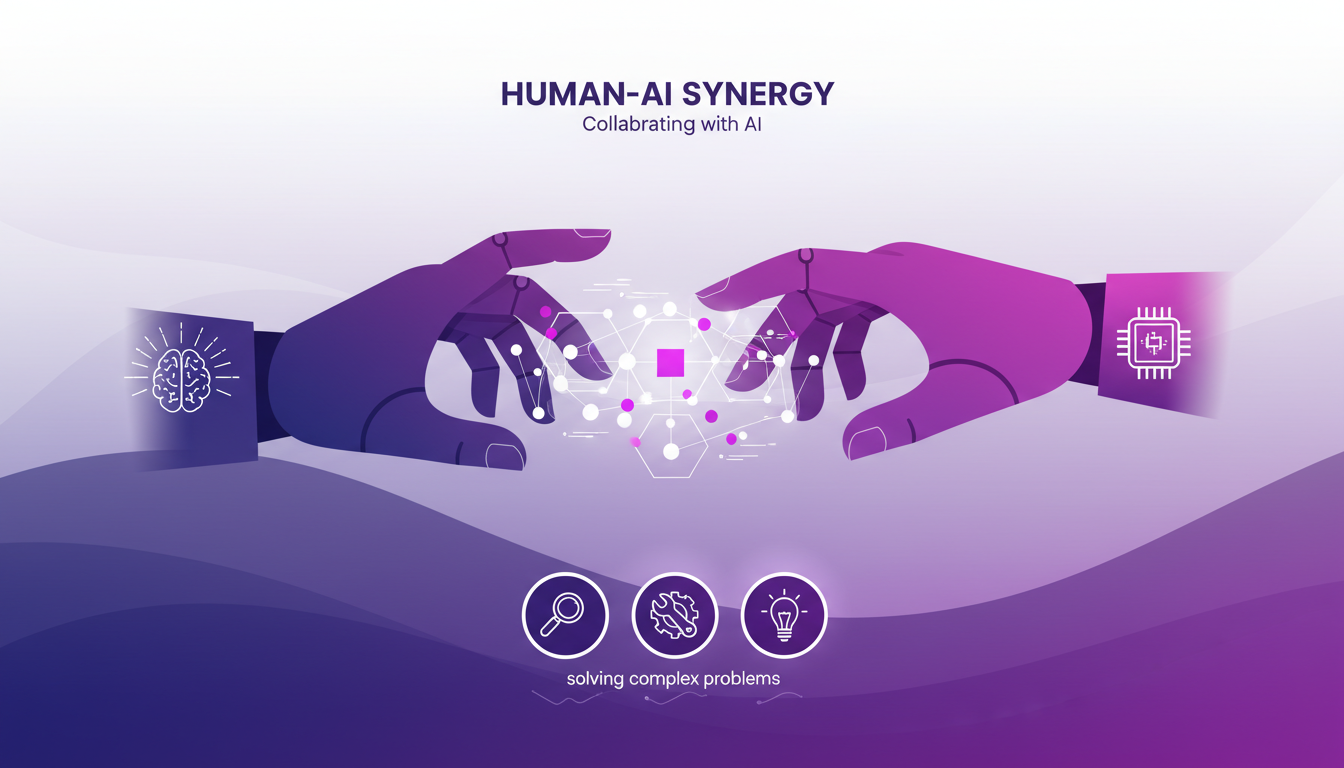
At my agency, we’ve seen teams from different professions collaborate with AI for truly innovative solutions. But watch out, don’t overload AI with tasks it can’t handle. It’s counterproductive.
Overcoming Fear and Embracing Change
The fear of AI can be paralyzing. I've seen colleagues hesitant to evolve, frozen by the anxiety of change. Yet, action is essential for adaptation. Educational programs exist to develop AI skills. So, even if changing careers seems daunting, it's often necessary.
AI presents challenges, but also immense opportunities for those willing to learn. Remember: inaction is your worst enemy. My personal journey taught me that adaptation is key.
Practical Steps for Transitioning to an AI-Driven World
First, assess your current skills and identify gaps in AI knowledge. Then, leverage online courses and workshops to build your AI competencies. That’s what I did, and it paid off.
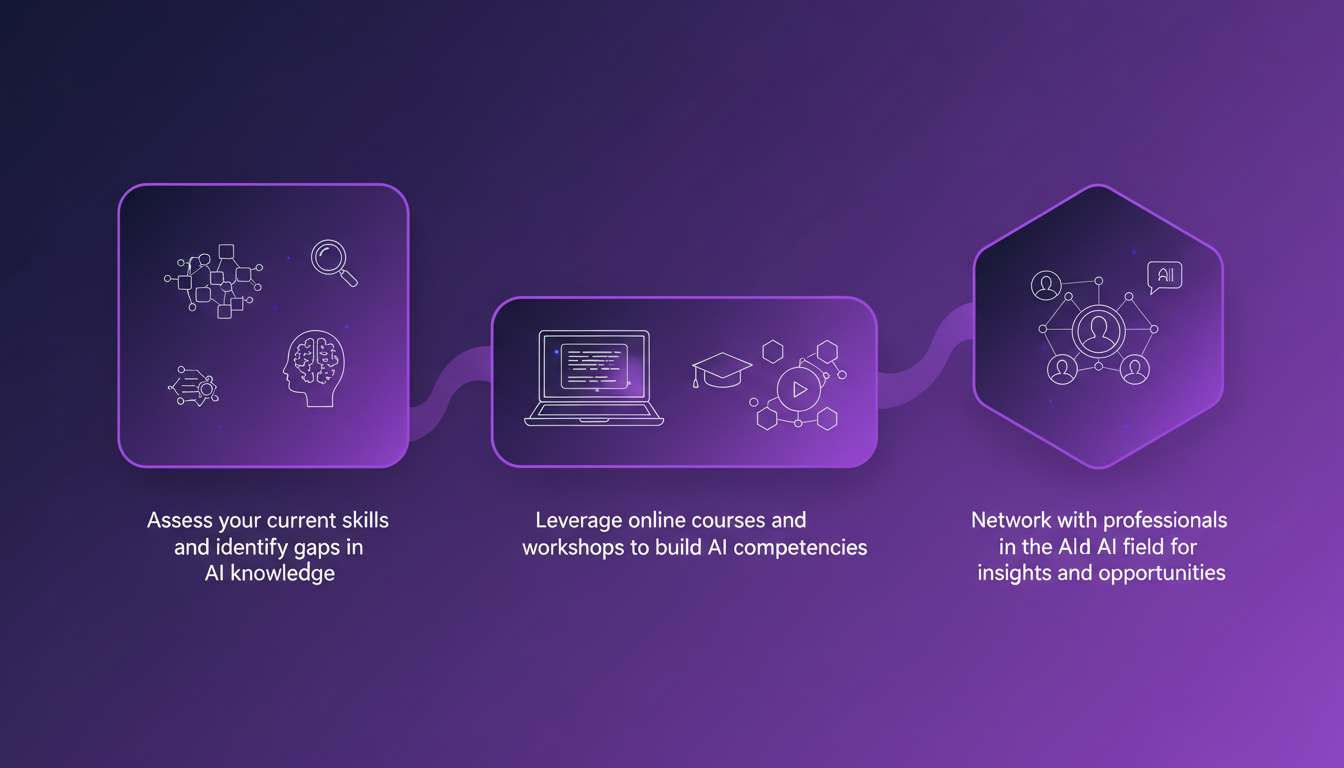
Next, network with professionals in the field for insights and opportunities. Finally, stay informed about AI trends to anticipate and adapt to changes. AI is both ally and replacement.
In summary, AI is not a threat to fear but an opportunity to seize. Be proactive and the future will smile upon you.
Let's face it: AI is reshaping the job landscape, but it's far from a threat if you know how to leverage it. First, 92 million jobs will disappear by 2030. That's scary, but it's also a call to reinvent ourselves. Next, despite the fears of 63% of American workers who think AI will make their workplace less human, there's real opportunity here: AI can become an equalizer, especially with those salary premiums for AI skills. But watch out, we can't ignore the skills erosion that 57% of workers fear. That's where continuous learning comes into play. For me, it's a real game changer but don't underestimate the challenges. Treat this as a personal project: invest in AI learning today and turn what seems like a threat into a career lever. I encourage you to watch the full video (https://www.youtube.com/watch?v=Tuf0SDVnMoY) to dive deeper and truly understand how to navigate this transformation.
Frequently Asked Questions

Thibault Le Balier
Co-fondateur & CTO
Coming from the tech startup ecosystem, Thibault has developed expertise in AI solution architecture that he now puts at the service of large companies (Atos, BNP Paribas, beta.gouv). He works on two axes: mastering AI deployments (local LLMs, MCP security) and optimizing inference costs (offloading, compression, token management).
Related Articles
Discover more articles on similar topics
From Homeless to Wealth: My Inspiring Journey
I went from sleeping on benches to building a net worth in the hundreds of millions. How? No magic tricks, just relentless hard work and unwavering passion. I've been on both ends of the financial spectrum, and let me tell you, get-rich-quick promises are often illusions. I'll show you how I built my wealth and why loving what you do is crucial. If you're ready to roll up your sleeves, join me on this journey where I share my mistakes, successes, and why I spend two hours promoting my book live.
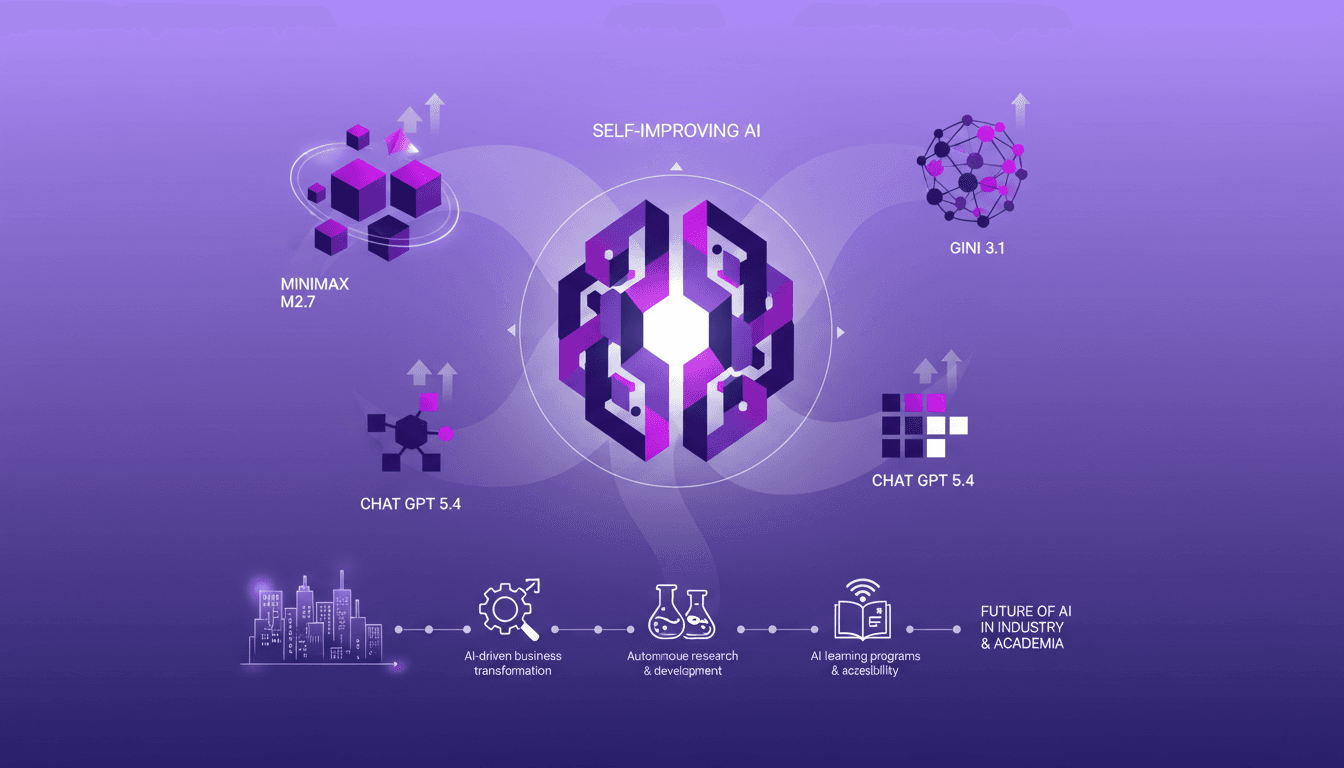
Self-Improving AI Models: Revolution or Risk?
I've been on the front lines of AI development, and let me tell you, self-improving AI models like Minimax's M2.7 are shaking things up. Initially skeptical, I integrated M2.7 into our workflows, and the impact was undeniable. These models aren't just changing the game; they're redefining the rules. As the AI industry buzzes with excitement, how do these models really stack up in practical applications? We're diving into this, comparing them to other models like Gini 3.1 and Chat GPT 5.4, and analyzing their role in transforming businesses.
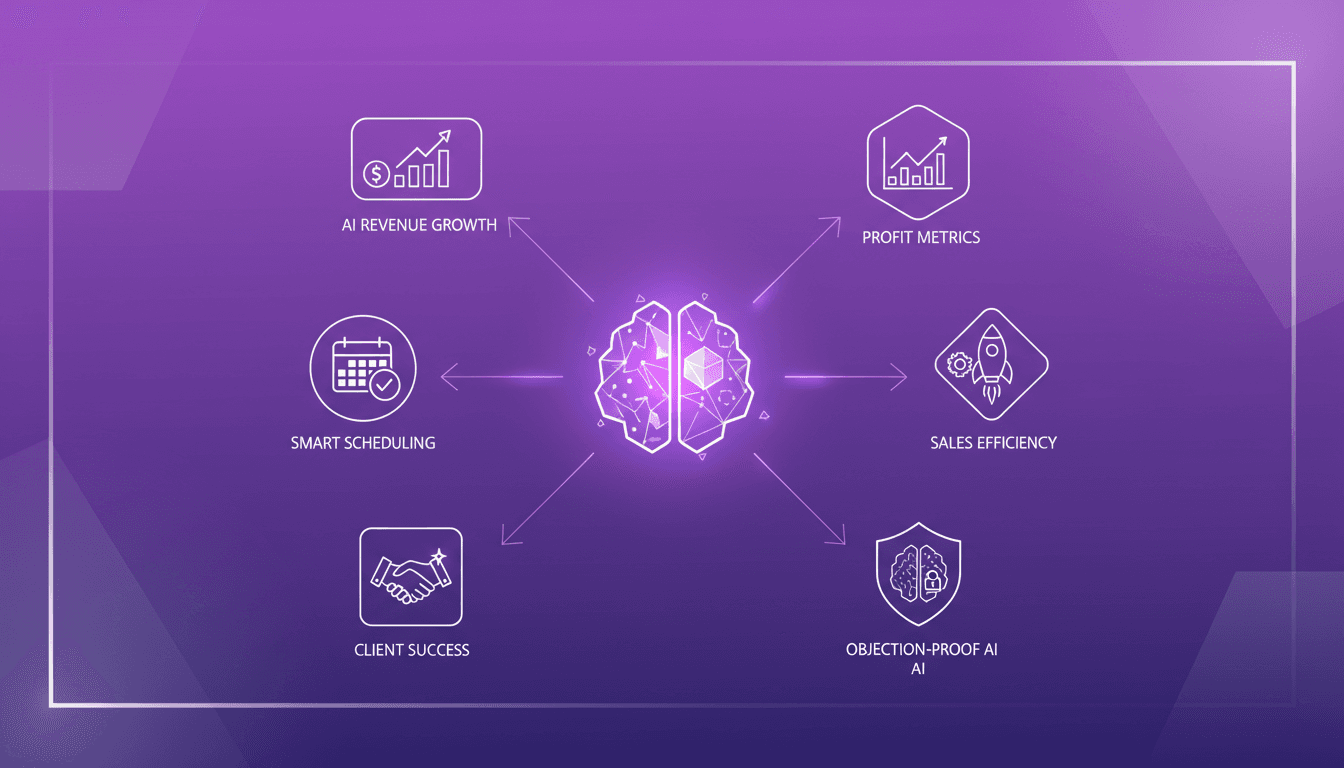
How AI Booked $1.2M: My Revenue Journey
I was pretty skeptical at first. But when AI booked $1.2 million in revenue for us, I knew we hit on something big. This isn't just about automating tasks; it's about transforming our sales approach. AI in appointment scheduling has redefined efficiency and effectiveness in sales processes. Imagine thousands of closings in just a few weeks, with revenue pouring in. In this article, I'll take you behind the scenes of this digital revolution, sharing client success stories and objection-proof strategies. Don't get lost in the buzz; dive into the concrete.
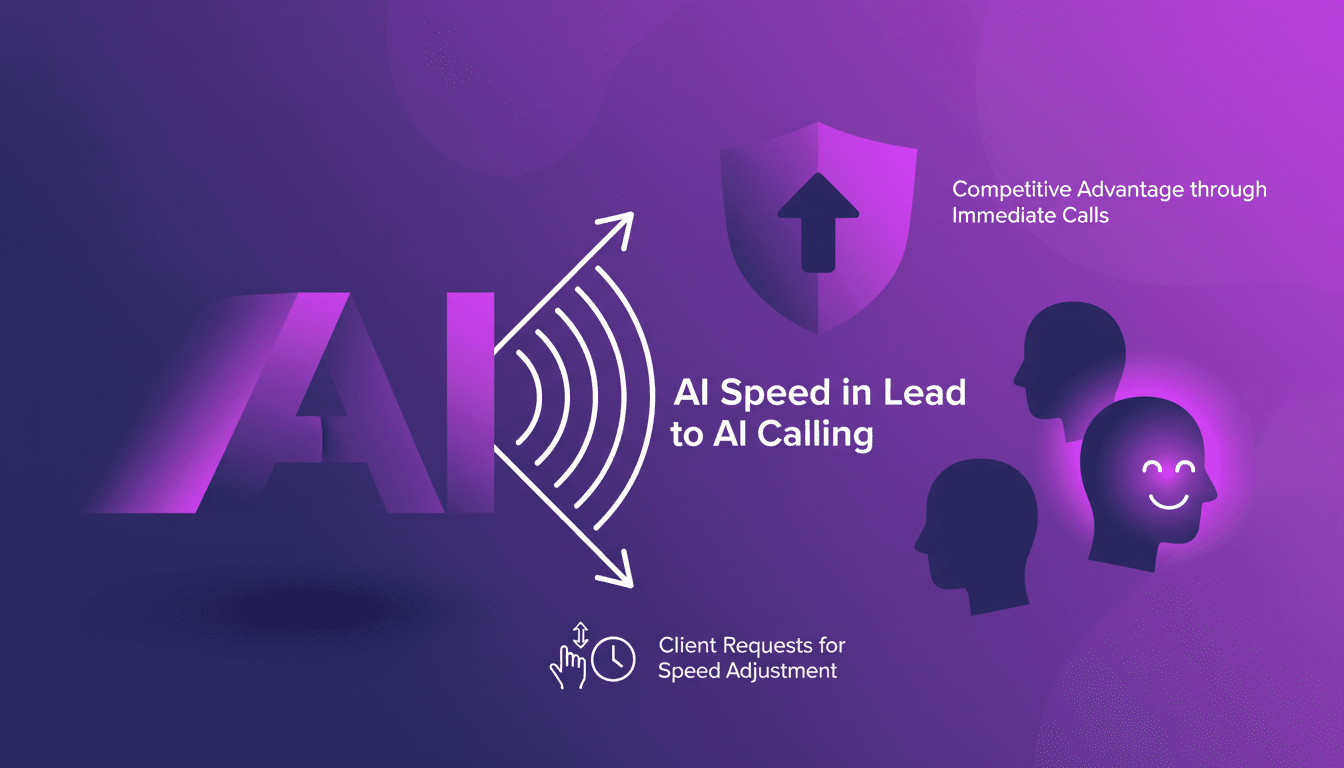
AI Lead Calls in 8 Seconds: Advantage or Disaster?
I remember the first time I set up an AI to call leads. It was a game changer—calls made in 8 seconds flat. But not everyone was thrilled. The catch? Speed isn't always the hero in sales. In a world where responsiveness is key, AI promises to revolutionize lead engagement. However, this rapidity can also backfire. As a practitioner, I've found that clients often want to tweak this speed to better match their specific needs. Let's dive into the world of AI calls: the competitive edge, client reactions to blistering speed, and how to balance responsiveness with client satisfaction.
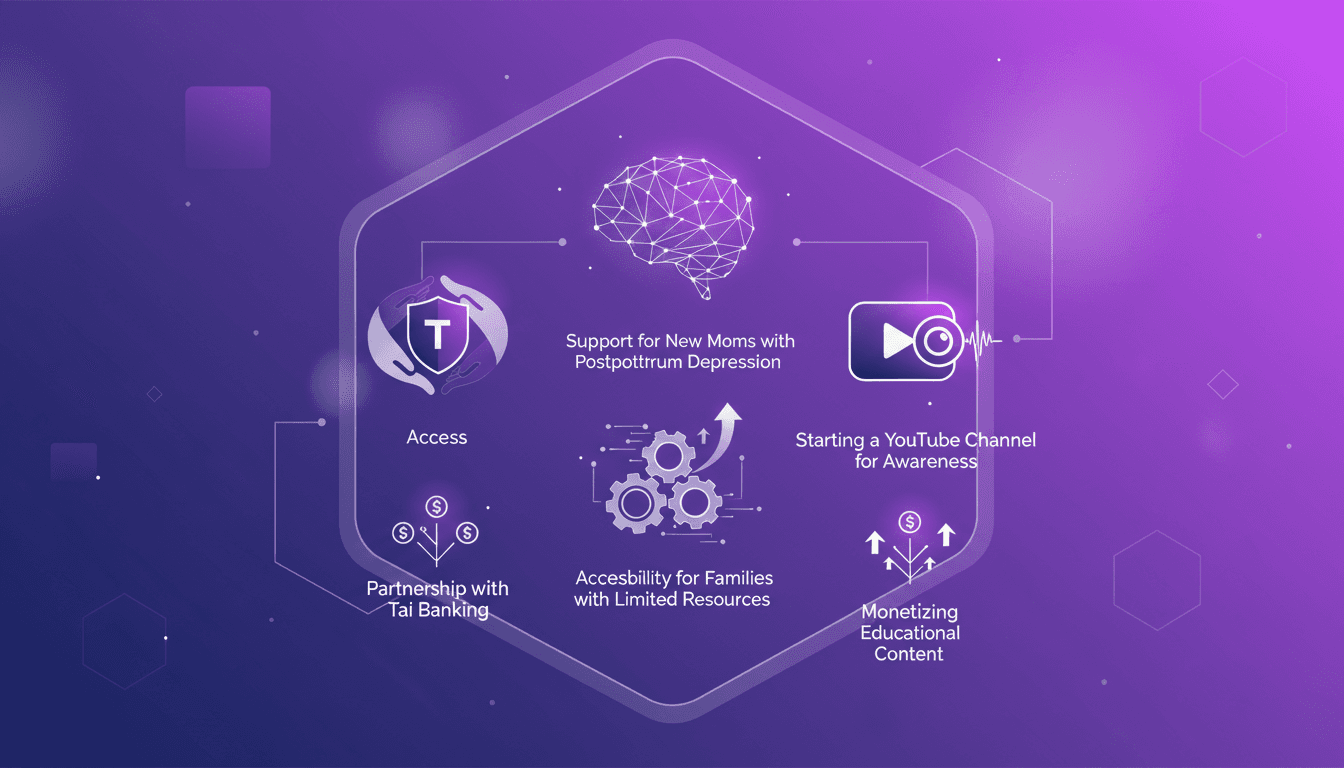
Supporting New Moms: Postpartum and YouTube
I remember the first time I met a new mom struggling with postpartum depression. It was a wake-up call—I couldn't just stand by. So, I took action, using my skills to create educational content on YouTube. It's not just about making videos; it's about reaching families who often don't have the resources they need. By partnering with Tai Banking, we've even figured out how to monetize this content so that every pound spent goes back into supporting more moms. It's a real game changer for me, but also a challenge not to be underestimated—every step matters, from creation to distribution.