Investing in Backpacks: ROI and Financial Hurdles
I remember standing there with just a backpack idea and $3,000. I knew this could be huge, but turning it into a million-dollar business? That was a journey full of lessons on investment, cash flow, and marketing. This article takes you through the practical steps and challenges I faced while launching a product promising a 456% return on investment. From securing financial backing to managing cash flow and creating product hype, here’s how I orchestrated it all.

I vividly remember starting with just a backpack idea and $3,000 to my name. I had this gut feeling it could become something big, but turning it into a million-dollar business? Little did I know the journey would be filled with so many lessons about investment, cash flow management, and marketing. First, I needed to persuade investors to secure the financial backing I required. With just $3,000, it was clear I had to hustle hard to reach the $20k needed to level up. I even delivered food on the side to make ends meet while building hype around my product. It was a delicate balance between generating buzz and managing cash flow. I got burned more than once, but each mistake taught me something valuable. This article reveals how I orchestrated everything, from the initial idea to the product's market availability.
From Idea to Initial Investment
I started with a simple idea and an initial investment of $3,000 for an innovative backpack. This amount, though modest, was crucial to turning a mere concept into a tangible reality. The importance of initial capital in product development is often underestimated, but I can tell you it's the first step towards success.
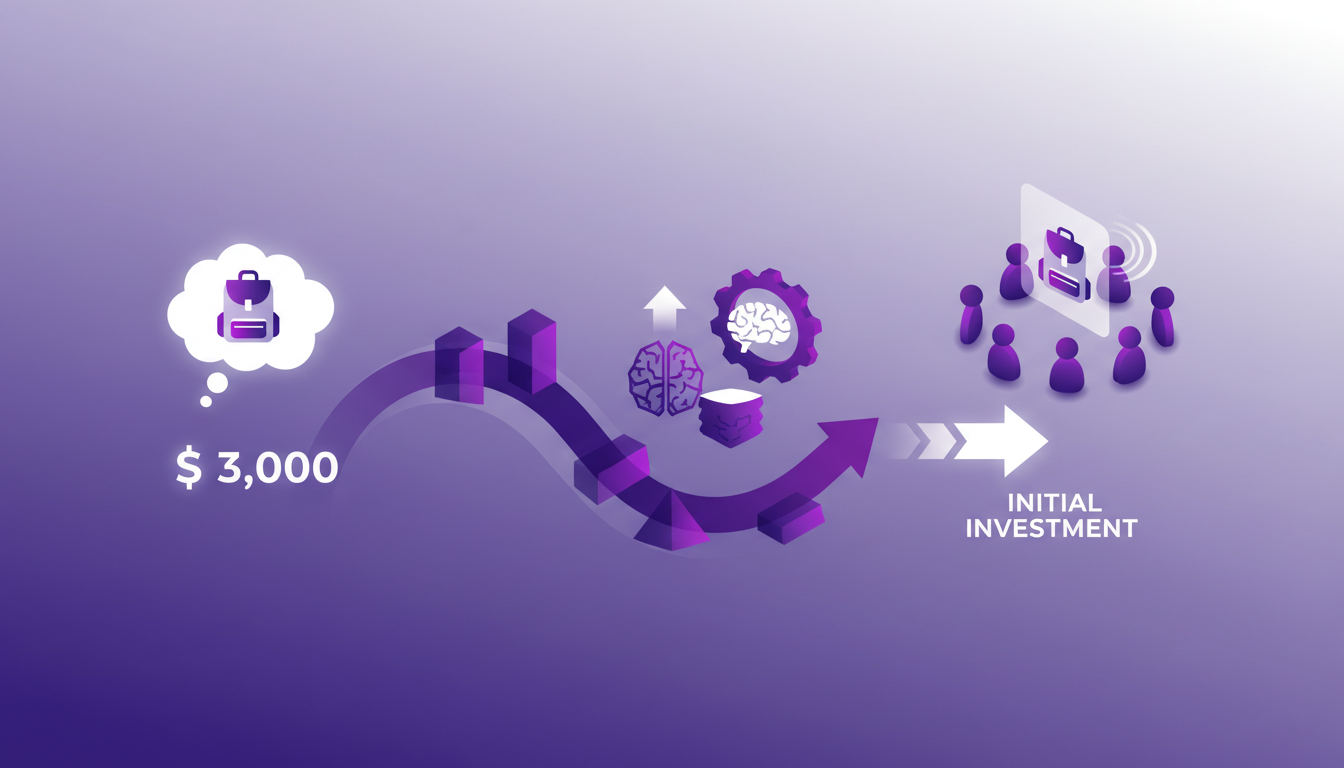
Convincing investors is no easy task. You need a clear vision and a solid business plan to secure the necessary funds. I learned that the key is to communicate your product's value and potential effectively. I also discovered that exposure, like signing up to newsletters or modeling products, can play a role in building credibility.
"Convincing investors requires a clear vision and a solid business plan."
Achieving a 456% ROI: The Strategy
A return on investment of 456% might sound incredible, but it's the result of a well-orchestrated strategy. To achieve this, it took strategic decisions that maximized the return on investment (ROI). First, I identified market opportunities and took calculated risks to seize them.
Timing is crucial in any investment. Thorough market research allowed me to hit the right moment for the product launch, which significantly boosted our ROI. I also ensured to balance risk and reward, a lesson learned the hard way but one that paid off.
Navigating Financial Challenges
The path to success is never without obstacles. We needed $20,000 to pay the factory and launch production. Cash flow management became crucial. To keep the business afloat, I had to find creative ways to raise additional funds.
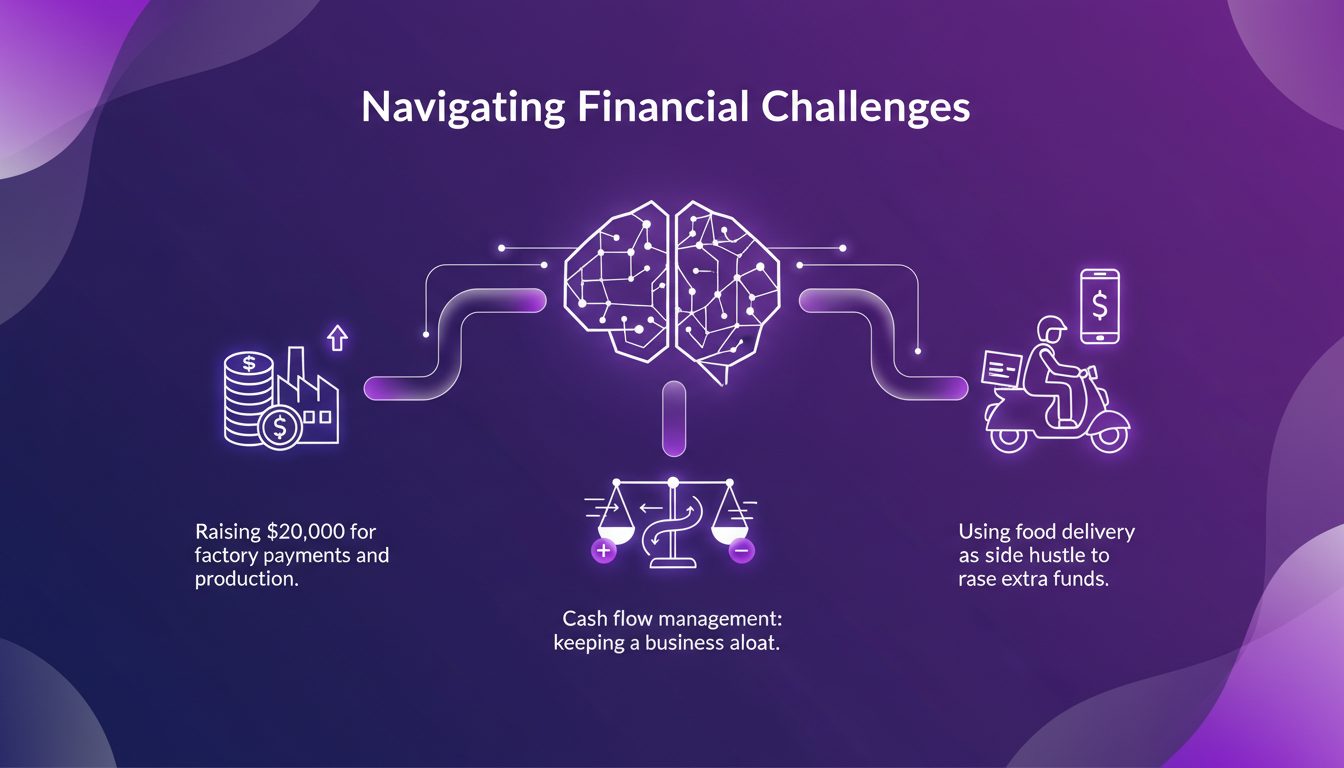
I even took on food delivery as a side hustle to raise the necessary funds. This experience taught me about prioritizing expenses and managing limited resources. Every dollar counts, especially during financial strain.
"Cash flow management became crucial to keeping the business afloat."
Building Hype and Marketing the Product
Creating buzz around our product was essential to increasing its visibility. Participating in events was an effective way to promote the backpack. I implemented effective marketing strategies for the product launch.

It's important not to succumb to hype. Creating realistic expectations while leveraging testimonials and social proof is a delicate but necessary balance. I learned that good marketing is not just about the product itself, but also about how it is perceived by the audience.
Product Launch and Availability
Launch day is always a time of great excitement but also stress. By carefully coordinating the logistics, I ensured the product's availability met demand. However, as with any project, challenges arise.
I had to learn from these challenges and iterate based on customer feedback. Every feedback is an opportunity for improvement, and that's how you build a resilient business. The lessons learned from this experience were invaluable.
"Every customer feedback is an opportunity for improvement."
Turning a simple backpack idea into a million-dollar business wasn't a walk in the park. I needed strategic investment, effective cash flow management, and smart marketing. Here's what I learned:
- Initial Investment: With just $3,000, I got started, and the return on investment was 456%. But remember, every dollar counts and must be planned.
- Cash Flow Management: Entering a business means managing finances. Every decision should consider long-term financial impacts.
- Smart Marketing: Don't underestimate the power of getting your product known. Marketing is what helped me push to the next level.
Looking ahead, I'm convinced that understanding your market, securing the right investment, and wisely managing resources are the keys to any product idea.
Ready to take your idea to the next level? Watch the full video for more insights: YouTube link
Frequently Asked Questions

Thibault Le Balier
Co-fondateur & CTO
Coming from the tech startup ecosystem, Thibault has developed expertise in AI solution architecture that he now puts at the service of large companies (Atos, BNP Paribas, beta.gouv). He works on two axes: mastering AI deployments (local LLMs, MCP security) and optimizing inference costs (offloading, compression, token management).
Related Articles
Discover more articles on similar topics
Freeing Mom: Planning Her Retirement
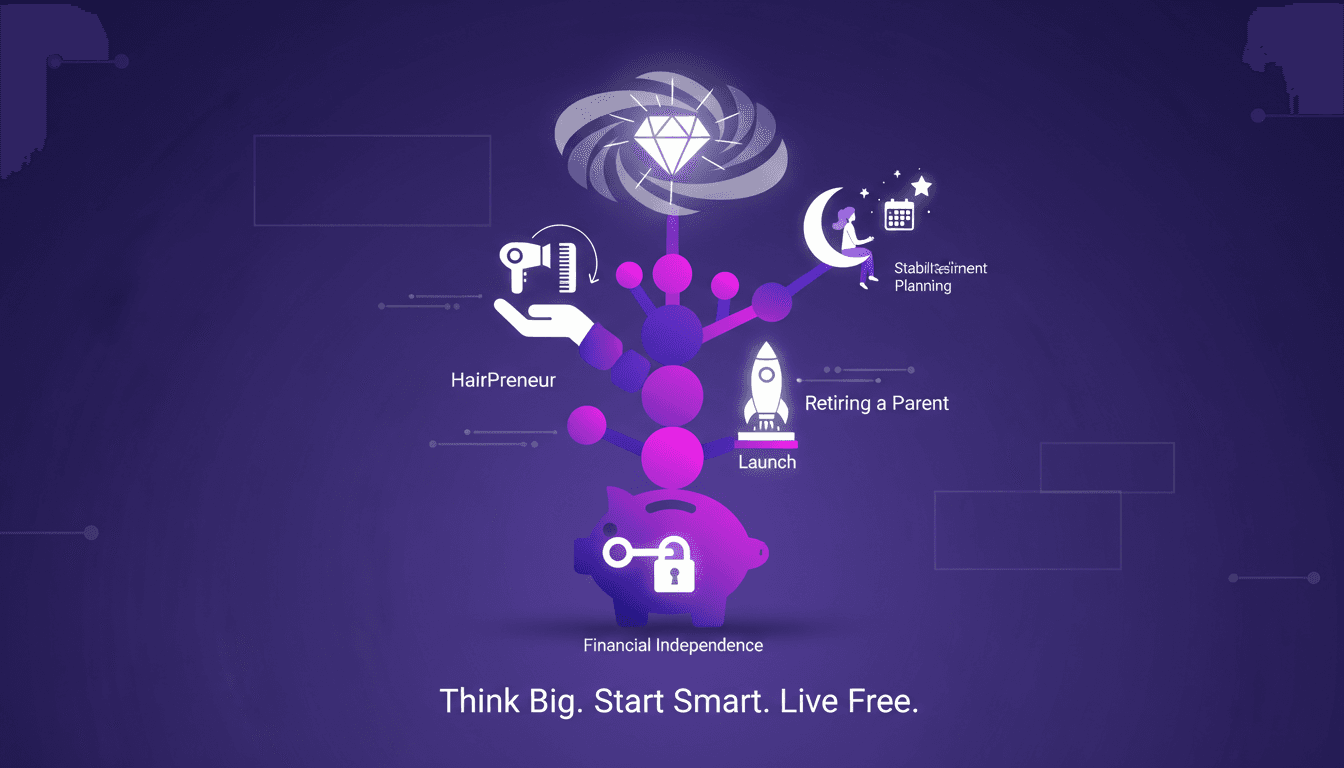
I've always wanted to give my mom the freedom she deserves. So, I embarked on a journey to make that happen by planning her retirement through financial independence. By leveraging the hair industry as a business opportunity, I found that the key is strategic planning and entrepreneurial thinking. In this article, I share how I tackled the challenge, from launching products to ensuring retirement stability. Retiring a parent isn't just a dream; it's a goal that's achievable with the right approach.
Building Entrepreneur Spaces: My Journey
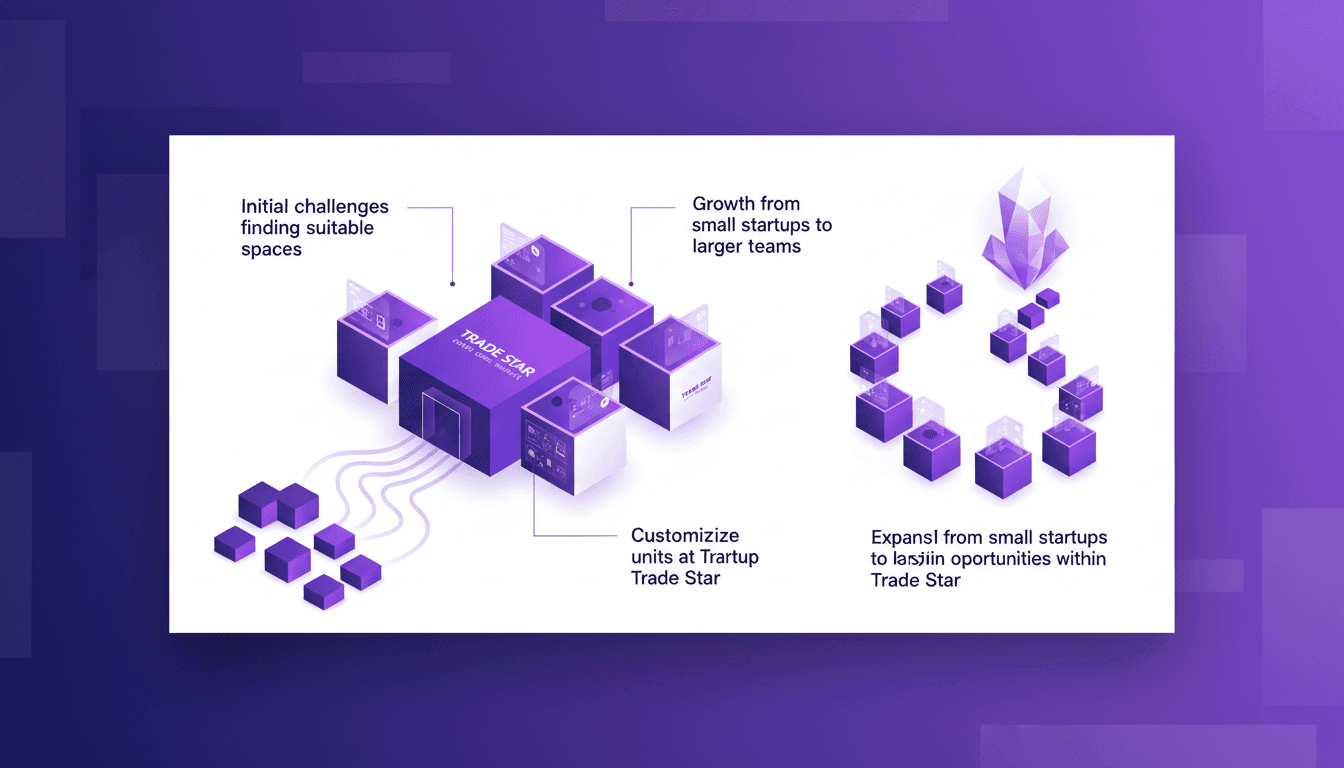
I remember the day I realized there just weren't enough spaces for startups like mine. So, I decided to build Trade Star, a place entrepreneurs can call home. With customizable units, Trade Star grows with your evolving needs. Start small? No problem, you can expand to accommodate a 30-person team. It's a real game changer. But watch out, the journey isn't without its challenges. I had to juggle designing spaces and managing operational demands. Let me walk you through how I overcame these hurdles and turned Trade Star into a growth hub for startups.
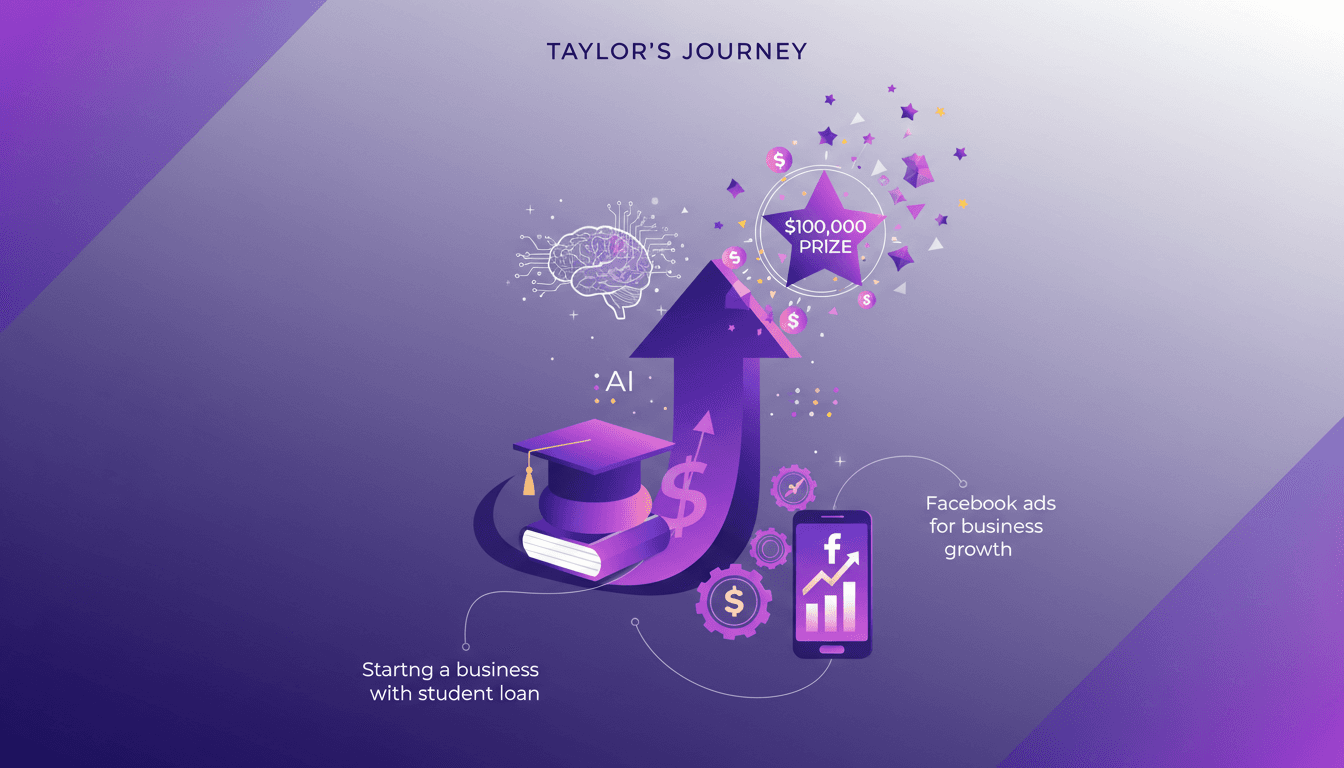
Starting Business with Student Loans | 100K Prize
I remember the exact moment I decided to turn my student loan into a launchpad for my business. It felt risky, but sometimes you have to bet on yourself. Taylor's story is a masterclass in entrepreneurial courage. He leveraged his student loan to enter a $100,000 competition and banked on Facebook ads to boost growth. If you've ever thought about turning a gamble into a reality, his journey offers a valuable roadmap. Let me walk you through how he navigated this path and what he learned along the way.

Building Reusable Rockets: Challenges and Wins
When I first thought about building reusable rockets, I was starting from zero. No roadmap, no precedent—just a belief that it could change the game. Back then, nobody was tackling it, the industry wasn't even trying. But I knew it was something worth pushing for. So we took that crazy idea and turned it into reality. Of course, it wasn't without challenges. Starting a space company isn't child's play, especially when you're one of the first to believe that reusing rockets is possible. I'll walk you through how we tackled these obstacles, from the initial conviction to the crucial entrepreneurial decisions. It's a story of perseverance, innovation, and believing in ideas that, on paper, seemed impossible.
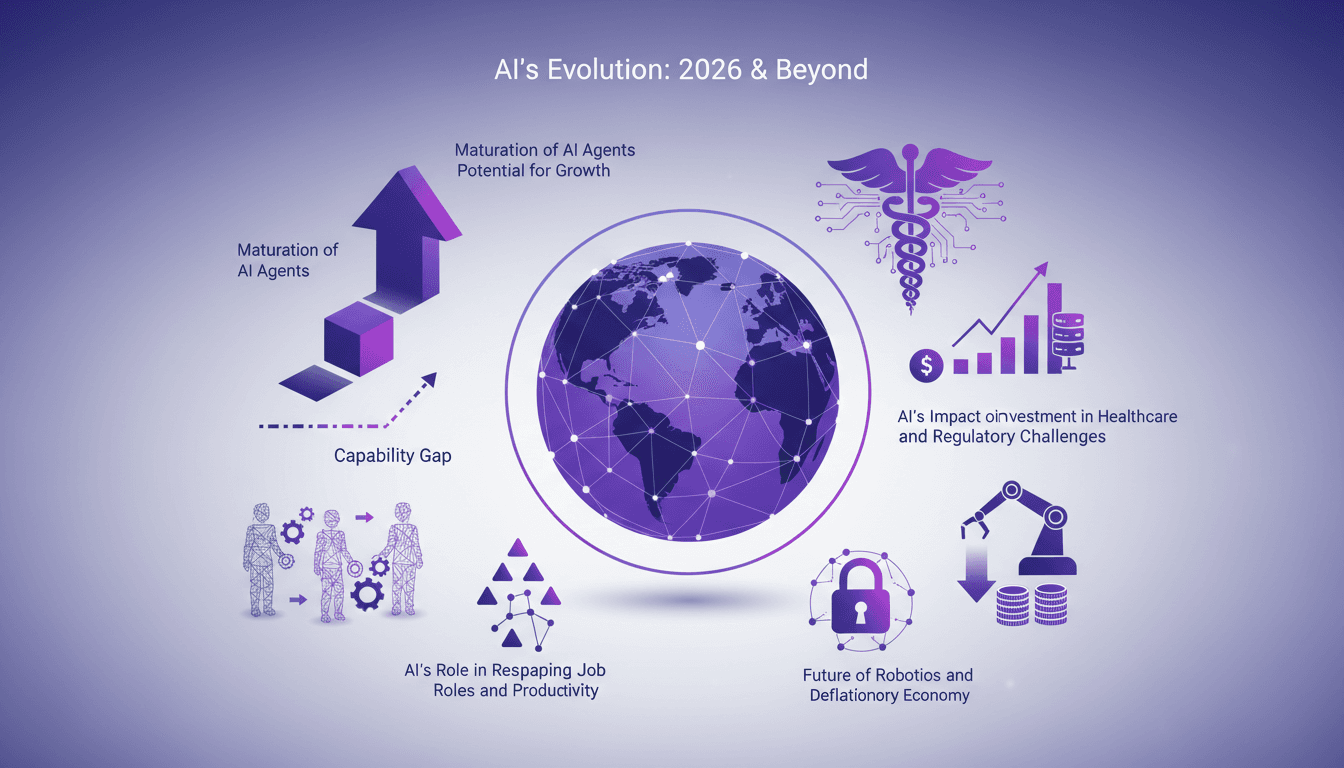
Maturing AI Agents and Systems by 2026
I've watched AI grow from simple scripts to complex systems, often finding myself orchestrating solutions with agents that, let's be honest, sometimes fell short. But we're talking about 2026 now, and I can sense something big is brewing. Multi-agent systems are getting refined, impacting real-world sectors like healthcare and startups. We have to discuss OpenAI's massive investments in compute power and the regulatory challenges ahead. As a builder, I see opportunities for us, especially for startups looking to carve out a spot in this rapidly evolving ecosystem. Buckle up, because AI agents are coming with a punch that will redefine productivity and job roles.