Leveraging AI for Human Customer Experiences
I've been in the trenches, trying to align brand messages with what customers actually experience. It's no easy task, especially when 91% of people see a gap. So, how do we bridge it? In this article, I walk you through how I tackled this, drawing on global research and my own missteps. We dive into the gap between communication and customer experience, core components of strong brands, the role of AI, and balancing privacy with personalization. It's a bumpy ride, but the impact is direct when done right.
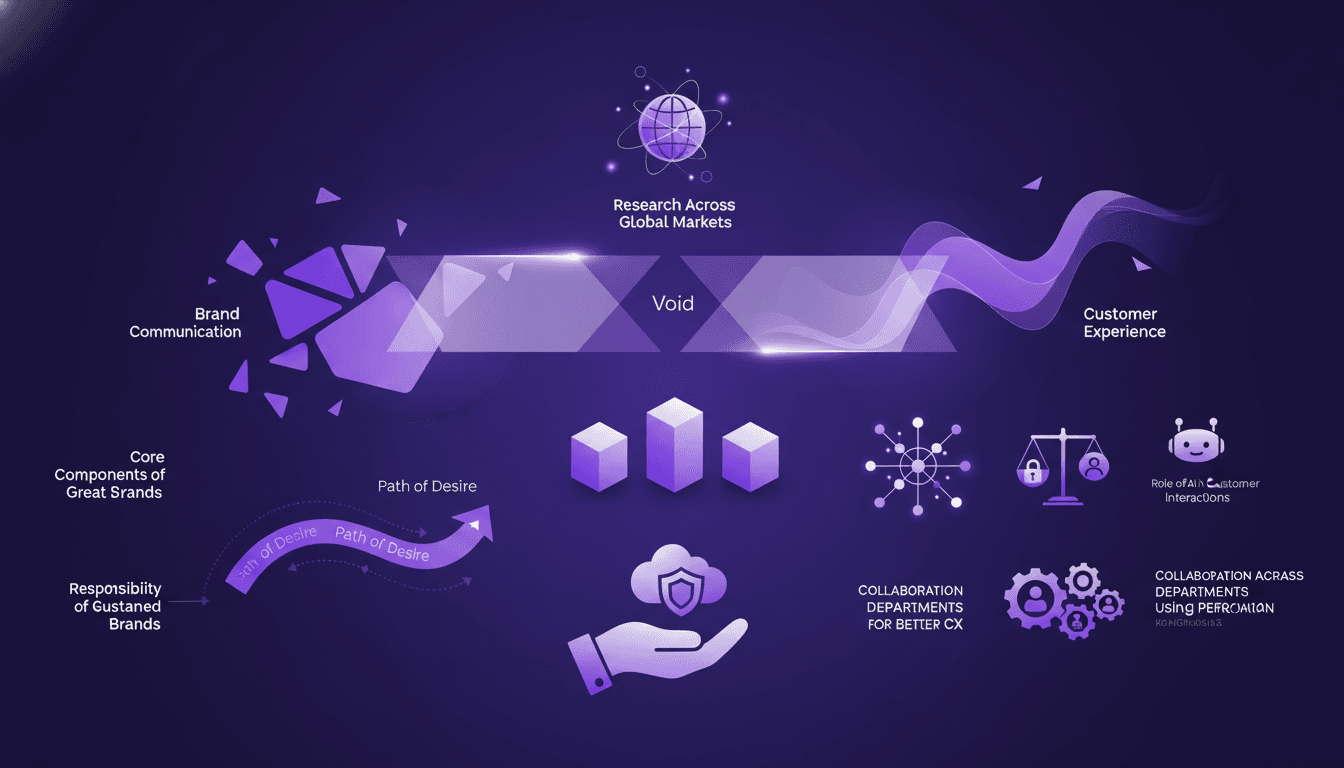
I've been in the trenches, trying to align brand messages with what customers actually experience. It's a tough gig—91% of people see a gap. So, how do we bridge it? Let me walk you through how I tackled this, pulling insights from research across eight global markets and my own missteps. We're diving into the core components of great sustained brands, the role of AI in customer interactions, and the delicate balance between privacy and personalization. I connect teams, guide strategies, but most importantly, I make sure the customer experience lives up to the hype. And trust me, while it's demanding, it's totally worth it. So, let's dive into the nitty-gritty and see how brands can truly make a difference.
Understanding the Customer Experience Gap
Let's face it, the gap between brand promises and actual customer experiences is huge. Over 91% of customers feel this disconnect, and it's no surprise. Global research across eight markets, involving tens of thousands of people, underscores this issue. The great brands that endure have three core components: consistency in messaging, authenticity, and engagement.
To identify and address these gaps in your own brand, start with a brutally honest self-assessment. Evaluate how well your promises align with the customer experiences you deliver. Then, adapt your communication to reflect what you can truly deliver. This is business survival 101. When I tackled this in my agency, I had to revamp internal processes, align teams, and, most importantly, listen attentively to our customers.
- Assess your current communication strategy.
- Ensure your promises are deliverable.
- Continuously adapt offerings based on customer feedback.
Mapping the Customer Journey: The 'Path of Desire'
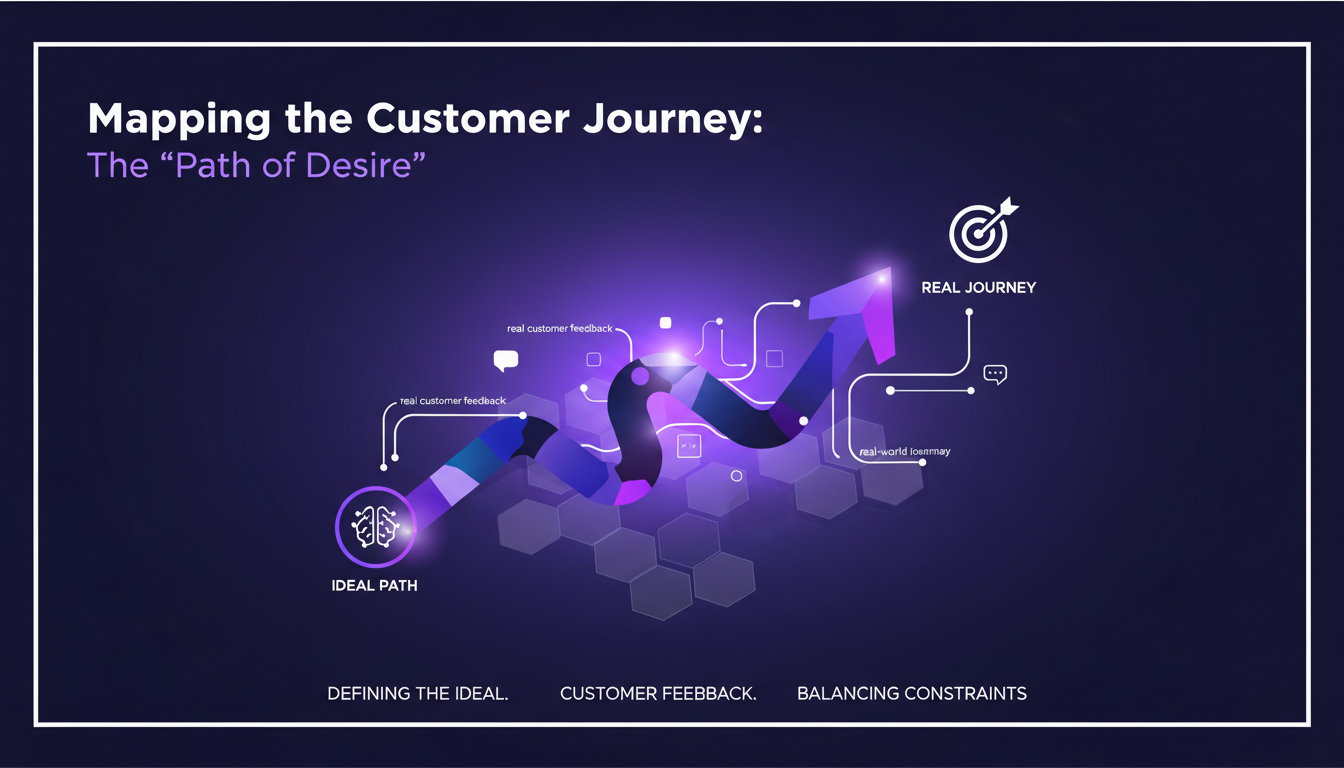
The 'path of desire' is essentially the holy grail of the ideal customer journey. But remember, theory alone won't cut it. I mapped this journey using real customer feedback. It's about understanding what customers truly want, not what we think they want. Balancing real-world constraints with this ideal is key.
For this, I employed various tools, from live surveys to behavioral analytics. But beware of over-analyzing. Sometimes, a simple conversation with a customer can reveal more than a data dashboard. Here's how I orchestrate this process: first, I gather qualitative data, then cross-reference it with quantitative insights to fine-tune our approach.
- Regularly survey customers for genuine feedback.
- Use visual tools to map the customer journey.
- Don't force customers down a pre-set path.
AI in Customer Interactions: Maintaining the Human Touch
AI can revolutionize customer interactions, but there's a trap: losing the human touch. I've experimented with AI applications that worked well, and others that failed miserably. For instance, a chatbot can speed up customer service, but if the conversation becomes too robotic, trust and customer engagement suffer.
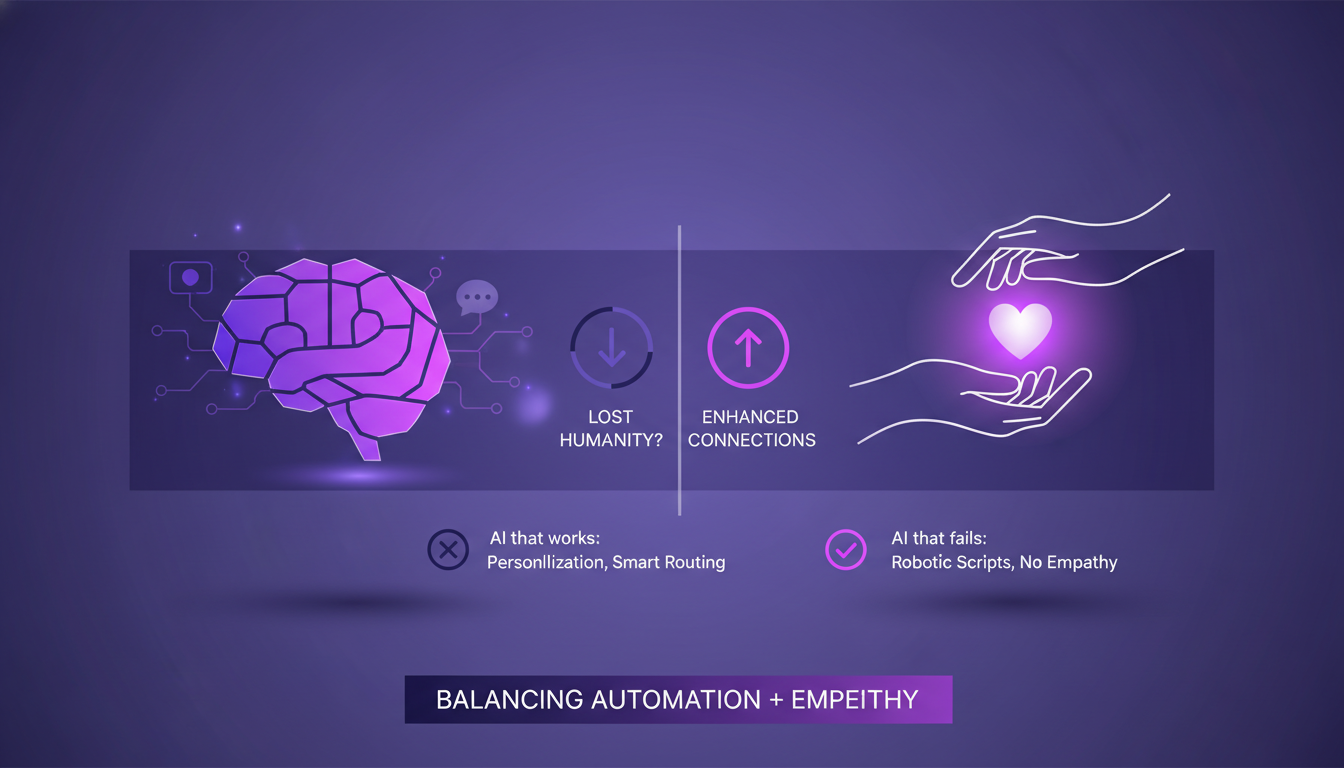
Finding the balance between efficiency and personalization is crucial. Here's a concrete example: in one project, we used AI to handle simple queries, freeing up agents for more complex interactions. This improved customer satisfaction while reducing operational costs. But watch out, don't overuse automation at the risk of dehumanizing the experience.
- Use AI for repetitive tasks, but keep complex interactions human.
- Pay attention to customer feedback to adjust automation levels.
- Ensure AI reflects your brand's values.
Balancing Privacy and Personalization
Customers want personalization, but not at the expense of their privacy. It's a delicate balance I've learned to manage in my projects. Using personal data to enhance customer experiences is fine, but it must be done transparently and respectfully.
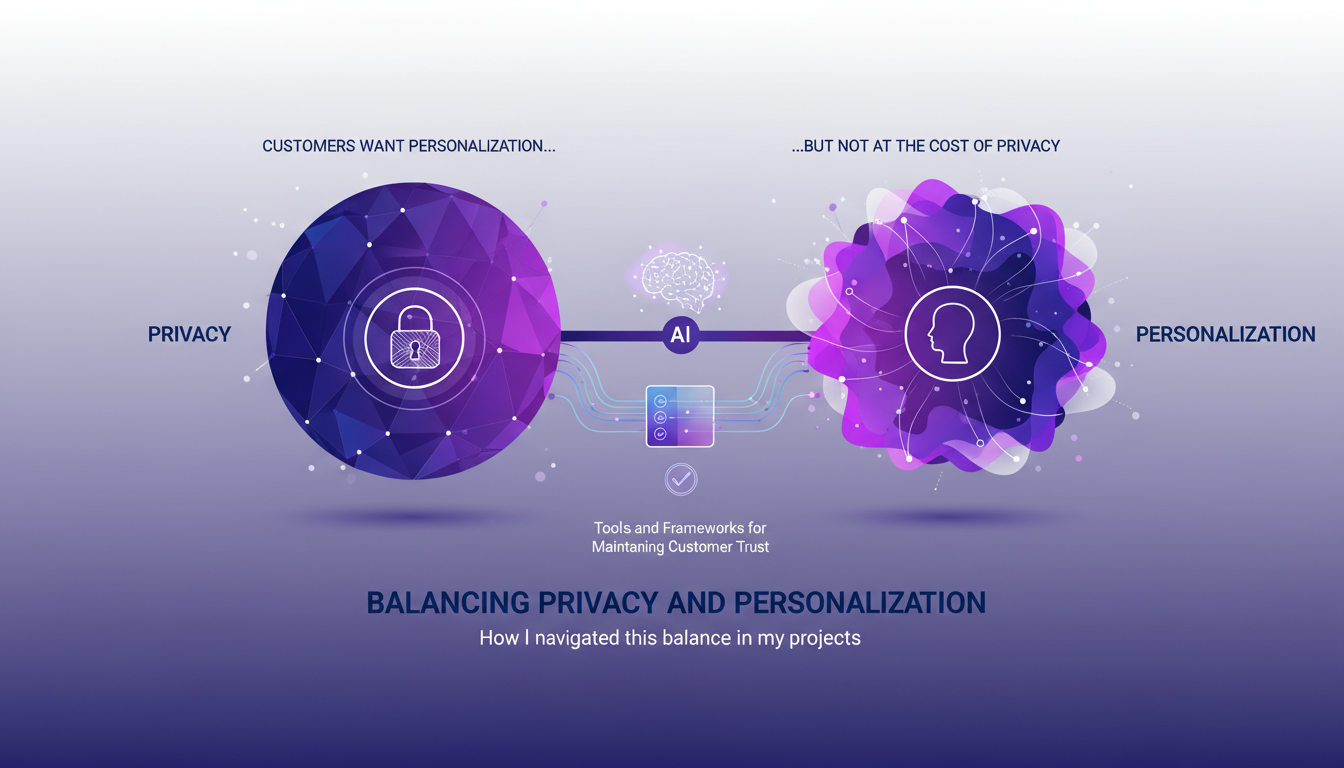
I've employed specific frameworks and tools to maintain customer trust, like clear data usage policies and easy opt-out options. A common mistake is assuming customers don't care about how their data is used. Wrong. Transparency is key to building trust.
- Establish clear privacy policies.
- Give customers control over their data.
- Use data to add value, not just for the sake of collection.
Cross-Department Collaboration for Improved CX
Customer experience (CX) isn't just a marketing issue. It's a collective effort involving the entire organization. In my projects, breaking down silos between departments was crucial to enhancing customer satisfaction. This had a direct impact on customer loyalty and brand reputation.
To achieve this, I set up regular meetings between marketing, product, and technology teams. This was crucial for aligning our objectives and sharing key insights. Collaboration tools, like project management platforms, were essential for ensuring smooth and effective communication.
- Organize regular cross-team meetings to align objectives.
- Use project management tools to facilitate collaboration.
- Share data and insights across departments for a holistic view.
Creating customer experiences that truly align with brand promises isn't easy, but it's absolutely doable. First, I pinpoint where the customer journey is falling short. Then, I leverage AI thoughtfully—keeping the human touch intact. Balancing privacy with personalization is crucial; don't let one overshadow the other. And remember, I make collaboration a priority—this isn't a solo project, it's a team effort.
Key takeaways:
- Over 91% of people see a significant gap between their experiences and brand promises.
- We've looked across eight global markets and talked to tens of thousands of people.
Looking forward, AI tools, used wisely, can be a real game changer. But watch out, they should complement, not replace the human touch.
Ready to transform your customer experience? Start mapping your 'path of desire' and see where AI can add value without losing the human touch. Dive deeper into the original video for more insights: @HavasCreativeNetwork.
Frequently Asked Questions

Thibault Le Balier
Co-fondateur & CTO
Coming from the tech startup ecosystem, Thibault has developed expertise in AI solution architecture that he now puts at the service of large companies (Atos, BNP Paribas, beta.gouv). He works on two axes: mastering AI deployments (local LLMs, MCP security) and optimizing inference costs (offloading, compression, token management).
Related Articles
Discover more articles on similar topics
Evolving Hospitality: Data and Personalization
I dove into the world of hospitality data with Marriott, where 250 million Bonvoy members aren't just numbers—they're the heart of a personalized experience. I connected the dots between data, brand partners, and privacy challenges to redefine hospitality. With Riot Media at the helm, we're turning personalization, targeted advertising, and cultural relevance into new industry standards. But watch out, compliance and customer consent are critical. The challenges of connecting multi-platform experiences shouldn't be underestimated. Here's how we navigate this exciting evolution.
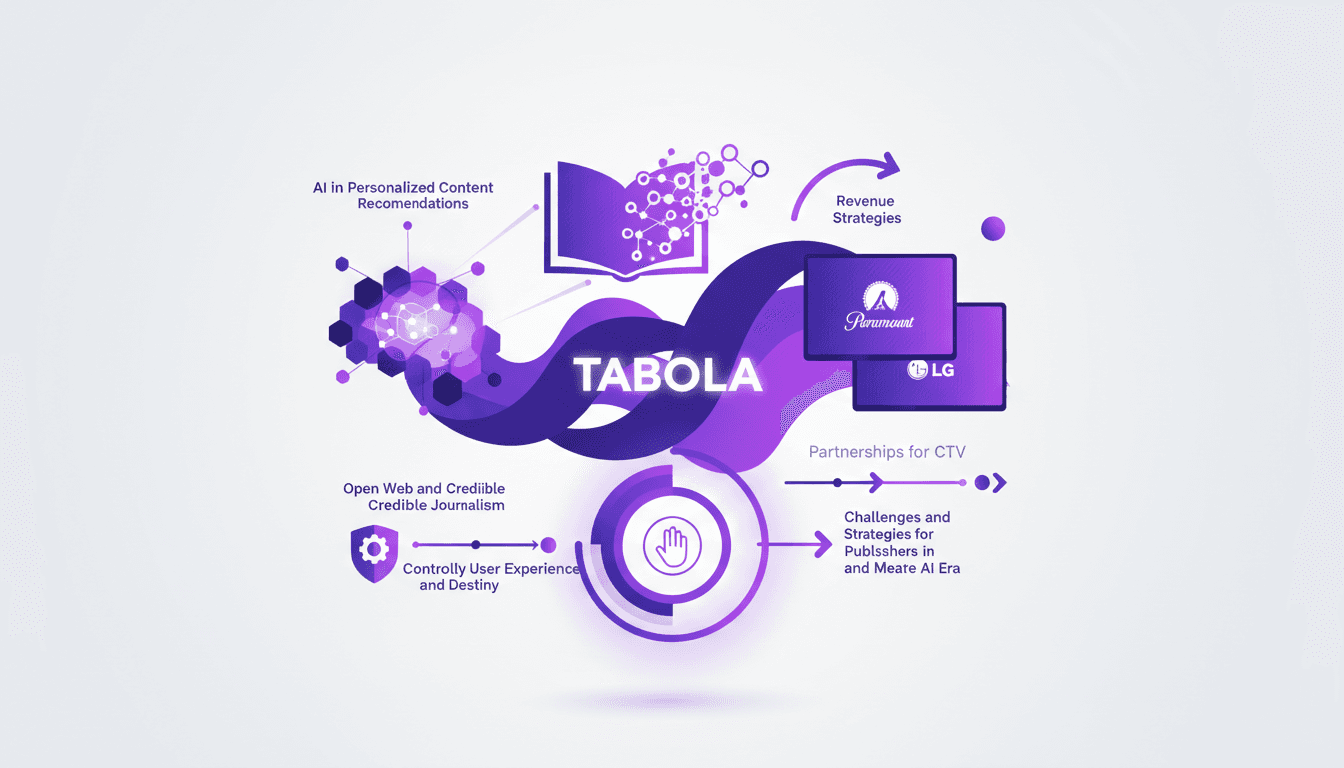
Taboola's CTV Move: Redefining Performance Advertising
I remember the first time I realized just how powerful AI could be in advertising. It was like flipping a switch—everything clicked. That's exactly what Taboola is doing with CTV and performance marketing. They're not just playing the game; they're setting the rules. With over 600 million interactions daily, Taboola aims to become the fourth pillar in performance advertising. Their strategy? Harnessing AI to tailor content and leveraging partnerships with media giants like Paramount and LG. Let's dive into how they're orchestrating this shift and what it means for the industry.

Autodesk Fusion: Transforming Design with AI
I remember the first time I used Autodesk Fusion at CES 2026. The buzz around AI and design was palpable, and I was right in the middle of it. Autodesk is reshaping the future of design and manufacturing with AI, integrating solutions that enhance creativity while ensuring sustainability. It's not just about tech; it's about transforming workflows. We're talking trust and transparency in AI, consumer expectations for authenticity, and seamless experiences. Autodesk Fusion is more than just a tool, it's a catalyst for innovation. You're about to see how all of this will orchestrate in our daily design practices.
LG's CES 2026 Innovations: Connected Home
I remember standing in awe at CES 2026, gazing at LG's thinnest OLED TV. It's not just about tech specs—it's about how these innovations revolutionize our daily lives. LG isn't just innovating; they're reshaping our experience in the connected home. I connect the dots between human-centered solutions and AI integration in consumer electronics. Let's explore how LG is shaping the future with personalized experiences and advanced screen technologies. Dive in with me to see this transformation unfold.
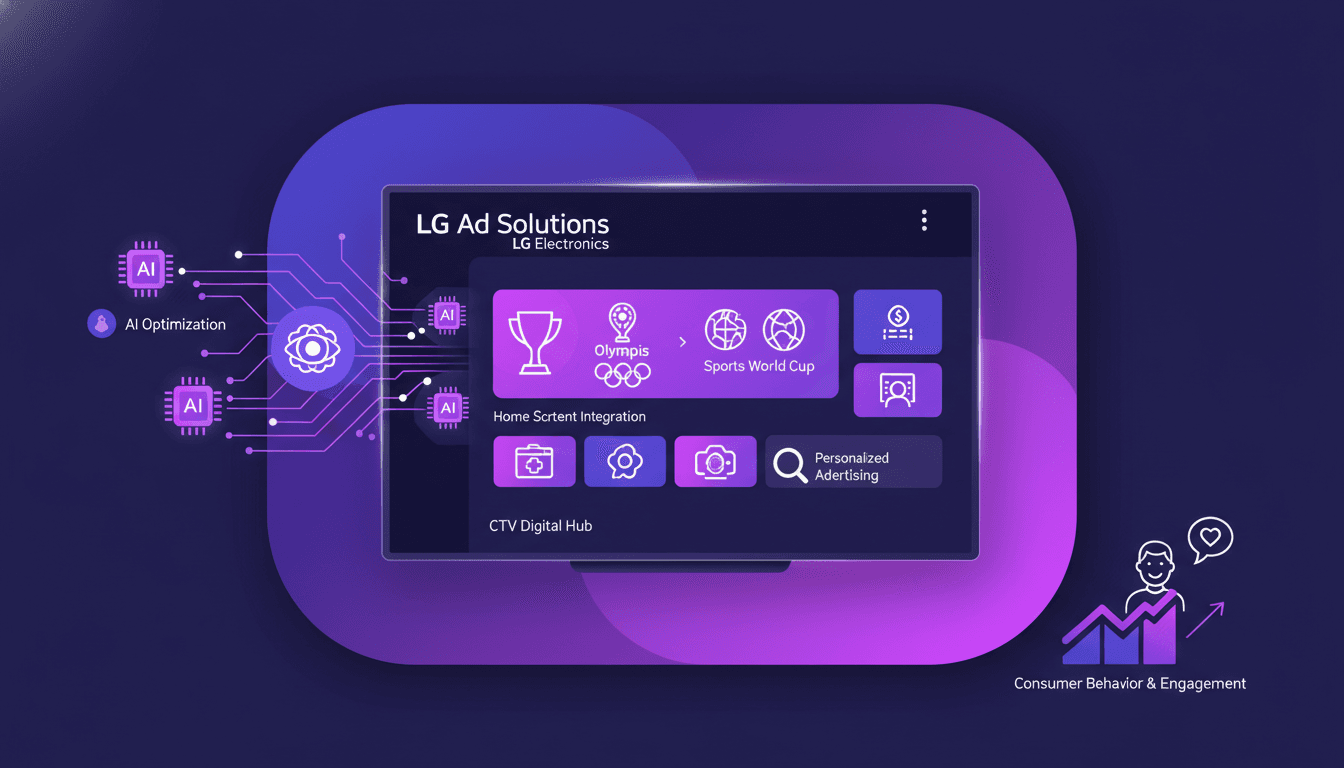
Optimizing CTV Ads with AI: LG's Insights
I've been knee-deep in the ad trenches, testing how AI and CTV are shaking up the playbook. With LG Ad Solutions leading the charge, we're talking about optimizing ad placements on smart TVs. AI is turning home screens into premium ad spaces, and it's a real game changer. Did you know 71% of people are willing to learn more about a product after seeing it on the home screen? We also dive into integrating sports content, personalizing ads, and how events like the Olympics and World Cup are rewriting CTV strategies.