Being the Cheapest Makes You Lose
I've been knee-deep in real estate sales long enough to know one thing: being the cheapest isn't your ticket to success. I've watched clients walk away for cheaper deals, only to come back. Why? Because the right price is the one that delivers real value. This article dives into the strategies that will help you retain clients and boost sales. We'll cover retention, effective communication, and truly understanding and meeting client needs. Stick with me, and you'll see that consistency in your sales philosophy is the key.

I've been in the real estate sales trenches long enough to see one thing clearly: being the cheapest option isn't your ticket to success. I've had clients choose cheaper alternatives, only to return when they realized the lower price didn't deliver the value they needed. That's where I come in. It's not about slashing prices indiscriminately, but about showcasing the real value you bring. I'm going to walk you through how to retain your clients by demonstrating that value, how to optimize your pricing strategy to remain competitive without being the lowest, and how to prioritize client needs to keep them coming back. Consistency in your sales approach is crucial, and I'll show you how it can transform your outcomes. We'll talk communication, strategy, and everything I've learned from the field.
Understanding Client Retention
In business, especially in real estate, client retention is an art form. I've witnessed countless times when clients, after opting for a cheaper option, end up coming back to us. It's not uncommon: they're initially drawn by price, but quickly realize that perceived value is more important than just an initial saving.
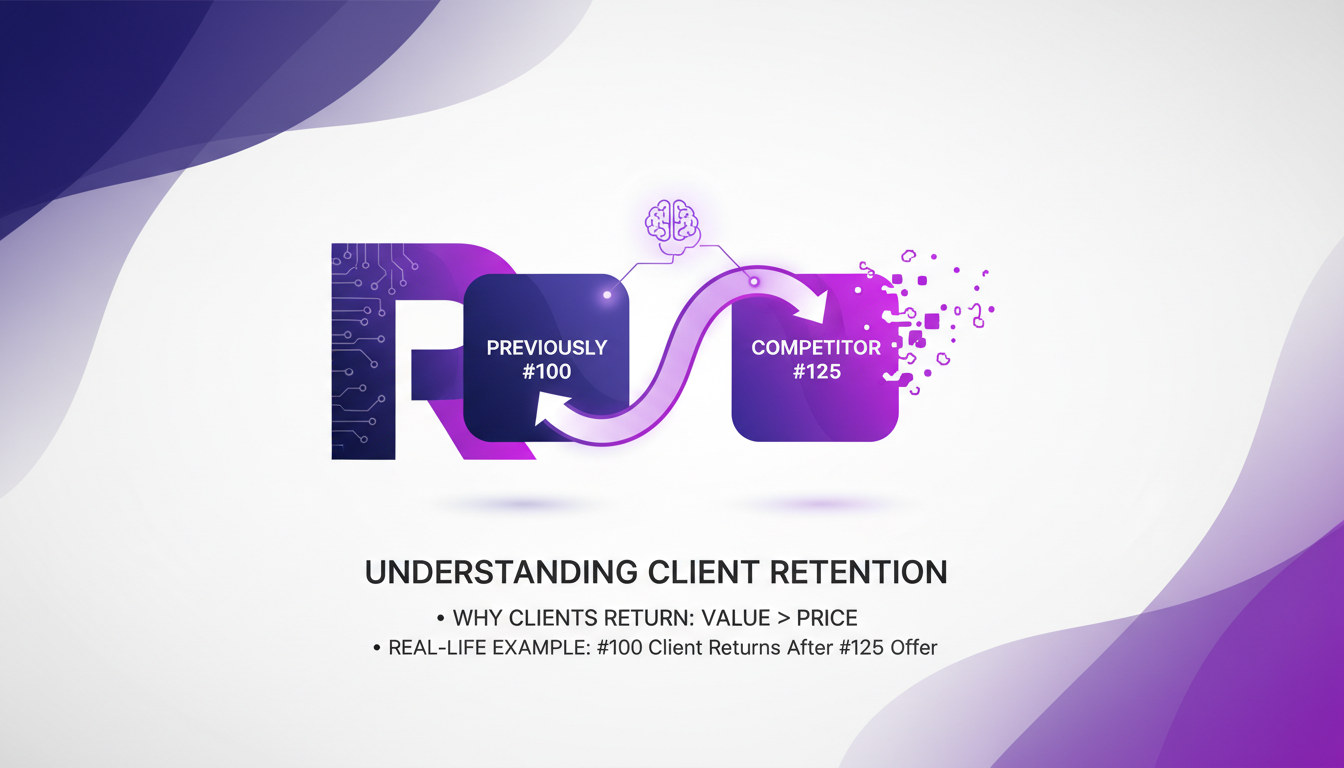
I recall a client who initially agreed to sell their house for 100. However, after receiving another offer at 125, they decided to take a chance elsewhere. Eventually, they came back to me because the higher offer didn't pan out as expected. This kind of situation highlights the importance of value perception in client decisions.
- Clients often seek more than just price: they want value and reliability.
- Maintaining open communication even after a client chooses a competitor is crucial.
Mastering Competitive Pricing in Real Estate
Pricing strategy is an art in real estate, and wholesaling is a prime example. In this practice, properties are bought to be quickly resold, often at a slightly higher price. This is where the distinction between competitive pricing and undercutting is crucial. I learned the hard way that offering too low a price can devalue your service.
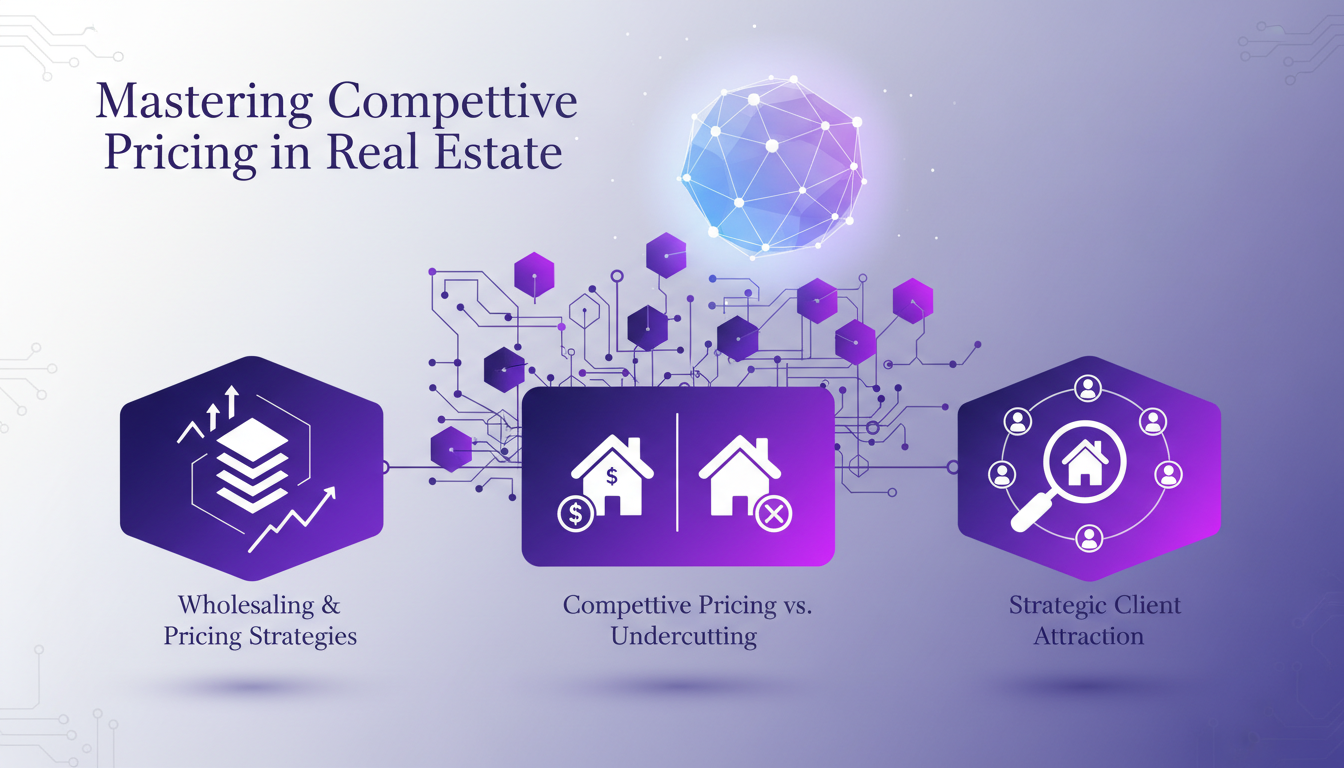
On March 30th, I had a call that changed my perspective on pricing. The client was looking for an option that didn't just beat the price but also added value. And that's when I realized that competitive pricing doesn't necessarily mean the lowest price. It's a balancing act.
- Competitive pricing: attract clients by enhancing your offer.
- Don't confuse undercutting with healthy competition.
Effective Communication with Clients
Communication is the cornerstone of any successful client relationship. I've often found that follow-up after initial contact can make all the difference. There was a time when I followed up with a client who had declined my initial offer, and ultimately, it was this follow-up that led them to change their mind.
It's crucial to understand client priorities and address them directly. This builds trust and shows that you are attentive to their needs.
- Ensure regular and personalized follow-up with your clients.
- Listen actively to understand and address client priorities.
Prioritizing Client Needs in Sales
In the real world, clients don't settle for price alone. They are looking for a solution that meets their specific needs. I've learned that it's vital to identify and prioritize these needs rather than just focusing on price. This leads to more satisfying sales and loyal clients.

For instance, during a real estate transaction, I aligned my offer not only on price but also on timelines and payment facilities, based on the client's priorities. The result? A closed sale and a satisfied client.
- Identify what your clients truly value.
- Balance these needs with your business goals.
Consistency in Sales Philosophy and Systems
A consistent sales approach is essential for success. I've learned from experience that consistency in your sales philosophy and systems can greatly improve your outcomes. However, inconsistent tactics can quickly damage your credibility.
I've adopted a system that keeps me on track, and the results are clear: my sales have improved because my clients know what to expect from me.
- Maintain a consistent sales approach.
- Use systems to support your sales strategy.
To learn more about how AI can boost client retention and conversion rates, check out this article.
In sales, it's not about being the cheapest; it's about delivering the right value. I've found that focusing on client retention is a game changer. Here's what I've learned:
- Client Retention: Invest in long-term relationships. It pays off, like buying at 100 and selling at 125, but over the long haul.
- Pricing Strategies: Master your pricing to reflect not just the market, but the perceived client value. Don't get caught in the discount race.
- Consistent Communication: Stay close to your clients, even post-sale. Calling on March 30th for a follow-up can make all the difference.
Looking forward, these strategies aren't just tactics; they transform how we do business. Ready to see your client retention soar? Start implementing these strategies today. For a deeper dive, I highly recommend watching the original video. It's like having a chat with an experienced colleague sharing their tricks. YouTube link
Frequently Asked Questions

Thibault Le Balier
Co-fondateur & CTO
Coming from the tech startup ecosystem, Thibault has developed expertise in AI solution architecture that he now puts at the service of large companies (Atos, BNP Paribas, beta.gouv). He works on two axes: mastering AI deployments (local LLMs, MCP security) and optimizing inference costs (offloading, compression, token management).
Related Articles
Discover more articles on similar topics

How AI Booked $1.2M: My Revenue Journey
I was pretty skeptical at first. But when AI booked $1.2 million in revenue for us, I knew we hit on something big. This isn't just about automating tasks; it's about transforming our sales approach. AI in appointment scheduling has redefined efficiency and effectiveness in sales processes. Imagine thousands of closings in just a few weeks, with revenue pouring in. In this article, I'll take you behind the scenes of this digital revolution, sharing client success stories and objection-proof strategies. Don't get lost in the buzz; dive into the concrete.
Focus on Strengths: Winning Strategies
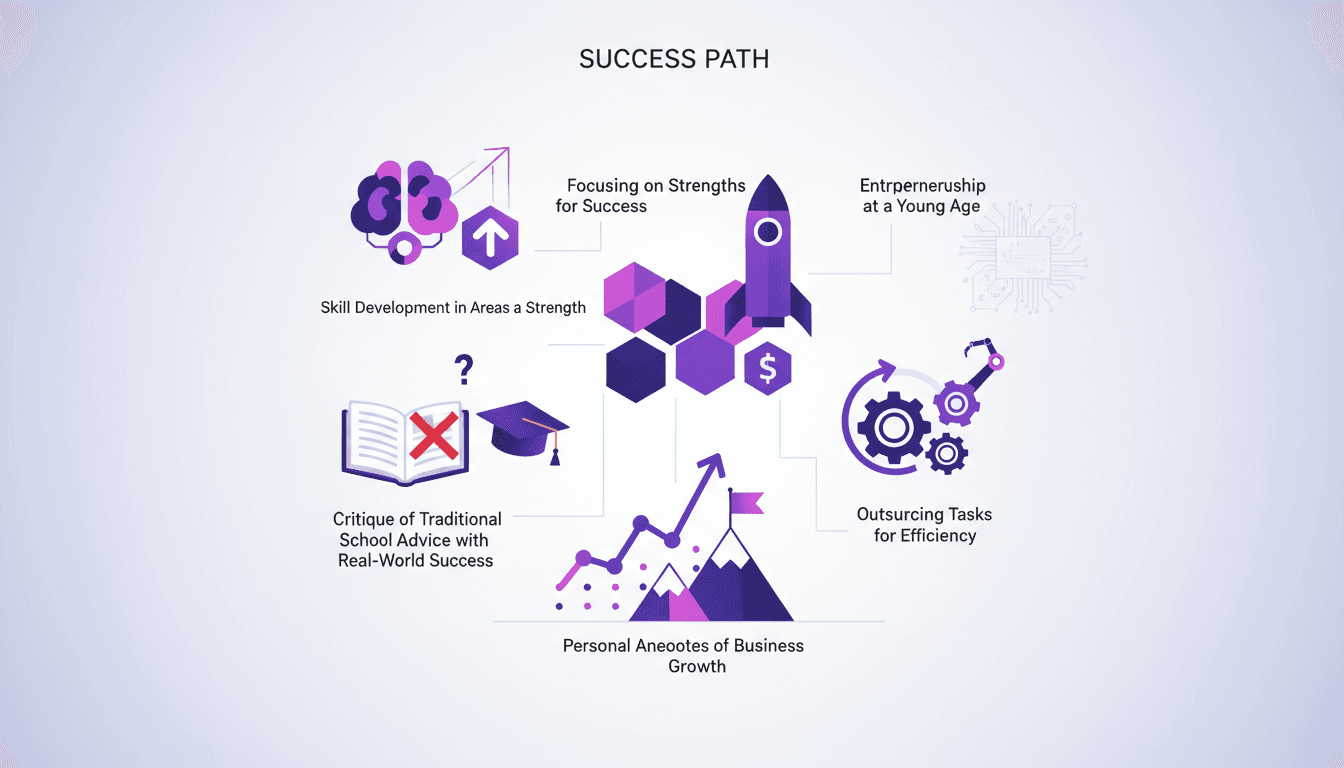
At 15, I launched my first company. While school focused on what I lacked, I chose to hone what I excelled at. This mindset shift was a game changer. In the real world, leveraging your strengths can redefine your path. I'll show you how embracing entrepreneurship and outsourcing can skyrocket your efficiency. You'll learn to develop skills where they truly matter, and why traditional school advice might actually hold you back.

Raise Fitness Rates: Sustainable Pricing Strategy
I started with a dream to become rich and famous, but not just for myself. I wanted my success to help others too. By rethinking my pricing strategy for fitness services, I discovered how sustainable pricing can fund bigger dreams, like launching a fitness business school. I began with a £50 hourly rate, but by intelligently adjusting my rates, I aimed for $100 per session – a real game changer. In this article, I explain how these strategic choices allowed me to grow my business while creating social impact. Don’t get burned by pricing that doesn’t support your vision. I share my experience to help you avoid the same mistakes and build a sustainable business.
AI in Sales: Replacing the Sales Rep
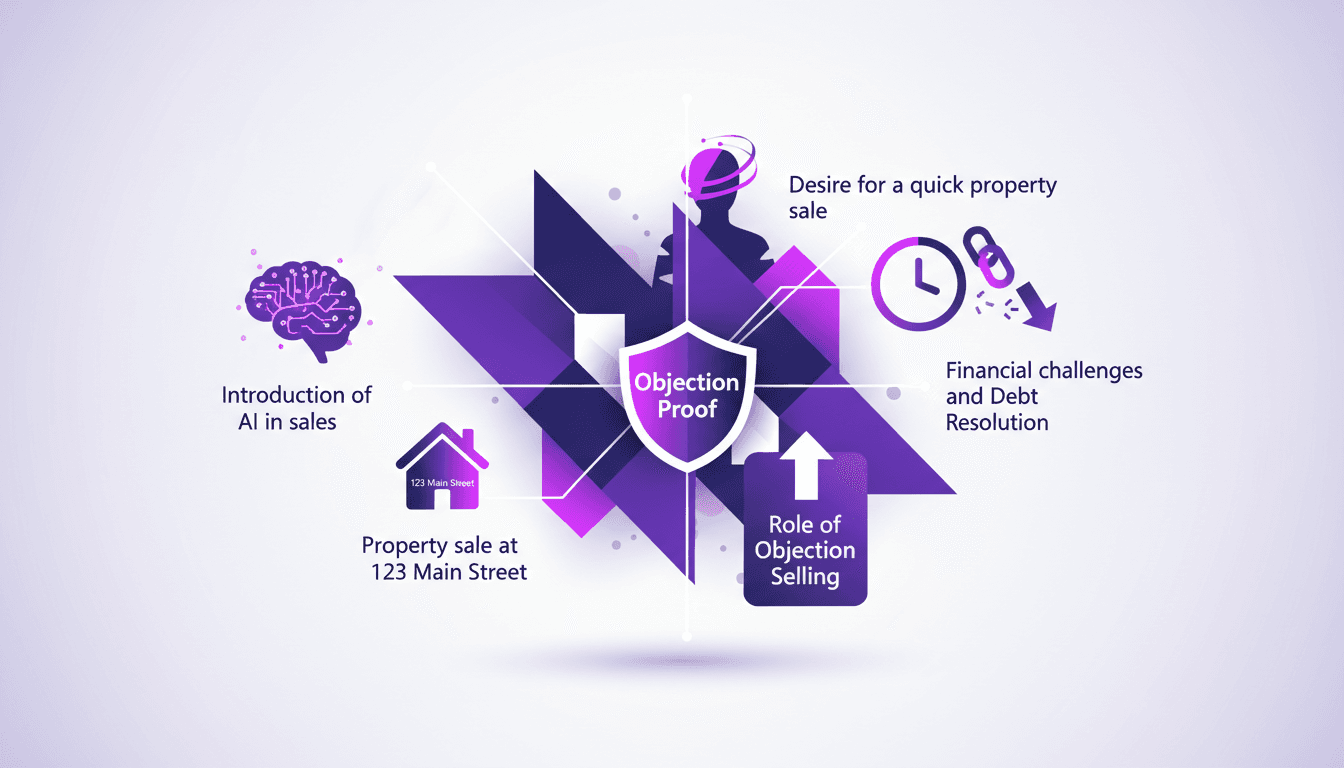
I've been in the real estate game long enough to spot a true game changer when it comes along. Initially, when I integrated AI into my sales process, I was skeptical. But let me tell you, it's not just hype. This AI caller didn't just assist; it replaced a sales rep and sold a property at 123 Main Street faster than I thought possible. In a real estate world where efficiency and speed are everything, AI is no longer just a theory; it's a reality that's changing the game. Let's explore how AI is redefining property sales, tackling financial hurdles, and what it means for us in the field.
Financial Stability: Strategies in Hair Business
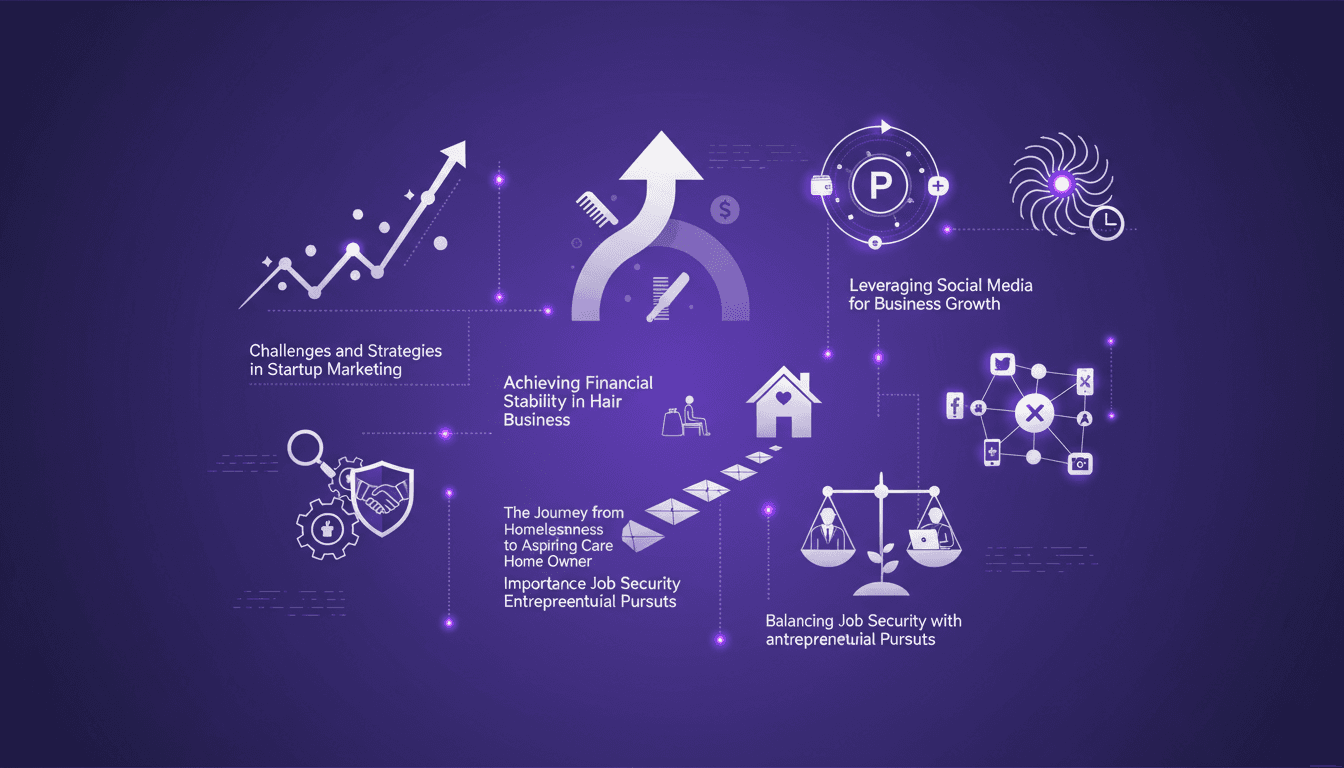
I started with nothing but a dream and a pair of scissors. Today, I'm running a profitable hair business and paving my way to opening a care home. How did I get here? Let me walk you through my journey, the tools I used, and the lessons I learned along the way. From financial instability to stability, leveraging social media strategically, this journey is filled with challenges turned into opportunities. Three years to make my hair business profitable, 30 clients acquired in 90 days... It wasn't easy, but with perseverance, strategic partnerships, and smart use of the Pinpoint Connect app, I succeeded. Let's talk about how consistency and focus make all the difference in entrepreneurial success, while balancing job security with entrepreneurial ambitions.