Sales Techniques: Reveal, Don't Convince
For the longest time, I thought convincing was the key to closing deals. I was wrong. What really works is revealing the prospect's true needs. How? By asking the right questions and letting them articulate their own desires. I shifted my approach, and the results followed. Now, I orchestrate my sales calls differently: less direct persuasion, more uncovering deep motivations. It’s like conducting a conversation where the prospect reveals themselves. Don’t underestimate the impact of this method. Next time, before diving into a sales pitch, try uncovering what truly matters to your prospect. You might be surprised by the effectiveness of this strategy.

I got burned more than once thinking that the key to closing a deal was convincing my counterpart. Rookie mistake, I admit. What really works is revealing the hidden needs of the prospect. You know those moments when you ask the right question and suddenly, they open up about their true motivations? That’s where the magic happens. I orchestrate my sales calls differently now. I ask questions, I dig, I let the potential client express their needs before trying to sell anything. It’s not manipulation; it’s active listening. And the results? Let’s talk about it: the number of reasons a prospect mentions for working together can jump from zero to several in minutes. Next time you’re on a call, test this approach. I bet you’ll see the difference.
The Pitfalls of Convincing in Sales
Let me be upfront: trying to convince is often the fatal mistake. I've lost sales thinking I could persuade a prospect with rock-solid arguments. The reality? The more you try to convince, the more resistance you meet. It's like pushing against a wall; it just won't budge. Often, the prospect feels pressured and backs off. And there you have it, zero reasons mentioned by the prospect for working together.

I've learned the hard way that convincing doesn't help uncover true needs and motivations. Prospects shut down, stay silent, and we are left with useless arguments. I've been there, and it stings. But it's by falling that we learn to pilot differently.
Revealing Through Questions
So how do we escape this trap? We shift focus: instead of telling, we ask. Questions, especially open-ended ones, are magical. They reveal what prospects truly value. It's like opening Pandora's box but with good surprises. By asking the right questions, we avoid guessing what they want. It's a revelation.
In my calls, I use open-ended questions to guide the conversation. For instance, asking "What's important to you in this project?" can lead to surprising and useful answers. It prompts them to think deeply about their real needs, and we listen and learn.
Encouraging Prospects to Verbalize Their Needs
This is where the real work begins: creating a space where prospects feel comfortable sharing. No pressure, just attentive listening and techniques to prompt them to reflect and express themselves. When they verbalize their needs, the commitment becomes stronger. It's like a pact, but expressed.

Once, a prospect closed a deal because he articulated his reasons himself. I simply listened, and it paid off. But beware, don't rush this process. Let it unfold naturally, or you risk ruining everything.
Techniques for Effective Sales Calls
Now, let's talk preparation. Knowing the right time to ask questions and listen is crucial. It's a balance between questioning and active listening. I've transformed my approach to sales calls, and it works. I use statements to reflect and validate prospects' insights.
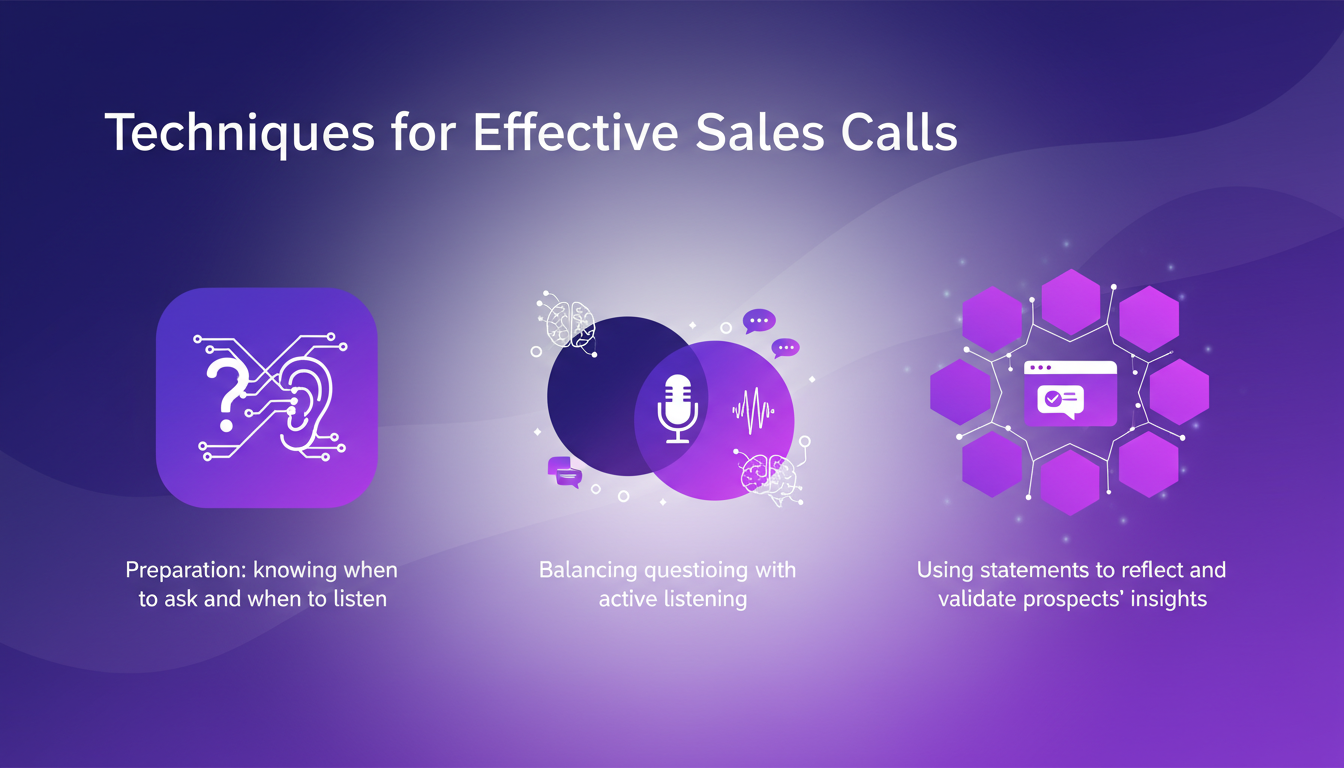
Forget the hard sell, focus on relationship building. Once, I completely reformatted my call structure from "I'm selling to you" to "I understand you," and the results were immediate.
Uncovering Natural Motivation
Finally, let's talk motivation. A prospect's true motivation often reveals itself through dialogue. You recognize when a prospect is genuinely motivated, and you adjust your pitch accordingly. But above all, don't impose motivation; let it emerge naturally.
One day, by listening to a client, I understood that he was motivated by sustainable growth, not just price. By adjusting our offer to align with his motivations, the close was almost automatic.
Remember, it's by revealing, not persuading, that we build real partnerships.
- Convincing is not effective in closing deals.
- Revealing through questions is key.
- Encouraging the expression of needs strengthens commitment.
- Effective sales calls require active listening and well-placed questions.
- Natural motivations are uncovered through dialogue.
If you want to learn more about how AI can boost your sales efforts, check out this article on using AI search to understand customer needs.
So, I realized that convincing isn't the key in sales. No, the real shift happens when you reveal through well-crafted questions. First, I genuinely listen to my prospects and encourage them to verbalize their needs. Then, I focus on asking the right questions that make them reflect and articulate why we should work together — zero reasons from my end, it's magic. Finally, I make sure I understand their responses to tailor my offer. Now, I clearly see the impact on my closing rates. It's a real game changer, but watch out, it takes patience and learning to read between the lines. Ready to transform your sales calls? Start by asking the right questions and watch your closing rates soar. I highly recommend watching the full video for a deeper dive into this approach: YouTube link.
Frequently Asked Questions

Thibault Le Balier
Co-fondateur & CTO
Coming from the tech startup ecosystem, Thibault has developed expertise in AI solution architecture that he now puts at the service of large companies (Atos, BNP Paribas, beta.gouv). He works on two axes: mastering AI deployments (local LLMs, MCP security) and optimizing inference costs (offloading, compression, token management).
Related Articles
Discover more articles on similar topics

Startup School Lands in India: Join the Event
So, I heard Startup School is finally coming to India, and I couldn't be more excited. Having gone through the YC process myself, I know the massive impact it can have. It's more than just an event—it's a golden opportunity for us Indian builders. Picture a space where you can not only learn but also connect with future Indian startup leaders. It's a one-day event on April 18th, but it could very well transform your trajectory. And with four Indian companies already backed by YC, there's plenty to get inspired by. Get ready to dive into this world of innovation and growth.

Launching a Fashion Brand: My Journey
I remember the day I decided to launch my own fashion brand. It was a mix of excitement and sheer panic. But I had to jump in. I started with pricing strategies—between $50 and $70 per item, though sometimes $150 was the sweet spot—and game-changing pop-up events. Collaborating with an established brand like 'M' was both a challenge and an opportunity. And let's not forget the impact of social media, a real growth engine. Every step was a learning curve, a careful orchestration between creativity and business. Here's how I navigated the chaos to bring my entrepreneurial dream to life.
Profitable AI Agent: Strategies and Tools
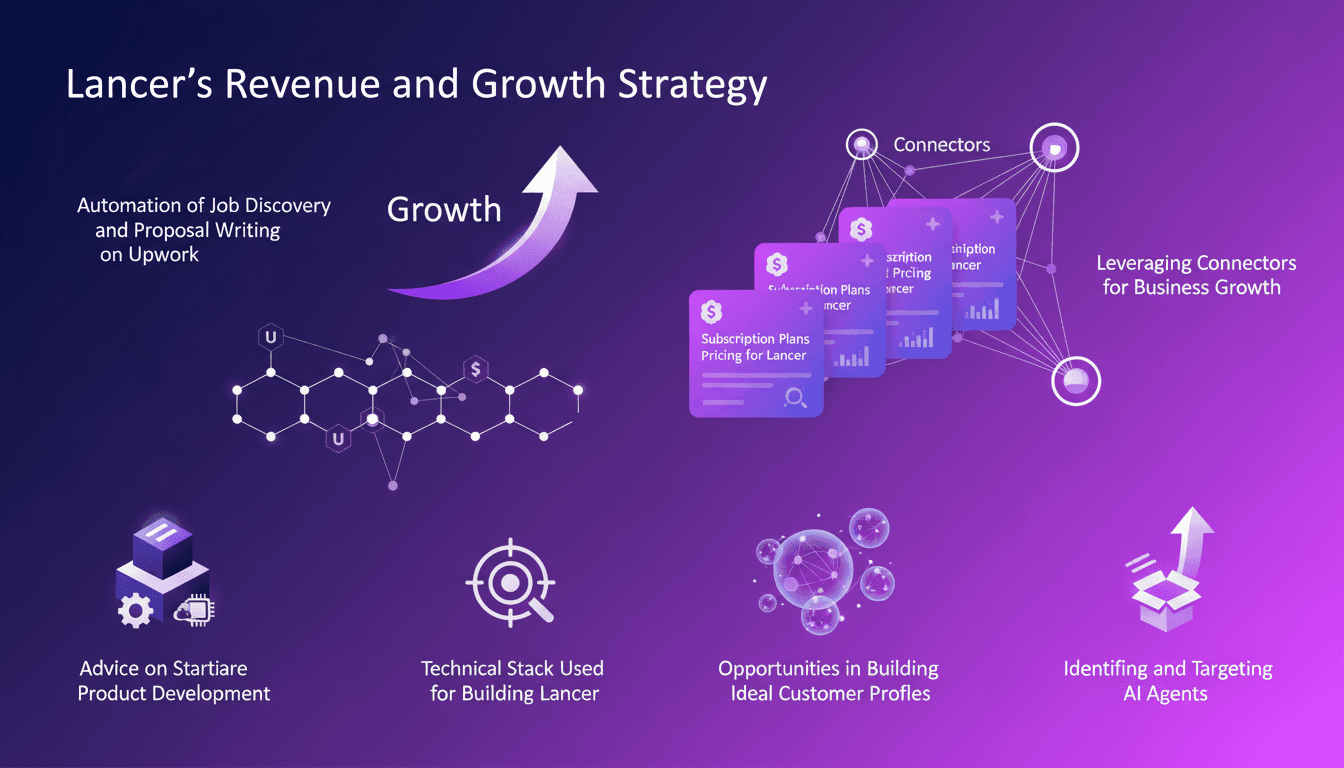
I built an AI agent that rakes in $10K a month without spending a dime on ads. Sounds crazy? Here’s how I did it. In a world where efficiency and automation are key, I developed Lancer, an AI agent that transforms how freelancers and agencies operate on platforms like Upwork. By automating job discovery and proposal writing, Lancer has revolutionized our approach. I share how I leveraged connectors for business growth, crafted subscription plans and pricing, and the opportunities I discovered in building AI agents. I'll also explain the mistakes I made, the tools I used, and how you can start your own software product development.
Miniature Art: Managing Space Efficiently
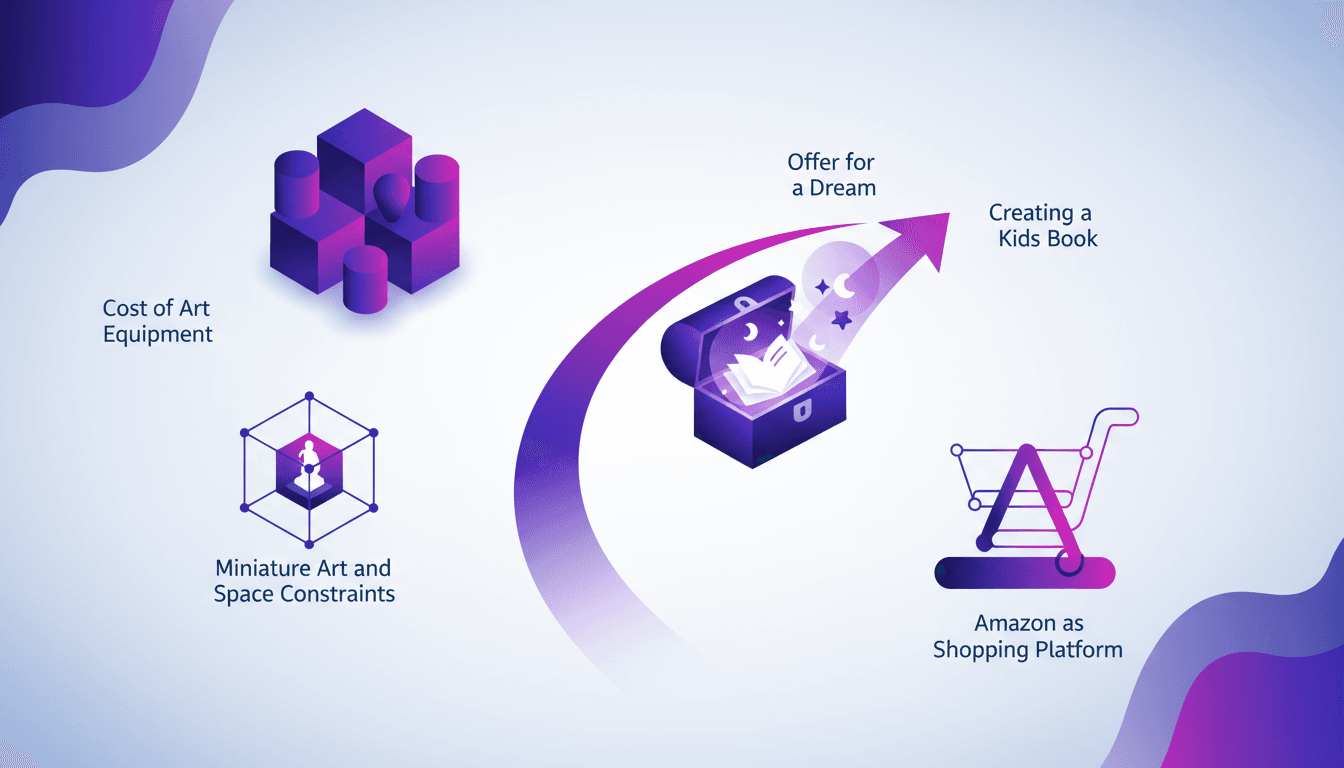
I've been there—juggling the tight constraints of miniature art while keeping costs in check. It's not just about creativity; it's about smart orchestration, from Amazon carts to dream offers. In the world of miniatures, every inch and penny counts. Let's dive into how I navigate these waters, from setting up my space to investing in equipment and even venturing into children's books.

Distributing Books for Education: How I Started
I remember the first time I held a children's book in my hand and thought, 'What if every kid in the world could have this experience?' That's where my journey began. Distributing books was my first step, but soon, the idea of founding an NGO for women's rights and educational opportunities took shape. In this live discussion, we dive into the practical steps to start educational projects by combining passion with business savvy. It's about using what you have creatively, testing the market before investing, and encouraging the younger generation to follow their dreams. Collaboration and asking for help can lead to big changes. If I can do it, so can you.