Catching Cancer Early: My Hands-On Approach
I remember the day I first connected with Billion to One. We were discussing prenatal genetic tests, and the thought hit me: 'This could be a game changer for cancer detection.' That's when it clicked. Billion to One has been shaking up the genetic testing landscape, moving from prenatal screenings to early cancer detection. How did they pull it off? What hurdles did they face in scaling up? And most importantly, what can you learn for your own projects? We dive into their journey, their technical innovations, and their strategy to capture the market. You'll see how a simple technological tweak can make all the difference, and why this startup could redefine how we anticipate and treat cancers. Get ready for some real-world insights that might just change the game.
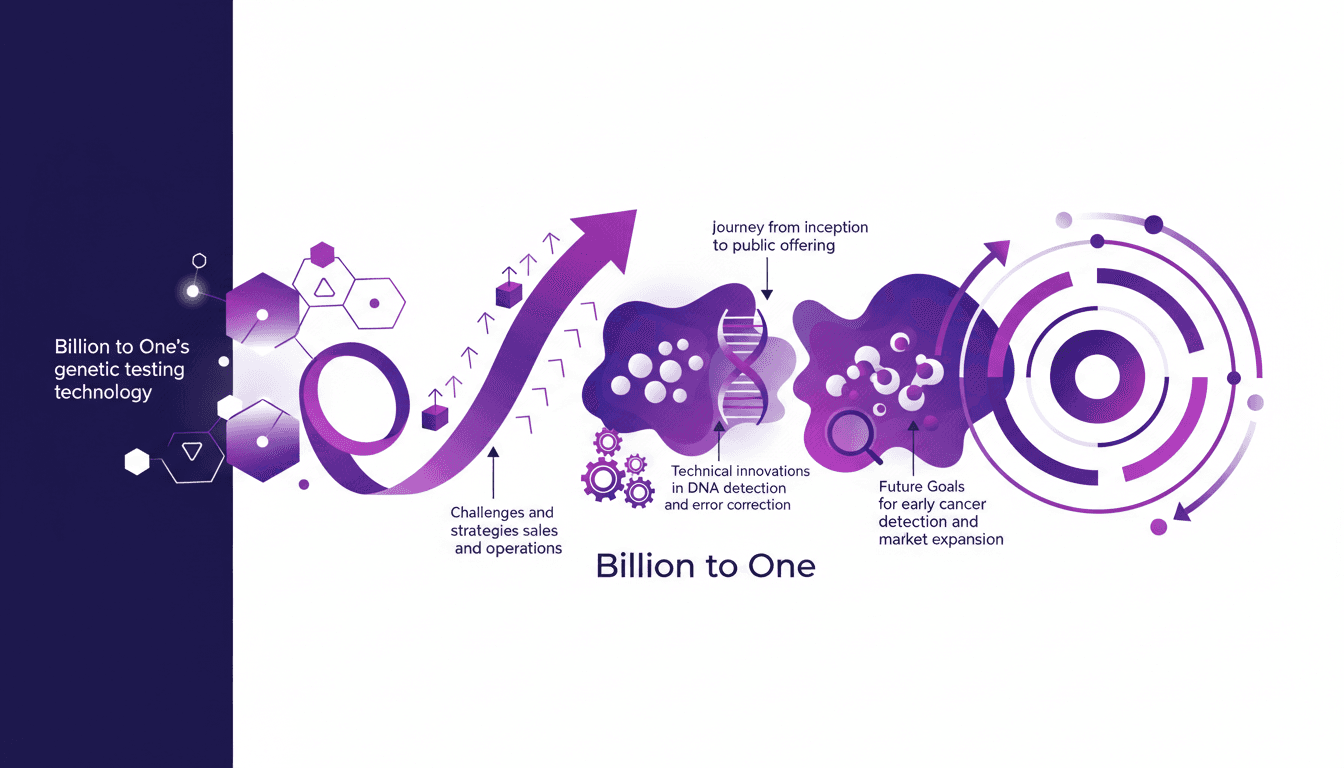
I remember the day I first connected with Billion to One. We were talking about prenatal genetic tests, and the thought struck me: 'This could be a game changer for cancer detection.' That was the spark. Billion to One's journey is fascinating. They started by revolutionizing prenatal screenings and now they're tackling early cancer detection. Let's break down how they did it, the challenges they faced moving from prenatal testing to cancer detection, and their technical innovations in DNA detection and error correction. Plus, their future goals for expanding the market. And for those with a business mindset, how did they convince key talents to join? We'll see how all this is orchestrated and what you can take away for your own projects. So get ready, it's practical, it's hands-on, and it might just change the game.
Building the Foundation: From Prenatal to Cancer Detection
When I first started following Billion to One, their focus was on prenatal genetic testing. That was already ambitious, but today, they've expanded their scope to include cancer detection. This wasn't just a pivot but a strategic expansion. Understanding this journey helps highlight the importance of adaptability in tech. Imagine, one in 11 babies in the U.S. is screened using their tests—that's huge!
Their path demonstrates that staying flexible and responsive is crucial. Initially, they were founded by two PhD students with a starting fund of $300,000. Today, their company is valued at over $4 billion. This proves that even with modest beginnings, a clear vision and rigorous execution can lead far.
Scaling Operations: The Sales and Team Challenges
When it comes to growth, convincing sales talent to join the journey was crucial for them. I learned early on that it's about quality over quantity. They managed to convince one or two good sales team members to join, which made all the difference. But watch out, hiring and training were no easy tasks.
Developing their sales team was a major challenge, especially two months post-launch when only one physician was using their cancer test. To address this, they had to significantly increase the number of sales reps. The takeaway here is that building a resilient sales team is essential for supporting growth.
Technical Innovations: DNA Detection and Error Correction
The technical innovations from Billion to One, like using synthetic DNA and Quantitative Counting Templates (QCT), are true game changers. Error correction in DNA sequencing is a major asset, but watch out for noise!
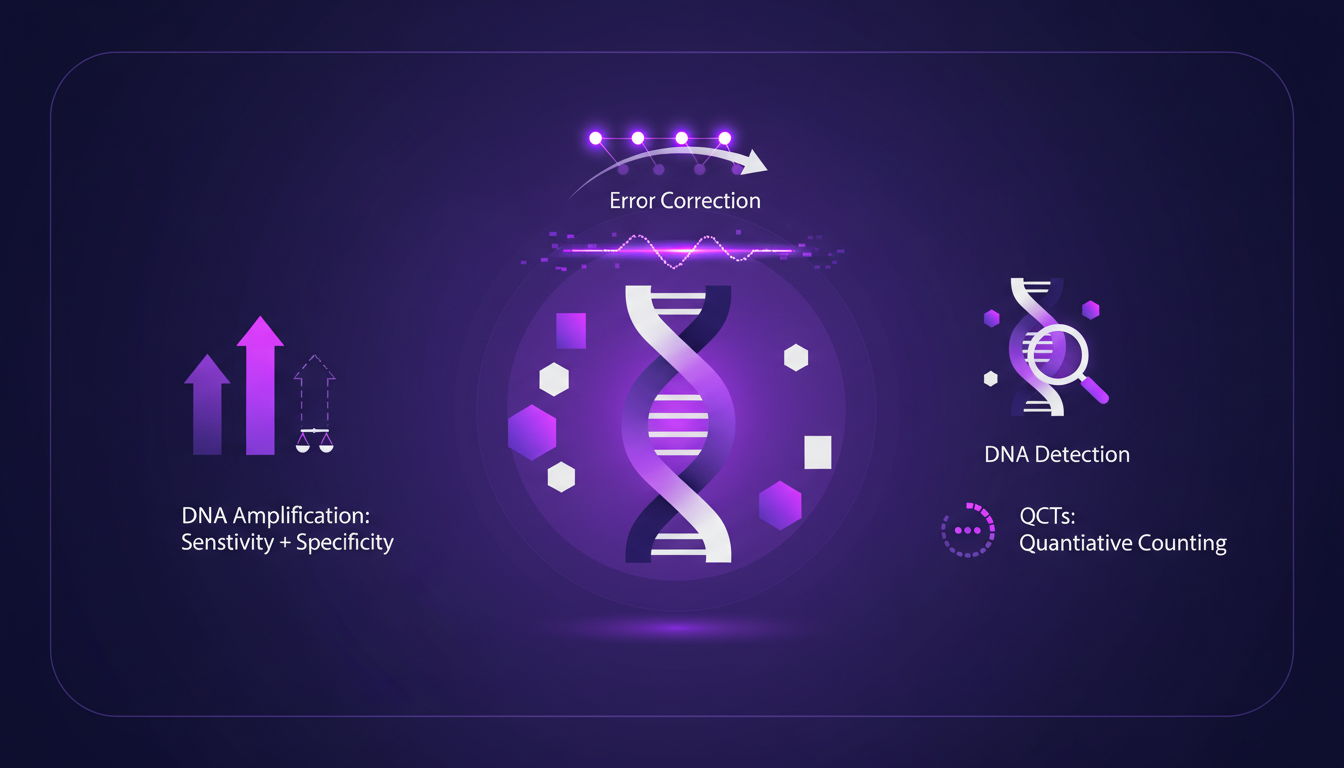
DNA amplification techniques must balance sensitivity and specificity. In the lab, I've seen firsthand that understanding these details is crucial for anyone in the field. Noise can mask the signal, but with the right approach, it can be reduced.
Future Goals: Expanding Early Cancer Detection
Billion to One aims to catch cancer before it spreads with Minimal Residual Disease (MRD) tests. About 20% of stage one or two cancer patients have microscopic residue. Their market expansion plans are ambitious but grounded in real potential.
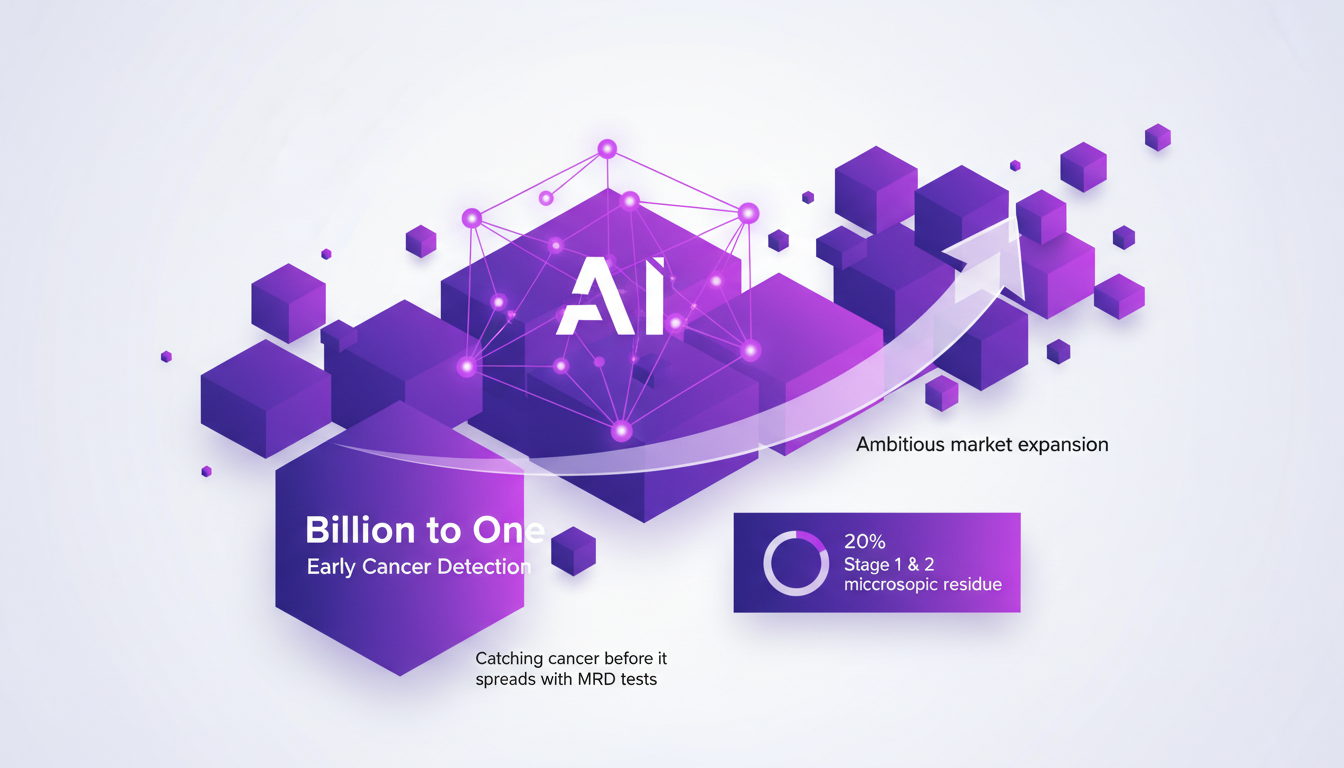
The goal is not just detection but making it accessible and affordable. Their ability to execute across multiple markets proves they can succeed where many fail.
Lessons Learned: Practical Takeaways and Trade-offs
Efficiency in scaling operations is as important as the technology itself. Trade-offs exist between rapid expansion and maintaining quality. In my experience, the balance between innovation and practicality is key.
Understanding market needs is crucial for success. I've seen too many companies get lost chasing technologies with no real commercial impact. Billion to One has navigated these waters brilliantly.
In conclusion, if you want to learn more about similar innovations, check out our article on EVO 2: AI Revolutionizing DNA Analysis.
Billion to One's journey is a masterclass in strategic growth and innovation in genetic testing. I've seen firsthand how they transitioned from prenatal testing to cancer detection, focusing on technical and operational excellence. Here are my key takeaways:
- Convincing one or two good sales team members can make a world of difference. I've seen this play out.
- 20% of patients with stage one or two cancers still have microscopic residue. That's critical information.
- One in 11 babies born in America this year will be screened by a genetic test. That tells a big story.
Looking forward, I see this technology as a potential game changer, but watch out for the challenges of scaling and operations. Consider how you can apply these insights to your projects, whether growing a team or pushing tech innovation.
For more depth, watch the full video. It's a goldmine for anyone looking to learn from their journey.
Frequently Asked Questions

Thibault Le Balier
Co-fondateur & CTO
Coming from the tech startup ecosystem, Thibault has developed expertise in AI solution architecture that he now puts at the service of large companies (Atos, BNP Paribas, beta.gouv). He works on two axes: mastering AI deployments (local LLMs, MCP security) and optimizing inference costs (offloading, compression, token management).
Related Articles
Discover more articles on similar topics
Cyogen: Reinventing the Chemical Industry
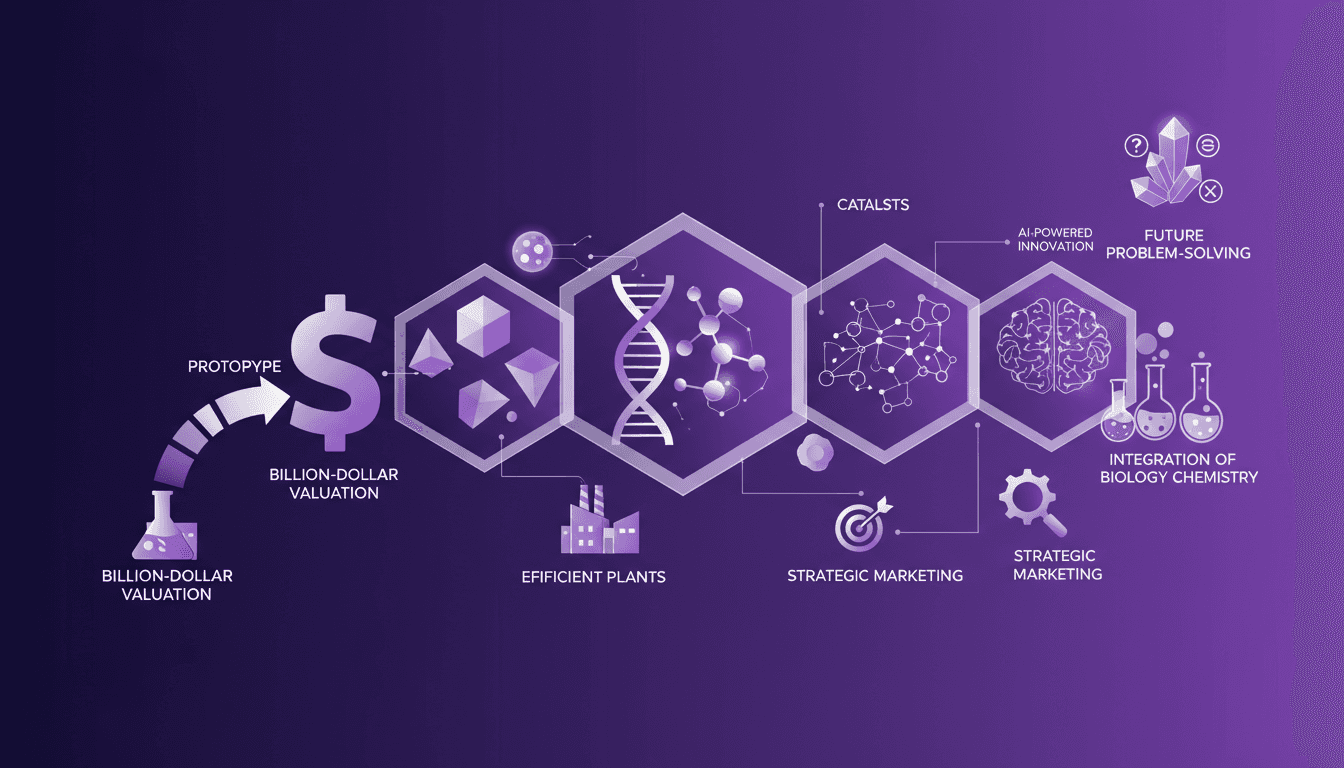
I remember the first time I heard about using enzymes from pancreatic cancer cells for chemical reactions. It sounded like science fiction. But at Cyogen, we've done it. We've turned this idea into a reality that's shaking up the trillion-dollar chemical industry. In this article, we take you through our journey from prototypes to a billion-dollar valuation. We reveal how we've integrated biology into chemistry to build efficient and cost-effective plants, and how we strategically target our customers to dominate the market. We also discuss the future, the challenges, and the solutions we're crafting with our catalysts.

EVO 2: AI Revolutionizing DNA Analysis
I've always been fascinated by the idea that AI could one day write the language of life itself. With EVO 2, we're no longer in the realm of science fiction, but in a reality that's transforming synthetic biology. I connect the dots between genetic mutation predictions and the fight against antibiotic resistance, showing you how this tool is revolutionizing DNA analysis. EVO 2 is not just an AI model; it's a revolution in our understanding of the human genome. But beware, this power comes with its risks. How do we balance innovation and ethics? What are the future impacts? I share the mistakes I've made and how I've integrated EVO 2 into my workflows to maximize its potential without falling into its traps.
Working in Cafes: Freedom or Illusion?
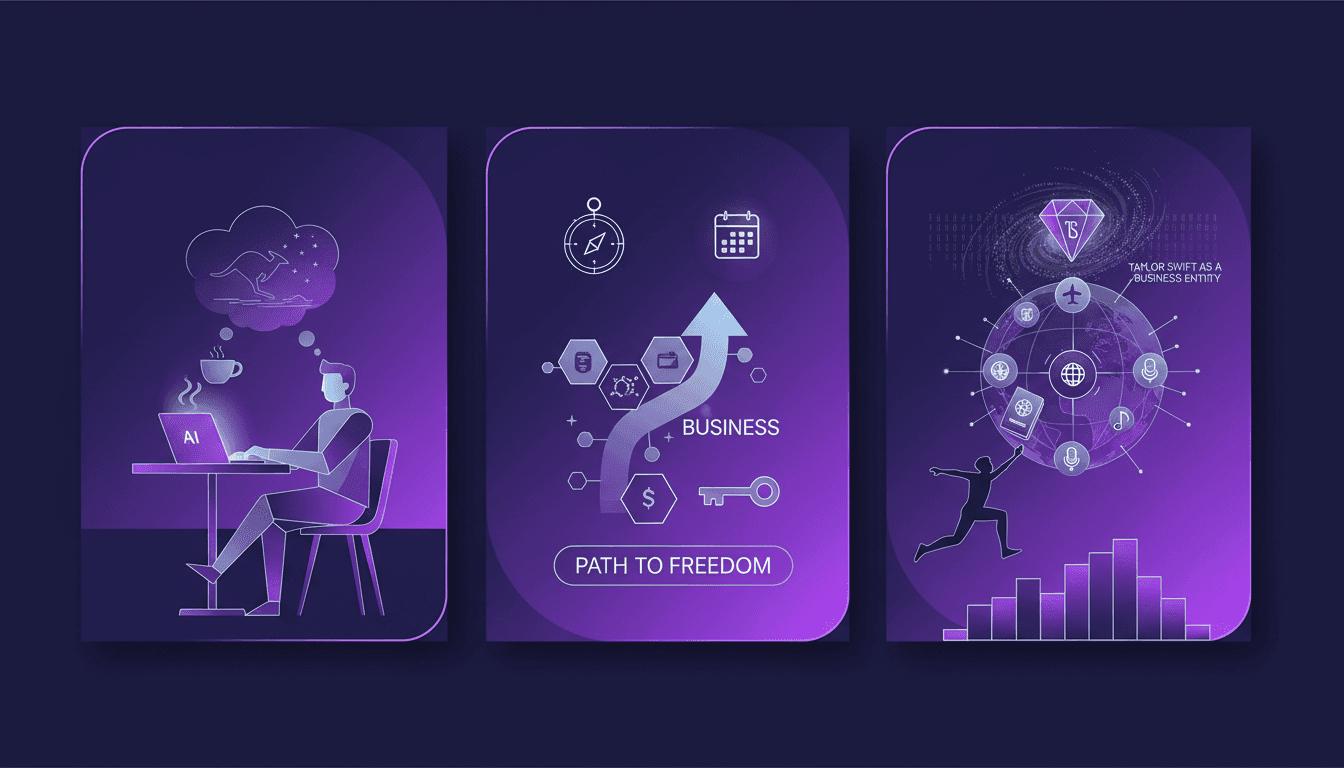
I've spent countless hours in cafes, dreaming of Australia and owning my own business. Here's how I turned those dreams into reality. From the grind of cafe work to the allure of Australian living and the pursuit of business ownership as a path to freedom—this journey is about leveraging opportunities for personal growth. Working in a cafe is pleasant, but don't be fooled by the illusion of total freedom. It's by crafting a solid plan and exploring various opportunities that I managed to turn my dreams into tangible goals. The key here is understanding how to leverage business for personal goals, much like Taylor Swift manages her career with entrepreneurial finesse. In this interview, I share the steps and decisions that allowed me to transform mere dreams into an exciting Australian reality.
Victoria's Secret Model Dream: Achieve It
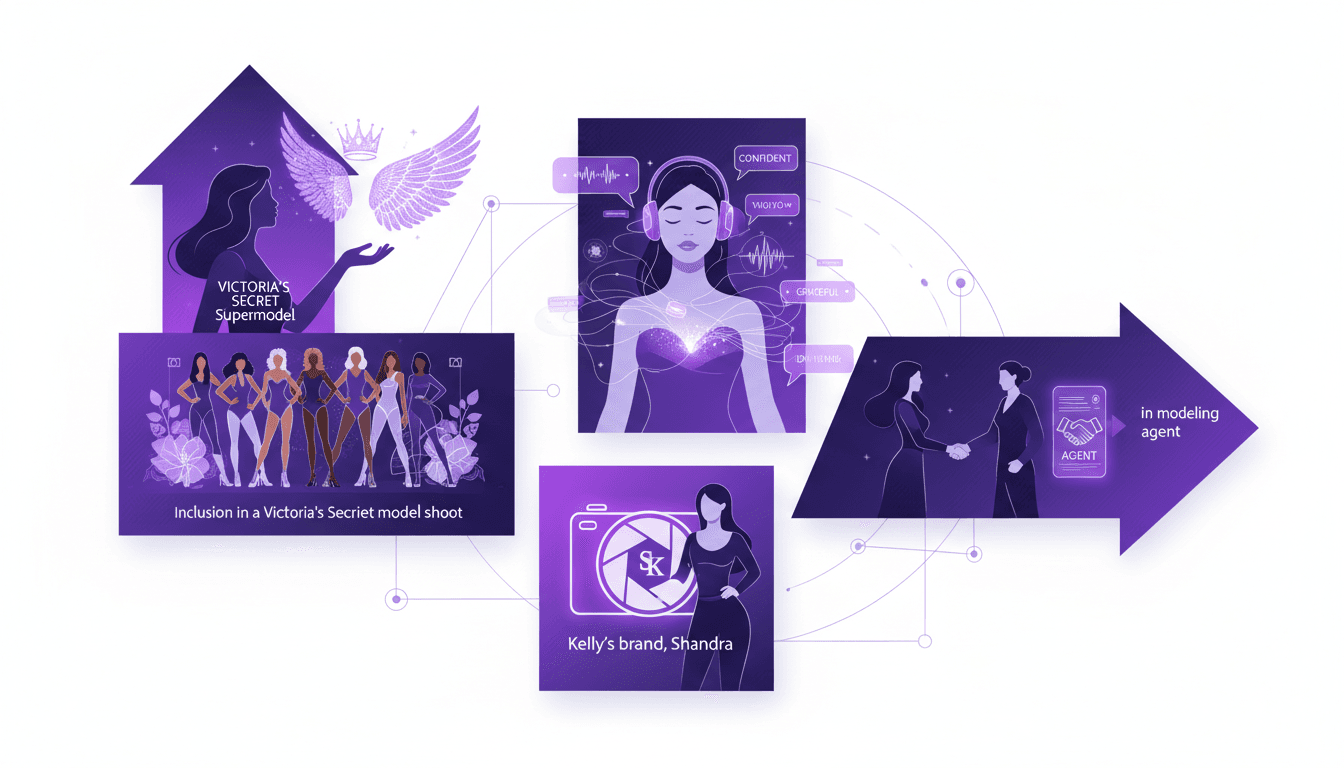
I still remember the day Taylor told me she dreamed of being a Victoria's Secret model. This isn't just a lofty dream—it's a path filled with hurdles I've seen others stumble over. But Taylor's journey was different. I watched her prepare meticulously, calculate each step, and seize every chance. From her first shoot to meeting an agent, every moment was intentional. Let me walk you through how she turned her dream into reality, one calculated move at a time, leaving nothing to chance.
Influencer Strategy: $35K/Month with One App
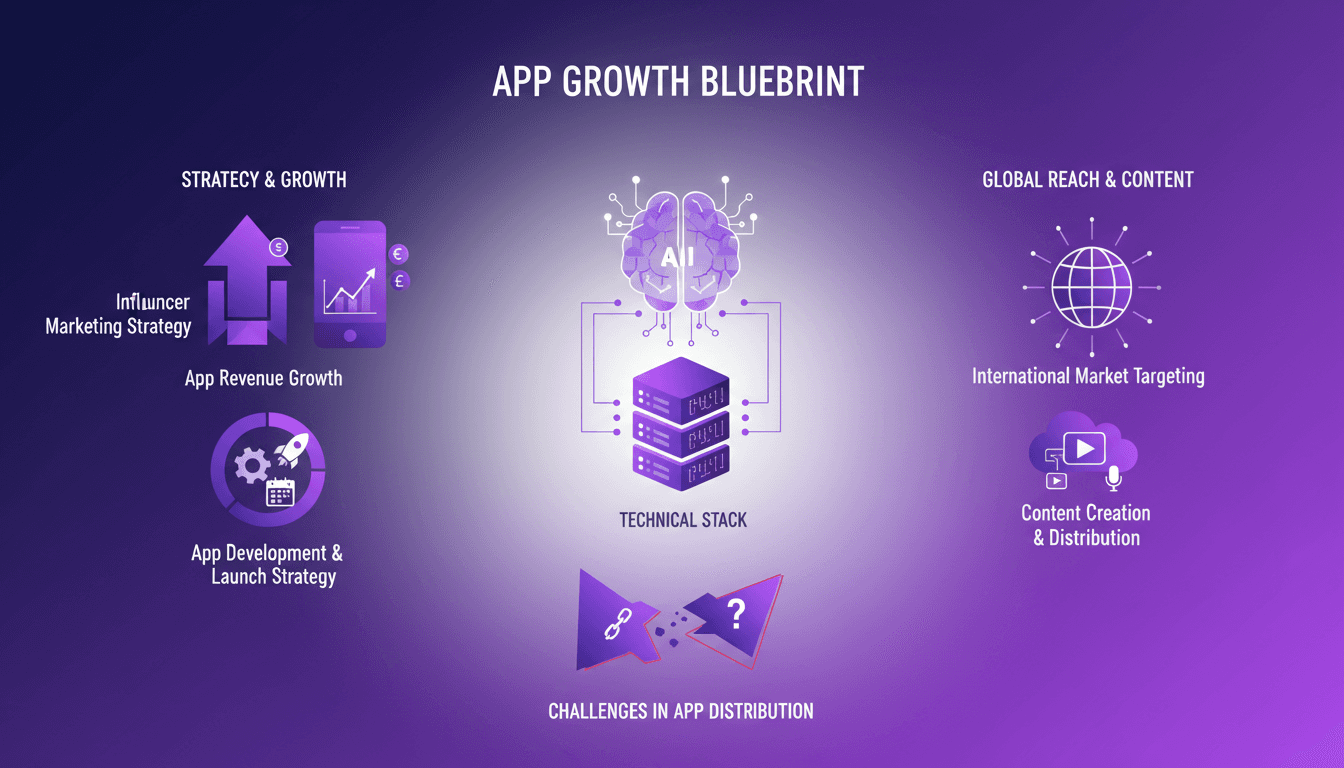
I turned an app idea into a $35K/month cash machine by partnering with just one influencer. How? By orchestrating an influencer marketing strategy that skyrocketed our revenue by 10,000%. I'll walk you through how I navigated the challenges of app development, international market launch, and powerful content creation. And watch out—there are pitfalls to avoid (I've been burned more than once)!